

Estimated Reading Time: 11 minutes
TL;DR:
Key Takeaways:
Table of Contents
Introduction
In the heart of East Africa, Kenyan farmers face the dual challenge of ensuring food security for a growing population while grappling with the harsh realities of climate change, including persistent drought and dwindling soil fertility. These pressing issues have led to a surge in farmer searches for 'soil fertility solutions' and 'drought-resistant farming', reflecting a critical need for innovative, sustainable agricultural practices. This comprehensive guide from Biofarm Kenya introduces a powerful, nature-inspired solution: sustainable intercropping.
By strategically planting diverse crops together, particularly intercropping legumes (e.g., beans, cowpeas) with maize, farmers can unlock remarkable benefits. This practice has been proven to significantly boost soil nitrogen, a vital nutrient for crop growth, while simultaneously working to reduce erosion and enhance the overall health of your farm's most valuable asset – its soil. According to promising 2025 Kenya Agricultural Research Institute trials, adopting these legume intercropping strategies can lead to an impressive increase in farm yields by 30%. This article will delve into the essential key steps, including crop pairing strategies and spacing techniques, empowering you to transform your farm's productivity and resilience.
Background & Context: The Kenyan Agricultural Landscape
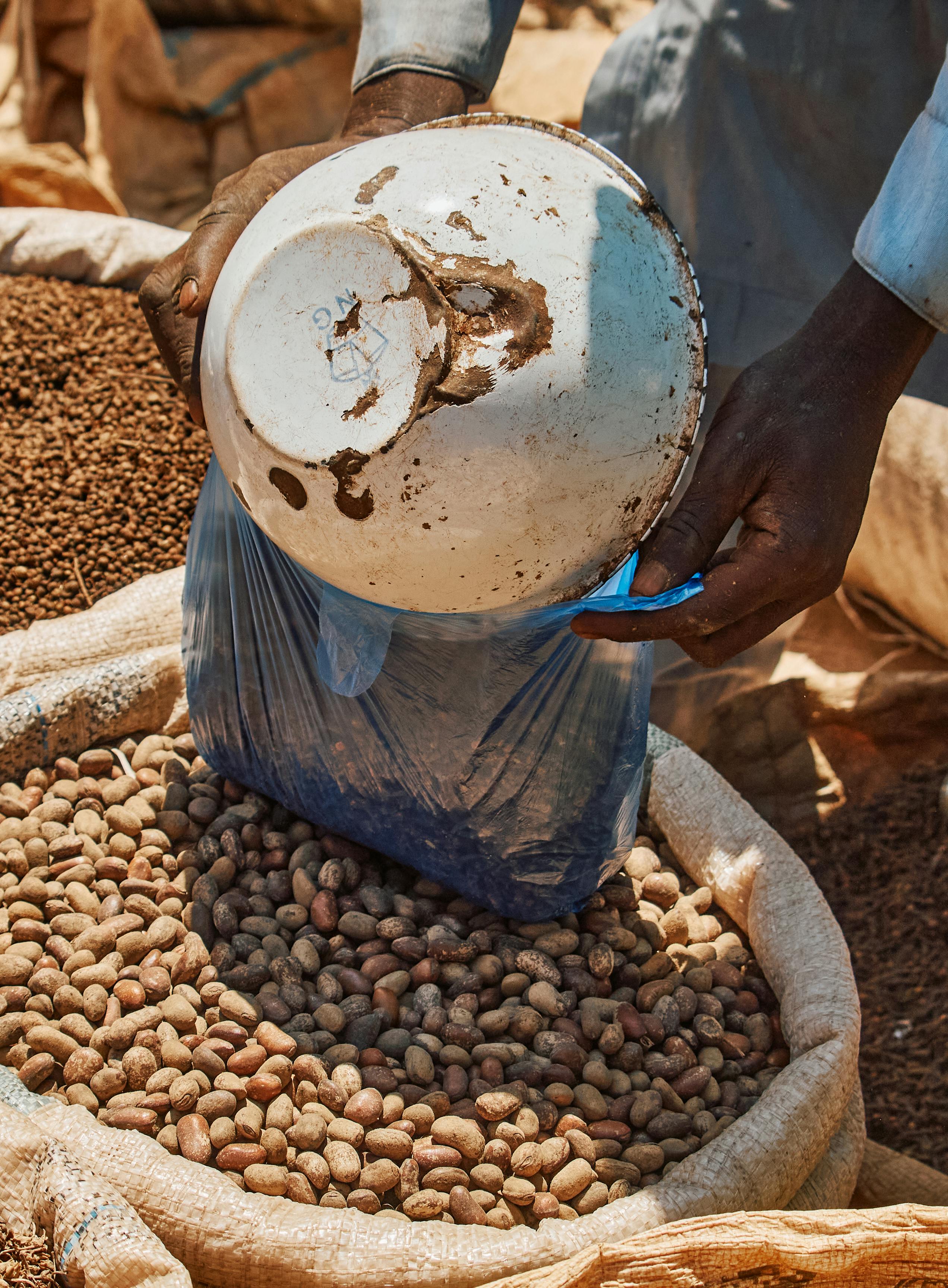
Agriculture remains the backbone of Kenya's economy, employing over 70% of the rural population and contributing significantly to the national GDP. However, conventional farming methods have often led to soil degradation, increased reliance on synthetic inputs, and vulnerability to climatic shocks. The urgent need for sustainable practices has brought agroecological farming methods to the forefront, addressing critical issues like soil acidity and enhancing nutrient content, particularly for staple crops like maize and beans.
The transition towards more sustainable agriculture in Kenya is not just an environmental imperative; it's an economic opportunity. Over 150,000 farmers nationwide have already embraced organic farming practices, recognizing their potential to improve soil health, preserve biodiversity, and enhance food security. Trends towards a circular agriculture, emphasizing harmony with nature and meeting social needs, are gaining traction, with a focus on local production and consumption and the integration of smart financial and technological solutions to drive efficiency and sustainability.
Key Insights & Strategies for Successful Intercropping

Intercropping is a time-tested agricultural practice that involves growing two or more crops in proximity, creating a symbiotic relationship that benefits all plants and the soil. For Kenyan farmers, this translates into improved soil fertility, enhanced pest control, and increased overall farm productivity, especially when focusing on maize-legume intercropping.
Understanding the Power of Legumes
Legumes, such as common beans, cowpeas, groundnuts, and green grams, are natural nitrogen fixers. They host beneficial bacteria in their root nodules that convert atmospheric nitrogen into a form usable by plants. When intercropped with cereals like maize, these legumes share this vital nutrient, reducing the need for synthetic nitrogen fertilizers and boosting the growth of the accompanying crop.
To accurately assess your farm's starting point and understand its unique needs, regular soil testing is paramount. Boost your yields and ensure optimal growing conditions with the 3-in-1 Soil pH, Moisture & Light Meter – available on Amazon. This essential tool provides insights into pH levels, moisture content, and light exposure, allowing for informed decisions on crop selection and soil amendments.
For more advanced strategies and to explore a wider range of sustainable farming techniques tailored for the Kenyan context, you can Explore sustainable organic farming solutions with Biofarm Kenya.
Case Studies & Examples: Intercropping Success Stories in Kenya
Across Kenya, numerous smallholder farmers are witnessing tangible benefits from adopting intercropping practices. The results speak for themselves: healthier soils, reduced input costs, and increased harvests, demonstrating effective soil fertility solutions and strategies for drought-resistant farming.
For instance, in Western Kenya, trials conducted by organizations like One Acre Fund have demonstrated the efficacy of maize-legume intercropping. Farmers participating in these programs reported significant improvements in their maize yields when intercropping with common beans or cowpeas, alongside better soil structure and reduced weed pressure. The deep tap roots of legumes, such as pigeon peas, have been particularly noted for their ability to access water from deeper soil profiles, making them crucial for the success of maize-legume intercrops under rain-fed conditions, especially important for drought-resistant farming.
Another compelling example comes from the central highlands of Kenya, where farmers adopting integrated organic-based soil fertility management practices, including intercropping, mulching, and manure application, experienced enhanced productivity. Research published in Frontiers in Sustainable Food Systems highlights how such approaches improve soil health and nutrient cycling, leading to sustainable increases in food production.
These local successes underscore the potential of intercropping not just as a farming technique, but as a holistic approach to sustainable agriculture that builds resilience and profitability for Kenyan farmers. The integration of traditional knowledge with modern agricultural science is creating a robust framework for a more sustainable future.
Common Mistakes to Avoid in Sustainable Intercropping
While intercropping offers significant advantages, certain errors can diminish its effectiveness. Avoiding these common pitfalls is key to maximizing the benefits of this sustainable practice:
Correction: Research and select crop combinations known to have synergistic relationships, such as maize and climbing beans. Consider growth habits, nutrient requirements, and pest deterrence. Improper Spacing: Overcrowding plants, even in an intercropping system, can lead to intense competition, poor air circulation, and increased susceptibility to diseases.
Correction: Adhere to recommended spacing guidelines for each crop, ensuring adequate room for growth and light penetration. This often involves wider rows for the main crop (maize) and specific in-row spacing for the intercropped legume. Neglecting Soil Health Monitoring: Assuming intercropping alone will solve all soil fertility issues without regular checks can lead to nutrient imbalances over time.
Correction: Regularly test your soil to understand its pH, nutrient levels, and organic matter content. Adjust your intercropping strategy and consider supplementary organic amendments if necessary. Ignoring Pest and Disease Management: While intercropping can deter some pests, it doesn't eliminate the need for vigilance. Certain combinations can inadvertently create a more hospitable environment for specific pests or diseases if not managed.
Correction: Implement integrated pest management (IPM) strategies. Rotate crops, use resistant varieties, and monitor for early signs of problems. The increased biodiversity from intercropping can often support beneficial insects. Inadequate Water Management: Even with drought-resistant varieties, inconsistent watering, or inefficient irrigation can compromise yields, especially during dry spells.
Correction: Employ water-efficient irrigation methods like drip irrigation. Understand the water needs of both intercropped plants and schedule irrigation accordingly to prevent water stress.
Expert Tips & Best Practices for Maximizing Intercropping Benefits
Leveraging decades of agricultural wisdom and cutting-edge research, Biofarm Kenya presents these expert tips to help you get the most out of your sustainable intercropping efforts, ensuring robust yields and healthy soil. These strategies are particularly effective for addressing 'soil fertility solutions' and building 'drought-resistant farming' systems in Kenya.
Future Trends & Predictions in Sustainable Kenyan Agriculture
The landscape of Kenyan agriculture is continuously evolving, with exciting innovations on the horizon that promise to further enhance sustainability, efficiency, and productivity. These emerging trends will play a crucial role in addressing the challenges of climate change and feeding a growing population, complementing strategies like sustainable intercropping.
Smart Irrigation Systems: Beyond basic drip irrigation, future systems will incorporate sensors and AI to monitor soil moisture, weather forecasts, and crop needs in real-time. This precision agriculture will optimize water usage, reduce waste, and ensure plants receive exactly what they need, exactly when they need it, crucial for drought-resistant farming.
Vertical Farming and Urban Agriculture: As urban populations grow, vertical farms and controlled-environment agriculture will become more prevalent, especially for high-value crops. These systems use significantly less land and water, offer year-round production, and can be integrated into urban centers, reducing transportation costs and increasing food accessibility.
AI-Driven Crop Monitoring and Disease Detection: Drones and satellite imagery, coupled with artificial intelligence, will provide farmers with unprecedented insights into crop health. Early detection of pests, diseases, and nutrient deficiencies will enable prompt intervention, minimizing losses and the need for broad-spectrum chemical treatments.
Enhanced Biofertilizers and Biopesticides: Research into microbial soil amendments and natural pest controls is advancing rapidly. These biological solutions will further reduce reliance on synthetic chemicals, promoting healthier soil ecosystems and safer food production, aligning perfectly with organic farming principles.
Climate-Resilient Crop Varieties: Ongoing breeding programs are developing new crop varieties that are inherently more tolerant to drought, heat, and new pest strains. Combined with sustainable practices like intercropping, these resilient crops will form the foundation of future food security.
These innovations, when integrated with proven agroecological methods, will help shape a more resilient, productive, and environmentally friendly agricultural sector in Kenya. Biofarm Kenya remains at the forefront, guiding farmers towards adopting these transformative solutions.
Conclusion: A Sustainable Path to Enhanced Farm Productivity
The journey towards robust farm yields and resilient agricultural systems in Kenya is undeniably rooted in sustainable practices like intercropping. By embracing the symbiotic power of planting legumes (such as beans and cowpeas) with maize, farmers are not only able to boost soil nitrogen and reduce erosion but also significantly increase farm yields by up to 30%, as demonstrated by the groundbreaking 2025 Kenya Agricultural Research Institute trials. This guide has illuminated the key steps, including crop pairing strategies and spacing techniques, vital for transforming agricultural challenges into opportunities for growth and sustainability.
From understanding the historical context of Kenyan agriculture to implementing practical strategies, avoiding common mistakes, and looking ahead to future innovations, the path to a thriving farm is clear. Sustainable intercropping is a powerful answer to the rising farmer searches for 'soil fertility solutions' and 'drought-resistant farming'. It is a testament to the fact that working in harmony with nature is the most effective way to secure a prosperous and sustainable future for our farms and communities.
We encourage every Kenyan farmer to consider integrating these proven methods into their practice. Discover trusted organic farming tools on Amazon and learn more about sustainable solutions with Biofarm Kenya. Together, we can cultivate a greener, more productive future for Kenya's agricultural landscape.
FAQs: Your Questions on Intercropping & Soil Health Answered
Q1: How does intercropping specifically improve soil fertility?
Intercropping, particularly with legumes, significantly enhances soil fertility through nitrogen fixation. Legumes host symbiotic bacteria (rhizobia) in their root nodules that convert atmospheric nitrogen into a usable form for plants. This process enriches the soil with natural nitrogen, making it available not only to the legume itself but also to the companion crop (like maize) and subsequent crops. It also adds organic matter to the soil, improving its structure and water retention. Learn more about soil fertility management from FAO.
Q2: Which legume varieties are best suited for intercropping with maize in Kenya?
In Kenya, common beans (Phaseolus vulgaris), cowpeas (Vigna unguiculata), and groundnuts (Arachis hypogaea) are highly recommended for intercropping with maize. These varieties are well-adapted to local conditions and have a proven track record of successful symbiosis, enhancing both maize yields and soil health. Pigeon peas are also excellent for deeper soil health and drought resilience. Discover insights from One Acre Fund's intercropping trials in Kenya.
Q3: Can intercropping help in drought-prone regions of Kenya?
Absolutely. Intercropping is a key strategy for drought-resistant farming. Diverse root systems of intercropped plants can access water from different soil depths, making more efficient use of available moisture. Legumes, especially those with deep taproots, can scavenge water from deeper layers, reducing competition with shallow-rooted maize. This enhances the overall resilience of the farming system to water stress. Read about how CIMMYT supports sustainable agriculture in Kenya.
Q4: What are the ideal spacing techniques for maize-legume intercropping to avoid competition?
To prevent competition, optimal spacing is crucial. A common practice in Kenya is to alternate one row of maize with one or two rows of legumes. Another effective method involves planting two rows of legumes for every two rows of maize. The exact spacing will depend on the specific varieties used and local environmental conditions. Ensure sufficient space between plants to allow for adequate light penetration and air circulation. Explore innovative approaches to soil fertility management in Kenya.
Q5: How often should I test my soil when practicing intercropping?
For optimal results, it's advisable to conduct a comprehensive soil test at least once every 2-3 years, or before planting a new major crop cycle. However, using a quick 3-in-1 soil meter can help monitor pH, moisture, and light conditions more frequently, especially during critical growth stages. This regular monitoring helps you make timely adjustments to your intercropping and soil management strategies. Understand the importance of soil fertility from KCOA (Kenya Certification of Organic Agriculture).
Q6: Beyond intercropping, what other sustainable practices can boost farm yields in Kenya?
To complement intercropping, consider integrating practices such as crop rotation, which breaks pest and disease cycles and optimizes nutrient use; conservation tillage to reduce soil disturbance and erosion; organic composting to build soil organic matter; and agroforestry, which combines trees with crops and livestock to enhance biodiversity and farm resilience. These holistic approaches contribute significantly to long-term farm productivity and environmental health. Explore Biofarm Kenya's resources for comprehensive sustainable organic farming solutions.


0 Comments