

Estimated Reading Time: 12 minutes
TL;DR:
Key Takeaways:
Boost Kenyan Farm Profits with Smart Soil Health
Kenyan farmers, restore soil health! Boost yields & cut chemical dependence with proven hybrid methods. Learn smart composting and precision application for sustainable, profitable farming.
Introduction
For generations, the fertile soils of Kenya have been the backbone of its economy and a source of livelihood for millions. However, a silent crisis has been unfolding beneath our feet. Kenyan farmers are increasingly questioning the long-term effects of chemical fertilizer dependence, driven by rising soil degradation and declining yields. The relentless pursuit of higher output through synthetic inputs has, in many cases, depleted the very vitality of our land. This escalating challenge demands a paradigm shift towards more sustainable and regenerative practices.
This training guide focuses on evidence-based soil health restoration using organic-inorganic hybrid approaches. By integrating the best of both worlds, farmers can achieve optimal productivity while safeguarding the environment and ensuring the longevity of their agricultural enterprises. We will explore key steps that empower farmers to reclaim their soil’s potential, boost profitability, and build a more resilient future.
Background & Context

Kenya's agricultural sector, a cornerstone of its GDP, faces significant pressures from climate change, population growth, and unsustainable farming practices. Soil degradation, characterized by nutrient depletion, erosion, and loss of organic matter, is a pervasive issue across many regions. Studies show that a substantial portion of agricultural land in Kenya suffers from moderate to severe soil acidity and nutrient deficiencies, directly impacting crop yields and farmer incomes.
The reliance on synthetic fertilizers, while providing immediate nutrient boosts, often overlooks the complex biological and structural health of the soil. This has led to a vicious cycle where increasing amounts of chemicals are needed to achieve diminishing returns. The good news is that a growing movement towards organic farming and sustainable agriculture is gaining momentum in Kenya, offering viable solutions for restoring soil fertility and enhancing agribusiness growth. Organizations like KALRO (Kenya Agricultural & Livestock Research Organization) and ICRISAT (International Crops Research Institute for the Semi-Arid Tropics) are at the forefront of researching and disseminating innovative soil health management strategies tailored for the Kenyan context.
Key Insights or Strategies
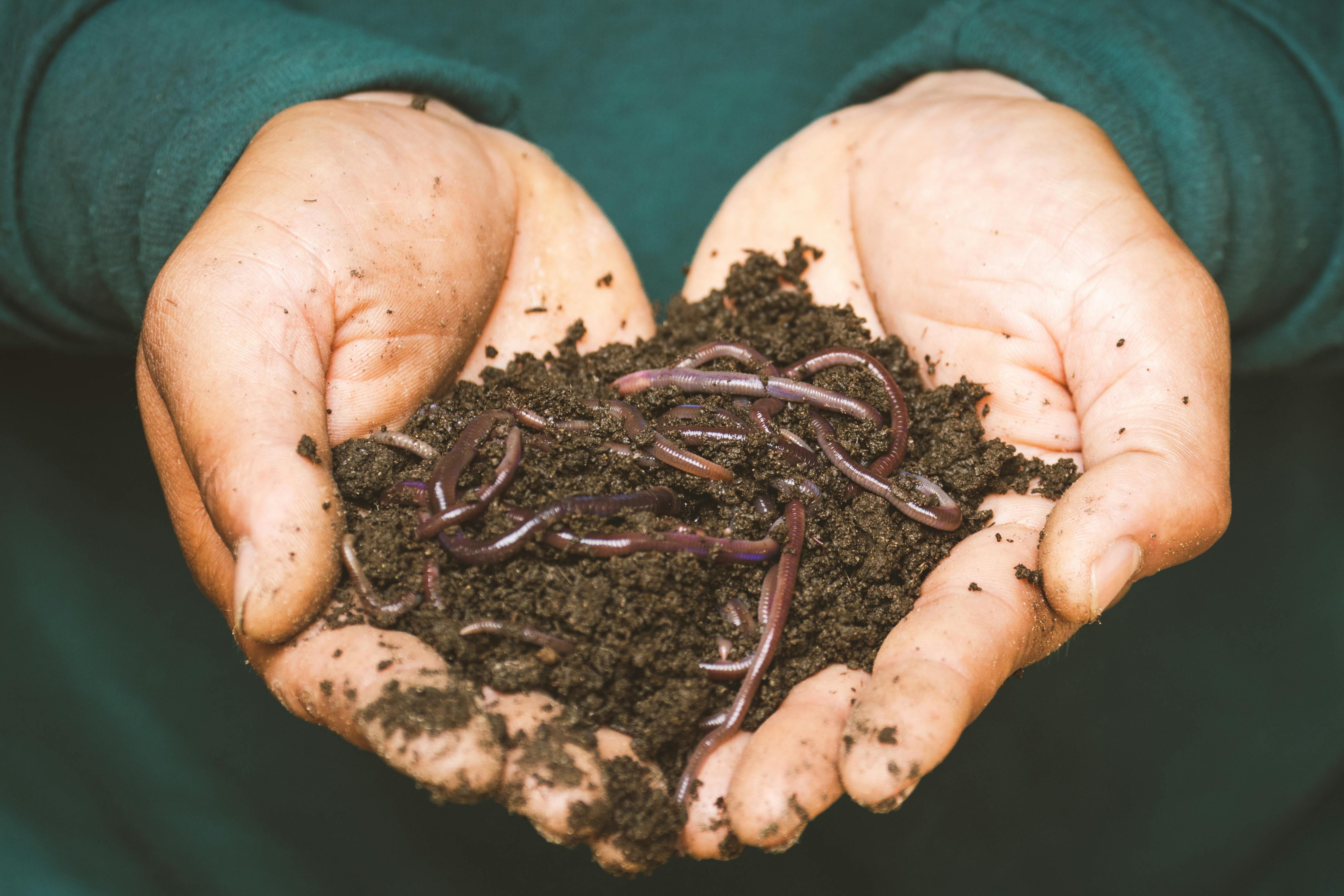
Adopting a hybrid approach to soil health management is not just about reducing chemical use; it’s about fostering a thriving ecosystem within the soil itself. Here are three critical strategies for Kenyan farmers to boost their farm profits sustainably.
1. The Foundation: Comprehensive Soil Testing
Understanding your soil is the first and most crucial step towards restoring its health. Blindly applying fertilizers is wasteful and can exacerbate existing imbalances. Soil testing provides a precise diagnosis of nutrient deficiencies, pH levels, and organic matter content, allowing for targeted interventions.
- Regular Analysis: Aim for annual or biennial soil tests, especially before planting new crops.
- Accurate Sampling: Collect samples from various parts of your farm to get a representative picture.
- Interpret Results: Learn to understand the data, or consult with agricultural extension officers.
- Actionable Plans: Based on the analysis, create a tailored nutrient management plan.
As per the Kenya Agricultural and Rural Inclusion 2025 framework, robust soil testing is paramount for diagnosing nutrient imbalances. For farmers seeking a reliable way to understand their soil, consider the MySoil Soil Test Kit – available on Amazon, which offers complete nutrient and pH analysis with tailored recommendations.
2. The Power of Composting: Enhancing Organic Matter
Composting farm waste is one of the most effective ways to introduce vital organic matter back into your soil. Organic matter improves soil structure, water retention, nutrient availability, and fosters beneficial microbial life, all crucial for plant health and yield.
- Utilize Farm Waste: Collect crop residues, livestock manure, kitchen scraps, and other organic materials.
- Proper Composting Techniques: Ensure adequate aeration, moisture, and a good carbon-to-nitrogen ratio for efficient decomposition.
- Hot vs. Cold Composting: Understand the differences and choose the method best suited for your farm's scale and resources.
- Apply Regularly: Incorporate mature compost into your fields before planting or as a top dressing.
An ICRISAT 2024 study highlighted the significant benefits of composting techniques with farm waste to boost organic matter. To streamline your composting process, especially for small to medium-sized farms, the VEVOR 37-Gal Dual Chamber Composting Tumbler – available on Amazon offers a high-volume, rotating solution for efficient decomposition.
3. Precision Application: Smart Nutrient Management
Once you know your soil's needs, precision application of chemical nutrients ensures that fertilizers are used efficiently, minimizing waste and environmental impact. This approach saves money, reduces runoff, and prevents nutrient imbalances that can harm both crops and the environment.
- Targeted Application: Apply nutrients precisely where and when crops need them, based on soil test results.
- Right Source, Right Rate, Right Time, Right Place: Follow the 4R Nutrient Stewardship principles.
- Integrated Approaches: Combine organic amendments (compost) with minimal, targeted chemical fertilizers.
- Monitor Crop Response: Observe plant health and adjust application strategies as needed.
KALRO 2025 guidelines emphasize the importance of precision application of chemical nutrients based on soil analysis. By combining precise knowledge with targeted actions, Kenyan farmers can optimize their inputs and maximize their yields sustainably. To further explore sustainable organic farming solutions and advanced agricultural tools, Explore sustainable organic farming solutions with Biofarm Kenya.
Case Studies, Examples, or Comparisons
Across Kenya, pioneering farmers are demonstrating the success of these integrated soil health strategies. In regions like Makueni, smallholder farmers have adopted climate-smart agricultural practices, including conservation agriculture (minimum tillage, cover cropping, and crop rotation), leading to increased yields despite erratic rainfall patterns. These methods not only conserve soil moisture but also build up soil organic matter over time, enhancing long-term fertility. For instance, Farm Africa's initiatives in restoring soil health in Kenya have showcased regenerative agriculture practices that rejuvenate soil fertility and reduce carbon emissions, significantly improving livelihoods for participating communities.
Another compelling example comes from farmers embracing greenhouse technologies. These controlled environments allow for precise nutrient and water management, optimizing conditions for high-value crops. With the judicious use of organic fertilizers and targeted chemical applications based on regular soil analyses, these farmers achieve superior quality and quantity of produce, commanding better market prices. The Food and Agriculture Organization (FAO) consistently advocates for such diversified and sustainable agricultural systems, citing their potential to enhance food security and rural incomes across Africa. These success stories serve as powerful testaments to the profitability and resilience achievable through smart soil health management.
Common Mistakes to Avoid
Even with the best intentions, certain practices can inadvertently harm soil health and diminish farm profits. Avoiding these common errors is crucial for successful soil restoration:
- Over-Reliance on Chemical Fertilizers: While they offer quick boosts, excessive use can acidify soil, destroy beneficial microbes, and lead to nutrient imbalances. Correct by gradually reducing chemical inputs and substituting with organic amendments.
- Ignoring Soil Testing: Without knowing your soil's specific needs, you're guessing. This leads to wasted resources and ineffective treatments. The correction is simple: invest in regular, comprehensive soil testing.
- Poor Waste Management: Burning crop residues or improper disposal of organic waste deprives your soil of potential organic matter and nutrients. Instead, compost these materials or incorporate them directly into the soil (where appropriate).
- Monocropping: Planting the same crop repeatedly depletes specific nutrients, encourages pests and diseases, and reduces soil biodiversity. Implement crop rotation to diversify nutrient uptake and break pest cycles.
- Excessive Tillage: Traditional ploughing can damage soil structure, accelerate organic matter decomposition, and increase erosion. Shift towards minimum tillage or no-till farming to preserve soil integrity.
- Inefficient Irrigation: Overwatering or improper irrigation techniques can leach nutrients, compact soil, and waste precious water. Adopt precision irrigation methods like drip systems to deliver water directly to plant roots.
Expert Tips or Best Practices
To truly unlock your farm’s potential and ensure long-term profitability, integrate these expert-backed best practices into your daily operations:
- Embrace Cover Cropping: Plant non-cash crops like legumes or grasses during fallow periods. They protect the soil from erosion, suppress weeds, add organic matter, and fix nitrogen, naturally enriching the soil.
- Practice Agroforestry: Integrate trees and shrubs into your farm landscape. They provide shade, reduce wind erosion, improve soil fertility through leaf litter, and can offer additional income streams (fruits, timber).
- Water Smartly with Drip Irrigation: Precision irrigation systems deliver water directly to the plant roots, minimizing waste and preventing nutrient leaching. This is especially vital in Kenya's semi-arid regions. For an efficient solution, consider the MIXC 230FT Quick-Connect Drip Irrigation System Kit – available on Amazon, a versatile choice for various garden and small farm setups.
- Support Soil Biota: Minimize the use of broad-spectrum pesticides and herbicides, which can harm beneficial insects and soil microorganisms. Encourage biodiversity above and below ground.
- Consider Organic Fertilizers for Boosts: While composting is foundational, sometimes plants need an extra kick. Opt for balanced organic liquid fertilizers to provide readily available nutrients without harsh chemicals. A good option is the MARPHYL Organic Liquid Fertilizer – available on Amazon, a vegan and sustainable choice made from marine phytoplankton.
- Continuous Learning and Adaptation: The agricultural landscape is constantly evolving. Stay informed about new research, technologies, and local best practices.
For more in-depth guidance and access to cutting-edge sustainable farming tools and resources, Explore sustainable organic farming solutions with Biofarm Kenya. Our partners are dedicated to supporting your journey towards a profitable and sustainable farm.
Future Trends or Predictions
The future of Kenyan agriculture is poised for transformative change, driven by innovation and a deepening commitment to sustainability. Several key trends are emerging that will shape how farmers grow food and manage their land:
- Agritech and Digital Agriculture: Expect a surge in the adoption of smart farming technologies. This includes AI-driven crop monitoring systems that provide real-time data on plant health, drone technology for precision spraying, and mobile applications offering weather forecasts, market prices, and expert advice. These tools will enable farmers to make data-backed decisions, optimizing resource use and enhancing productivity.
- Vertical Farming and Controlled Environment Agriculture (CEA): As land becomes scarcer and climate change impacts intensify, vertical farms and greenhouses will become more prevalent, especially near urban centers. These systems offer higher yields per square meter, reduced water usage, and protection from adverse weather, making them ideal for high-value crops. Small, accessible greenhouse kits are already becoming popular for extending growing seasons and protecting vulnerable plants. Consider investing in a compact solution like the WORKPRO Portable Greenhouse Kit – available on Amazon, a heavy-duty option perfect for home and small farm use.
- Bio-fertilizers and Bio-pesticides: Research and development in natural biological solutions will accelerate, offering effective alternatives to synthetic chemicals. These products harness beneficial microorganisms to enhance nutrient uptake and provide natural pest control, further supporting soil health and biodiversity.
- Carbon Sequestration and Climate Finance: Farmers who adopt regenerative practices that sequester carbon in their soil may increasingly access carbon credit markets, providing an additional income stream and incentivizing climate-positive agriculture.
- Value Addition and Agro-processing: There will be a greater emphasis on processing raw agricultural produce into higher-value products, creating more jobs and enhancing profitability within the agricultural value chain.
These trends highlight a future where Kenyan agriculture is not only productive but also highly resilient, environmentally responsible, and economically empowering for its farmers.
Conclusion
The journey to robust soil health is a marathon, not a sprint. By embracing the hybrid organic-inorganic approaches discussed, Kenyan farmers can reverse the tide of soil degradation, significantly boost their yields, and cultivate truly sustainable, profitable farms. The key steps are clear: start with comprehensive soil testing to understand your land's unique needs, enrich your soil with organic matter through diligent composting of farm waste, and apply nutrients with precision to maximize efficiency and minimize environmental impact. These evidence-based strategies, supported by institutions like KALRO and ICRISAT, are not just about better farming; they are about securing a healthier, more prosperous future for every farmer and every plate in Kenya.
Begin your transformation today. Discover trusted organic farming tools on Amazon and learn more about sustainable solutions with Biofarm Kenya.
FAQs
Q1: What are sustainable practices to boost soil health in Kenya?
A: Sustainable practices include conservation agriculture (minimum tillage, crop rotation, cover cropping), agroforestry, integrated soil fertility management (ISFM), and the extensive use of organic amendments like compost and manure. These methods help prevent erosion, improve soil structure, enhance water retention, and increase biodiversity. For more information, refer to the Farm Africa initiatives on soil health restoration in Kenya.
Q2: What is regenerative agriculture, and how is it relevant to Kenyan farmers?
A: Regenerative agriculture encompasses farming practices that aim to reverse climate change by rebuilding soil organic matter and restoring degraded soil biodiversity. It focuses on sequestering carbon in the soil, improving the water cycle, and increasing the land's resilience. For Kenyan farmers, it offers a path to higher yields, reduced input costs, and greater resilience against droughts and climate variability. Learn more from the FAO's work on climate-smart agriculture in Kenya.
Q3: Why is soil testing crucial for Kenyan agriculture?
A: Soil testing is crucial because it provides accurate data on nutrient levels (e.g., nitrogen, phosphorus, potassium), pH balance, and organic matter content unique to your farm. This information allows farmers to apply the right type and amount of fertilizers and amendments, avoiding wasteful application, preventing nutrient imbalances, and ensuring optimal crop growth. The Kenya Agricultural and Livestock Research Organization (KALRO) provides vital guidance on soil analysis.
Q4: How can composting farm waste directly benefit crop yields?
A: Composting farm waste enriches the soil with humus, which significantly improves soil structure, aeration, and water-holding capacity. It provides a slow-release source of essential nutrients, feeds beneficial soil microorganisms, and helps suppress plant diseases. These combined benefits lead to stronger, healthier plants and ultimately higher, more consistent crop yields. An ICRISAT study has shown the impact of organic matter on soil health.
Q5: What role does technology play in boosting soil health for smallholder farmers in Kenya?
A: Technology plays a transformative role. Mobile applications provide weather alerts, market information, and agronomic advice. Drones can monitor crop health and identify problem areas, while precision irrigation systems ensure efficient water use. Advanced soil mapping and testing technologies offer detailed soil analysis, enabling smallholder farmers to make informed decisions for optimal soil management and increased productivity. Discover innovative solutions with Biofarm Kenya Partners.
Q6: What are the economic benefits of adopting sustainable soil management practices?
A: Adopting sustainable soil management practices leads to numerous economic benefits, including reduced expenditure on synthetic fertilizers and pesticides over time, increased and more stable crop yields, improved crop quality (leading to better market prices), enhanced resilience to climate shocks (reducing losses), and potential access to new markets for sustainably produced goods. These factors contribute to higher overall farm profitability and long-term financial stability for Kenyan farmers. The Ministry of Agriculture, Livestock, Fisheries and Co-operatives in Kenya supports these initiatives.
References
- Farm Africa. (n.d.). Restoring soil health in Kenya. https://www.farmafrica.org/restoring-soil-health-in-kenya/
- Food and Agriculture Organization of the United Nations (FAO). (n.d.). FAO in Kenya. https://www.fao.org/kenya/news/detail-events/en/c/1257125/
- International Crops Research Institute for the Semi-Arid Tropics (ICRISAT). (n.d.). Pressroom. https://pressroom.icrisat.org/
- Kenya Agricultural & Livestock Research Organization (KALRO). (n.d.). Official Website. https://kalro.org/
- Ministry of Agriculture, Livestock, Fisheries and Co-operatives, Kenya. (n.d.). Official Website. https://www.agriculture.go.ke/
- CSHEP Kenya. (n.d.). Organic farming in Kenya has gained significant momentum in recent years. https://cshepkenya.org/organic-farming-in-kenya-has-gained-significant-momentum-in-recent-years/
Biofarm Kenya Resources
- Explore sustainable organic farming solutions with Biofarm Kenya
- Learn more about Biofarm Kenya's soil management techniques
- Discover Biofarm Kenya's composting products
- Sign up for Biofarm Kenya's precision farming workshops
- Contact Biofarm Kenya for expert agricultural consultation
- Join the Biofarm Kenya farming community




0 Comments