

Estimated Reading Time: 11 minutes
TL;DR: Kenyan farmers can significantly reduce costs and improve farm health by producing organic manure. This guide offers practical steps for composting local waste like crop residues and animal waste. Studies show organic manure boosts soil health, cuts input costs by 40%, and reduces pests by 30%. Prioritise pit composting to prevent nutrient loss and integrate with mulching for maximum benefit.
Key Takeaways:
- Master pit composting techniques to transform farm waste into nutrient-rich organic manure.
- Apply organic manure strategically to match crop growth cycles for optimal absorption and yield.
- Integrate mulching with organic manure application to enhance moisture retention and soil fertility.
- Invest in basic tools like soil testers and shredders to improve manure quality and application efficiency.
- Leverage organic practices to build resilient soil, naturally control pests, and significantly reduce farming expenses.
Table of Contents
- Introduction
- Background & Context
- Key Insights & Strategies for Organic Manure Production
- Sourcing Local Materials for Composting
- Mastering Composting Methods: Pit vs. Heap
- Effective Application Techniques & Timing
- Case Studies: Kenyan Farmers Thriving with Organic Manure
- Common Mistakes to Avoid in Organic Manure Production
- Expert Tips & Best Practices for Sustainable Farming
- Future Trends in Organic Manure & Sustainable Agriculture in Kenya
- Conclusion
- Frequently Asked Questions (FAQs)
Introduction
In Kenya, the agricultural landscape is constantly evolving, with a growing emphasis on sustainable and cost-effective farming practices. Kenyan farmers are increasingly seeking affordable, sustainable alternatives to expensive chemical fertilizers. The rising cost of synthetic inputs, coupled with growing awareness of environmental degradation, has propelled many towards organic solutions. This guide trains farmers to produce and apply organic manure using local resources like crop residues, animal waste, and kitchen scraps. By embracing organic manure production, farmers can not only safeguard their soil and crops but also significantly boost their farm’s economic viability. This holistic approach promises a healthier future for both the land and the livelihoods it sustains.
The shift towards organic manure is more than just a trend; it's a strategic move for long-term farm prosperity. It represents a return to fundamental ecological principles, empowering farmers to create a closed-loop system where waste becomes a valuable resource.
Background & Context
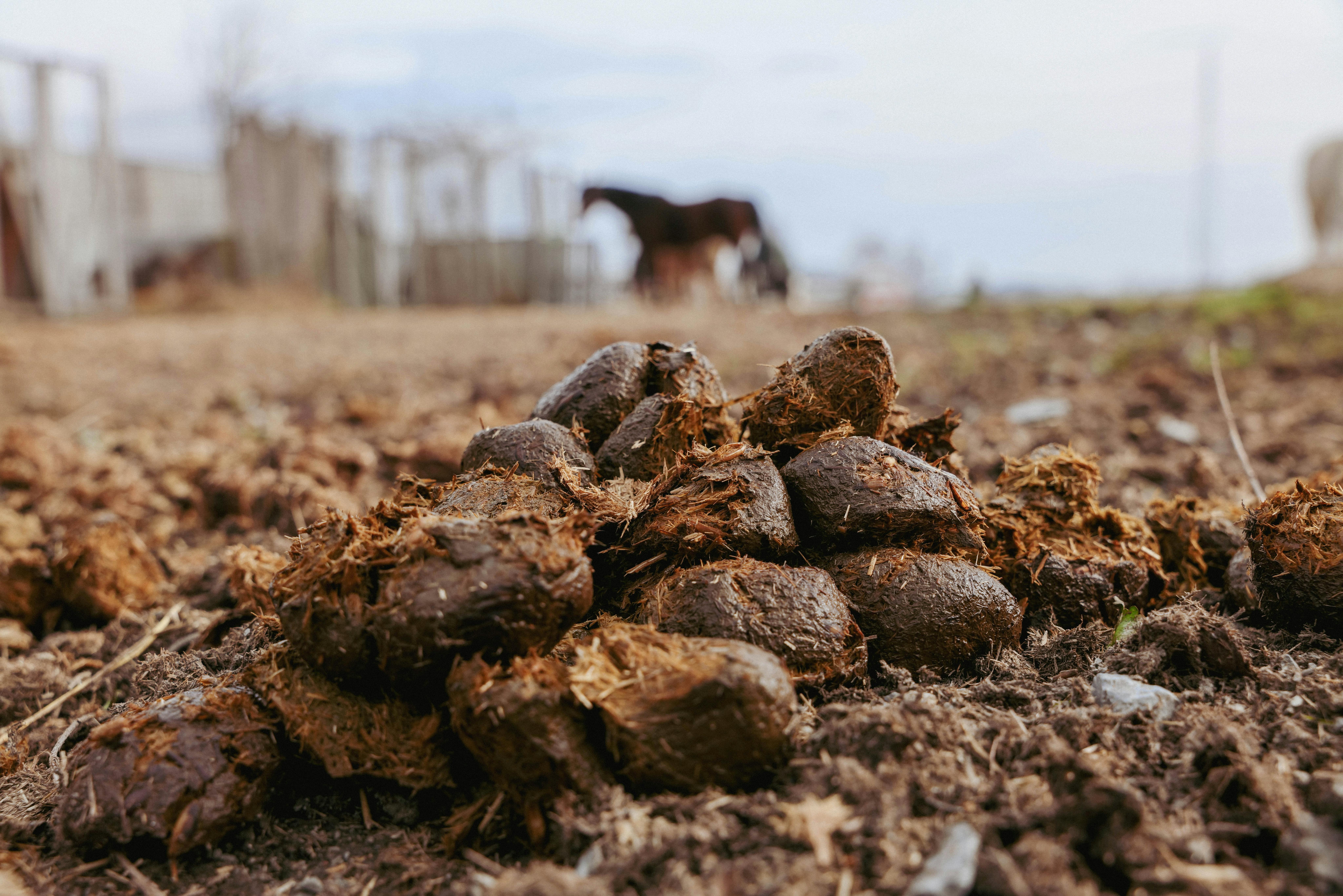
Organic farming in Kenya has gained significant momentum in recent years, driven by both consumer demand for healthier food and farmers' recognition of its environmental and economic benefits. A major pillar of this movement is the emphasis on building robust soil health. Chemical fertilizers, while offering quick nutrient boosts, often degrade soil structure and deplete microbial life over time, leading to diminishing returns and increased susceptibility to pests and diseases.
In contrast, organic manure acts as a slow-release, comprehensive soil amendment that enriches the soil with vital organic matter, improves water retention, and fosters a diverse ecosystem of beneficial microorganisms. Evidence from 2025 KALRO studies highlights that organic manure improves soil structure and microbial health, reducing pest outbreaks by an impressive 30% while cutting input costs by a remarkable 40%. This data underscores the profound impact sustainable practices have on agribusiness growth in Kenya, positioning organic manure as a cornerstone of resilient and profitable farming.
Key Insights & Strategies for Organic Manure Production
Sourcing Local Materials for Composting
The foundation of effective organic manure production lies in the intelligent sourcing and preparation of readily available local materials. Farmers in Kenya have access to a wealth of resources that often go to waste.
- Crop Residues: After harvest, instead of burning or discarding maize stalks, bean husks, banana leaves, and other plant matter, chop them into smaller pieces. This increases their surface area, accelerating decomposition.
- Animal Waste: Manure from cows, goats, chickens, and other livestock is a goldmine of nutrients. Ensure it’s mixed with bedding materials like straw or wood shavings to balance the carbon-to-nitrogen ratio.
- Kitchen Scraps: Vegetable peels, fruit waste, coffee grounds, and food leftovers (avoid meat and dairy to prevent pests and odors) can be integrated into your compost pile, adding valuable organic matter.
- Green Waste: Weeds, grass clippings, and hedge trimmings are excellent nitrogen sources for your compost.
To efficiently process these materials, especially tougher crop residues, consider investing in a Electric Leaf Mulcher Garden Shredder – available on Amazon. This tool significantly reduces the time required for decomposition and improves compost quality.
Mastering Composting Methods: Pit vs. Heap
Choosing the right composting method is crucial for maximizing nutrient retention and producing high-quality manure. Two primary methods are popular: open heaps and pit composting.
- Open Heaps: While simple to start, open heaps are prone to nutrient loss through leaching by rain and volatilization of nitrogen into the atmosphere. They also require more frequent turning and can attract pests if not managed well.
- Pit Composting: Prioritize pit composting vs. open heaps to minimize nutrient loss, as proven in Shamba Journal’s 2024 field trials. Pits provide better insulation, maintain consistent moisture, and protect nutrients from the elements. Dig a pit of about 1 meter deep and 1.5-2 meters wide, layering your organic materials with soil, ash, and occasional water.
- Layering Technique: Alternate layers of 'greens' (nitrogen-rich like fresh manure, green leaves, kitchen scraps) and 'browns' (carbon-rich like dry leaves, straw, wood chips). A good ratio is roughly 2 parts browns to 1 part greens.
- Moisture and Aeration: Keep the pile moist, like a wrung-out sponge, but not waterlogged. Turn the pile regularly (every 1-2 weeks) to introduce oxygen, which is vital for aerobic decomposition and prevents foul odors.
For farmers seeking a robust and contained composting solution, the Redmon Outdoor Compost Bin – available on Amazon offers an excellent way to manage waste efficiently and produce rich compost.
Effective Application Techniques & Timing
Knowing when and how to apply your organic manure is just as important as producing it. Proper application ensures maximum nutrient uptake by crops and improves soil health.
- Timing Applications: Timing applications to match crop growth cycles is key. For most crops, apply manure 2-4 weeks before planting or at the initial stages of growth. This allows nutrients to become available in the soil as plants develop.
- Methods of Application:
- Broadcasting: Spreading manure evenly over the soil surface, then incorporating it through light tillage.
- Band Placement: Applying manure in rows or bands near the plant roots, especially beneficial for row crops.
- Top Dressing: Spreading a thin layer of fine compost around established plants.
- Integration with Mulching: Integrating with mulching for moisture retention is a powerful combination. After applying manure, cover the soil with a layer of organic mulch (straw, dry leaves, wood chips). Mulch helps retain soil moisture, suppress weeds, regulate soil temperature, and slowly adds organic matter as it decomposes.
- Soil pH and Moisture Monitoring: Regularly checking your soil’s pH and moisture levels can guide your manure application and irrigation. The Soil pH and Moisture Meter – available on Amazon is an invaluable tool for precise management.
To delve deeper into creating a truly sustainable farm, explore sustainable organic farming solutions with Biofarm Kenya.
Case Studies: Kenyan Farmers Thriving with Organic Manure
Across Kenya, numerous farmers are demonstrating the tangible benefits of adopting organic manure production and sustainable farming practices. These success stories serve as powerful testaments to the efficacy and profitability of moving away from conventional methods.
One inspiring example is Mama Njeri from Murang'a County, a smallholder farmer who transitioned to exclusively using composted animal manure and crop residues. Initially, she struggled with diminishing yields and high fertilizer costs. After attending local agricultural workshops, she started a simple pit composting system. Within two seasons, her maize yields increased by 25%, and her vegetable plots showed remarkable vigor. She also noted a significant reduction in common pests, attributing it to healthier soil and stronger plants. Her success highlights how local resources, diligently managed, can transform farm productivity.
Another success story involves a cooperative of farmers in Isinya, Kajiado County, who embraced greenhouse farming and integrated organic manure with drip irrigation systems. Faced with arid conditions, water conservation and soil enrichment were paramount. By using well-rotted cattle manure from their livestock and finely shredded crop waste, they achieved robust growth in tomatoes and capsicum, even in challenging environments. This approach not only improved their soil but also enhanced the water-holding capacity, making their drip irrigation highly efficient. Their efforts demonstrate how innovative eco-solutions, combined with organic inputs, can lead to thriving agribusinesses in semi-arid regions.
These examples align with recommendations from the Food and Agriculture Organization of the United Nations (FAO) in Kenya, which consistently advocates for sustainable land management practices and the use of organic inputs to bolster food security and rural livelihoods.
Common Mistakes to Avoid in Organic Manure Production
While the benefits of organic manure are clear, farmers can sometimes stumble into pitfalls that diminish its effectiveness. Being aware of these common mistakes is the first step towards correcting them and ensuring your efforts yield the best results.
Expert Tips & Best Practices for Sustainable Farming
Adopting organic manure production is a significant step towards sustainable agriculture. To truly unlock its full potential and enhance your farm's productivity and resilience, consider these expert tips tailored for the Kenyan context:
For maintaining healthy soil, a robust Outdoor Compost Bin is a crucial investment, streamlining your manure production process.
Ready to transform your farm with these practices? Explore sustainable organic farming solutions with Biofarm Kenya for tools, resources, and expert guidance.
Future Trends in Organic Manure & Sustainable Agriculture in Kenya
Kenya's agricultural sector is poised for significant transformation, with future trends focusing on leveraging technology and ecological principles for enhanced sustainability and productivity. The evolution of organic manure production will also be influenced by these innovations.
These innovations promise to make organic manure production even more effective, efficient, and integrated into modern sustainable farming systems across Kenya.
Conclusion
Embracing organic manure production is a cornerstone of sustainable and profitable farming for Kenyan farmers. By utilizing readily available local resources like crop residues, animal waste, and kitchen scraps, farmers can significantly improve soil health, cut input costs by up to 40%, and reduce pest outbreaks by 30%. The strategic shift to pit composting and thoughtful application techniques, as supported by insights from KALRO and Shamba Journal, are vital for maximizing nutrient retention and crop yield.
Beyond the immediate financial and environmental benefits, investing in organic manure builds long-term soil resilience, fostering a vibrant ecosystem that supports healthier crops and a more sustainable future for agriculture in Kenya. As the sector moves towards smart farming and innovative eco-solutions, the role of well-produced organic manure will only grow in importance.
Discover trusted organic farming tools on Amazon and learn more about sustainable solutions with Biofarm Kenya.
Frequently Asked Questions (FAQs)
1. What is the ideal carbon-to-nitrogen ratio for compost?
The ideal carbon-to-nitrogen (C:N) ratio for composting is generally between 25:1 and 30:1. Too much carbon (brown materials like straw, dry leaves) slows down decomposition, while too much nitrogen (green materials like fresh grass, food scraps) can lead to a smelly, anaerobic pile. Balancing these materials ensures efficient decomposition and a nutrient-rich end product. For more detailed guidance, refer to resources on composting from the Kenya Agricultural and Livestock Research Organization (KALRO).
2. How long does it take to produce usable organic manure?
The time it takes to produce usable organic manure can vary significantly depending on the composting method, materials used, and management. Hot composting (regular turning and proper moisture) can yield compost in 3-4 weeks, while passive or cold composting may take several months to a year. Using a garden shredder for smaller pieces and maintaining optimal conditions can accelerate the process.
3. Can organic manure reduce the need for pesticides?
Yes, organic manure can significantly reduce the need for pesticides. By enriching the soil with organic matter and fostering a diverse microbial ecosystem, it creates healthier, more vigorous plants that are naturally more resistant to pests and diseases. The prompt states that KALRO studies show a 30% reduction in pest outbreaks, supporting this claim. Additionally, beneficial microorganisms in the soil can suppress harmful pathogens. Find more information on integrated pest management through Biofarm Kenya's sustainable solutions.
4. Is pit composting always better than open heap composting?
Generally, yes, pit composting is considered superior to open heap composting, especially in regions prone to heavy rains or intense sun. Pit composting helps minimize nutrient loss from leaching and evaporation, maintains more consistent temperatures, and reduces the likelihood of pests. The prompt mentions Shamba Journal’s 2024 field trials proving pit composting minimizes nutrient loss. For practical setup guides, consider resources from the National Environment Management Authority (NEMA) on waste management.
5. How does organic manure improve soil structure and water retention?
Organic manure improves soil structure by binding soil particles together, forming stable aggregates. This creates larger pore spaces, enhancing aeration and allowing water to infiltrate and drain more effectively. Simultaneously, organic matter acts like a sponge, dramatically increasing the soil's water-holding capacity. This means your soil can retain moisture for longer periods, crucial for plant growth, particularly during dry spells. Learn more about soil health management at Biofarm Kenya's soil health hub.
6. What local resources are best for making nitrogen-rich organic manure?
For nitrogen-rich organic manure, prioritize fresh animal waste (cow, goat, chicken manure), fresh green plant materials (grass clippings, young weeds, leafy vegetable scraps), and leguminous plant residues. These 'green' materials are crucial for providing the nitrogen needed for microbial activity and creating a balanced fertilizer. Always mix these with 'brown' carbon-rich materials for optimal composting. Consider using a compost bin to efficiently manage these inputs. For additional resources on local agricultural practices, visit the Ministry of Agriculture, Livestock, Fisheries and Cooperatives (MoALFC) website.
Optimize your farm planning with Biofarm Kenya.
Discover Biofarm Kenya's expert crop management strategies.
Effective organic pest control solutions from Biofarm Kenya.
Learn about sustainable water management with Biofarm Kenya.
Access more Biofarm Kenya farming resources.
Estimated Reading Time: 11 minutes
TL;DR: Kenyan farmers can significantly reduce costs and improve farm health by producing organic manure from local waste. This guide offers practical steps for composting crop residues, animal waste, and kitchen scraps. Backed by 2025 KALRO studies, organic manure improves soil structure and microbial health, cutting input costs by 40% and reducing pest outbreaks by 30%. Prioritize pit composting over open heaps to minimize nutrient loss, as proven in Shamba Journal’s 2024 field trials, and integrate with mulching for enhanced moisture retention.
Key Takeaways:
- Master pit composting techniques to transform farm and household waste into nutrient-rich organic manure, minimizing nutrient loss.
- Apply organic manure strategically, timing applications to align with specific crop growth stages for optimal nutrient absorption and yield improvement.
- Integrate mulching with organic manure application to create a synergistic effect, maximizing soil moisture retention, suppressing weeds, and fostering beneficial soil microbial activity.
- Invest in foundational tools like soil testing kits and organic waste shredders to enhance the quality of your manure and improve overall farm management efficiency.
- Leverage organic practices to cultivate resilient soil ecosystems, naturally control agricultural pests, and achieve substantial reductions in farming input costs, leading to greater profitability.
Table of Contents
- Introduction
- Background & Context of Sustainable Agriculture in Kenya
- Key Insights & Strategies for Organic Manure Production
- Sourcing and Preparing Local Materials for Composting
- Mastering Composting Methods: Pit vs. Heap for Maximum Efficiency
- Effective Application Techniques & Optimal Timing for Nutrient Uptake
- Case Studies: Kenyan Farmers Thriving with Organic Manure
- Common Mistakes to Avoid in Organic Manure Production & Application
- Expert Tips & Best Practices for Sustainable Farming in Kenya
- Future Trends in Organic Manure Production & Sustainable Agriculture in Kenya
- Conclusion
- Frequently Asked Questions (FAQs)
Introduction
The backbone of Kenya's economy, agriculture, faces multifaceted challenges ranging from fluctuating climate patterns and soil degradation to the ever-increasing cost of synthetic farm inputs. In response to these pressing issues, Kenyan farmers are increasingly seeking affordable, sustainable alternatives to expensive chemical fertilizers. This guide stands as a comprehensive resource, training farmers to produce and apply organic manure using local resources like crop residues, animal waste, and kitchen scraps. This shift not only promises to rejuvenate our precious farmlands but also empowers farmers with economic independence.
The move towards organic manure is a strategic investment in the long-term health and productivity of Kenya's agricultural sector. It’s about building a resilient farming system that thrives on ecological balance, reducing dependency on external and often environmentally harmful inputs. Key steps include mastering composting techniques for nitrogen-rich mixtures, timing applications to match crop growth cycles, and integrating with mulching for superior moisture retention. This article will unpack these essential practices, offering actionable insights for every farmer committed to sustainable and prosperous agriculture.
Background & Context of Sustainable Agriculture in Kenya
Sustainable agriculture is no longer a niche concept in Kenya; it's a rapidly expanding movement driven by compelling environmental and economic imperatives. The widespread adoption of organic farming methods underscores a growing national awareness of soil health as the bedrock of productive land. Decades of reliance on synthetic fertilizers have often stripped Kenyan soils of their natural vitality, leading to compaction, reduced water infiltration, and a decline in beneficial microbial populations. This degradation directly impacts crop yields and increases the vulnerability of plants to pests and diseases, creating a vicious cycle of increased input use.
Organic manure offers a powerful antidote to these challenges. It acts as a holistic soil conditioner, slowly releasing a broad spectrum of macro and micronutrients essential for plant growth. Crucially, it infuses the soil with organic matter, which is vital for improving soil structure, enhancing water retention, and fostering a thriving community of earthworms, bacteria, and fungi. These microorganisms are the silent workforce of a healthy farm, breaking down organic matter, cycling nutrients, and even suppressing plant pathogens. Evidence from 2025 KALRO studies provides compelling data: organic manure not only improves soil structure and microbial health but also leads to a remarkable reduction in pest outbreaks by 30% while simultaneously cutting input costs by 40%. These findings solidify organic manure as a central pillar of resilient agribusiness growth and food security across Kenya, offering a practical pathway to more profitable and ecologically sound farming.
Key Insights & Strategies for Organic Manure Production
Sourcing and Preparing Local Materials for Composting
The journey to rich organic manure begins with recognizing the value in what might otherwise be considered waste. Kenyan farms, households, and communities generate an abundance of organic materials perfect for composting. Successfully transforming these into a valuable resource requires understanding their composition and proper preparation.
- Crop Residues: After harvesting maize, beans, potatoes, or bananas, do not burn the stalks, husks, or leaves. These agricultural byproducts are rich in carbon and bulk. For effective composting, they must be broken down. Chopping residues into smaller pieces (ideally 15-30 cm) dramatically increases their surface area, allowing microorganisms to work faster. For farmers managing larger volumes or tougher materials like woody stems, an investment in an Electric Leaf Mulcher Garden Shredder – available on Amazon can be a game-changer, accelerating the decomposition process and producing a finer, more uniform compost.
- Animal Waste: Manure from livestock such as cattle, goats, sheep, and poultry is a potent source of nitrogen, phosphorus, and potassium. Different manures have varying nutrient profiles; for instance, chicken manure is generally richer in nitrogen. Always mix fresh manure with bedding materials like straw or wood shavings to absorb excess moisture and balance the carbon-to-nitrogen ratio, preventing strong odors and nutrient loss.
- Kitchen Scraps: Everyday kitchen waste—vegetable peels, fruit rinds, coffee grounds, tea bags—provides valuable nitrogen and moisture. Avoid adding meat, dairy products, or oily foods to your compost pile, as these can attract pests and create anaerobic conditions that lead to foul smells.
- Green Waste: Weeds (before they go to seed), grass clippings, and hedge trimmings are excellent 'green' materials, contributing significant nitrogen. Ensure weeds are thoroughly decomposed to prevent their spread.
By systematically collecting and preparing these diverse local resources, farmers can build a strong foundation for high-quality organic manure, reducing reliance on external inputs and fostering a circular economy on their farm.
Mastering Composting Methods: Pit vs. Heap for Maximum Efficiency
The choice of composting method profoundly impacts the quality and efficiency of organic manure production. While open heaps are a traditional approach, optimizing for nutrient retention and speed often points towards more structured methods.
- Open Heaps: These are the simplest to initiate, involving piling organic materials directly on the ground. However, open heaps are highly susceptible to nutrient loss. Rain can leach away soluble nutrients, while direct sun exposure can lead to rapid drying and volatilization of nitrogen. They also offer less control over temperature and moisture, making them slower and more prone to attracting pests if not meticulously managed.
- Pit Composting: Prioritize pit composting vs. open heaps to minimize nutrient loss, as proven in Shamba Journal’s 2024 field trials. Pits provide several advantages:
- Nutrient Retention: Being underground, pits protect the composting materials from direct sun and heavy rains, significantly reducing nutrient leaching and volatilization.
- Moisture & Temperature Control: The earth acts as a natural insulator, maintaining more consistent moisture and temperature levels, which are crucial for optimal microbial activity and faster decomposition.
- Pest Deterrence: Covered pits are less accessible to pests compared to open heaps. To construct a pit, dig a hole approximately 1 meter deep, 1.5-2 meters wide, and 2-3 meters long, depending on your material volume. Layer your organic materials, ensuring a balance of 'greens' and 'browns,' incorporating thin layers of soil or ash between them, and moistening each layer. Covering the pit with a lid or thick layer of soil further enhances its efficiency. For reliable, contained composting, a sturdy Redmon Outdoor Compost Bin – available on Amazon can serve as an excellent alternative, offering convenience and efficiency, especially for smaller farms or specific material types.
- Layering Technique: Regardless of the method, effective layering is crucial. Alternate layers of nitrogen-rich 'greens' (e.g., fresh manure, grass clippings) and carbon-rich 'browns' (e.g., dry leaves, straw). A general guideline is two parts browns to one part greens.
- Moisture and Aeration: The compost pile should feel like a wrung-out sponge – moist but not soggy. Turn the pile regularly (every 1-2 weeks for hot composting) to introduce oxygen. Proper aeration prevents anaerobic conditions, which cause unpleasant odors and slow down decomposition.
Effective Application Techniques & Optimal Timing for Nutrient Uptake
Producing excellent organic manure is only half the battle; knowing how and when to apply it is equally critical for maximizing its benefits to your crops and soil. Strategic application ensures that plants receive nutrients when they need them most, promoting robust growth and high yields.
- Timing Applications: Timing applications to match crop growth cycles is paramount for optimal nutrient uptake. For most annual crops, apply well-rotted manure 2-4 weeks before planting, allowing soil microorganisms to further break down nutrients into plant-available forms. For established perennial crops like fruit trees, apply manure at the beginning of their active growth phase or after harvesting to replenish nutrients. Avoid applying fresh manure directly to young plants, as its high nitrogen content can burn delicate roots.
- Methods of Application:
- Broadcasting: Spreading manure evenly over the soil surface, then incorporating it into the top few inches of soil using a rake, hoe, or light tillage. This method works well for preparing entire garden beds or fields.
- Band Placement: Applying manure in concentrated strips or bands alongside crop rows. This method targets nutrients directly to the root zone, reducing waste and making it particularly efficient for row crops.
- Top Dressing: Spreading a thin layer of fine, mature compost around the base of established plants. This acts as a slow-release fertilizer and also helps to suppress weeds and conserve soil moisture.
- Compost Tea: Steeping finished compost in water to create a liquid fertilizer. This can be applied directly to plants as a foliar spray or soil drench, providing a quick nutrient boost and beneficial microbes.
- Integration with Mulching: Integrating with mulching for moisture retention is a synergistic strategy that amplifies the benefits of organic manure. After applying manure, cover the soil with a 5-10 cm layer of organic mulch (e.g., straw, dry leaves, wood chips, or even coarse crop residues). Mulch significantly reduces water evaporation, keeps soil temperatures more stable, suppresses weed growth, and as it decomposes, further contributes organic matter to the soil. This combination creates an ideal microclimate for soil life and plant roots.
- Soil pH and Moisture Monitoring: Regular monitoring of your soil’s pH and moisture levels is crucial for informed decision-making. These parameters influence nutrient availability and microbial activity. A simple yet effective tool like a Soil pH and Moisture Meter – available on Amazon can provide immediate readings, helping you fine-tune your application rates and irrigation schedules. Understanding your soil prevents both under and over-application, ensuring resources are used efficiently.
To delve deeper into creating a truly sustainable and productive farm, explore sustainable organic farming solutions with Biofarm Kenya. Our experts can provide tailored advice and resources to optimize your organic manure program.
Case Studies: Kenyan Farmers Thriving with Organic Manure
The real-world success of Kenyan farmers adopting organic manure production techniques serves as the most compelling evidence of its transformative potential. These stories highlight how practical application of sustainable principles translates into tangible economic and ecological benefits, inspiring others to follow suit.
One such success story is that of Mr. Kamau, a small-scale vegetable farmer in Limuru, Kiambu County. For years, Mr. Kamau battled rising chemical fertilizer costs and declining soil fertility, especially in his kale and cabbage plots. Inspired by a Biofarm Kenya field day, he transitioned to pit composting, meticulously layering his dairy cow manure with Napier grass and kitchen scraps. Within two seasons, his soil became noticeably darker, more friable, and retained moisture far better. His vegetable yields increased by over 20%, and he observed a dramatic reduction in aphid infestations, which he attributed to stronger, healthier plants. Mr. Kamau now sells his surplus organic produce at a premium in local markets, showcasing how organic methods enhance both yield and market value.
Further south, in the arid regions of Makueni County, a women's cooperative has revolutionized their farming through integrated organic practices and greenhouse technology. Faced with harsh climatic conditions and scarce water, they adopted robust water harvesting techniques alongside the systematic production of organic manure. By enriching their greenhouse soils with well-rotted goat and chicken manure, blended with indigenous tree leaves and crop residues, they've managed to cultivate high-value crops like tomatoes and capsicum with remarkable success. The organic matter in their soil significantly improved water holding capacity, making their limited drip irrigation resources go much further. This innovative approach, combining eco-friendly farming with appropriate technology, has not only ensured food security for their families but also created a sustainable income stream for the community.
These inspiring examples align with the long-standing advocacy of the Food and Agriculture Organization of the United Nations (FAO) in Kenya, which consistently promotes sustainable land management and the judicious use of organic inputs as critical strategies for bolstering national food security and uplifting rural livelihoods. Furthermore, research from institutions like the University of Nairobi's Faculty of Agriculture frequently highlights the positive impacts of such farmer-led innovations on local agricultural resilience.
Common Mistakes to Avoid in Organic Manure Production & Application
While the path to producing and applying organic manure is relatively straightforward, certain missteps can hinder its effectiveness, leading to wasted effort and suboptimal results. Recognizing and rectifying these common errors is crucial for any Kenyan farmer committed to sustainable practices.
Expert Tips & Best Practices for Sustainable Farming in Kenya
Beyond the fundamental principles of organic manure production, seasoned farmers and agricultural experts offer additional insights to maximize the benefits and streamline sustainable farming practices in the unique Kenyan environment.
For maintaining healthy soil and optimizing your composting efforts, a robust Outdoor Compost Bin is a crucial investment, streamlining your manure production process and ensuring consistency.
Ready to transform your farm with these advanced practices and tap into a wealth of resources? Explore sustainable organic farming solutions with Biofarm Kenya for tools, resources, and expert guidance tailored to your specific needs.
Future Trends in Organic Manure Production & Sustainable Agriculture in Kenya
Kenya's agricultural sector is on the cusp of a technological and ecological revolution. Future trends will increasingly merge traditional organic practices with cutting-edge innovations to enhance sustainability, efficiency, and productivity. The landscape of organic manure production will evolve significantly within this exciting trajectory.
These converging innovations promise to make organic manure production an even more effective, scientifically supported, and integrated component of modern, sustainable farming systems across Kenya, driving both ecological regeneration and economic prosperity.
Conclusion
The journey towards unlocking significant farm savings and cultivating healthier, more resilient crops for Kenyan farmers unequivocally begins with embracing organic manure production. By diligently utilizing readily available local resources—from crop residues and animal waste to kitchen scraps—farmers can initiate a transformative cycle that benefits both their land and their livelihoods. The strategic adoption of efficient techniques like pit composting, as well as thoughtful application timed to crop growth cycles, is crucial for maximizing nutrient retention and ensuring bountiful harvests. As highlighted by 2025 KALRO studies, this approach not only drastically improves soil structure and microbial health but also remarkably cuts input costs by 40% and reduces pest outbreaks by 30%, solidifying its status as a superior farming method.
Beyond the immediate financial and environmental benefits, investing in organic manure builds profound, long-term soil resilience. It fosters a vibrant subterranean ecosystem that supports stronger, more productive crops, paving the way for a truly sustainable and profitable future for agriculture across Kenya. As the sector continues to evolve with smart farming technologies and innovative eco-solutions, the foundational role of well-produced organic manure will only grow in importance, securing a legacy of fertility for generations to come.
Discover trusted organic farming tools and equipment on Amazon, and for more comprehensive guidance and resources, learn more about sustainable solutions with Biofarm Kenya.
Frequently Asked Questions (FAQs)
1. What is the ideal carbon-to-nitrogen ratio for compost and why is it important?
The ideal carbon-to-nitrogen (C:N) ratio for efficient composting typically falls between 25:1 and 30:1. This ratio is crucial because it directly influences the activity of the microorganisms responsible for decomposition. If the ratio is too high (too much carbon, like dry straw or wood chips), decomposition will be very slow because microorganisms lack sufficient nitrogen for their metabolic processes. Conversely, if the ratio is too low (excess nitrogen, like fresh grass clippings or purely fresh manure), nitrogen can be lost as ammonia gas, resulting in a smelly pile and reduced nutrient value. Achieving the correct balance ensures rapid, odor-free decomposition and a nutrient-rich final product. For more detailed guidance on balancing compost inputs, refer to agricultural resources from the Kenya Agricultural and Livestock Research Organization (KALRO).
2. How long does it typically take to produce usable organic manure in Kenya's climate?
The time required to produce usable organic manure in Kenya's climate varies depending on the composting method, materials used, and management. With 'hot composting' methods, which involve regular turning, proper moisture, and balanced C:N ratios, finished compost can be ready in as little as 3-4 weeks. However, 'cold' or passive composting, where materials are simply piled and left, can take several months to a year. Using techniques like shredding materials (e.g., with an Electric Leaf Mulcher Garden Shredder) and maintaining optimal moisture and aeration significantly accelerates the process. Kenya's warm temperatures can often aid faster decomposition, provided moisture is consistently managed.
3. Can organic manure truly reduce the need for chemical pesticides on my farm?
Absolutely. Organic manure plays a significant role in reducing the reliance on chemical pesticides by fostering a naturally resilient farm ecosystem. By enriching the soil with organic matter, it improves soil structure, enhances water retention, and cultivates a diverse community of beneficial microorganisms. These microbes compete with and suppress harmful plant pathogens in the soil. Furthermore, healthy, well-nourished plants grown in biologically active soil are inherently stronger and more resistant to pests and diseases, much like a healthy human body resists illness. The prompt highlights that 2025 KALRO studies demonstrate organic manure reducing pest outbreaks by 30%. This natural pest control mechanism leads to healthier crops and a safer environment. Find more information on integrated pest management through Biofarm Kenya's sustainable solutions.
4. Why is pit composting often recommended over open heap composting for nutrient retention?
Pit composting is generally superior to open heap composting, especially in diverse climates like Kenya's, due to its ability to significantly minimize nutrient loss. As proven in Shamba Journal’s 2024 field trials, pit composting reduces nutrient leaching caused by heavy rainfall and nutrient volatilization from direct sun exposure, both common issues with open heaps. The insulated environment of a pit helps maintain more consistent moisture and temperature, creating optimal conditions for microbial activity that efficiently breaks down organic matter. This protection ensures that valuable nutrients remain within the composting material, leading to a richer and more effective organic manure. For guidance on appropriate waste management techniques, resources from the National Environment Management Authority (NEMA) are highly valuable.
5. How does the application of organic manure directly improve soil structure and water retention?
Organic manure dramatically improves soil structure by providing the raw materials for humus formation. Humus acts as a powerful binding agent, aggregating individual soil particles into larger, more stable clumps. This creates a crumbly, porous soil structure with increased pore spaces, which enhances aeration and allows water to infiltrate and drain more efficiently. Simultaneously, the organic matter itself behaves like a sponge, significantly boosting the soil's water-holding capacity. This means your soil can absorb and retain more moisture, making it available to plants for longer periods, which is critical for crop resilience, especially during dry spells or erratic rainfall patterns. Learn more about comprehensive soil health management at Biofarm Kenya's soil health hub.
6. What local resources are best for making nitrogen-rich organic manure, and how should they be managed?
For making nitrogen-rich organic manure, prioritize local 'green' materials abundantly found on Kenyan farms and homesteads. These include fresh animal waste (especially chicken, cow, and goat manure), fresh green plant materials (like grass clippings, young weeds, leafy vegetable scraps, and green prunings), and residues from leguminous plants (such as bean or pea vines). To manage these effectively:
Optimize your farm planning with Biofarm Kenya.
Discover Biofarm Kenya's expert crop management strategies.
Learn about sustainable water management with Biofarm Kenya.




0 Comments