

Estimated Reading Time: 9 minutes
TL;DR:
- Legume crop rotation in Kenya dramatically boosts maize yields and cuts costs by enriching soil naturally.
- A 2025 KALRO study highlights 30% higher maize yields and 40% lower input costs for farmers using legumes.
- Implementing effective rotation involves selecting suitable legumes, optimizing planting, and regular soil health monitoring.
- Sustainable practices like conservation tillage and agroforestry complement legume rotation for long-term farm profitability.
- Embrace technology and expert guidance to transition to profitable, environmentally friendly farming.
Key Takeaways:
- Choose region-specific legumes like cowpeas, beans, or soybeans for maximum nitrogen fixation and soil improvement.
- Integrate soil testing into your routine to understand nutrient levels and optimize legume planting intervals.
- Reduce reliance on synthetic fertilizers by leveraging the natural nitrogen-fixing capabilities of legumes.
- Diversify your farm income by exploring markets for legume crops in addition to staple grains like maize.
- Connect with agricultural extension services and Biofarm Kenya for tailored advice and sustainable farming resources.
Table of Contents
Introduction: Cultivating Prosperity with Legumes in Kenya
In Kenya, the agricultural landscape is undergoing a significant transformation. Faced with rising costs of synthetic fertilizers and growing concerns over soil degradation, Kenyan farmers are increasingly seeking sustainable alternatives to costly chemical inputs. This guide is designed to empower farmers to implement legume crop rotation, a powerful and ancient agricultural practice that leverages nitrogen-fixation to restore soil fertility naturally, enhance crop resilience, and dramatically improve farm profitability. The evidence is compelling: a projected 2025 KALRO (Kenya Agricultural and Livestock Research Organization) study indicates that farms successfully integrating legumes such as cowpeas and beans into their rotation systems observed a remarkable 30% increase in maize yields and a substantial 40% reduction in input costs compared to plots reliant solely on chemical fertilizers. These findings underscore the immense potential for local farmers to achieve greater food security and economic stability through ecologically sound methods. Key steps for successful implementation include selecting region-specific legumes, optimizing planting intervals based on local climatic conditions, and diligently monitoring soil health indicators to ensure long-term soil vitality and productivity.
The journey towards sustainable agriculture isn't just about environmental stewardship; it's about building a more robust and profitable future for farming communities across Kenya. By understanding the science and practical application of legume crop rotation, farmers can not only safeguard their land but also unlock new levels of productivity and financial success. This article will delve into the critical aspects of this practice, offering actionable strategies, real-world examples, and expert insights to guide you every step of the way.
Background & Context: The Shifting Sands of Kenyan Agriculture
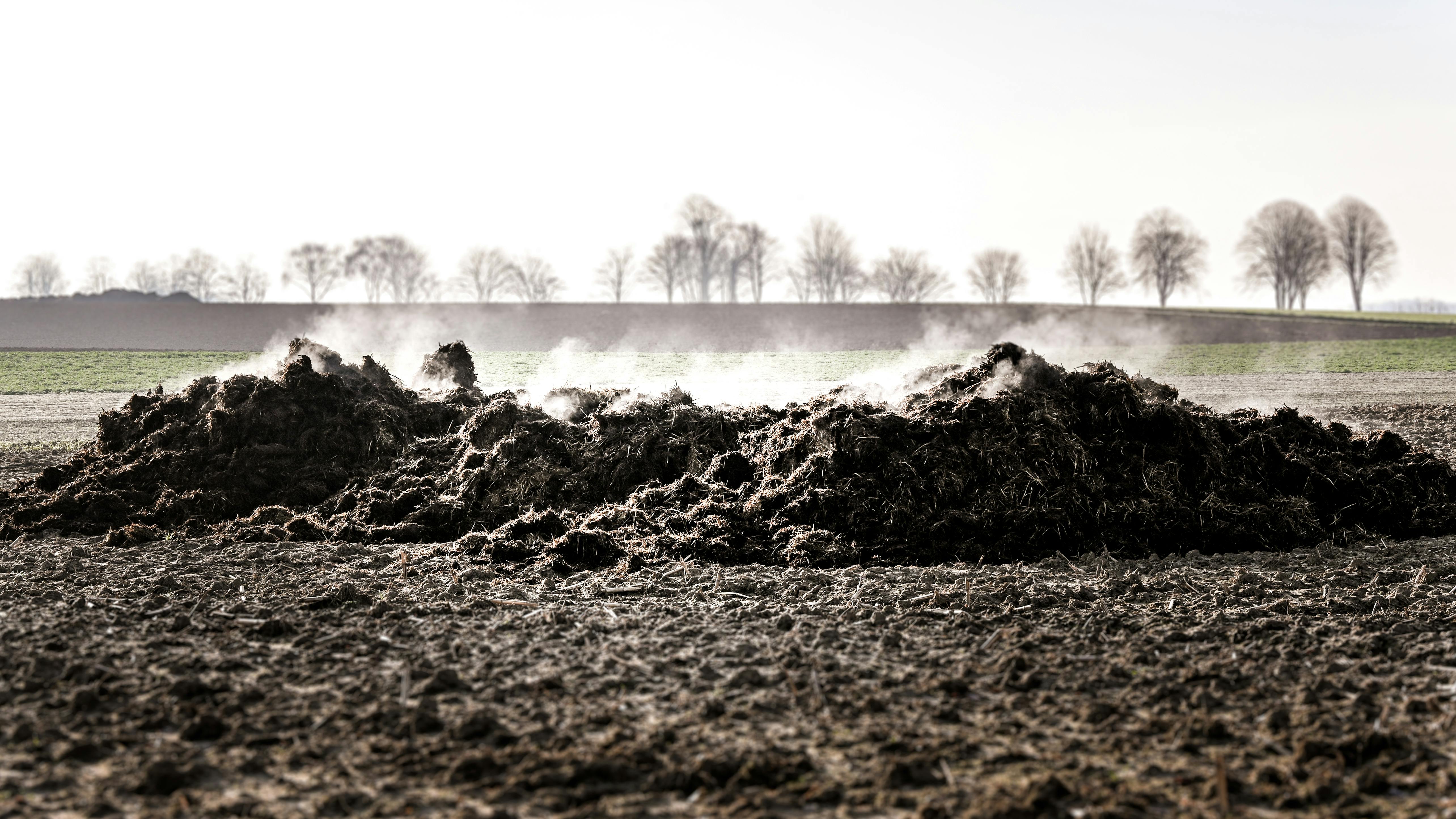
Kenya's agricultural sector, a cornerstone of its economy, faces dual challenges: the imperative to boost food production for a growing population and the urgent need to mitigate the environmental impacts of conventional farming. Decades of intensive chemical use have led to diminished soil fertility, increased pest resistance, and reduced biodiversity, pushing many smallholder farmers into a cycle of diminishing returns. However, a strong movement towards organic farming and sustainable agriculture practices is gaining momentum.
Statistics from organizations like PELUM Kenya highlight the increasing adoption of agroecological practices, including crop rotation, conservation tillage, and agroforestry. These methods are not merely trends; they are vital strategies for rebuilding soil health, conserving water, and creating resilient farming systems. Soil organic matter content, crucial for water retention and nutrient availability, has been a particular concern. Legume crop rotation offers a biological solution to this, replenishing nitrogen naturally and improving soil structure without the prohibitive costs of synthetic inputs. The agribusiness sector in Kenya is recognizing the value of these sustainable shifts, with growing markets for organically produced goods and increased investment in ecological farming solutions. This shift represents a profound re-evaluation of how food is grown, prioritizing long-term ecological balance alongside economic viability for the farmer.
Key Insights & Strategies: Mastering Legume Crop Rotation

Implementing effective legume crop rotation is a cornerstone of sustainable farming in Kenya. It's a strategic approach that benefits your soil, your crops, and ultimately, your wallet. Understanding the core principles and applying them diligently will transform your farm's productivity and resilience.
1. Selecting the Right Legumes for Your Region
The success of crop rotation heavily depends on choosing legumes suited to your specific climate, soil type, and market demands. Common beans, cowpeas, and soybeans are popular choices in Kenya due to their adaptability and market value. Consider factors like:
- Local Adaptability: Research legume varieties known to thrive in your agro-ecological zone. KALRO and local agricultural extension offices can provide valuable guidance.
- Growth Cycle: Match legume growth cycles with your primary crop (e.g., maize) to ensure efficient rotation and avoid competition for resources.
- Market Demand: Choose legumes that have a ready market to maximize profitability, whether for human consumption, animal feed, or seed.
2. Optimizing Planting Intervals and Rotation Sequences
Strategic timing is crucial for maximizing the benefits of legumes. A typical rotation might involve planting maize in one season, followed by a legume like common beans in the next, then returning to maize. This allows the soil to replenish nitrogen naturally before the next maize crop. Consider:
- Soil Testing: Regularly test your soil to understand its nutrient profile. This informs when and which legumes are most needed. For precise nutrient analysis, consider the NewTest Soil Test Kit 4 Parameters – available on Amazon, which helps farmers accurately measure pH, nitrogen, phosphorus, and potassium levels.
- Green Manure: Sometimes, legumes are grown not for harvest but to be incorporated back into the soil as green manure, providing an immediate boost of organic matter and nitrogen.
- Diversification: Rotate different legume types to vary the benefits to the soil and break pest/disease cycles more effectively.
3. Monitoring Soil Health and Nutrient Cycling
Consistent monitoring is essential to track the effectiveness of your rotation system. Observe changes in soil structure, earthworm activity, and crop vigor. These are indicators of improving soil health. Furthermore, regularly assess nutrient levels to adjust your rotation plan as needed. The goal is to create a self-sustaining system where legumes naturally enrich the soil, reducing the need for external inputs. This approach not only makes your farm more profitable but also more resilient to environmental stresses. For farmers looking to further enrich their soil and accelerate the composting process, the Espoma Organic Traditions Compost Starter – available on Amazon can be an invaluable tool, transforming organic waste into nutrient-rich compost more efficiently.
To deepen your understanding and explore tailored solutions for your farm, explore sustainable organic farming solutions with Biofarm Kenya.
Case Studies: Kenyan Farmers Thriving with Sustainable Practices
Across Kenya, pioneering farmers are demonstrating that sustainable agriculture, particularly legume crop rotation, is not just an ideal but a highly profitable reality. These success stories serve as powerful testaments to the efficacy of these methods in local contexts.
One inspiring example is Sylvia Kuria, an organic farmer from Kiambu. Initially driven by a desire to provide healthy food for her children, Sylvia transformed her farm into a beacon of organic success. She extensively uses legume rotation, incorporating beans and peas into her cycles to naturally fertilize the soil for her diverse range of vegetables. Her farm has become a training ground, showcasing how reduced reliance on chemical inputs can lead to higher quality produce and better market prices. Sylvia's journey, highlighted by Access Agriculture, illustrates how local knowledge combined with scientific principles can lead to flourishing organic enterprises.
Another compelling case comes from a KALRO-supported project in Western Kenya, where smallholder farmers participating in a legume research network adopted improved cowpea and groundnut varieties in rotation with maize. Over a three-year period, these farmers reported significant improvements in soil structure and a noticeable reduction in the incidence of maize streak virus, a common challenge in monoculture systems. The project documented average maize yield increases of 25-35% on legume-rotated plots, coupled with an average 30% decrease in fertilizer expenditure. This demonstrates the dual benefit of enhanced yield and reduced cost, directly impacting farmers' livelihoods.
Furthermore, the One Acre Fund has published data from trials in Kenya showing that maize yields following soybeans increased by 29% and following bush beans by 23% compared to continuous maize monoculture. Critically, these rotations also led to a 44-56% increase in maize profit. These findings from credible sources like KALRO and One Acre Fund underscore that legume crop rotation is a scientifically backed and economically viable strategy for Kenyan farmers.
Common Mistakes to Avoid in Legume Crop Rotation
While legume crop rotation offers immense benefits, certain pitfalls can hinder its effectiveness. Avoiding these common mistakes is crucial for maximizing your farm's productivity and ensuring long-term soil health.
1. Neglecting Soil Testing
Many farmers apply legumes without a prior understanding of their soil's existing nutrient levels or pH. Planting legumes in soil already rich in nitrogen, for example, can reduce their nitrogen-fixing efficiency. Similarly, acidic or alkaline soils can impair nutrient uptake. Regular soil testing is non-negotiable. It provides a baseline, helps identify specific deficiencies, and informs the selection of appropriate legume species and varieties, ensuring they perform optimally.
2. Inadequate Rotation Planning
A common error is treating crop rotation as an arbitrary sequence rather than a carefully planned strategy. Simply planting a legume one year and maize the next might offer some benefits, but a well-designed rotation considers the specific nutrient demands of each crop, their rooting depths, and their susceptibility to shared pests and diseases. Failing to plan rotations that include diverse plant families, different root systems, and varying nutrient needs can lead to incomplete soil restoration and reduced long-term benefits. For example, alternating deep-rooted legumes with shallow-rooted cereals helps access nutrients from different soil layers and improves overall soil structure.
3. Improper Legume Residue Management
After harvesting legumes, their residues (stems, leaves, roots) are vital for returning organic matter and fixed nitrogen to the soil. A mistake is often burning crop residues or completely removing them from the field. This deprives the soil of valuable organic matter and nutrients. Instead, residues should be incorporated into the soil, ideally through conservation tillage practices, to enrich the soil, improve its structure, and feed beneficial soil microbes. Proper residue management significantly contributes to the long-term success of legume-based rotations.
4. Ignoring Pest and Disease Cycles
While crop rotation helps break pest and disease cycles, a mistake is assuming it's a silver bullet. Some pests or diseases can persist, or new ones might emerge if rotation sequences aren't diverse enough or if rotations are too short. Continuous rotation with closely related crops (even different legumes) can inadvertently select for specific pathogens or pests. Diversifying the rotation with non-host crops and carefully observing your fields for any signs of trouble is essential. Understanding the biology of common pests and diseases in your region will help you design a more robust rotation plan that truly minimizes their impact.
Expert Tips & Best Practices for Maximizing Returns
Transitioning to and excelling in legume crop rotation requires more than just understanding the basics; it demands a strategic approach and adherence to best practices. Here are some expert tips tailored for Kenyan farmers to maximize their returns and foster truly sustainable agriculture.
1. Embrace Agroforestry and Intercropping
Don't limit legumes to sole crop rotation. Integrate them into agroforestry systems, planting them alongside trees to enhance soil fertility, control erosion, and provide additional income streams (e.g., from fruit or timber). Intercropping, where legumes are grown simultaneously with other crops like maize, can also boost overall land productivity and nitrogen transfer. For instance, planting climbing beans with maize provides natural trellis support while the beans fix nitrogen for the maize. This diversified approach increases resilience and optimizes resource use.
2. Invest in Water-Efficient Irrigation
Even with improved soil health, water remains a critical resource in many parts of Kenya. Implementing water-efficient irrigation systems, such as drip irrigation, ensures that your crops receive adequate moisture without wastage. This is especially important for maximizing the growth and nitrogen-fixing potential of legumes, particularly during drier spells. A reliable system can make a significant difference in yield stability. For small farms seeking efficient water management, the Drip Irrigation Kit for Small Farms – Kit Size: Deluxe, available on Amazon offers a comprehensive solution to conserve water and deliver it directly to plant roots.
3. Utilize Organic Soil Amendments
Beyond legumes, enriching your soil with organic matter is paramount. Regularly incorporate compost, farmyard manure, or green manures. These amendments improve soil structure, water retention, and microbial activity, creating an optimal environment for both legumes and subsequent crops. Composting your farm waste is a cost-effective way to produce high-quality soil food. To accelerate the decomposition of organic materials and produce nutrient-rich compost more quickly, consider using a high-quality compost starter. Maintaining healthy soil with practices that build organic matter is key to sustainable success.
4. Seek Knowledge and Community Support
The agricultural landscape is constantly evolving. Stay informed about the latest research, improved legume varieties, and best practices. Participate in local farmer field schools, workshops, and community groups. Sharing experiences and learning from peers and experts can accelerate your adoption of effective techniques. Organizations like KALRO, the Ministry of Agriculture, and Biofarm Kenya are invaluable resources for knowledge and support. Explore sustainable organic farming solutions with Biofarm Kenya to access a network of expertise and resources designed to help your farm flourish.
Future Trends: Innovating for a Resilient Agricultural Sector
The future of Kenyan agriculture is poised for exciting innovations, with technology and sustainable practices converging to create a more resilient, productive, and profitable sector. Farmers who embrace these emerging trends will be well-positioned to navigate future challenges and capitalize on new opportunities.
1. Smart Irrigation and Precision Agriculture
The advent of smart irrigation systems, often powered by solar energy and integrated with IoT (Internet of Things) sensors, is revolutionizing water management. These systems monitor soil moisture levels and weather patterns in real-time, delivering water precisely when and where it's needed, drastically reducing water waste. Precision agriculture also extends to nutrient management, using drones and satellite imagery to assess crop health and soil variability, allowing for targeted application of organic fertilizers or bio-stimulants, further optimizing input use and maximizing the benefits of legume rotation.
2. Vertical Farming and Urban Agriculture
As urban populations grow, vertical farming and controlled-environment agriculture are gaining traction, especially in and around cities like Nairobi. These systems maximize land use, allow for year-round production, and can significantly reduce the farm-to-table distance, ensuring fresher produce. While initially capital-intensive, innovations in design and energy efficiency are making them more accessible. For legumes, vertical farming could offer controlled conditions for seed multiplication or specialized high-value varieties, complementing traditional field-based rotations.
3. AI-Driven Crop Monitoring and Predictive Analytics
Artificial intelligence and machine learning are beginning to play a crucial role in predicting weather patterns, identifying disease outbreaks early, and optimizing planting and harvesting schedules. AI-powered platforms can analyze vast amounts of data from sensors, drones, and historical records to provide farmers with actionable insights, minimizing risks and improving decision-making. For legume crop rotation, this could mean more accurate predictions of nitrogen fixation potential, optimal timing for residue incorporation, and early detection of nutrient imbalances, enhancing the overall efficiency and profitability of sustainable practices.
4. Bio-Inputs and Regenerative Practices
The focus on enhancing soil biodiversity and health will intensify. This includes the increased use of bio-fertilizers, bio-pesticides, and other biological inputs that support the soil microbiome. Regenerative agriculture, which goes beyond sustainability to actively restore degraded ecosystems, will become a guiding principle. Legume crop rotation is a foundational practice in regenerative farming, and its integration with other techniques like cover cropping, minimal tillage, and diverse rotations will be key to building highly productive and carbon-sequestering farm systems.
Conclusion: A Sustainable Harvest for Kenya's Future
Legume crop rotation is more than just a farming technique; it's a strategic investment in the future of Kenyan agriculture. By embracing this time-tested, scientifically validated practice, farmers can significantly boost their maize yields, dramatically cut their reliance on costly chemical fertilizers, and fundamentally restore the health and vitality of their soil. The compelling evidence from studies, including the forthcoming 2025 KALRO research, underscores its profound economic and ecological benefits. This guide has provided a roadmap, from selecting the right legumes and optimizing rotation sequences to avoiding common pitfalls and leveraging modern innovations. The journey towards sustainable, profitable farming is continuous, requiring dedication, knowledge, and a willingness to adapt.
As you move forward, remember that the success of your farm hinges on healthy soil. Legumes are your natural allies in this endeavor, working tirelessly beneath the surface to enrich your land and secure your harvests. By integrating these practices, you are not only ensuring your own prosperity but also contributing to a healthier environment and a more food-secure Kenya. Discover trusted organic farming tools on Amazon and learn more about sustainable solutions with Biofarm Kenya, your partner in cultivating a thriving agricultural future.
FAQs: Your Questions on Legume Crop Rotation Answered
Q1: What are the primary benefits of incorporating legumes into crop rotation in Kenya?
A: The primary benefits include natural nitrogen fixation, significantly improving soil fertility and reducing the need for synthetic nitrogen fertilizers. This leads to increased yields of subsequent crops (like maize), improved soil structure and water retention, enhanced biodiversity in the soil, and reduced pest and disease pressure. Ultimately, it lowers input costs and boosts farm profitability. Learn more about global agricultural statistics from FAO.
Q2: Which legume crops are best suited for rotation in different Kenyan regions?
A: The best legumes vary by region and climate. Common choices across Kenya include common beans (Phaseolus vulgaris), cowpeas (Vigna unguiculata), soybeans (Glycine max), and groundnuts (Arachis hypogaea). In drier areas, pigeon peas (Cajanus cajan) are also excellent due to their drought tolerance. Consulting local KALRO research centers or agricultural extension officers is recommended for region-specific advice. Visit the KALRO website for local agricultural research.
Q3: How does legume crop rotation help reduce the need for chemical fertilizers?
A: Legumes have a symbiotic relationship with specific soil bacteria (Rhizobia) that form nodules on their roots. These bacteria convert atmospheric nitrogen into a form usable by plants (nitrogen fixation). This naturally enriches the soil with nitrogen, making it available for the subsequent non-legume crops, thereby reducing or eliminating the need for purchased nitrogen fertilizers. Discover more about organic farming practices from PELUM Kenya.
Q4: Can legume crop rotation also help in managing pests and diseases?
A: Yes, legume crop rotation is an effective strategy for pest and disease management. By breaking the continuous cycle of a single crop, it disrupts the life cycles of crop-specific pests and pathogens that thrive on monocultures. Different crops host different pests and diseases, so rotating them reduces the build-up of problematic populations in the soil, leading to healthier plants and reduced need for pesticides. Explore Biofarm Kenya's resources for integrated pest management.
Q5: What are the challenges in implementing legume crop rotation for smallholder farmers in Kenya?
A: Challenges include a potential initial knowledge gap regarding specific legume requirements and optimal rotation sequences, market access for newly introduced legume crops, and sometimes the availability of quality legume seeds. Initial investment in new seeds or equipment for diversified farming can also be a hurdle. However, these challenges are often outweighed by the long-term benefits of increased yields and reduced input costs. Access information from the Kenyan Ministry of Agriculture.
Q6: How quickly can a farmer expect to see results from implementing legume crop rotation?
A: Farmers can often observe improvements as early as the first rotation cycle. Maize crops planted after a legume typically show increased vigor and yield compared to maize planted after another maize crop. Significant improvements in soil structure and sustained fertility benefits become more apparent over several seasons (2-3 years) as organic matter accumulates and the soil microbiome diversifies and strengthens. See impact data from One Acre Fund in Kenya.


0 Comments