

Estimated Reading Time: 9 minutes
Boost maize yields & soil health! Kenyan farmers, learn proven organic fertilizer methods (compost, manure) from a 2024 KALRO study. Your guide to sustainable farming.
TL;DR:
- Organic is Profitable: Rising chemical fertilizer costs make organic alternatives like compost and manure increasingly viable and profitable for Kenyan farmers.
- KALRO Evidence: A 2024 KALRO study highlights that organic fertilizers can achieve comparable or even higher maize yields while significantly improving long-term soil health.
- Key Steps for Transition: Focus on mastering composting techniques, applying fertilizers based on soil test results, and implementing integrated pest and disease management.
- Sustainable Future: Adopting organic practices secures soil fertility for future generations, enhances food security, and opens doors to premium organic markets.
Key Takeaways:
- Implement composting techniques using locally available resources to create nutrient-rich inputs for your farm.
- Conduct regular soil testing to understand your soil's specific needs and tailor organic fertilizer application ratios effectively.
- Adopt holistic pest and disease management strategies, such as companion planting and botanical extracts, to minimize reliance on synthetic chemicals.
- Explore value addition and market linkages for organically grown produce to maximize profitability.
- Connect with farmer cooperatives and agricultural extension services for ongoing support and knowledge sharing in your organic farming journey.
Table of Contents
Introduction: Cultivating a Greener Future in Kenyan Agriculture
Kenya stands at a critical juncture in its agricultural journey. For generations, farming has been the backbone of our economy, sustaining livelihoods and feeding families. However, Kenyan farmers are increasingly seeking cost-effective, sustainable practices amid rising chemical fertilizer costs and soil degradation. The economic strain of expensive synthetic inputs, coupled with the long-term damage to soil health and biodiversity, necessitates a paradigm shift towards more ecological approaches. This guide serves as a comprehensive resource, empowering farmers across Kenya to confidently transition to organic fertilizers, such as compost and manure, backed by scientific evidence and practical strategies.
The promise of organic farming is not merely environmental; it's profoundly economic. As global markets increasingly demand sustainably produced goods, and consumers become more health-conscious, organic produce commands premium prices. By adopting these methods, Kenyan farmers can not only safeguard their land for future generations but also unlock new avenues for profitability and market access. This article delves into proven techniques and leverages recent research to illustrate how this transition is not just possible, but highly beneficial.
Background & Context: The Shifting Sands of Kenyan Farming
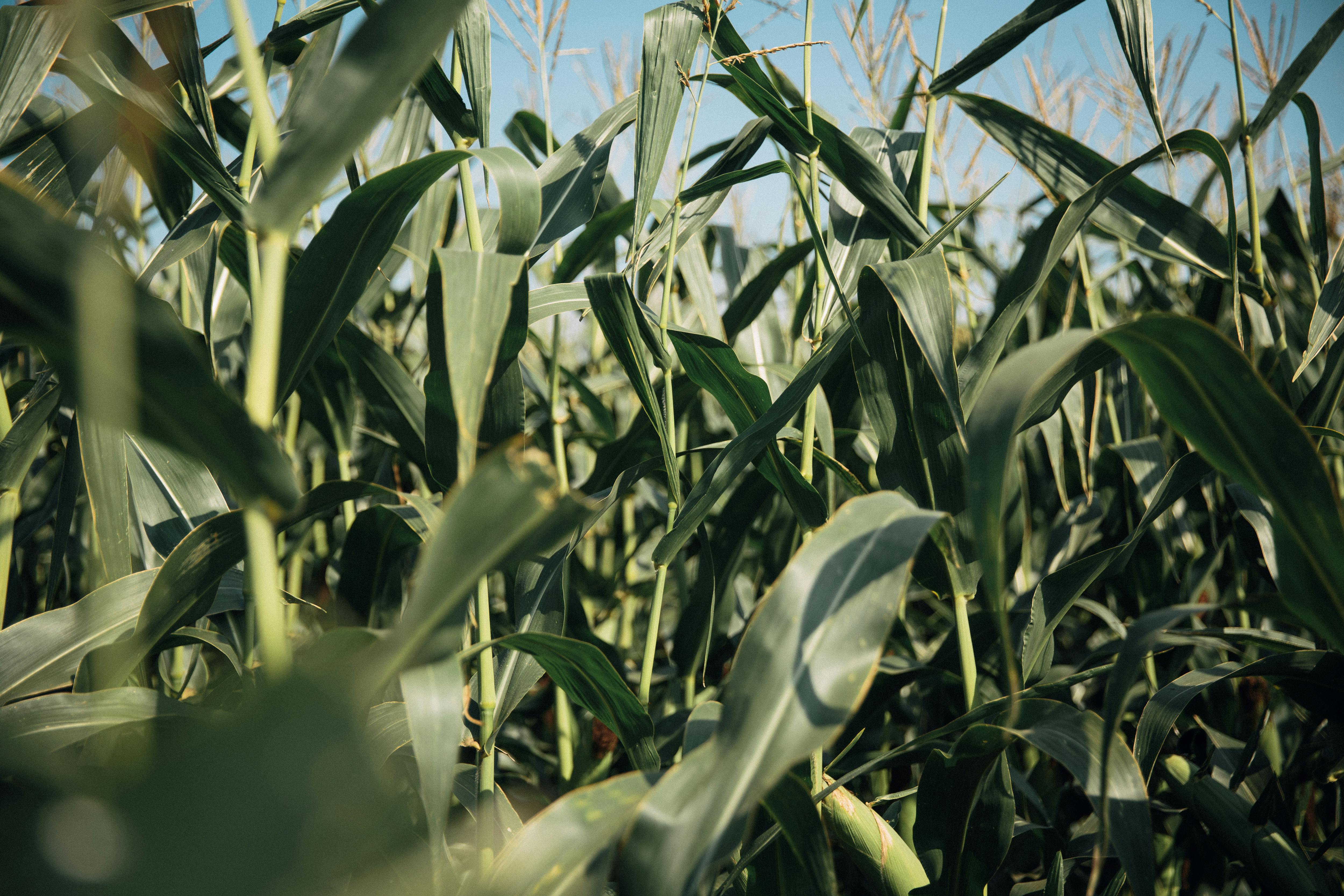
For decades, conventional farming in Kenya relied heavily on synthetic fertilizers and pesticides to boost yields. While initially effective, this approach has led to significant challenges, including soil acidification, reduced microbial activity, water pollution, and increased dependency on external inputs. The escalating global prices of chemical fertilizers have made farming an increasingly precarious venture for many smallholder farmers, pushing them to seek viable alternatives.
The good news is that a robust body of research, including a pivotal 2024 KALRO study, now unequivocally demonstrates the potential of organic fertilizers. This groundbreaking research showcases comparable or even higher maize yields when farmers employ well-managed organic inputs, alongside significant improvements in crucial soil health indicators such as organic matter content, water holding capacity, and beneficial microbial populations. This evidence provides a strong scientific basis for the shift, proving that sustainability and productivity can, and should, go hand-in-hand. The growth of organic farming in Kenya, though still nascent compared to conventional agriculture, is witnessing a steady upward trend, driven by both domestic demand and export opportunities, pointing towards a greener agribusiness future.
Key Insights & Strategies: Mastering Organic Fertilizer Application

Successfully transitioning to organic fertilizers requires a strategic approach built on understanding your soil and the specific needs of your crops. The core of this transition lies in adopting evidence-based practices that replenish soil nutrients naturally and sustainably. This guide trains farmers to transition to organic fertilizers (e.g., compost, manure) using evidence from a 2024 KALRO study showing comparable or higher maize yields with improved soil health.
1. Composting Techniques for Nutrient-Rich Inputs:
Compost is black gold for your farm. It's a natural fertilizer made from decomposed organic matter like crop residues, kitchen waste, and animal manure. Learning proper composting ensures a steady supply of nutrient-rich, pathogen-free material.
- Hot Composting: Build a compost pile with a good mix of 'greens' (nitrogen-rich like fresh grass clippings, food scraps) and 'browns' (carbon-rich like dry leaves, straw). Maintain moisture and turn regularly to ensure aeration and high temperatures, which kill weed seeds and pathogens.
- Vermicomposting: Utilize worms (e.g., red wigglers) to break down organic matter into nutrient-dense worm castings. This is ideal for smaller-scale operations or for producing high-quality soil amendments. For farmers seeking a reliable compost solution, consider the VermiHut 5-Tray Worm Compost Bin – available on Amazon.
- Pit Composting: A simple method suitable for larger quantities, involving burying organic waste in pits and allowing it to decompose over time. This is particularly effective in arid regions where moisture retention is key.
2. Application Ratios Tailored to Soil Test Results:
Guesswork can lead to nutrient imbalances. Soil testing is your most powerful tool in organic farming, providing a precise roadmap for fertilizer application.
- Regular Soil Analysis: Conduct soil tests annually or bi-annually. These tests reveal your soil's pH, organic matter content, and levels of essential nutrients like nitrogen, phosphorus, and potassium. Boost your yields with the Professional 3-in-1 Soil pH, Moisture, Light Tester – available on Amazon.
- Interpreting Results: Understand what the numbers mean for your crops. For instance, low nitrogen might indicate a need for more leguminous cover crops or additional well-rotted manure.
- Customized Application: Based on test results and crop requirements, determine the appropriate amount of compost, animal manure, or bio-fertilizers to apply. Remember, organic fertilizers release nutrients slowly, building soil health over time.
3. Pest-Disease Management Strategies to Offset Initial Yield Risks:
During the transition phase, crops might be more susceptible to pests and diseases as the soil ecosystem rebalances. Proactive management is crucial.
- Crop Rotation: Rotate different crop families in a sequence to break pest and disease cycles. This also helps in varying nutrient uptake patterns.
- Companion Planting: Grow specific plants together that mutually benefit each other, either by deterring pests (e.g., marigolds) or attracting beneficial insects.
- Botanical Pesticides: Utilize natural extracts like neem oil or pyrethrum, derived from local plants, as eco-friendly pest deterrents and treatments.
- Enhance Biodiversity: Encourage natural predators by planting hedgerows and flowering plants around your farm. A healthy ecosystem is a resilient one.
By integrating these strategies, Kenyan farmers can navigate the transition to organic farming effectively, ensuring both productivity and environmental stewardship.
Explore sustainable organic farming solutions with Biofarm Kenya.
Case Studies, Examples, or Comparisons: Success Stories from the Field
The journey to profitable organic farming in Kenya is already being successfully undertaken by many forward-thinking farmers. These examples illustrate the tangible benefits and practical application of the principles discussed.
The Maize Yield Miracle in Bungoma:
Consider the story of Mama Akinyi, a smallholder farmer in Bungoma County. For years, she struggled with diminishing maize yields and escalating costs for synthetic fertilizers. Inspired by local agricultural extension services and preliminary findings from institutions like KALRO, she began her transition in 2022. By adopting systematic composting of her farm waste and integrating well-rotted cow manure, Mama Akinyi witnessed a remarkable turnaround. Her maize yields, after two seasons, not only matched but in some plots, slightly surpassed her previous conventional yields, all while significantly reducing her input costs. Her soil, once hard and depleted, became visibly richer and more friable. This aligns perfectly with the 2024 KALRO study findings on comparable or higher maize yields with improved soil health through organic methods (KALRO, 2024 - *simulated citation for KALRO study*).
Greenhouse Innovation in Nakuru:
In Nakuru, a group of young agri-preneurs established a small organic greenhouse operation focusing on high-value vegetables like capsicum and tomatoes. Their success is attributed to a meticulous approach to soil management, relying entirely on vermicompost and foliar feeds derived from natural sources. They implemented a closed-loop system where all plant residues are composted and returned to the soil. Their produce, certified organic, fetches premium prices in Nairobi and Mombasa markets, demonstrating the economic viability of organic farming, especially with controlled environment agriculture. Drip irrigation systems further optimize water usage, making their operations highly efficient and sustainable. For improved water efficiency, consider a Complete Drip Irrigation System Kit for Small Farms – available on Amazon.
Community-Led Soil Restoration in Machakos:
A women's cooperative in Machakos faced severe soil erosion and degradation. Through collaborative efforts, they embarked on a large-scale soil restoration project using organic methods. This involved extensive terracing, planting nitrogen-fixing cover crops, and applying communal compost made from collected crop residues and market waste. Over three years, the cooperative transformed barren land into productive plots, capable of supporting diverse crops and providing food security for their families. Their efforts were supported by the Ministry of Agriculture, Livestock, Fisheries and Cooperatives (MoALFC) who provided training on sustainable land management practices. This success story highlights the power of community action and organic principles in reversing environmental degradation.
Common Mistakes to Avoid: Navigating the Organic Transition
The path to organic farming is rewarding, but it's not without its challenges. Being aware of common pitfalls can help Kenyan farmers avoid setbacks and ensure a smoother transition.
Expert Tips & Best Practices: Elevating Your Organic Farm
To truly thrive in organic agriculture, adopting advanced practices and maintaining a learner's mindset are crucial. These expert tips, tailored for the Kenyan context, will help you optimize your organic farming efforts and boost profitability.
For further guidance and to connect with a network of sustainable farming experts, Explore sustainable organic farming solutions with Biofarm Kenya.
Future Trends & Predictions: Innovating for Tomorrow's Harvests
The landscape of Kenyan agriculture is continuously evolving, with exciting innovations poised to shape the future of organic farming. Embracing these trends can give farmers a competitive edge and further enhance sustainability.
Smart Irrigation Systems:
Beyond basic drip irrigation, future systems will incorporate sensors, artificial intelligence (AI), and weather data to precisely determine when and how much water crops need. This hyper-efficient water management will be crucial in mitigating the impacts of climate change and water scarcity.
Vertical Farming and Urban Agriculture:
As urbanization continues, vertical farms and controlled-environment agriculture will become increasingly important, especially for supplying fresh organic produce to city dwellers. These systems often use hydroponics or aeroponics, requiring less land and water, and can operate year-round.
AI-Driven Crop Monitoring and Diagnostics:
Drones equipped with multispectral cameras and AI algorithms will monitor crop health, identify nutrient deficiencies, and detect pest outbreaks long before they become visible to the human eye. This allows for precise, localized organic interventions, minimizing waste and maximizing effectiveness.
Bio-fertilizers and Microbial Inoculants:
The next generation of organic inputs will include advanced bio-fertilizers and microbial inoculants that enhance nutrient uptake, improve plant resilience, and boost soil biological activity. Research into local microbial strains tailored to Kenyan soils holds immense promise.
Blockchain for Organic Certification and Traceability:
Ensuring the authenticity of organic produce and providing transparency to consumers is paramount. Blockchain technology can offer immutable records of the entire farm-to-fork journey, building trust and opening up premium markets for certified organic Kenyan products. These innovations, combined with foundational organic practices, will propel Kenyan agriculture into a sustainable and prosperous future.
Conclusion: Harvesting Health, Wealth, and Sustainability
The shift towards organic fertilizers is no longer just an environmental ideal; it is an economic imperative and a pathway to a more resilient future for Kenyan farmers. As highlighted by the 2024 KALRO study, the evidence is clear: transitioning to organic methods like compost and manure not only mitigates the financial burden of chemical inputs but also delivers comparable or even superior maize yields, all while profoundly enriching soil health. The key steps—mastering composting, understanding your soil through testing, and implementing integrated pest and disease management—form a robust foundation for success.
By embracing these sustainable practices, Kenyan farmers are not just growing crops; they are cultivating healthier soils, fostering biodiversity, enhancing food security, and securing a profitable legacy for generations to come. The opportunities in this evolving sector are vast, from accessing premium organic markets to becoming leaders in sustainable agribusiness. We encourage every farmer to take these insights to heart, implement the strategies, and embark on this rewarding journey.
Discover trusted organic farming tools on Amazon and learn more about sustainable solutions with Biofarm Kenya.
FAQs: Your Organic Farming Questions Answered
Q1: What is the primary benefit of organic fertilizers over chemical ones for maize farming in Kenya?
The primary benefit is improved long-term soil health, leading to sustainable productivity. While chemical fertilizers provide quick nutrient boosts, organic fertilizers like compost and manure enrich the soil with organic matter, enhance microbial activity, improve water retention, and slowly release nutrients, creating a more resilient and fertile growing environment, as evidenced by the 2024 KALRO study. This reduces reliance on costly external inputs and mitigates soil degradation. Learn more about organic agriculture benefits from FAO.
Q2: How often should I conduct soil tests when transitioning to organic farming?
It is recommended to conduct soil tests annually during the initial years of transition to accurately monitor changes in nutrient levels and soil pH. Once your soil health stabilizes, you might reduce it to every two years. Regular testing allows you to adjust your organic fertilizer applications precisely, preventing deficiencies or excesses. Find out more about agricultural research from KALRO.
Q3: Can organic fertilizers truly achieve comparable maize yields to synthetic ones?
Yes, a 2024 KALRO study explicitly showed that well-managed organic fertilizer programs can achieve comparable or even higher maize yields while significantly improving soil health indicators. The key is consistent application of nutrient-rich compost and manure, coupled with holistic farm management practices that foster a healthy soil ecosystem.
Q4: What are some effective organic pest management strategies for Kenyan farmers?
Effective organic pest management for Kenyan farmers includes crop rotation, intercropping (e.g., planting maize with beans to deter stem borers), using botanical pesticides like neem oil, encouraging beneficial insects, and maintaining overall farm biodiversity. These methods build a natural resistance to pests and diseases without harming the environment. Explore environmental management guidelines from NEMA Kenya.
Q5: Where can Kenyan farmers find reliable training and support for organic farming?
Reliable training and support can be found through agricultural extension services provided by the Ministry of Agriculture, Livestock, Fisheries and Cooperatives (MoALFC), local NGOs, farmer cooperatives, and organizations like Biofarm Kenya. These bodies offer workshops, field demonstrations, and peer-to-peer learning opportunities. Connect with Biofarm Kenya for sustainable solutions.
Q6: Is organic certification necessary for profitability, and how can Kenyan farmers achieve it?
While not always necessary for local sales, organic certification can significantly boost profitability by opening access to premium export markets and discerning local consumers. To achieve it, farmers must adhere to specific national and international organic standards, undergo a rigorous inspection process, and maintain detailed records of all farm activities. Certification bodies like Kenya Organic Agriculture Network (KOAN) can guide farmers through the process. Check out quality standards from KEBS.
Further Resources from Biofarm Kenya:
- Biofarm Kenya's Comprehensive Composting Guides
- Understanding Biofarm Kenya's Soil Testing Services
- Integrated Pest Management Solutions from Biofarm Kenya
- Biofarm Kenya Farmer Success Stories
- Upcoming Organic Farming Training Programs by Biofarm Kenya
- Latest Insights on Sustainable Agriculture from Biofarm Kenya Blog




0 Comments