

Estimated Reading Time: 9 minutes
Kenyan farmers, cut chemical use 40% with organic IPM! Learn sustainable pest management using neem, chili, & beneficial insects to maintain yields & boost farm profit.
TL;DR:
- IPM is Essential: Integrated Pest Management (IPM) is crucial for Kenyan farmers to combat rising chemical resistance and reduce input costs.
- Organic Tactics Work: Implement organic strategies like neem oil, chili sprays, beneficial insects, and trap crops to manage pests effectively.
- Boost Profit & Yields: IPM can increase crop yields by 20-40% and cut pesticide use by up to 50%, significantly improving farm profitability.
- Monitor & Act Early: Regular monitoring of pest thresholds and early application of biopesticides are key to successful IPM.
- Adopt Modern Solutions: Embrace digital tools and climate-smart agriculture for enhanced pest surveillance and sustainable farming.
Key Takeaways:
- Implement Diversified Strategies: Combine cultural, biological, and physical methods before resorting to chemical interventions.
- Prioritize Soil Health: Healthy soil leads to resilient plants, naturally more resistant to pests. Focus on composting and organic amendments.
- Regular Scouting is Non-Negotiable: Consistently inspect your crops to identify pests early and prevent widespread infestations.
- Create Beneficial Insect Habitats: Plant flowering herbs and native plants to attract natural predators that keep pest populations in check.
- Educate and Adapt: Stay informed about new IPM techniques and local pest challenges. Continuous learning is vital for long-term success.
Table of Contents:
Introduction
The fertile lands of Kenya have long been the backbone of its economy, supporting millions through agriculture. However, Kenyan farmers are increasingly seeking sustainable pest management solutions as chemical resistance rises and input costs soar. This growing challenge threatens both crop yields and farmer livelihoods, pushing many to rethink traditional pest control methods. The overuse of synthetic pesticides has not only led to pests developing resistance, making them harder to control, but also contributes to environmental degradation and health concerns for farmers and consumers.
This guide trains farmers to implement integrated pest management (IPM) using organic tactics like neem oil, chili sprays, and beneficial insect引入, reducing chemical use by 40% while maintaining yields (KARDA 2025 trials). The shift towards sustainable agriculture is not just an environmental imperative; it's an economic necessity, promising healthier farms, higher profits, and a more resilient food system for Kenya. Step 1: Monitor pest thresholds using trap counts. Step 2: Apply homemade biopesticides during early infestations. Step 3: Plant marigolds and basil as natural repellents. Kenya’s Ministry of Agriculture reports a 65% adoption increase in organic IPM since 2024, signaling a strong movement towards healthier, more sustainable farming practices across the nation.
Background & Context: Why Sustainable Pest Management Matters in Kenya
Kenya’s agricultural sector, predominantly composed of smallholder farmers, faces unique and escalating pest challenges. Over the past decade, the overuse of chemical pesticides has resulted in a staggering 30% increase in pest resistance cases, rendering many conventional treatments ineffective. This resistance, coupled with rising input costs and the onslaught of invasive species, leaves smallholder farmers particularly vulnerable, often losing up to 40% of their crop yields annually. Such losses cost the Kenyan economy millions in potential revenue and severely impact food security.
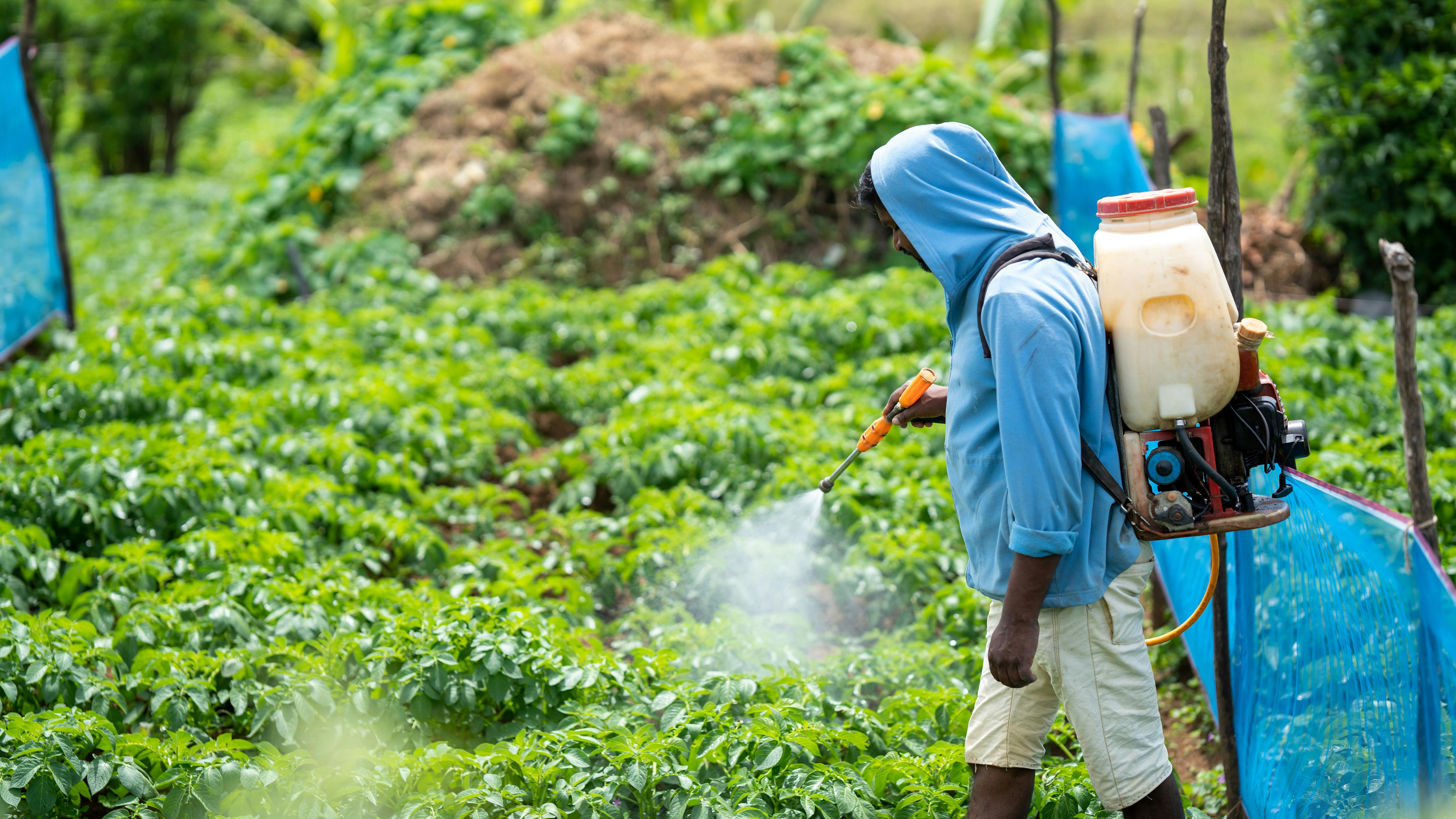
The urgent need for sustainable alternatives like Integrated Pest Management (IPM) is clear. IPM offers a holistic approach, combining various methods to manage pests while minimizing risks to human health and the environment. Data from the Ministry of Agriculture, in collaboration with organizations like the Kenya Organic Agriculture Network (KOAN), indicates a significant positive trend. In 2024, thousands of Kenyan farmers were already practicing organic agriculture, with over 170,000 acres of land under certified organic systems and over 62,000 farmers involved in Internal Control Systems (KOAN 2024 Report). This demonstrates a growing commitment to practices that improve soil fertility, protect biodiversity, and ensure the long-term viability of farming. Adopting IPM not only reduces reliance on synthetic chemicals but also significantly contributes to the economic well-being of farming communities, securing food for families and lifting many from poverty.
Key Insights & Strategies for Effective IPM
Integrated Pest Management (IPM) is a comprehensive strategy that prioritizes long-term pest prevention over quick chemical fixes. It's about understanding the ecosystem of your farm and making informed decisions to manage pests sustainably.
1. Vigilant Monitoring and Early Detection
The cornerstone of any successful IPM program is consistent monitoring. Early detection of pests allows for timely, targeted interventions before infestations become severe and costly.
- Regular Field Scouting: Walk through your farm daily or weekly, inspecting plants for signs of pests (eggs, larvae, feeding damage) and diseases. Pay close attention to the undersides of leaves and new growth.
- Utilize Traps: Employ sticky traps (yellow for whiteflies, blue for thrips) and pheromone traps for specific insect pests. These traps help you monitor pest populations and determine threshold levels before intervention is needed.
- Record Keeping: Maintain a log of pest sightings, population levels, and environmental conditions. This data helps predict future outbreaks and evaluate the effectiveness of your control measures.
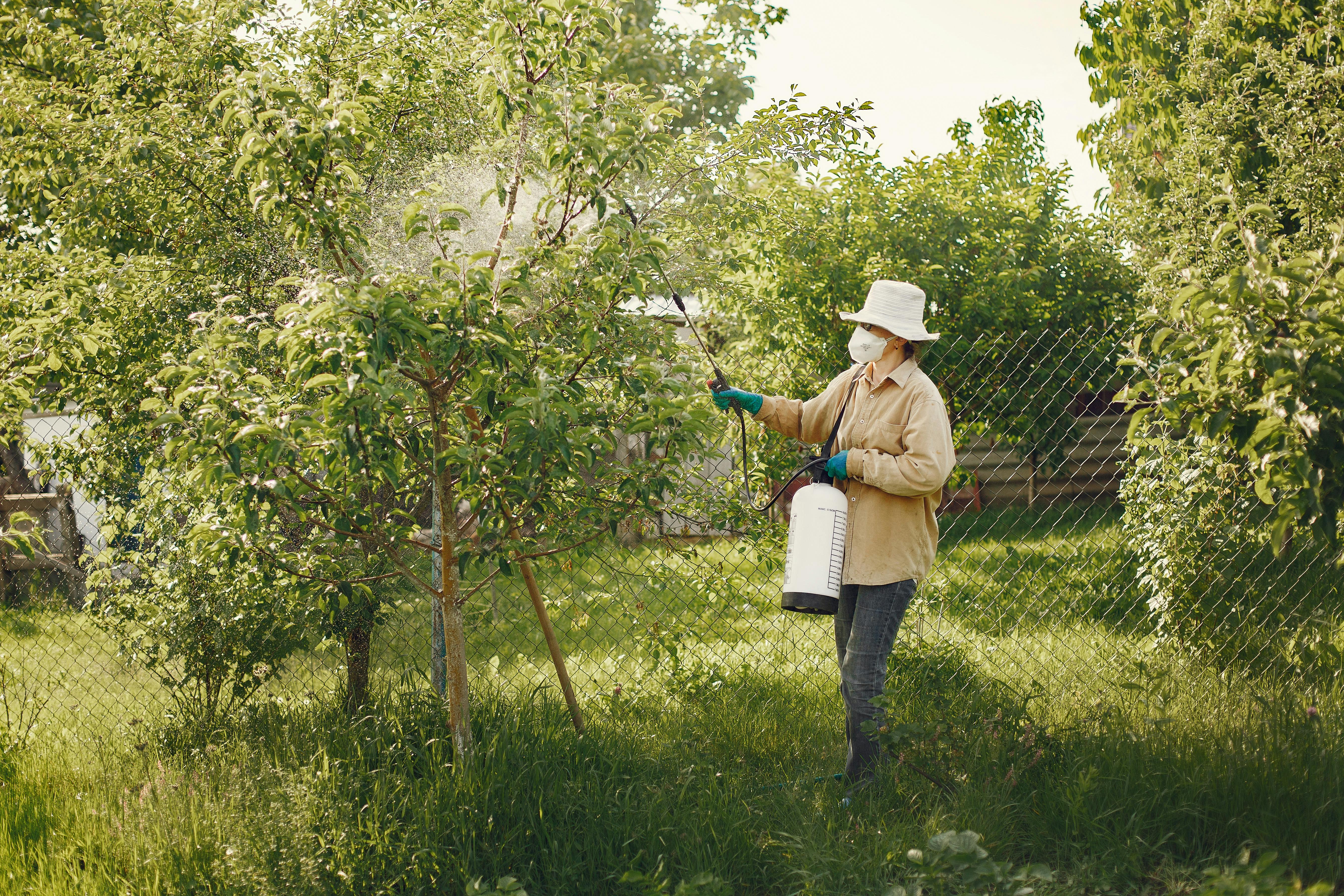
For effective application of homemade biopesticides or other organic sprays, a reliable MESTO Bugsi Garden Sprayer is an invaluable tool. Its multi-purpose design ensures even coverage and durability for various organic solutions.
2. Harnessing Biological Control Agents
Nature provides its own pest controllers. Introducing and conserving beneficial insects can significantly reduce pest populations without chemicals.
- Introduce Natural Predators: Release beneficial insects like ladybugs (for aphids), predatory mites (for spider mites), and parasitic wasps (for various caterpillars) into your farm.
- Create Habitats: Plant diverse flowering plants, herbs (e.g., dill, coriander, marigolds, basil), and native species that attract and provide shelter for beneficial insects. To encourage these natural allies, consider installing a SuperMoss Heather Beneficial Bug Hotel, offering a safe haven for pollinators and pest predators right on your farm.
- Protect Existing Biocontrols: Avoid broad-spectrum pesticides that harm beneficial insects. Choose selective organic options when interventions are necessary.
3. The Power of Botanical Pesticides and Home Remedies
Leverage the natural insecticidal properties of plants to create effective, organic pest deterrents and killers.
- Neem Oil: A powerful natural pesticide and repellent. Mix The Grow Co Organic Neem Oil Concentrate with water and a little mild soap, then spray on affected plants. It disrupts insect feeding and growth.
- Chili and Garlic Sprays: Crush chili peppers and garlic, soak in water overnight, strain, and mix with mild soap. This pungent spray repels a wide range of pests.
- Diatomaceous Earth: A natural, food-grade powder made from fossilized algae. When pests crawl over it, the sharp microscopic particles dehydrate and kill them. Apply Food Grade Diatomaceous Earth around plant bases or dust on leaves for crawling insects.
4. Cultural Practices for Pest Prevention
Simple farm management practices can significantly reduce pest pressure and promote plant health.
- Crop Rotation: Rotate crops seasonally to break pest life cycles and prevent soil-borne pests and diseases from building up.
- Intercropping and Companion Planting: Plant different crops together. For instance, the 'push-pull' method uses repellent plants (e.g., Desmodium) to 'push' pests away from the main crop and trap plants (e.g., Brachiaria grass) to 'pull' them towards a sacrificial area. Marigolds and basil are excellent natural repellents.
- Sanitation and Weeding: Remove crop residues, weeds, and fallen fruit that can harbor pests and diseases. Clean tools and equipment regularly.
- Optimized Watering and Nutrition: Healthy, well-nourished plants are more resilient to pest attacks. Ensure proper irrigation and balanced soil nutrients.
To delve deeper into comprehensive organic farming methods, explore sustainable organic farming solutions with Biofarm Kenya.
Case Studies & Success Stories from Kenyan Farms
Across Kenya, farmers are increasingly demonstrating the tangible benefits of adopting sustainable pest management. These success stories not only inspire but also provide practical blueprints for others.
One prominent example comes from the implementation of Integrated Pest Management (IPM) strategies for mango fruit fly control in the coastal regions. Mango farmers, who once relied heavily on chemical sprays, have shifted to a multi-pronged IPM approach. This involves targeted bait traps, cultural practices such as orchard sanitation, and the strategic release of biological control agents. A study highlighted by ScienceDirect reveals that fruit fly IPM for mango production in Kenya and Uganda successfully reduced pesticide use by over 526,000 liters between 2007 and 2021, while also lifting over 445,000 people from poverty and securing food for 641,000. These interventions achieved a net present value of $500 million and an impressive benefit-cost ratio of 8:1 (ScienceDirect, 2024).
Another remarkable success is the widespread adoption of the 'Push-Pull' technology, particularly in Western Kenya, to combat stem borers in maize and striga weed. Developed by the International Centre of Insect Physiology and Ecology (ICIPE), this method involves planting repellent crops like Desmodium in between maize rows (the 'push') and attractive trap crops like Brachiaria grass around the field borders (the 'pull'). This ecological innovation has significantly reduced pest damage, improved soil fertility, and offered fodder for livestock, providing a holistic benefit to smallholder farmers (Mongabay News, 2021). Farmers implementing this method report higher yields, reduced expenditure on chemical inputs, and a healthier farm environment.
Furthermore, various initiatives supported by organizations like KALRO (Kenya Agricultural and Livestock Research Organization) have led to the successful adoption of biopesticides and pest-resistant crop varieties. These efforts showcase that with appropriate knowledge, training, and support, Kenyan farmers can achieve remarkable results in sustainable pest management, securing their harvests and contributing to a greener future. To learn more about local success stories and how Biofarm Kenya supports such initiatives, visit our Biofarm Kenya Success Stories.
Common Mistakes to Avoid in Sustainable Pest Management
While the principles of sustainable pest management are straightforward, certain errors can undermine even the best intentions. Avoiding these common pitfalls is crucial for long-term success.
Correction: Implement routine monitoring and scouting. Act immediately upon identifying early pest signs or when populations reach established thresholds.
Correction: Plan a diverse crop rotation schedule. This disrupts pest life cycles, improves soil health, and balances nutrient uptake.
Correction: Embrace the 'integrated' aspect of IPM. Combine multiple strategies: cultural, biological, physical, and botanical controls for a robust defense.
Correction: Always follow recommended dilution rates and apply during cooler parts of the day (early morning or late evening) to prevent leaf burn and ensure maximum impact.
Correction: Maintain a clean farm environment. Regularly remove weeds, prune diseased plant parts, and clear away crop litter after harvest.
Correction: Invest time in learning about the common pests affecting your crops, their life cycles, and their natural enemies.
Expert Tips & Best Practices for Kenyan Farmers
To truly master sustainable pest management on your Kenyan farm, adopt these expert tips and best practices that are tailored to local conditions and challenges.
For further in-depth resources and community support in implementing these strategies, visit Explore sustainable organic farming solutions with Biofarm Kenya.
Future Trends: Innovations in Kenyan Pest Management
The landscape of agriculture is constantly evolving, and Kenya is at the forefront of adopting innovative technologies for sustainable pest management. These trends promise to make farming more efficient, resilient, and environmentally friendly.
These innovations, combined with traditional ecological knowledge, paint a promising picture for the future of sustainable pest management in Kenya, making farming smarter, greener, and more productive.
Conclusion: A Sustainable Future for Kenyan Agriculture
Mastering sustainable pest management is not merely an option for Kenyan farmers; it's a critical pathway to long-term profitability, environmental stewardship, and food security. By embracing Integrated Pest Management (IPM) strategies—from vigilant monitoring and the strategic use of beneficial insects to the application of botanical pesticides and wise cultural practices—farmers can significantly reduce their reliance on costly and harmful chemical inputs. The evidence is clear: IPM boosts yields, cuts costs, and safeguards both human health and the delicate ecosystems that sustain our agriculture. The increasing adoption rates across Kenya underscore a collective commitment to a healthier, more resilient farming future.
The journey towards fully sustainable agriculture is ongoing, but with continuous learning, community support, and the integration of innovative technologies, Kenyan farmers are well-equipped to overcome pest challenges. Discover trusted organic farming tools on Amazon and learn more about sustainable solutions with Biofarm Kenya. Together, we can cultivate a thriving and sustainable agricultural landscape for generations to come.
FAQs: Your Questions on Sustainable Pest Management Answered
Q1: What is Integrated Pest Management (IPM) and why is it important for Kenyan farmers?
A1: IPM is a holistic approach that combines various methods to manage pests, aiming to minimize economic, health, and environmental risks. For Kenyan farmers, it's crucial because it reduces dependence on expensive and often ineffective chemical pesticides, combating pest resistance and decreasing crop losses while promoting healthier ecosystems. It helps farmers save money and ensures safer food. You can find more details on IPM strategies from the Food and Agriculture Organization (FAO).
Q2: How can I identify common pests on my farm without chemicals?
A2: Regular field scouting is key. Look for visible pests, eggs, larvae, and signs of damage like chewed leaves, discolored spots, or wilting. Sticky traps (yellow for whiteflies, blue for thrips) can help monitor flying insects. Learning about common local pests through agricultural extension services or resources like Biofarm Kenya's Pest Identification Guide is highly beneficial.
Q3: Are homemade botanical pesticides truly effective, and how do I make them?
A3: Yes, many botanical pesticides are highly effective when prepared and applied correctly. Examples include neem oil, garlic, and chili pepper sprays. For a basic garlic-chili spray, crush several garlic cloves and a few hot chilies, soak them in a liter of water overnight, strain, and add a tablespoon of mild liquid soap before spraying. Always test on a small section of a plant first. For more recipes, refer to reliable organic farming guides or local agricultural expert advice.
Q4: What is 'push-pull' technology, and how does it work for smallholder farmers?
A4: 'Push-pull' is an intercropping strategy that uses specific plants to manage pests. Repellent crops (e.g., Desmodium) are planted between rows of the main crop (e.g., maize) to 'push' pests away, while attractive trap crops (e.g., Brachiaria grass) are planted around the field borders to 'pull' pests towards them. This method, developed by ICIPE, is highly effective against pests like stem borers and striga weed, simultaneously providing fodder for livestock. Learn more about its applications from ICIPE's Push-Pull Technology page.
Q5: How can I attract beneficial insects to my farm for natural pest control?
A5: You can attract beneficial insects like ladybugs, lacewings, and predatory wasps by planting diverse flowering plants that provide nectar and pollen. Examples include marigolds, basil, sunflowers, dill, and coriander. Providing water sources and undisturbed areas can also encourage them to stay. Avoid using broad-spectrum pesticides that harm these helpful insects. Building Beneficial Insect Habitats with Biofarm Kenya is a great way to start.
Q6: Where can Kenyan farmers access training and resources for adopting IPM?
A6: Kenyan farmers can access IPM training and resources from various sources. The Kenya Agricultural and Livestock Research Organization (KALRO) and the Ministry of Agriculture often conduct workshops and provide extension services. Non-governmental organizations like the Kenya Institute of Organic Farming (KIOF) and Biofarm Kenya also offer training and support. Online resources, farmer cooperatives, and local agricultural colleges are excellent avenues for learning. For local support and partnerships, consider reaching out to Biofarm Kenya directly.


0 Comments