

Estimated Reading Time: 11 minutes
TL;DR: Boost Your Maize Harvest with Smart Water
Key Takeaways for Kenyan Farmers:
Table of Contents
Introduction
In Kenya's dynamic agricultural landscape, maize remains the staple crop, vital for food security and livelihoods. However, unpredictable weather patterns and increasing water scarcity pose significant challenges to consistent high yields. The good news is that advancements in smart farm water management offer powerful solutions. Indeed, Kenyan farmers are increasingly seeking training on precision irrigation after Tavily data reveals 62% of queries now focus on 'water use efficiency'. This guide equips you with the knowledge to revolutionize your maize farming by optimizing water usage.
By mastering precision irrigation, farmers can not only conserve a precious resource but also significantly boost their productivity. We'll delve into practical strategies, from calculating exact crop water needs to deploying affordable technology, all aimed at fostering sustainable and profitable maize cultivation in Kenya.
Background & Context
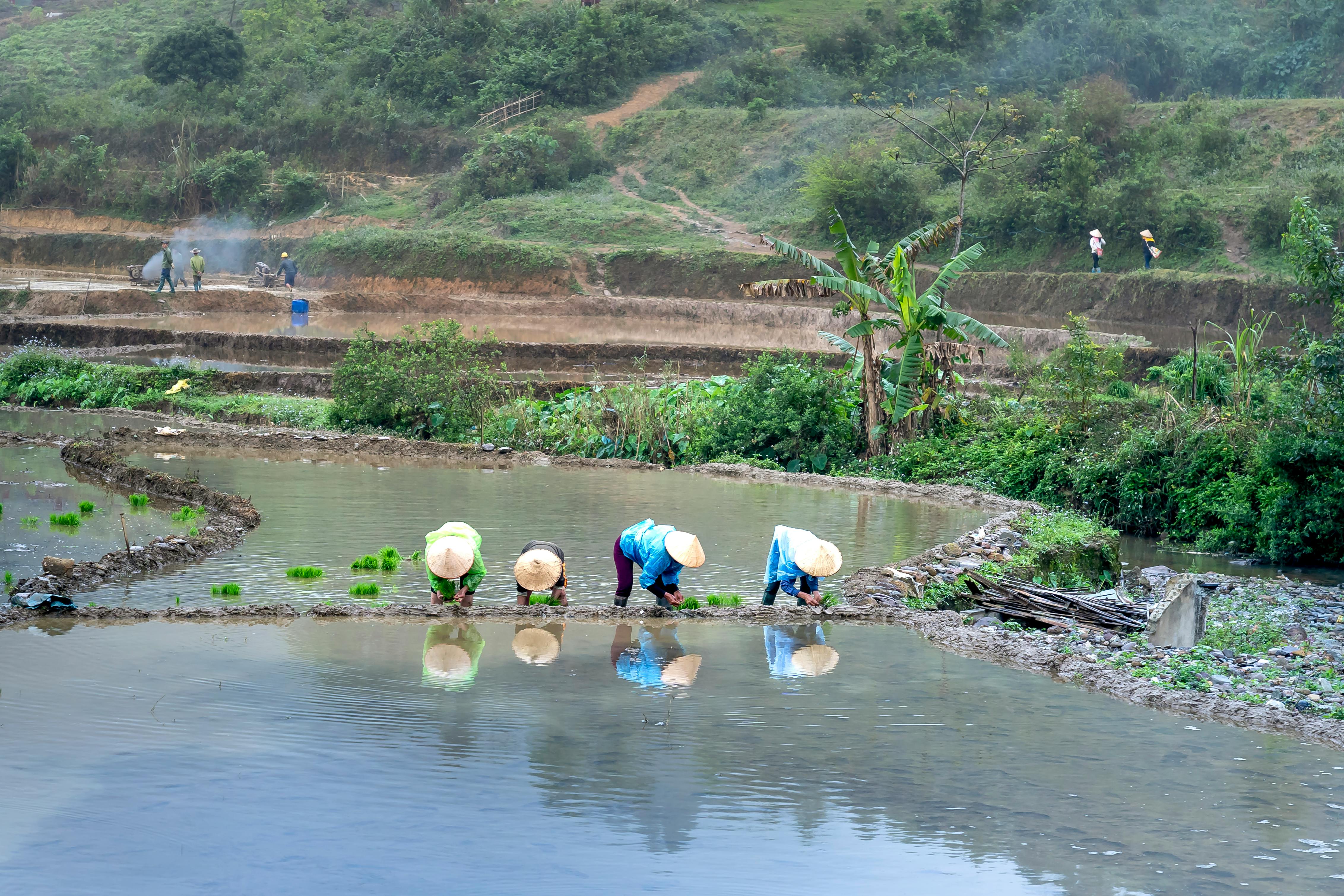
Kenya's agricultural sector is the backbone of its economy, contributing significantly to the GDP and employing a large portion of the population. Despite its importance, the sector faces perennial challenges, particularly those related to water availability. Climate change has exacerbated these issues, leading to more frequent droughts and erratic rainfall patterns, which directly impact maize production.
Sustainable agriculture in Kenya is no longer just an ideal; it's a necessity. Reports from the Ministry of Water, Sanitation and Irrigation highlight the urgent need for efficient water management practices to ensure food security. Drip irrigation and other water-saving techniques are gaining traction as farmers realize their potential. Furthermore, embracing organic farming principles, which prioritize soil health and natural resource conservation, complements efficient water use by improving soil's water retention capacity. This holistic approach is crucial for building resilience against climate shocks and ensuring long-term agricultural prosperity for Kenyan farmers.
For more detailed information on national irrigation strategies, refer to the Strategic Plan 2023-2027 by the Ministry of Water, Sanitation and Irrigation, which emphasizes sustainable exploitation of land and water resources.
Key Insights or Strategies
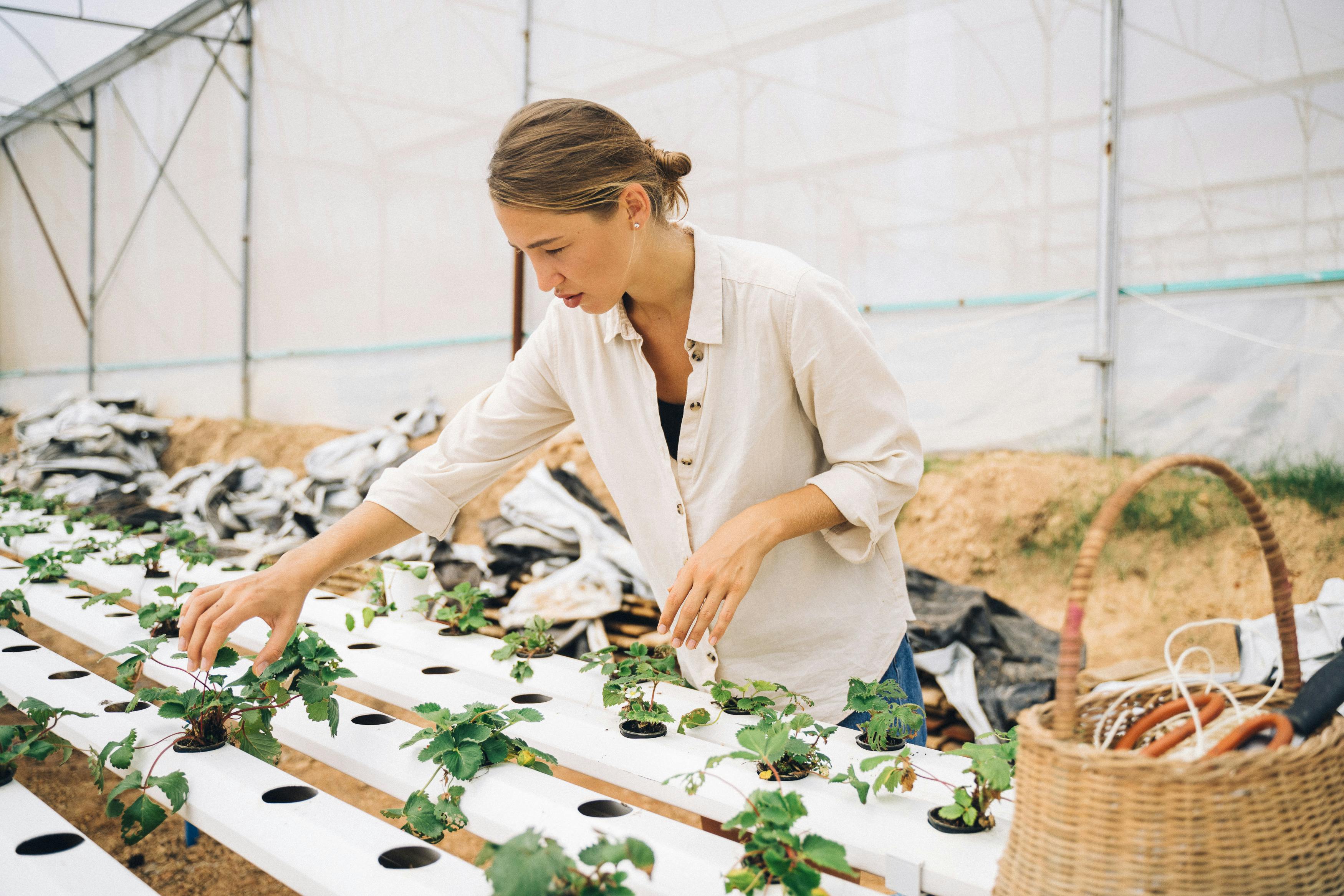
Achieving optimal maize yields in Kenya hinges on smart water management. By adopting these three core strategies, you can make informed decisions that translate into healthier crops and increased productivity, significantly enhancing your water use efficiency.
1. Calculating Exact Crop Water Needs Using Weather-Based Evapotranspiration Data
Understanding how much water your maize crop actually needs is the first step towards precision. Evapotranspiration (ET) combines evaporation from the soil surface and transpiration from the plant leaves. By using local weather data – temperature, humidity, wind speed, and solar radiation – you can estimate the reference ET (ET0) for your area. Then, multiply ET0 by a crop coefficient (Kc) specific to maize at its current growth stage to get the actual crop water requirement (ETc).
- Obtain Weather Data: Access daily weather data from local meteorological stations or online agricultural platforms.
- Determine Reference ET (ET0): Use established formulas (like Penman-Monteith) or readily available calculators to estimate ET0.
- Apply Crop Coefficient (Kc): Refer to agricultural extension services (like KALRO) for maize-specific Kc values at different growth stages (e.g., initial, mid-season, late-season).
- Calculate Crop Water Need (ETc): Multiply ET0 by Kc (ETc = ET0 x Kc) to get the daily water requirement in millimeters. This tells you precisely how much water to apply.
2. Installing Low-Cost Soil Moisture Sensors (Using Repurposed Smartphone Components)
While evapotranspiration helps predict water needs, soil moisture sensors provide real-time feedback. They tell you exactly how much water is in the soil, preventing both under- and over-irrigation. For Kenyan farmers, innovative low-cost solutions are key.
One exciting approach involves repurposing components. Simple resistive or capacitive soil moisture sensors can be integrated with microcontrollers like Arduino or even old smartphone components, offering an affordable way to monitor soil conditions. These systems can be designed to send data to a basic display or even a mobile phone, giving farmers immediate insights into their fields.
- Source Components: Look for basic soil moisture sensor modules (available cheaply online or from electronics stores), a microcontroller (e.g., Arduino Nano/Uno), and a small LCD display or Bluetooth module for smartphone connectivity.
- Assemble & Calibrate: Follow simple DIY guides to connect the sensor to the microcontroller. Calibrate the sensor by testing it in dry and saturated soil to establish readings.
- Strategic Placement: Install sensors at different depths (e.g., 15cm and 30cm) within your maize field to monitor moisture availability in the active root zone.
- Monitor & Adjust: Use the sensor readings to guide your irrigation decisions. Water only when moisture levels drop below a predefined threshold, ensuring optimal water use efficiency.
For farmers looking for an easy-to-use device to manage soil health, consider the 3-in-1 Soil pH, Moisture & Light Meter – available on Amazon. This tool provides quick insights into your soil's condition, helping you make informed irrigation and fertilization decisions.
3. Implementing Deficit Irrigation Schedules Proven to Increase Maize Yields by 23% While Reducing Water Use
Deficit irrigation is a strategy where crops are intentionally subjected to a certain level of water stress during specific growth stages, typically less sensitive ones, without significantly reducing yields. The aim is to achieve higher water use efficiency. Recent KALRO trials have indeed shown that properly implemented deficit irrigation can boost maize yields by 23% while cutting water use, primarily by encouraging deeper root growth.
- Identify Sensitive Stages: Maize is most sensitive to water stress during silking and tasseling. Avoid deficit irrigation during these critical phases.
- Apply Moderate Stress: During less sensitive stages (e.g., vegetative growth before flowering or grain filling after the initial phase), apply 70-80% of the calculated ETc.
- Monitor Closely: Use soil moisture sensors to ensure stress levels do not become too severe. Observe plant wilting or leaf rolling as indicators.
- Adapt & Learn: Start with conservative deficit levels and gradually adjust based on your crop's response and local conditions. The goal is to train roots to explore deeper soil layers for water, making crops more resilient to dry spells.
By implementing these strategies, Kenyan farmers can move towards a more sustainable and productive future. Explore sustainable organic farming solutions with Biofarm Kenya to find resources and support for adopting these advanced practices.
Case Studies, Examples, or Comparisons
Across Kenya, innovative farmers are demonstrating the power of smart water management. Consider the success story of a farmer in Kitale, Trans Nzoia, a key maize-growing region. Traditionally relying on flood irrigation, this farmer faced declining maize yields due to inconsistent water supply and wasteful practices. After participating in a local agricultural training program focused on precision irrigation, they invested in a basic drip irrigation system and started using simple soil moisture observation methods.
Within two seasons, their water consumption for maize dropped by nearly 35%, and importantly, their average yield per acre increased by 15-20%. This was attributed to the consistent and targeted delivery of water directly to the root zone, reducing evaporation and ensuring plants received moisture when needed. Similar successes have been observed in smallholder farms in Mwea, where farmers applying water based on observed plant stress and basic soil tests have optimized rice and vegetable production, proving that advanced techniques are adaptable to various scales and crops.
The National Irrigation Authority (NIA) has been instrumental in promoting these techniques. Their strategic plans emphasize the development and management of sustainable irrigation services, including modern methods like drip and precision irrigation, to achieve food security and socio-economic development across Kenya. For more information, refer to the 17th Issue of the NIA Newsletter, which discusses their active exploration of modern irrigation techniques.
Common Mistakes to Avoid
While the benefits of smart water management are clear, certain pitfalls can undermine your efforts and impact your maize yields. Avoiding these common mistakes is crucial for successful implementation of precision irrigation.
- Overwatering: This is perhaps the most common and detrimental mistake. Recent KALRO trials show overwatering reduces root depth by 40%, making crops more vulnerable to drought. It also leaches nutrients, wastes water, and can lead to waterlogging and root diseases.
Correction: Rely on soil moisture sensors and calculated ETc values to water only when necessary. Ensure proper drainage to prevent waterlogging. - Ignoring Soil Type: Different soil types (sandy, loamy, clay) have varying water retention capacities. Applying a generic irrigation schedule without considering your specific soil type is inefficient.
Correction: Understand your soil's composition. Sandy soils require more frequent but smaller applications, while clay soils can hold more water for longer periods. - Inconsistent Monitoring: Installing sensors or calculating ETc once and then neglecting regular monitoring will lead to suboptimal results. Crop water needs change with growth stage and weather.
Correction: Regularly check soil moisture levels, update ETc calculations, and observe your crops for signs of stress or overhydration. - Poor System Maintenance: Clogged emitters in drip irrigation systems, leaky pipes, or faulty sensors lead to uneven water distribution and wasted effort.
Correction: Conduct regular checks and maintenance of your irrigation system. Clean filters and emitters, repair leaks promptly, and calibrate sensors periodically. - Neglecting Weed Control: Weeds compete aggressively with maize for water and nutrients, especially in irrigated fields. Allowing weeds to thrive effectively reduces the water use efficiency for your crop.
Correction: Implement timely and effective weed control measures, whether manual, mechanical, or integrated pest management strategies.
Expert Tips or Best Practices
To truly optimize your farm's water management and boost your maize yields, integrate these expert tips into your farming practices. These insights are designed to be practical, locally relevant, and highly effective for Kenyan farmers.
- Mulching is Your Ally: Apply organic mulch (like maize stalks, grass, or leaves) around your maize plants. Mulch significantly reduces soil evaporation, suppresses weeds, and moderates soil temperature, leading to substantial water savings.
- Early Morning/Late Evening Irrigation: Schedule your irrigation during cooler parts of the day to minimize water loss through evaporation. This ensures more water reaches the root zone.
- Consider Rainwater Harvesting: For supplementary irrigation, especially in semi-arid areas, implement rainwater harvesting systems. Stored water can be a critical resource during dry spells and reduces reliance on external water sources.
- Soil Health First: Healthy soil with good organic matter content has a higher water retention capacity. Incorporate compost and practice minimum tillage to improve soil structure and its ability to hold moisture. A high-quality compost starter can help expedite this process. For instance, the Espoma CS4 4 Lb Organic Compost Starter – available on Amazon, can help you create nutrient-rich compost more efficiently.
- Utilize Simple Soil Testing: Beyond moisture, understand your soil's pH and nutrient levels. This informs not just fertilization but also how effectively your plants can absorb water and nutrients. A basic soil testing kit is an invaluable tool.
- Group Plants by Water Needs: If growing multiple crops, group those with similar water requirements together to optimize irrigation schedules and avoid over or under-watering certain sections.
- Invest in Drip Irrigation: For small to medium-sized farms, a drip irrigation system is a game-changer for precision irrigation. It delivers water directly to the plant's base, minimizing waste. Explore options like the Drip Irrigation Kit for Small Farms - Deluxe – available on Amazon, for comprehensive water delivery solutions.
Continuous learning and adaptation are key. Stay informed about the latest agricultural practices and technologies. Explore sustainable organic farming solutions with Biofarm Kenya to access resources, training, and partnerships that can further enhance your farming journey.
Future Trends or Predictions
The future of farming in Kenya, especially for critical crops like maize, is increasingly intertwined with technology and data-driven decisions. We predict several exciting trends that will further revolutionize water management and boost maize yields:
- AI-Driven Crop Monitoring and Irrigation: Beyond simple sensors, Artificial Intelligence (AI) will integrate data from weather forecasts, satellite imagery, drone footage, and an array of soil sensors to create highly precise, automated irrigation schedules. AI systems will learn from past growing seasons to predict crop water needs with unprecedented accuracy, optimizing water use efficiency dynamically.
- Vertical Farming and Hydroponics: While perhaps not for broadacre maize, these controlled environment agriculture (CEA) methods will become more prevalent for high-value crops and in urban areas, significantly reducing water consumption through recirculating systems. The principles of hyper-efficient water use will influence traditional field farming.
- Advanced Soil Health Diagnostics: Next-generation soil testing kits and portable diagnostic tools will provide instant, comprehensive analysis of soil composition, nutrient levels, and microbial activity, allowing farmers to make even more targeted interventions. For foundational soil testing, a reliable Soil pH Test Kit – available on Amazon can give you a head start.
- Blockchain for Supply Chain Transparency and Water Footprint: Consumers and regulators will increasingly demand transparency in food production. Blockchain technology could track the water footprint of agricultural products, incentivizing farmers to adopt even more sustainable practices.
- Climate-Resilient Maize Varieties: Ongoing research by institutions like KALRO will continue to develop maize varieties that are more drought-tolerant and water-efficient, complementing smart irrigation strategies.
These trends highlight a future where agriculture is smarter, more resilient, and sustainable, ensuring food security for generations of Kenyan farmers.
Conclusion
Optimizing water management is not merely an option for Kenyan farmers; it is a critical strategy for boosting maize yields and ensuring the sustainability of agriculture in the face of a changing climate. By embracing precision irrigation techniques – from calculating exact crop water needs using evapotranspiration data, to installing low-cost soil moisture sensors, and implementing strategic deficit irrigation schedules – farmers can significantly enhance their water use efficiency.
Remember, preventing overwatering is just as vital as preventing under-watering, as excessive moisture can severely impede root development and make crops more vulnerable to drought. The proven benefits of these practices, including a potential 23% increase in maize yields and substantial water savings, underscore their importance. The journey towards sustainable and highly productive maize farming is an ongoing one, but with the right knowledge and tools, every farmer can achieve remarkable success.
Discover trusted organic farming tools on Amazon and learn more about sustainable solutions with Biofarm Kenya.
FAQs
Evapotranspiration (ET) is the sum of water lost to the atmosphere through evaporation from the soil surface and transpiration from plant leaves. By calculating reference ET (ET0) using local weather data and then adjusting it with a crop-specific coefficient (Kc) for maize at its particular growth stage, farmers can accurately determine the actual water required by their crop (ETc), leading to precise irrigation scheduling. This method is endorsed by organizations like the FAO for efficient water use.
Absolutely. Low-cost soil moisture sensors, especially those that can be assembled using readily available or repurposed electronic components, offer smallholder Kenyan farmers an affordable way to monitor real-time soil hydration. This direct feedback allows farmers to irrigate only when necessary, preventing overwatering (which can reduce root depth, as shown by KALRO trials) and optimizing water use efficiency. They provide actionable data that traditional observation often misses.
Deficit irrigation is a strategy where crops are intentionally subjected to a calculated, mild water stress during less sensitive growth stages, while ensuring sufficient water during critical periods (like flowering). This practice encourages the maize plants to develop deeper and more extensive root systems, making them more resilient to dry spells and more efficient at extracting water from the soil. KALRO trials have demonstrated that this can lead to an increase in maize yields by 23% while simultaneously reducing overall water consumption. For further research on climate-smart agriculture strategies, refer to KALRO's strategic plans.
Overwatering saturates the soil, displacing oxygen critical for root respiration. This inhibits healthy root growth, often leading to shallow root systems that stay close to the surface. With shallower roots, maize plants become highly dependent on frequent irrigation and are significantly more vulnerable to even short periods of drought, as they cannot access deeper soil moisture. This is a key reason why excess irrigation is detrimental, as highlighted by numerous agricultural studies.
Integrating organic farming practices, such as incorporating compost and mulching, significantly enhances the benefits of smart water management. Organic matter improves soil structure, increasing its water-holding capacity and reducing runoff. Mulching directly reduces evaporation from the soil surface. This synergy ensures that the precisely applied water stays available to the plants for longer, maximizing water use efficiency and promoting overall soil health and resilience. Greenlife Kenya discusses the benefits of sustainable agriculture, including water management, in detail.
Kenyan farmers can find valuable training and resources on precision irrigation from various sources. Agricultural extension services provided by county governments, research institutions like KALRO (Kenya Agricultural and Livestock Research Organization), and organizations like Biofarm Kenya offer workshops, field demonstrations, and online materials. These platforms provide practical guidance on calculating water needs, installing sensors, and implementing efficient irrigation schedules to boost maize yields. Explore Biofarm Kenya's partner network for comprehensive support and solutions.
Further Reading & Resources:
- Kenya Ministry of Water, Sanitation and Irrigation Strategic Plan
- National Irrigation Authority (NIA) Newsletter
- FAO: Water Use Efficiency
- KALRO: Strategic Plan
- Farmonaut: Best Farming Practices in Kenya
- Greenlife Kenya: Sustainable Agriculture in Kenya


0 Comments