

Estimated Reading Time: 9 minutes
Table of ContentsIntroduction: Unlocking Sustainable Profits with Zero TillageBackground & Context: The Green Revolution's Next Chapter in KenyaKey Insights & Strategies: Mastering No-Till for a Bountiful FutureCase Studies: Kenyan Farmers Paving the WayCommon Mistakes to Avoid in Zero Tillage TransitionExpert Tips & Best Practices for Zero-Tillage SuccessFuture Trends: Innovating for a Resilient Agricultural TomorrowConclusion: Cultivating a Legacy of SustainabilityFAQs: Your Zero Tillage Questions Answered
Introduction: Unlocking Sustainable Profits with Zero Tillage
In Kenya, farmers are increasingly looking for ways to boost profitability while safeguarding the environment. Amidst rising input costs and unpredictable weather patterns, the search for 'no-till benefits' and 'soil compaction solutions' has become a critical focus. This comprehensive guide delves into zero-tillage farming, a revolutionary approach poised to transform agriculture across the nation. By minimizing soil disturbance, zero tillage not only promises significant cost savings from reduced fuel and tractor use but also delivers profound ecological advantages. Evidence from Jomo Kenyatta University (2024) compellingly shows that no-till fields can achieve 30% higher moisture retention, a game-changer for arid and semi-arid regions. Furthermore, integrating cover crops within zero-till systems has demonstrated superior performance over conventional chemical fertilizers in enhancing maize yields. This article offers practical, actionable steps for Kenyan farmers ready to transition from traditional plowing to a more sustainable and ultimately, more profitable farming future.
Background & Context: The Green Revolution's Next Chapter in Kenya
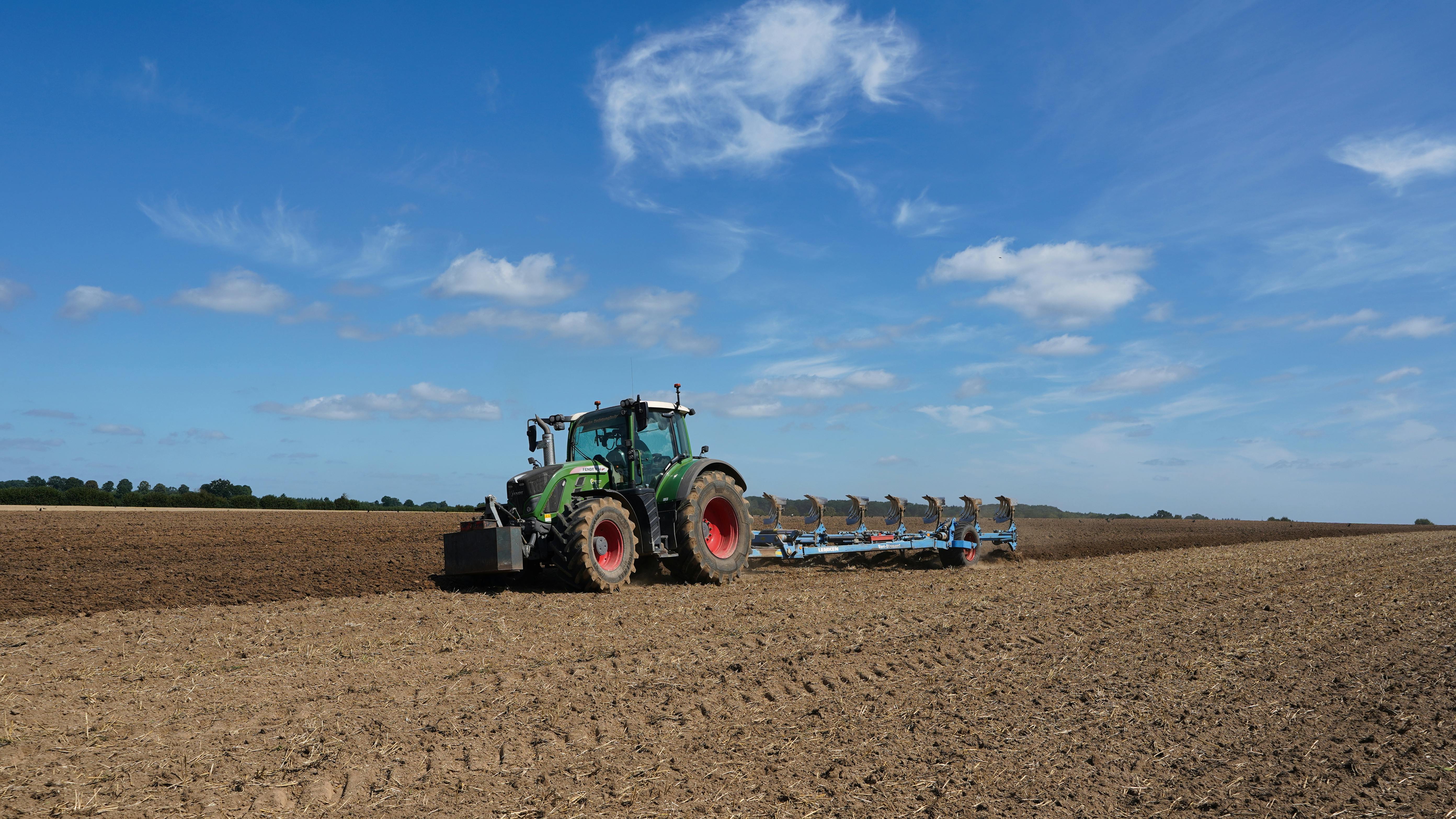
Kenya's agricultural sector is the backbone of its economy, supporting livelihoods for over 70% of the rural population. However, decades of conventional farming practices, characterized by intensive plowing and monoculture, have led to widespread soil degradation, nutrient depletion, and severe soil compaction. These issues significantly hinder productivity, escalate input costs, and make farmers more vulnerable to climate change impacts like droughts and floods. Recognizing these challenges, there's a growing movement towards sustainable agriculture and organic farming methods, which prioritize soil health, biodiversity, and ecological balance. The agribusiness growth in Kenya is increasingly leaning towards innovations that not only boost yields but also ensure the long-term viability of our precious farmlands. Zero tillage emerges as a crucial component of this new green revolution, offering a practical, affordable, and scientifically backed solution to rejuvenate our soils and secure food security for generations to come.
Key Insights & Strategies: Mastering No-Till for a Bountiful Future
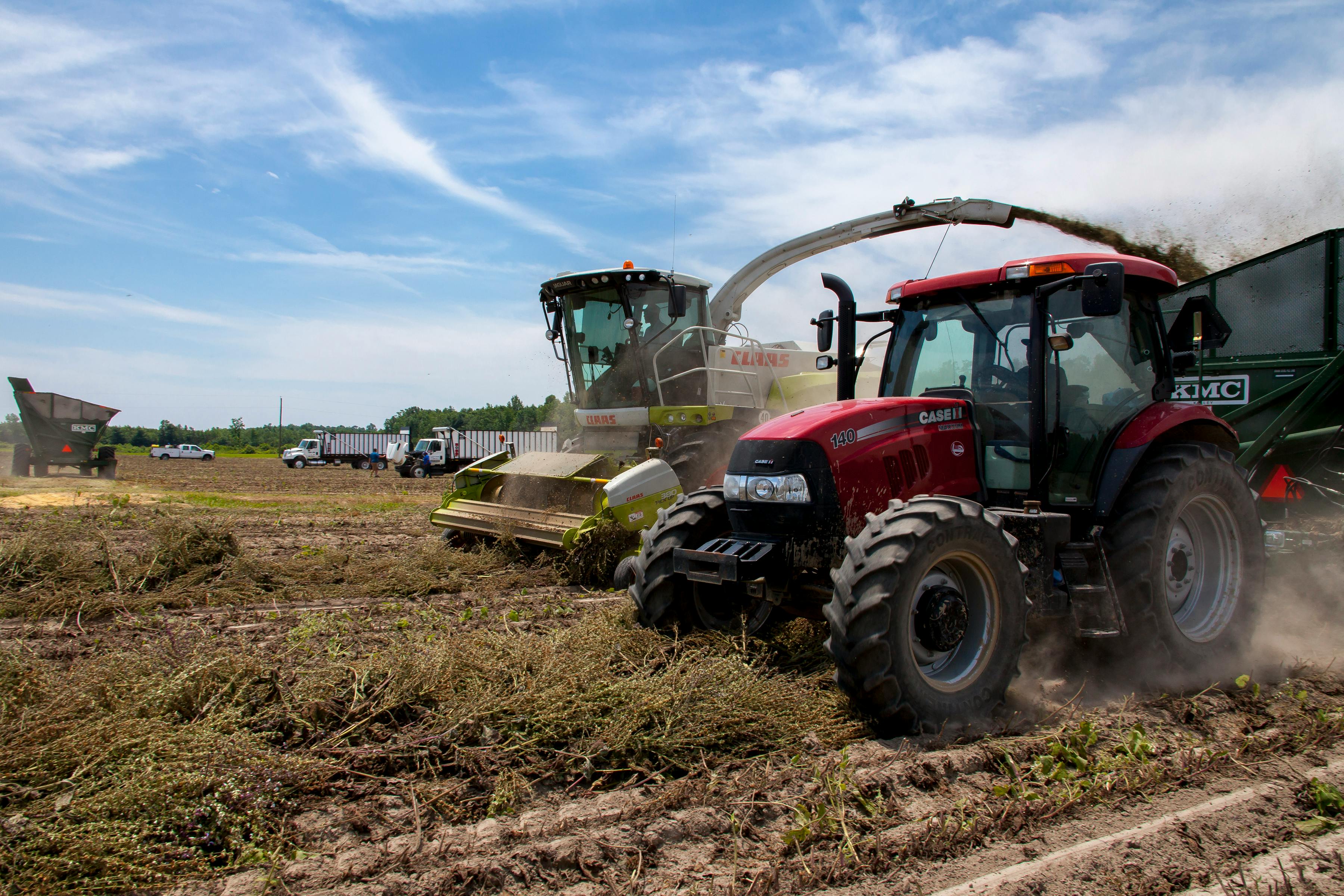
Embrace Residue Management for Soil Protection
One of the foundational principles of zero tillage is maintaining a permanent soil cover with crop residues. This acts as a protective blanket, shielding the soil from erosion, suppressing weeds, and regulating soil temperature. Over time, these residues decompose, enriching the soil with organic matter and fostering a vibrant microbial ecosystem.
Strategic Use of Cover Crops
Cover crops are living mulches planted between cash crop cycles or alongside them. They are instrumental in zero-tillage systems, preventing soil erosion, improving water infiltration, fixing nitrogen, and outcompeting weeds naturally. Research consistently shows that cover crops in zero-till systems can significantly outperform chemical fertilizers for maize yields by improving overall soil health.
For farmers looking to optimize their soil's health and readiness for cover crops, regular testing is key. Boost your yields with the Whitelabs Soil Test Kit for pH, NPK – available on Amazon . Understanding your soil's composition allows for precise nutrient management and informed decisions on cover crop selection and organic amendments.
Precision Planting for No-Till Success
Transitioning to zero tillage often requires adjustments to planting equipment. No-till planters are designed to cut through residues and place seeds accurately into undisturbed soil, ensuring optimal seed-to-soil contact for germination.
Efficient water management is equally vital in sustainable farming. Consider integrating an Orbit Drip Master Irrigation Kit – available on Amazon , a perfect solution for delivering water directly to the root zone, reducing waste and supporting healthy plant growth in your no-till fields.
Case Studies: Kenyan Farmers Paving the Way
Across Kenya, innovative farmers are successfully adopting zero-tillage practices, demonstrating its immense potential. In Busia County, a group of smallholder maize farmers, previously struggling with declining yields and high fuel costs, transitioned to zero tillage with the support of agricultural extension services. By consistently leaving crop residues and integrating pigeon pea as a cover crop, they reported a noticeable reduction in weeding labor by up to 40% and a 20% increase in maize yields within three seasons. This success is attributed to improved soil structure and enhanced moisture retention.
Another inspiring example comes from the Rift Valley, where a commercial farm specializing in wheat and barley adopted no-till practices alongside controlled traffic farming. They observed a significant improvement in soil organic matter content and earthworm activity, leading to better nutrient cycling. Their fuel consumption for land preparation dropped by over 50%, translating to substantial cost savings, a critical 'no-till benefit'. This shift has also made their farm more resilient to the erratic rainfall patterns increasingly common in the region.
These local successes align with global research from organizations like the Food and Agriculture Organization (FAO), which consistently advocates for conservation agriculture, including zero tillage, as a key strategy for food security and climate change adaptation in developing nations. (Source: FAO - Conservation Agriculture)
Common Mistakes to Avoid in Zero Tillage Transition
While the benefits of zero tillage are compelling, a successful transition requires careful planning and avoiding common pitfalls.
Expert Tips & Best Practices for Zero-Tillage Success
Achieving success with zero tillage requires a holistic approach, blending traditional knowledge with modern sustainable practices.
Remember, adopting zero tillage is a journey towards greater sustainability and profitability. For more in-depth guidance and access to cutting-edge resources, explore sustainable organic farming solutions with Biofarm Kenya .
Future Trends: Innovating for a Resilient Agricultural Tomorrow
The future of sustainable agriculture in Kenya is bright, with several exciting trends poised to complement and enhance zero-tillage practices. Smart irrigation systems, leveraging sensors and data analytics, will allow farmers to apply water precisely when and where it's needed, maximizing the 30% higher moisture retention seen in no-till fields. Vertical farming and urban agriculture initiatives are gaining traction, offering solutions for food production in densely populated areas and reducing pressure on conventional farmlands.
AI-driven crop monitoring, utilizing drones and satellite imagery, will provide farmers with real-time insights into crop health, pest infestations, and nutrient deficiencies, enabling proactive management. Biotechnology and advanced breeding techniques are developing drought-resistant and nutrient-efficient crop varieties perfectly suited for low-input, no-till systems. Furthermore, the growth of localized agri-tech hubs and digital platforms will empower Kenyan farmers with access to information, markets, and financial services, accelerating the adoption of these transformative practices. These innovations, combined with the core principles of zero tillage, will forge a truly resilient and profitable agricultural sector for Kenya.
Conclusion: Cultivating a Legacy of Sustainability
Zero tillage farming is more than just a technique; it's a philosophy that respects the intricate web of life within our soils, offering a sustainable blueprint for profitable agriculture in Kenya. By embracing minimal soil disturbance, integrating cover crops, and managing residues effectively, farmers can unlock significant 'no-till benefits' – from substantial cost savings and enhanced soil moisture to improved maize yields and long-term land fertility. The evidence, including findings from Jomo Kenyatta University, clearly demonstrates the economic and environmental advantages. As we move forward, the adoption of zero tillage, supported by continuous learning and innovative technologies, will be instrumental in building a resilient food system for Kenya. Discover trusted organic farming tools on Amazon and learn more about sustainable solutions with Biofarm Kenya . Together, we can cultivate a legacy of healthy soils and prosperous farms for generations to come.
FAQs: Your Zero Tillage Questions Answered
What are the primary 'no-till benefits' for Kenyan farmers?
The primary benefits include significant cost savings from reduced fuel and labor, improved soil moisture retention (up to 30% higher according to Jomo Kenyatta University 2024 data), enhanced soil structure and organic matter, reduced erosion, and increased biodiversity. These factors collectively lead to more stable and often higher crop yields, especially in the long run. (Source: Jomo Kenyatta University of Agriculture and Technology)
How does zero tillage help with 'soil compaction solutions'?
Zero tillage naturally addresses soil compaction by eliminating heavy machinery traffic and deep plowing, which are major causes of compaction. Instead, plant roots and increased biological activity create natural soil aggregates and channels, improving aeration and water infiltration. Over time, the soil becomes looser and more permeable. (Source: National Environment Management Authority (NEMA) Kenya)
What role do cover crops play in zero-tillage systems in Kenya?
Cover crops are vital in Kenyan zero-tillage systems as they protect the soil from erosion, suppress weeds, add organic matter, improve nutrient cycling (especially nitrogen fixation by legumes), and enhance soil structure. They act as a living mulch, complementing residue cover and significantly boosting soil health and fertility, often outperforming chemical fertilizers for maize yields. (Source: Kenya Agricultural & Livestock Research Organization (KALRO))
What specific equipment is needed to transition to zero tillage?
While some modifications can be made to existing equipment, specialized no-till planters are ideal. These planters are designed with heavy-duty openers to cut through crop residues and place seeds accurately into undisturbed soil. Other useful tools include roller-crimpers for cover crop termination and specialized sprayers for targeted weed management. (Source: Ministry of Agriculture, Livestock, Fisheries and Cooperatives Kenya)
How long does it take to see results when transitioning to zero tillage?
Farmers often observe initial benefits like reduced fuel consumption and improved soil moisture retention within the first season or two. However, significant improvements in soil organic matter, structure, and sustained yield increases typically take 3-5 years or more, as the soil ecosystem slowly rebuilds. Patience and consistent adherence to no-till principles are crucial for long-term success. (Source: Biofarm Kenya Blog)
Are there any specific challenges for zero tillage in diverse Kenyan climates?
Yes, challenges can include managing diverse weed species across different agro-ecological zones, especially during the transition phase. Selecting appropriate cover crops that thrive in varying rainfall patterns and temperatures is also critical. Residue management in areas with high demand for fodder or fuel can be an issue. However, these challenges can be overcome through adaptive management strategies, local research, and farmer-to-farmer learning. (Source: World Agroforestry Centre (ICRAF))


0 Comments