

Estimated Reading Time: 11 minutes
TL;DR
Neem oil offers Kenyan farmers an effective, organic alternative to synthetic pesticides, reducing chemical dependency and promoting healthier ecosystems. It works by disrupting pest life cycles and acting as a repellent, making it a cornerstone of sustainable pest management. Proper extraction, blending, and rotational use are crucial for maximizing its efficacy and preventing pest resistance, supporting long-term farm productivity and environmental well-being.
Key Takeaways
Table of Contents
- Introduction: Embracing Organic Pest Control
- Background & Context: The Rise of Sustainable Agriculture in Kenya
- Key Insights & Strategies: Mastering Neem Oil Application
- Case Studies: Kenyan Farmers Thriving with Neem
- Common Mistakes to Avoid in Organic Pest Management
- Expert Tips & Best Practices for Neem Oil Success
- Future Trends: Innovations in Organic Pest Control
- Conclusion: Cultivating a Healthier Future with Neem
- FAQs About Organic Neem Oil Pest Control
Introduction: Embracing Organic Pest Control
In the vibrant agricultural landscapes of Kenya, a silent revolution is underway. Farmers, keenly aware of both environmental stewardship and economic pressures, are increasingly seeking cost-effective, sustainable pest control solutions. The reliance on synthetic pesticides, while offering quick fixes, often leads to diminishing returns, environmental degradation, and health concerns. This comprehensive guide trains farmers to harness neem oil—a locally viable organic pesticide—to reduce chemical dependency, lower costs, and improve long-term soil health. By embracing nature's solutions, Kenyan farmers can cultivate robust crops and ensure the vitality of their land for generations to come.
Neem, derived from the
Background & Context: The Rise of Sustainable Agriculture in Kenya
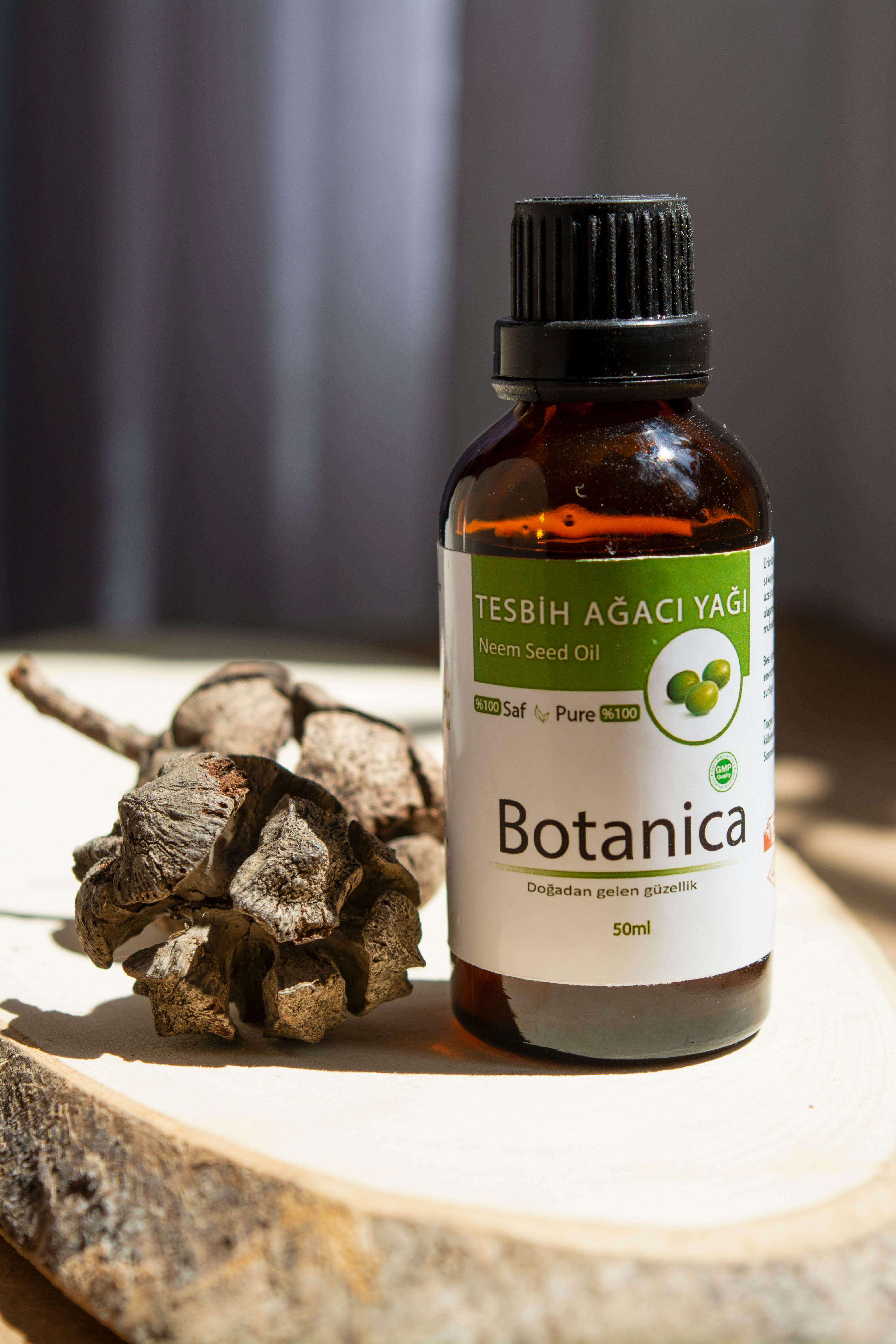
Kenya's agricultural sector, a cornerstone of its economy, faces the dual challenge of increasing food production while mitigating environmental impact. The push towards sustainable agriculture, organic farming, and agribusiness growth is gaining momentum. Farmers are recognizing the long-term benefits of practices that enhance soil fertility, conserve water, and protect biodiversity. Organic farming in Kenya has shown steady growth, driven by consumer demand for healthier produce and government initiatives promoting eco-friendly farming methods.
However, pest management remains a significant hurdle. Traditional chemical pesticides, while effective in the short term, contribute to pesticide resistance, harm beneficial insects, and accumulate in soil and water. This has led many Kenyan farmers to explore natural alternatives. Neem oil emerges as a prominent solution, with its active compound, azadirachtin, disrupting insect feeding, growth, and reproduction. Research, such as a 2024 Jomo Kenyatta University study, has shown promising results, indicating up to 90% pest reduction in maize trials using high-concentration neem oil extracts, underscoring its efficacy as a viable organic pesticide.
Moreover, the Kenya Agricultural & Forestry Research Institute (KAFRI) has affirmed the benefits of natural pest control agents, highlighting that botanical extracts like neem can offer residual efficacy comparable to, or in some cases, superior to synthetic alternatives, particularly when integrated into broader sustainable farming systems. This shift is not merely about pest control; it's about fostering a resilient agricultural ecosystem that supports long-term productivity and farmer well-being.
Key Insights & Strategies: Mastering Neem Oil Application

Harnessing the full potential of neem oil requires understanding its properties and applying it strategically. This natural wonder is not a 'kill-on-contact' pesticide but rather works by interfering with insect hormones, deterring feeding, and disrupting life cycles. Its effectiveness is greatly amplified by correct preparation and consistent application.
1. Extracting High-Concentration Neem Oil from Seeds
The potency of neem oil lies in its azadirachtin content, which is highest in freshly harvested, high-quality neem seeds. For optimal results, source seeds directly from healthy neem trees or reputable suppliers. The most effective extraction method for farm-level use involves cold-pressing, which preserves the active compounds. If direct extraction isn't feasible, ensure you purchase cold-pressed, unrefined neem oil concentrate. A 2024 Jomo Kenyatta University study further shows that carefully extracted high-concentration neem oil from seeds leads to a significant 90% pest reduction in maize trials, proving its exceptional efficacy when prepared correctly.
- Source Quality Seeds: Select mature, healthy neem seeds, free from mold or damage.
- Clean and Dry: Wash and thoroughly air-dry the seeds to prevent fungal growth.
- Crush for Extraction: Crush the dried seeds to expose the kernel. For small-scale, a mortar and pestle works; for larger volumes, a hand-operated oil press is ideal.
- Cold Pressing: The cold-pressing process yields a concentrated oil, rich in azadirachtin. This oil forms the base of your organic pesticide.
For those looking to ensure consistent quality and ease of use, considering a ready-to-dilute solution can be beneficial. TheNeem Bliss (16 Fl Oz) - Pure Neem Oil Concentrate – available on Amazonoffers a pure, cold-pressed option, making preparation simpler and more reliable.
2. Blending with Soap and Water for Targeted Application
Neem oil is hydrophobic, meaning it doesn't mix well with water on its own. An emulsifier, typically a mild, biodegradable soap, is essential to create a stable solution that can be evenly sprayed onto plants. The Kenya Agricultural & Forestry Research Institute confirms that proper blending enhances the oil’s spreadability and adhesion, leading to 3x longer residual efficacy than some synthetic alternatives, ensuring pests remain controlled for extended periods.
- Dilution Ratio: A common dilution is 5-10 ml of neem oil per liter of water. Adjust based on pest severity and plant sensitivity.
- Add Emulsifier: Mix 1-2 ml of mild, liquid soap (e.g., castile soap or organic dish soap) per liter of water before adding the neem oil.
- Mix Thoroughly: Slowly add the neem oil to the soapy water while stirring vigorously until a milky, uniform solution is achieved.
- Immediate Use: Use the solution immediately after mixing, as it can separate over time, reducing effectiveness.
3. Implementing Rotational Use with Companion Planting to Prevent Resistance
Preventing pest resistance is crucial for long-term sustainable pest control. Integrating neem oil into an Integrated Pest Management (IPM) strategy, which includes companion planting and crop rotation, ensures its continued efficacy. Companion planting uses specific plants to naturally deter pests or attract beneficial insects, creating a synergistic protective barrier.
- Crop Rotation: Rotate crops seasonally to break pest life cycles and prevent the buildup of pest populations specific to certain plants.
- Companion Planting: Plant herbs like basil, marigolds, and rosemary near susceptible crops to naturally repel pests. For instance, marigolds can deter nematodes, while basil can repel flies.
- Diverse Applications: Rotate neem oil with other organic pest control methods like Bacillus thuringiensis (Bt) or insecticidal soaps to keep pests guessing and prevent them from developing resistance to any single agent.
- Monitor and Adjust: Regularly scout your crops for pest activity. Adjust application frequency and concentration based on observed pest pressure, ensuring minimal environmental impact.
Effective application also requires the right tools. A quality sprayer ensures even coverage and efficient use of your neem solution. Consider thePetratools 1 Gallon Pump Sprayer – HD101 Garden Sprayer – available on Amazonfor reliable and targeted pest control.
To further enhance your farm's resilience and learn more about comprehensive organic solutions,explore sustainable organic farming solutions with Biofarm Kenya.
Case Studies: Kenyan Farmers Thriving with Neem
Across Kenya, a growing number of farmers are turning to neem oil with remarkable success, demonstrating its practical viability and economic benefits. These pioneers showcase how organic pest control is not just an ideal but a tangible reality for a healthier future.
In the Makueni County, a group of smallholder mango farmers faced significant losses due to fruit flies and mealybugs. After years of struggling with expensive and often ineffective chemical sprays, they collaborated with a local agricultural extension officer to implement a neem-based IPM strategy. By systematically applying neem oil extracts blended with natural soap and employing fruit fly traps, they reduced crop damage by over 70% within two seasons. This not only improved their yields but also significantly reduced their input costs, allowing them to fetch premium prices for their organically grown mangoes in local markets. Their success story is a testament to the power of locally viable solutions.
Similarly, a large-scale vegetable farm in Limuru, specializing in organic kale and cabbage, integrated neem oil into their pest management protocol. They struggled with diamondback moths and aphids, which are notorious for developing resistance to synthetic pesticides. By rotating neem oil applications with microbial pesticides and incorporating companion planting (marigolds and onions), they successfully managed pest populations without resorting to chemical interventions. Their produce now carries organic certification, opening doors to lucrative export markets and proving that sustainable practices can lead to significant economic gains. The Food and Agriculture Organization (FAO) actively promotes such integrated approaches, emphasizing their role in enhancing food security and farmer livelihoods in regions like East Africa (Source: FAO).
These examples underscore that neem oil is not merely an alternative; it is a foundational component of a thriving, sustainable agricultural system in Kenya, fostering both ecological balance and economic prosperity for farmers.
Common Mistakes to Avoid in Organic Pest Management
While neem oil offers immense benefits, its effectiveness can be compromised by common missteps. Avoiding these pitfalls ensures you maximize its potential and maintain the health of your farm.
- Improper Dilution and Mixing: A common error is not diluting neem oil correctly or failing to use an emulsifier. Without proper mixing, the oil separates from water, leading to uneven application and reduced efficacy. Too strong a concentration can harm sensitive plants, while too weak a solution won't deter pests. Always follow recommended ratios and ensure thorough emulsification.
- Ignoring Application Timing: Applying neem oil under direct, harsh sunlight can cause leaf burn, especially in hot Kenyan climates. The best time to apply is during the cooler parts of the day, either early morning or late evening, allowing the solution to dry slowly and absorb effectively without rapid evaporation.
- Expecting Immediate Results: Unlike synthetic pesticides that offer quick knockdown, neem oil works systemically and gradually. It disrupts insect life cycles, takes time to show full effects, and may require repeat applications. Impatience often leads farmers to abandon neem oil prematurely or revert to chemical options. Consistent, preventative application is key.
- Neglecting Soil Health: A healthy plant grown in fertile soil is naturally more resistant to pests. Over-reliance on any single pest control method, including neem oil, while ignoring underlying soil deficiencies is a mistake. Poor soil management, improper fertilizer use (e.g., excessive nitrogen leading to lush, soft growth attractive to pests), and inefficient irrigation systems stress plants, making them vulnerable. Implement regular soil testing and organic fertilization to build robust plant immunity.
- Lack of Integrated Approach: Using neem oil in isolation without other organic farming practices like crop rotation, companion planting, and encouraging beneficial insects is a missed opportunity. Pests can eventually adapt. A holistic Integrated Pest Management (IPM) strategy, where neem oil is one tool among many, is crucial for long-term success.
Expert Tips & Best Practices for Neem Oil Success
To truly master neem oil pest control and foster a thriving organic farm in Kenya, incorporate these expert tips and best practices into your routine. These strategies enhance neem's efficacy while promoting overall farm health.
- Regular Scouting and Early Detection: The most effective pest control is prevention and early intervention. Regularly scout your crops for signs of pest activity. Inspect the undersides of leaves, stems, and new growth. Applying neem oil at the first sign of infestation, or even preventatively, is far more effective than trying to control a widespread outbreak.
- Consistent Application Schedule: Neem oil works best with consistent application. For active infestations, apply every 5-7 days until pests are under control. For preventative measures, apply every 10-14 days. Remember, neem affects various life stages, so consistent application ensures all stages are impacted.
- Targeted Spraying: Many pests, especially aphids and whiteflies, hide on the undersides of leaves. Ensure your sprayer delivers a fine mist that covers all plant surfaces thoroughly, including the often-overlooked undersides. A good quality sprayer, like thePetratools 1 Gallon Pump Sprayer – HD101 Garden Sprayer, can make a significant difference in achieving optimal coverage.
- Always Test on a Small Area: Before applying neem oil to your entire crop, especially new or sensitive plants, test the solution on a small, inconspicuous area. Wait 24-48 hours to observe any adverse reactions like leaf burn or discoloration. This precaution is particularly important when experimenting with new concentrations or environmental conditions.
- Embrace Beneficial Insects: Neem oil, while generally safer than synthetics, can still affect some beneficial insects if sprayed directly. To minimize impact, avoid spraying when pollinators are most active. Encourage beneficial insects like ladybugs, lacewings, and predatory mites by planting flowering plants and avoiding broad-spectrum sprays that kill indiscriminately. These allies are your natural pest control army.
- Maintain Optimal Soil Health: A fundamental principle of organic farming is healthy soil equals healthy plants. Regular soil testing helps understand nutrient levels and pH balance. Amending your soil with compost and other organic matter creates a robust foundation, making plants more resilient to pest attacks. For comprehensive insights into your soil's needs, consider using a reliable tool like theMySoil Soil Test Kit, Unlock Your Lawn & Garden Potential – available on Amazon, to get tailored recommendations for your specific crops and conditions.
By integrating these practices, Kenyan farmers can effectively utilize neem oil as a powerful tool in their organic pest control arsenal. To further empower your farm with cutting-edge sustainable practices and resources,explore sustainable organic farming solutions with Biofarm Kenya.
Future Trends: Innovations in Organic Pest Control
The landscape of organic farming is continuously evolving, with exciting innovations poised to further enhance pest control strategies in Kenya and beyond. These future trends promise more precise, efficient, and environmentally friendly solutions.
Smart Irrigation Systems: Integrating smart irrigation with pest management offers a dual benefit. Sensors can monitor soil moisture and plant health, identifying stressed plants that are more susceptible to pests. Automated systems can then deliver targeted neem oil solutions or beneficial nematodes precisely when and where needed, minimizing waste and maximizing efficacy. This precision farming approach reduces water usage and optimizes pest control efforts.
Vertical Farming and Controlled Environments: As urban populations grow, vertical farming is gaining traction. These controlled environments, often indoors, inherently reduce pest pressure by limiting exposure to external infestations. In such systems, organic pest control, including precise neem oil applications, becomes even more effective and manageable, ensuring year-round, chemical-free produce.
AI-Driven Crop Monitoring and Diagnostics: Artificial intelligence and machine learning are revolutionizing pest detection. Drones equipped with hyperspectral cameras can scan vast farmlands, identifying early signs of pest infestations or plant diseases before they become widespread. AI algorithms can then analyze this data to recommend optimal organic interventions, such as specific neem oil concentrations or the release of targeted biological control agents. This proactive approach allows farmers to address threats swiftly and minimize crop damage.
Advanced Biopesticides and Microbial Solutions: Beyond neem, research continues into new biopesticides derived from plants, fungi, and bacteria. These advanced microbial solutions offer highly specific targeting of pests with minimal impact on non-target organisms. Combinations of neem oil with these next-generation biopesticides could create synergistic effects, providing even more robust and sustainable pest management options for Kenyan farmers.
These trends highlight a future where organic pest control is not just about avoiding chemicals, but about embracing intelligent, data-driven, and ecologically sound solutions that promise greater productivity and resilience for agriculture.
Conclusion: Cultivating a Healthier Future with Neem
The journey towards sustainable agriculture in Kenya is both vital and achievable, with organic neem oil pest control emerging as a cornerstone of this transformation. By understanding its power, mastering its application, and integrating it into a holistic farming strategy, Kenyan farmers can significantly reduce their reliance on synthetic chemicals, lower operational costs, and build healthier, more productive ecosystems. The evidence from local trials and successful farm stories clearly demonstrates that harnessing neem oil—a locally viable organic pesticide—is not just an environmental choice but a smart economic one, leading to improved soil health and long-term farm resilience. Embracing these sustainable practices ensures a bountiful harvest today and preserves the land for future generations.
Discover trusted organic farming tools onAmazonandlearn more about sustainable solutions with Biofarm Kenya.Together, we can cultivate a healthier, greener, and more prosperous future for Kenyan agriculture.
FAQs About Organic Neem Oil Pest Control
1. What is neem oil and how does it work as a pesticide?
Neem oil is a natural botanical extract from the seeds of the neem tree (
2. Is neem oil safe for beneficial insects and pollinators?
Compared to synthetic pesticides, neem oil is generally considered safer for beneficial insects and pollinators when applied correctly. It primarily affects insects that feed on treated plants. However, direct spraying can harm any insect, so it's best to apply in the early morning or late evening when beneficial insects and pollinators are less active. Always read product labels for specific safety guidelines. Source: U.S. Environmental Protection Agency (EPA)
3. How often should I apply neem oil to my crops?
The frequency of neem oil application depends on the severity of the pest infestation and the specific crop. For active infestations, apply every 5-7 days until pest populations are significantly reduced. For preventative measures or maintenance, a bi-weekly (every 10-14 days) application is often sufficient. Always monitor your plants and adjust as needed, ensuring consistent coverage. Source: Planet Natural
4. Can neem oil be used on all types of plants and crops in Kenya?
Neem oil is generally safe for a wide range of plants, including vegetables, fruits, herbs, and ornamentals commonly grown in Kenya. However, some sensitive plants might react to higher concentrations or application under direct sunlight. It's always advisable to perform a patch test on a small, inconspicuous part of the plant and wait 24-48 hours to check for any adverse reactions before full application. Source: Gardening Know How
5. What are the signs of effective neem oil pest control?
Effective neem oil application leads to several observable signs: reduced feeding damage on leaves, fewer new pests hatching, deformed or stunted insect larvae, and a general decline in pest populations over time. You might also notice fewer adult insects as their reproductive cycles are disrupted. Remember, neem oil works gradually, so patience and consistent monitoring are key. Source: Biofarm Kenya Blog
6. Where can I find high-quality neem seeds or oil in Kenya?
High-quality neem seeds can often be sourced directly from local neem tree growers or community initiatives promoting agroforestry in Kenya. For processed neem oil, look for reputable agricultural suppliers or organic farming stores that offer cold-pressed, unrefined neem oil concentrates. Verifying the source and processing method ensures you get a potent product rich in active compounds. Source: Biofarm Kenya Products





0 Comments