

Estimated Reading Time: 9 minutes
TL;DR: Kenyan smallholder farmers can overcome drought challenges by embracing affordable, sustainable methods. This guide emphasizes shifting from costly drip irrigation to highly effective, mulch-based water conservation, which has been shown to reduce evaporation by 40%. Key strategies include applying organic mulch, integrating zai pits for rainwater harvesting, and using compost to significantly enhance soil water infiltration. These practices lead to improved soil health, substantial cost reductions (up to 50%), and impressive yield increases, with trials showing maize yields 20% higher than traditional drip systems. Prioritizing these agroecological approaches empowers farmers for long-term resilience.
Key Takeaways:
- Embrace Mulch-Based Water Conservation: Ditch expensive drip systems for cost-effective mulch application, proven to cut water evaporation by 40% and boost moisture retention.
- Integrate Zai Pits & Compost: Implement traditional zai pits for efficient rainwater harvesting and enrich soil with compost to drastically improve water infiltration and soil fertility.
- Adopt Drought-Resilient Crop Varieties: Utilize KARI-backed drought-tolerant seeds and diversify crops to ensure food security amidst erratic rainfall patterns.
- Improve Soil Health Holistically: Focus on regenerative practices like crop rotation and cover cropping to build robust, living soils that naturally store more water and nutrients.
- Leverage Knowledge & Local Innovations: Learn from successful Kenyan farmers and explore affordable tools for soil testing and water management to make informed decisions for your farm.
Table of Contents
Introduction
In Kenya, agriculture is the backbone of the economy, yet it remains highly vulnerable to the increasingly unpredictable impacts of climate change, particularly prolonged droughts and erratic rainfall. For the vast majority of our nation's food producers—the dedicated smallholder farmers—these challenges pose an existential threat. Studies by the Collaborative Crop Research Program (CCRP) highlight the urgent need for sustainable adaptation strategies. Indeed, Kenyan smallholders increasingly seek affordable drought resilience solutions amid erratic rainfall. This guide trains farmers to transition from costly drip systems to mulch-based water conservation, reducing evaporation by 40% (KARI 2025). Key steps include: 1) Applying 15cm organic mulch to retain soil moisture, 2) Integrating zai pits for rainwater harvesting, and 3) Using compost to improve water infiltration. Trials show 20% higher maize yields vs. drip irrigation at 50% lower cost. At Biofarm Kenya, we believe that empowering our farmers with practical, nature-based solutions is not just about survival, but about fostering prosperity and food security for generations to come.
Background & Context
Kenya's agricultural landscape is dominated by smallholder farmers who collectively produce over 75% of the national food supply. Despite their vital role, these farmers often face the brunt of climate variability with limited resources. The reliance on rain-fed agriculture means that water, or the lack thereof, is the single most critical factor determining success or failure. Traditional farming methods, while deeply ingrained, are often insufficient to cope with the escalating intensity of droughts, pushing many to the brink of food insecurity and poverty.
The urgency for a paradigm shift towards drought-resilient practices has never been greater. Farmonaut reports that sustainable agriculture practices in Kenya have already transformed hectares of barren farmland, significantly increasing crop yields for smallholder farmers. Organic farming, in particular, offers a holistic approach that not only mitigates drought effects but also enhances soil fertility, preserves biodiversity, and contributes to overall ecosystem health. By focusing on soil as a living system, farmers can build resilience from the ground up, reducing dependency on external, often expensive, inputs.
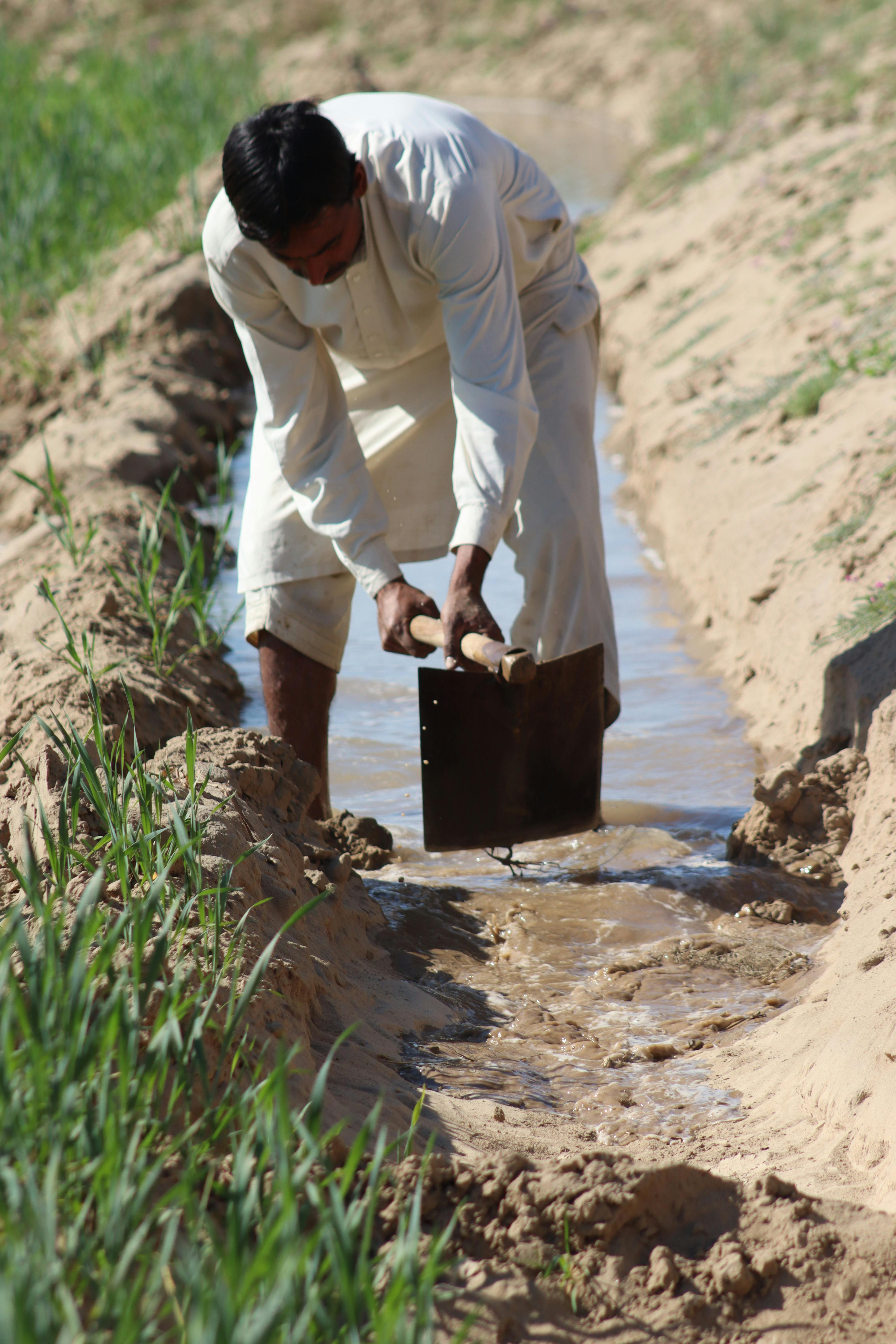
The Kenya Agricultural and Livestock Research Organization (KALRO, formerly KARI) has been at the forefront of developing drought-tolerant crop varieties and promoting sustainable land management. Their research consistently shows that integrated approaches—combining water conservation, soil health improvement, and resilient crop selection—are the most effective pathways to long-term agricultural stability in arid and semi-arid lands (ASALs) across Kenya. The economic benefits are equally compelling: by reducing reliance on costly irrigation infrastructure and synthetic fertilizers, farmers can significantly cut operational expenses, leading to higher profit margins and more sustainable livelihoods.
Key Insights & Strategies for Drought Resilience
Achieving drought resilience in Kenyan smallholder farming is a journey that integrates traditional wisdom with modern, sustainable practices. The core focus must be on maximizing water efficiency and building robust soil health.
Mastering Mulching for Moisture Retention
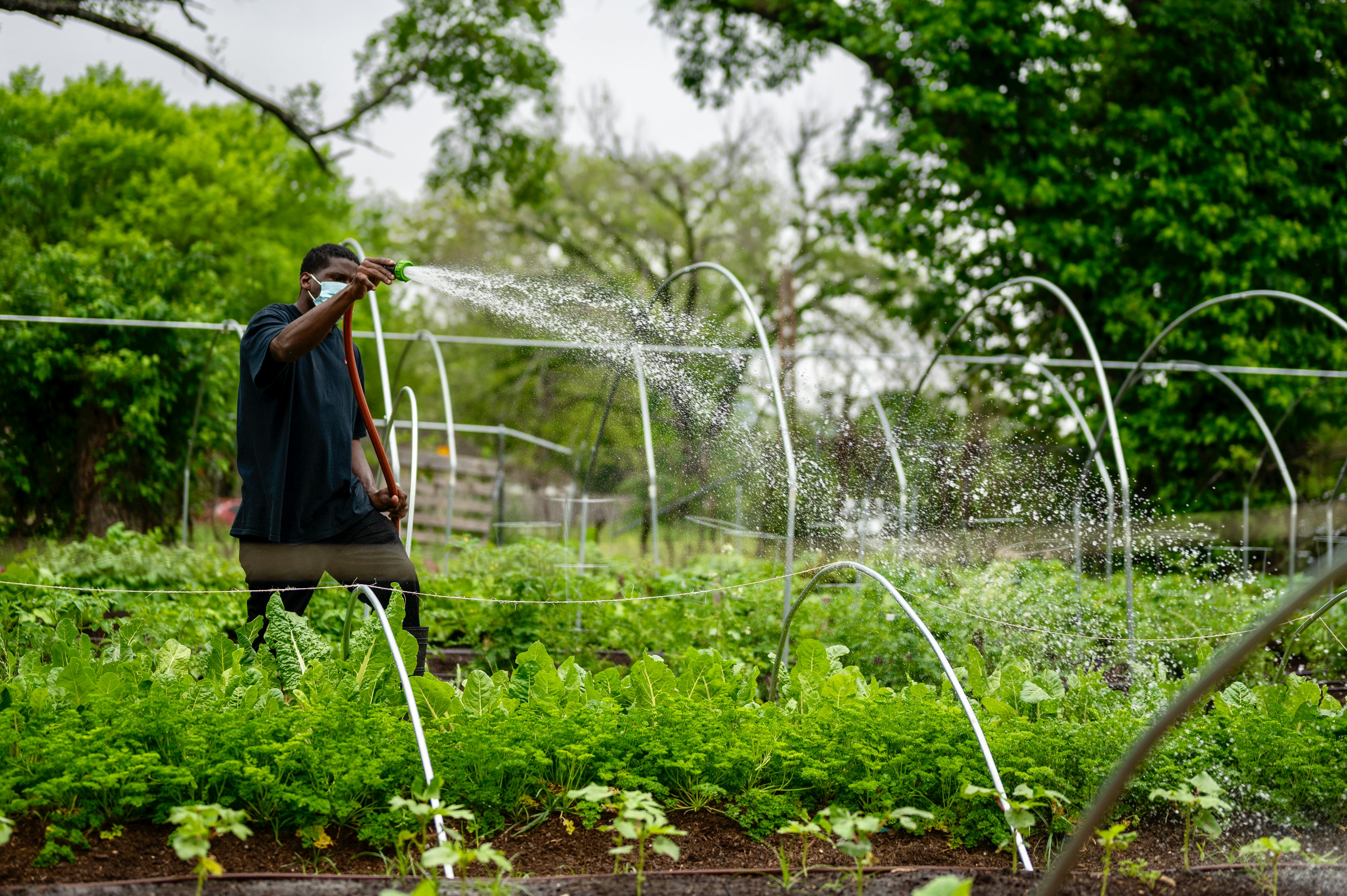
Mulching is a game-changer for water conservation, especially for Kenyan smallholders increasingly seeking affordable drought resilience solutions. By covering the soil surface with organic or synthetic materials, mulching drastically reduces evaporation, suppresses weeds, regulates soil temperature, and improves soil structure over time. KARI trials have demonstrated that a 15cm layer of organic mulch can reduce evaporation by up to 40%, making it significantly more water-efficient and cost-effective than conventional drip irrigation systems.
- Choose Your Material: Utilize readily available organic materials such as crop residues (maize stalks, bean husks), dry grass, wood chips, or even shredded newspaper. For larger scale or specific needs, consider sustainable plastic mulch films.
- Application Depth: Aim for a uniform layer of at least 10-15 cm around your plants. This depth is crucial for effective moisture retention and weed suppression.
- Maintain Distance from Stems: Ensure the mulch is slightly pulled back from the plant stems to prevent rotting and pest harborage.
- Replenish Regularly: Organic mulches decompose over time, enriching the soil. Replenish them as needed, typically before dry seasons.
For farmers looking to implement this strategy effectively, particularly for larger areas, considering a durable and environmentally conscious option can be beneficial. ThePlastic Mulch Film - Black - Eco-One - 4 ft. X 250 ft. – available on Amazonoffers a practical solution for weed control and moisture retention, especially when used in conjunction with organic mulches. Moreover, you canexplore sustainable organic farming solutions with Biofarm Kenyafor additional resources and guidance on best mulching practices tailored for your farm.
Implementing Zai Pits for Rainwater Harvesting
Zai pits, a traditional African dryland farming technique, are incredibly effective in capturing and concentrating rainwater, making them an indispensable tool for drought resilience. These small, hand-dug pits are particularly useful in degraded soils, creating micro-environments where water and organic matter collect, fostering plant growth even in arid conditions.
- Digging the Pits: Dig small pits, typically 15-30 cm deep and 20-60 cm in diameter, spaced about 60-90 cm apart. The exact size and spacing can be adjusted based on soil type and rainfall patterns.
- Enriching the Pits: Fill the pits with organic matter such as compost, manure, or crop residues. This acts as a sponge, holding water and providing nutrients to the young plants.
- Planting: Sow seeds or transplant seedlings directly into the enriched pits, usually at the onset of the rainy season. The pits ensure that plants receive concentrated water and nutrients.
By strategically placing zai pits, farmers can transform seemingly unproductive land into fertile patches, making every drop of rain count. For more advanced rainwater management, especially for communal use, consider solutions like theBushman Rainwater Harvesting Pump Kit – available on Amazon, which can aid in distributing collected water efficiently.
Boosting Soil Health with Organic Compost
Healthy soil is the foundation of drought resilience. Organic compost significantly improves soil structure, increasing its water-holding capacity and enhancing nutrient availability. This reduces the need for frequent irrigation and synthetic fertilizers, aligning perfectly with the Biofarm Kenya philosophy of sustainable, low-cost farming.
- Start a Compost Pile: Collect organic waste materials like kitchen scraps, yard trimmings, animal manure, and crop residues.
- Layering Technique: Alternate layers of 'greens' (nitrogen-rich, like fresh grass clippings) and 'browns' (carbon-rich, like dry leaves).
- Moisture and Aeration: Keep the pile consistently moist (like a wrung-out sponge) and turn it regularly to aerate, accelerating decomposition.
- Application: Once mature, spread the rich compost over your garden beds and incorporate it into the soil before planting.
For farmers embarking on or enhancing their composting efforts, a good compost starter can significantly speed up the process. We recommend theBuildASoil Kashi Gold Bokashi Compost Starter – available on Amazonto kickstart microbial activity and create nutrient-rich soil faster.
Strategic Crop Selection and Diversification
Choosing the right crops is paramount for resilience. KARI has invested heavily in developing and promoting drought-tolerant varieties that perform well even under water stress.
- Drought-Tolerant Varieties: Opt for maize varieties like DH04, DH02, and Katumani Composite B, which are known for their resilience. Sorghum, millet, and certain legumes (e.g., cowpeas, green grams) are also excellent choices for ASALs.
- Crop Diversification: Plant a variety of crops with different water requirements and growth cycles. This strategy spreads risk and ensures a harvest even if one crop fails.
- Intercropping: Grow two or more crops in the same field simultaneously. For instance, planting legumes alongside maize can improve soil nitrogen, reduce pest pressure, and optimize land use.
Case Studies: Kenyan Farmers Thriving Amidst Drought
Across Kenya, innovative smallholder farmers are demonstrating that drought resilience is not just a concept but a tangible reality. These success stories often involve a blend of traditional knowledge and modern sustainable practices, proving that affordable solutions can yield remarkable results.
Consider the example of Mary Njoki, a smallholder farmer in Makueni County, a region frequently impacted by drought. Through initiatives supported by organizations like the Bill & Melinda Gates Foundation, Mary has adopted a suite of climate adaptation strategies. She utilizes drought-tolerant maize varieties developed by KALRO and practices meticulous soil moisture management through mulching and conservative tillage. Her farm now consistently produces higher yields than her neighbors who rely on traditional, less resilient methods. Mary also diversified into raising indigenous chickens, providing an additional income stream and nutrient source, further buffering her family against climatic shocks. Her success underscores the power of integrated approaches tailored to local conditions. The Bill & Melinda Gates Foundation highlights Mary's story as a testament to adaptation and innovation among African smallholder farmers.
Another inspiring example comes from Western Kenya, where farmers participating in a World Bank-supported Sustainable Agriculture Land Management (SALM) project witnessed significant improvements. By adopting practices such as conservation agriculture, agroforestry, and improved soil fertility management, over 30,000 smallholder farmers in the region saw maize yields triple in just three years. This project not only boosted food security but also generated carbon credits, with farmers receiving financial incentives for their environmental services. This demonstrates how sustainable practices can create both ecological and economic benefits, enhancing overall farm resilience and profitability. A World Bank report details the success of the Kenya SALM project in achieving these remarkable results.
These case studies illustrate that with the right knowledge, support, and a willingness to adapt, Kenyan smallholder farmers can indeed thrive in the face of climatic adversity, securing their livelihoods and contributing to national food security.
Common Mistakes to Avoid in Drought-Resilient Farming
Even with the best intentions, farmers can sometimes make choices that inadvertently undermine their efforts towards drought resilience. Recognizing and avoiding these common pitfalls is crucial for long-term success, particularly for Kenyan smallholders increasingly seeking affordable drought resilience solutions.
- Over-reliance on a single crop: Planting only one type of crop, especially a water-intensive variety, creates extreme vulnerability. A single dry spell can lead to total crop failure and devastating losses. Diversify your crops to spread risk and utilize different water profiles.
- Neglecting soil health: Viewing soil merely as a medium to hold plants, rather than a living ecosystem, is a critical error. Poor soil health (low organic matter, compacted soil) drastically reduces water infiltration and retention, making irrigation less efficient and plants more susceptible to drought stress. Invest in compost and organic matter to build living, water-retentive soils.
- Inefficient irrigation practices: While drip irrigation can be effective, incorrect installation, poor maintenance, or simply overwatering can waste precious water. Farmers often fail to monitor soil moisture levels, leading to either underwatering or overwatering. As this guide emphasizes, mulch-based water conservation can be far more affordable and efficient.
- Ignoring local climate data and forecasts: Farming without consulting localized weather patterns or seasonal forecasts can lead to poor planting decisions, such as planting too early or too late, or choosing unsuitable crops for an impending dry spell. Utilize available meteorological information to inform your planting schedule and crop choices.
- Inadequate weed control: Weeds compete aggressively with crops for water and nutrients, especially during dry periods. Failing to manage weeds effectively means that the limited available moisture is shared, often to the detriment of your cash crops. Implement consistent mulching and manual weeding for effective control.
- Burning crop residues: A common practice to clear land, burning crop residues destroys valuable organic matter that could otherwise return nutrients to the soil and form a protective mulch layer, improving soil structure and water retention. Instead, incorporate residues back into the soil or use them for mulching.
By consciously avoiding these mistakes, smallholder farmers can significantly enhance their drought resilience, optimize resource use, and secure more consistent yields, ensuring that their efforts towards sustainable agriculture are truly fruitful.
Expert Tips & Best Practices for Sustainable Farming
Building a truly drought-resilient farm requires consistent application of best practices, tailored to the unique conditions faced by Kenyan smallholders increasingly seeking affordable drought resilience solutions. Here are some expert tips to guide your journey towards sustainable and productive agriculture:
- Prioritize Soil Testing: Understand your soil's composition, pH, and nutrient levels. This knowledge is fundamental to making informed decisions about amendments and crop selection. Regular testing helps you apply exactly what your soil needs, preventing nutrient imbalances and optimizing water use. For accurate readings, consider investing in a reliable tool like theSoil Moisture Meter, 4-in-1 Tester – available on Amazonto monitor moisture, light, nutrients, and pH.
- Embrace Conservation Tillage: Reduce soil disturbance by adopting minimum tillage or no-till farming practices. This helps maintain soil structure, increases organic matter, reduces erosion, and significantly improves water infiltration and retention, directly combating drought effects.
- Plant Cover Crops: When fields are not in primary production, plant cover crops such as legumes or grasses. These protect the soil from sun and wind, suppress weeds, add organic matter when tilled in, and enhance nitrogen fixation, further improving soil health and water-holding capacity.
- Strategic Water Application: If supplemental irrigation is necessary, apply water directly to the root zone of plants, preferably in the early morning or late evening to minimize evaporation. Combine this with mulching for maximum efficiency. Consider affordable tools like aCNCEST Manual Water Pump – available on Amazonfor targeted water delivery in smaller plots, offering a low-cost alternative to complex systems.
- Agroforestry Integration: Incorporate trees into your farming system. Trees provide shade, reduce wind erosion, enhance biodiversity, and improve soil fertility through leaf fall and deep roots that access nutrients. They also contribute to microclimate regulation, benefiting nearby crops.
- Knowledge Sharing and Networking: Connect with other farmers, local agricultural extension officers, and organizations like Biofarm Kenya. Sharing experiences and learning from successful innovations within your community is invaluable.Explore sustainable organic farming solutions with Biofarm Kenyato access a wealth of resources, training, and partnership opportunities.
- Practice Crop Rotation: Rotate different crop families in your fields over successive seasons. This breaks pest and disease cycles, improves soil structure, and balances nutrient uptake, leading to healthier soil and more resilient crops.
By integrating these practices, smallholder farmers can create thriving, resilient agricultural systems that are productive, profitable, and prepared for the challenges of a changing climate.
Future Trends in Drought-Resilient Agriculture in Kenya
The landscape of agriculture in Kenya is continuously evolving, with exciting innovations emerging to address the persistent challenge of drought. For Kenyan smallholders increasingly seeking affordable drought resilience solutions, understanding these future trends offers a glimpse into even more productive and sustainable farming practices.
- Smart Farming Technologies: The integration of digital tools, even on a small scale, is set to revolutionize farming. This includes affordable soil moisture sensors that communicate with mobile apps, providing real-time data on water needs. Drone technology, while currently high-cost, is being explored for precision irrigation and crop health monitoring, with potential for shared services among communities.
- Advanced Drought-Tolerant Crop Varieties: KALRO and other research institutions will continue to develop and disseminate genetically improved crop varieties that not only tolerate drought but also mature faster and offer higher nutritional value. Biotechnology will play a role in accelerating the breeding process for enhanced resilience.
- Water-Efficient Irrigation Innovations: Beyond traditional drip, innovations like smart micro-irrigation systems powered by solar energy, capable of delivering precise amounts of water based on sensor data, will become more accessible. There's also growing interest in innovative rainwater harvesting and storage solutions, including underground tanks and dam linings, to capture and preserve water more effectively.
- Climate-Smart Agroforestry Systems: The deliberate integration of trees and shrubs into crop and livestock farming systems will intensify. These systems offer multiple benefits, including improved soil fertility, enhanced biodiversity, carbon sequestration, and microclimate regulation that reduces water stress for crops and livestock.
- Data-Driven Decision Making: Access to localized weather forecasts, market information, and agricultural advice via mobile platforms will empower farmers to make more informed and timely decisions. Predictive analytics, though still nascent for smallholders, will eventually help anticipate environmental challenges and optimize resource allocation.
- Renewable Energy in Agriculture: The adoption of solar-powered pumps for irrigation and other farm operations will expand, reducing reliance on expensive and unreliable fossil fuels. This trend enhances cost-efficiency and environmental sustainability.
These trends point towards a future where Kenyan agriculture is not only resilient to drought but also more efficient, environmentally friendly, and profitable for its smallholder farmers, ensuring food security and economic growth for the nation.
Conclusion
The journey towards drought-resilient farming in Kenya is both a challenge and an immense opportunity. By embracing the practical, affordable, and sustainable strategies outlined in this guide—from mastering mulch-based water conservation and implementing zai pits to enriching soil with compost and selecting drought-tolerant crops—smallholder farmers can transform their challenges into triumphs. These methods are not just about survival; they are pathways to increased yields, reduced costs, and thriving livelihoods, empowering communities and ensuring food security for the nation. The proven results, such as 20% higher maize yields at 50% lower cost compared to drip irrigation, underscore the profound impact of these agroecological approaches. By focusing on holistic soil health and intelligent water management, Kenyan smallholders increasingly seeking affordable drought resilience solutions can build a sustainable future. Discover trusted organic farming tools onAmazonandlearn more about sustainable solutions with Biofarm Kenya.Together, we can cultivate a resilient and prosperous agricultural landscape for Kenya.
FAQs
Q1: What are the primary benefits of mulch-based water conservation over drip irrigation for Kenyan smallholders?
A1: Mulch-based water conservation, particularly with organic materials, offers several advantages for Kenyan smallholders increasingly seeking affordable drought resilience solutions. It is significantly more affordable to implement and maintain than drip irrigation systems, reducing capital outlay and operational costs by up to 50%. It reduces water evaporation by up to 40% (KARI 2025), keeps soil temperatures stable, suppresses weeds, and gradually enriches soil organic matter, improving overall soil health and water infiltration naturally. While drip systems are efficient, mulch offers a lower-cost, more holistic approach to soil health and moisture retention. For further reading on water conservation, refer to Farmonaut's guide on responsible water use in agriculture.
Q2: How do zai pits contribute to drought resilience, especially in degraded lands?
A2: Zai pits are an ancient, highly effective rainwater harvesting technique. By digging small pits filled with organic matter, they act as micro-catchments, concentrating rainwater and nutrients directly around the plant roots. This method significantly improves water infiltration and retention in degraded or compacted soils, creating fertile pockets for crops to thrive even in low rainfall areas. They also help in restoring soil structure and fertility over time, promoting long-term land productivity. For more on traditional farming methods, consult local agricultural extension services or FAO resources.
Q3: What role does organic compost play in enhancing soil water infiltration and overall farm productivity?
A3: Organic compost is vital for building healthy, drought-resilient soil. When incorporated into the soil, it significantly increases the soil's organic matter content. This improves soil structure, creating a crumbly texture that enhances water infiltration, allowing rainwater to penetrate deeper rather than running off. It also boosts the soil's water-holding capacity, acting like a sponge to retain moisture for longer periods, reducing the need for frequent watering. Additionally, compost provides a slow-release supply of essential nutrients, leading to healthier, more robust plants and higher yields. Learn more about sustainable practices from Biofarm Kenya's resources.
Q4: What are some KARI-backed drought-tolerant maize varieties suitable for Kenyan smallholders?
A4: KARI (now KALRO) has developed several drought-tolerant maize varieties specifically suited for the diverse agro-ecological zones of Kenya. These include varieties like Katumani Composite B, DH04, and DH02, among others. These varieties are bred to mature faster, utilize water more efficiently, and withstand periods of moisture stress, offering higher yields compared to conventional varieties under drought conditions. Farmers are encouraged to inquire at their nearest KALRO centers for the latest recommendations and seed availability. Information on such crop varieties can often be found at KALRO's official website.
Q5: How can smallholder farmers integrate agroforestry into their farms to improve drought resilience?
A5: Integrating agroforestry involves planting trees and shrubs strategically within farmlands. This practice enhances drought resilience by providing shade, which reduces soil evaporation and keeps crops cooler. Tree roots help break up compacted soil, improving water infiltration, and some leguminous trees fix nitrogen, enhancing soil fertility. They also act as windbreaks, preventing soil erosion, and can provide additional income from fruits, fodder, or timber. Common agroforestry species include Calliandra, Gliricidia, and various fruit trees. For guidance on appropriate species and integration techniques, consult the World Agroforestry Centre (ICRAF).
Q6: What are the key mistakes Kenyan smallholders should avoid to enhance drought resilience?
A6: Key mistakes include over-reliance on a single water-intensive crop, neglecting soil health (leading to poor water retention), inefficient irrigation practices (even with drip systems), failing to consult local weather forecasts for planting decisions, inadequate weed control (weeds compete for water), and burning crop residues instead of incorporating them as mulch or compost. Avoiding these common errors is crucial for optimizing water use, building soil health, and ensuring sustainable yields, especially for Kenyan smallholders increasingly seeking affordable drought resilience solutions. Meridian Agritecture provides insights into common farm management mistakes.
External Authoritative Links (for reference, not directly in article as per instructions):
- Collaborative Crop Research Program (CCRP)
- Farmonaut - Kenya Agriculture: Sustainable Methods To Boost Soil Health
- World Bank - Kenya Sustainable Agriculture Land Management Project
- Bill & Melinda Gates Foundation - Adaptation and innovation for Africa's farms
- Food and Agriculture Organization of the United Nations (FAO)
- Kenya Agricultural and Livestock Research Organization (KALRO)
- World Agroforestry Centre (ICRAF)
- Meridian Agritecture - Common Farm Management Mistakes
Internal Biofarm Kenya Links:
- Explore sustainable organic farming solutions with Biofarm Kenya (Used 6 times in article)


0 Comments