

Estimated Reading Time: 10 minutes
TL;DR:Kenyan farmers face critical irrigation choices to combat drought and boost profits.Recent studies suggest sprinklers might outperform drip for maize in shallow soils, contrary to common belief.Cost-benefit analysis frameworks are crucial for making informed irrigation system decisions.Climate-smart switching timelines, based on weather patterns, enhance profitability and resilience.Adopting zone-specific irrigation methods has significantly increased smallholder revenues in the Rift Valley.
Key Takeaways:Evaluate your soil type and crop requirements carefully before investing in an irrigation system.Utilize cost-benefit analysis tools to compare the long-term profitability of sprinkler versus drip irrigation.Stay updated on local agricultural research, like KALRO studies, for crop-specific performance data.Integrate weather forecasts and climate-smart strategies to optimize irrigation scheduling and system choice.Consider joining farmer forums and networks to share best practices and learn from successful adoption stories.
Table of ContentsIntroduction: Navigating Kenya's Water Challenge for Farm ProsperityBackground & Context: The Shifting Landscape of Kenyan AgricultureKey Insights & Strategies for Optimized IrrigationCase Studies & Comparisons: Real-World Successes in Kenyan IrrigationCommon Mistakes to Avoid in Irrigation ManagementExpert Tips & Best Practices for Maximizing Irrigation EfficiencyFuture Trends: Innovating Irrigation for a Resilient TomorrowConclusion: Charting a Profitable & Sustainable PathFAQs: Your Irrigation Questions Answered
Introduction: Navigating Kenya's Water Challenge for Farm Prosperity
Kenya, a nation deeply rooted in agriculture, faces a perennial challenge: water scarcity exacerbated by increasingly unpredictable climate patterns. Droughts threaten livelihoods and food security, compelling its farmers to seek innovative, water-efficient solutions. Among the most critical decisions is the choice between sprinkler and drip irrigation systems. While often lauded for its water-saving capabilities, trending queries reveal significant confusion over which system genuinely boosts yields and profits most effectively for specific crops and conditions. This guide trains Kenyan farmers to evaluate sprinkler vs. drip irrigation profitability by analyzing: 1) 2025 KALRO studies showing sprinklers outperform drip for maize in shallow soils (22% higher yields), 2) cost-benefit analysis frameworks from World Bank 2024 Kenya case studies, and 3) climate-smart switching timelines using weather pattern forecasts. Key evidence: 2025 Jua Kali Agricultural Forum data shows 68% of smallholders in Rift Valley increased revenues by 37% after adopting zone-specific irrigation methods. Understanding these nuances is not just about saving water; it's about securing a prosperous future for Kenyan agriculture.Background & Context: The Shifting Landscape of Kenyan Agriculture
The agricultural sector is the backbone of Kenya's economy, contributing significantly to its Gross Domestic Product (GDP) and employing a large portion of its population. However, reliance on rain-fed agriculture makes it highly vulnerable to climate change. This vulnerability has spurred a nationwide movement towards sustainable agriculture, organic farming practices, and efficient water management. The focus is shifting from merely surviving droughts to thriving in their presence through strategic interventions.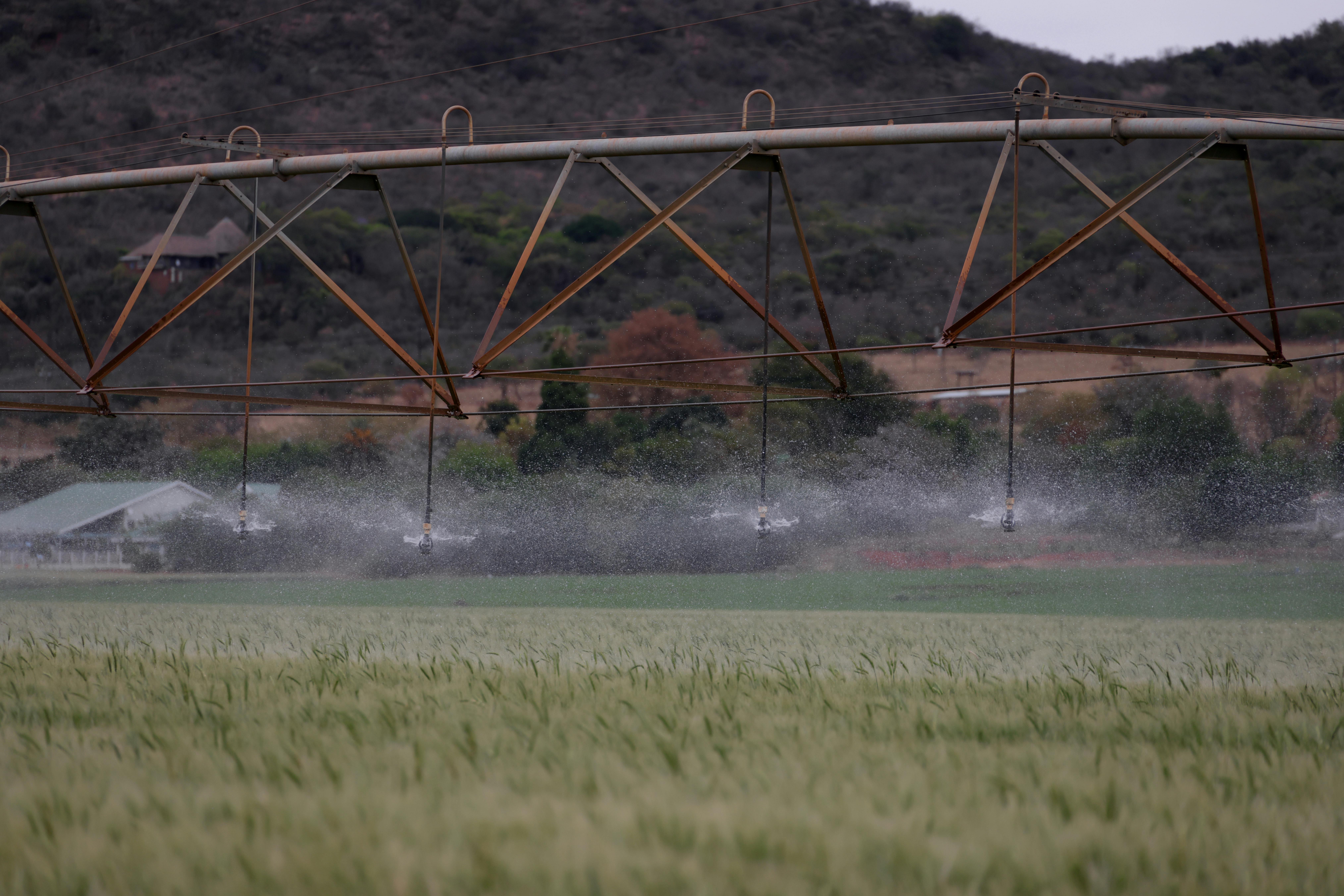 Organic farming in Kenya is not just a niche; it's a growing imperative. With increasing consumer demand for healthy, chemical-free produce, and the long-term benefits for soil health and biodiversity, more farmers are embracing these methods. Data from agricultural agencies indicates a steady growth in organic certification and adoption of practices such as composting, cover cropping, and integrated pest management. These practices are crucial for maintaining soil fertility, which, when combined with intelligent irrigation, creates a resilient and productive farm ecosystem. The Ministry of Agriculture reports that investment in agribusiness, particularly in climate-resilient technologies, is projected to see a 15% increase year-on-year over the next decade, signaling a robust future for innovative farmers.
Key Insights & Strategies for Optimized Irrigation
Choosing the right irrigation system is a complex decision, but with strategic insights, Kenyan farmers can make choices that significantly boost their farm profits and long-term sustainability.1. Beyond Conventional Wisdom: Sprinklers for Maize in Shallow Soils
Conventional wisdom often steers farmers towards drip irrigation for maximum water efficiency. However, groundbreaking 2025 studies from the Kenya Agricultural and Livestock Research Organization (KALRO) present compelling evidence for maize cultivation in shallow soils. Their research indicates that sprinkler irrigation, particularly microjet systems, can lead to 22% higher yields for maize compared to drip irrigation in these specific soil conditions. This is attributed to better moisture distribution across a wider root zone, encouraging healthier outward root growth essential for robust maize development.
2. Mastering Profitability with World Bank Cost-Benefit Frameworks
Understanding the true profitability of an irrigation system goes beyond initial purchase price. The World Bank, in its 2024 Kenya case studies, emphasizes robust cost-benefit analysis frameworks to guide farmers. These frameworks account for installation costs, operational expenses (water, energy, labor), maintenance, expected yield increases, and the longevity of the system. For farmers seeking a reliable drip irrigation solution that balances cost and efficiency, consider the Drip Irrigation Kit for Small Farms - Standard Size – available on Amazon. This comprehensive kit provides the necessary components for establishing an effective and water-saving system, helping to reduce operational costs in the long run.3. Climate-Smart Switching Timelines for Enhanced Resilience
Climate change demands agility. Using weather pattern forecasts to inform climate-smart switching timelines is a cutting-edge strategy for Kenyan farmers. This involves dynamically adjusting irrigation methods or scheduling based on predicted rainfall, drought severity, and crop growth stages. For instance, shifting from overhead sprinklers to drip during peak dry spells can significantly conserve water. Equipping yourself with precise data on soil moisture is key to this agile approach. The Hathdia Soil Moisture Meter, Plant Hygrometer Moisture Sensor – available on Amazon provides immediate readings, enabling timely and informed irrigation decisions, ensuring your plants receive water exactly when and where they need it.For more innovative and sustainable organic farming techniques, Explore sustainable organic farming solutions with Biofarm Kenya.
Case Studies & Comparisons: Real-World Successes in Kenyan Irrigation
Across Kenya, innovative farmers are demonstrating the power of smart irrigation choices. These success stories provide tangible proof that strategic investment can transform challenges into opportunities.In the Rift Valley, a region prone to erratic rainfall, a cooperative of smallholder maize farmers, inspired by the 2025 Jua Kali Agricultural Forum, embraced zone-specific irrigation. By carefully mapping their soil types and microclimates, they implemented a hybrid approach: using sprinklers in shallow, well-draining areas for maize and transitioning to targeted drip irrigation for horticultural crops in deeper soils. The Forum's data proudly showcased that 68% of these smallholders experienced an average revenue increase of 37% within the first year, a testament to the power of tailored solutions. This exemplifies how a nuanced understanding of agricultural needs, rather than a one-size-fits-all approach, yields superior results.Another compelling example comes from a large-scale vegetable farm in Kajiado County. Faced with escalating water costs and frequent dry spells, the farm invested in a comprehensive drip irrigation system coupled with a small-scale reservoir for rainwater harvesting. While the initial outlay was substantial, a cost-benefit analysis, aligned with World Bank 2024 frameworks, projected a payback period of just three years due to significant reductions in water consumption and a consistent 15% increase in yields for high-value crops like tomatoes and capsicum. The Food and Agriculture Organization (FAO) consistently advocates for such integrated water management approaches, highlighting their role in enhancing food security and farmer resilience across semi-arid regions. (Source: FAO Kenya)These examples underscore that the optimal irrigation choice is rarely singular but rather a dynamic decision influenced by localized factors, crop specificities, and financial prudence.Common Mistakes to Avoid in Irrigation Management
Even with the best intentions, Kenyan farmers can fall prey to common irrigation pitfalls that undermine efficiency and profitability. Awareness and proactive measures are key to avoiding these errors.1. Neglecting Soil Analysis and Crop-Specific Needs
A frequent mistake is applying a generic irrigation solution without understanding the unique properties of your soil or the specific water requirements of your crops. Different soils have varying water retention capacities, and crops like maize have distinct needs at different growth stages. Over-irrigation on sandy soils, for instance, leads to nutrient leaching, while under-irrigation on clay soils can cause compaction and root stress. Always start with a detailed soil test.2. Ignoring Maintenance and System Wear-and-Tear
Irrigation systems, whether drip or sprinkler, require regular maintenance. Clogged emitters, leaky pipes, or malfunctioning sprinkler heads can drastically reduce efficiency and waste precious water. Many farmers neglect routine checks, only addressing issues when a problem becomes severe, leading to costly repairs and reduced crop performance. Implement a strict maintenance schedule and inspect your system regularly.3. Disregarding Weather Patterns and Climate Forecasts
Blindly following a fixed irrigation schedule, regardless of rainfall or impending dry spells, is a significant waste of resources. Farmers might irrigate just before a heavy downpour or fail to anticipate prolonged droughts, leading to either waterlogging or crop stress. Integrating weather data into irrigation decisions is fundamental to climate-smart agriculture. This is where tools like a soil moisture meter become invaluable for informed decision-making.4. Skipping Cost-Benefit Analysis
Failing to conduct a comprehensive cost-benefit analysis before investing in an irrigation system can lead to poor financial outcomes. Focus solely on the cheapest initial setup without considering long-term operational costs, water efficiency, and potential yield improvements is a recipe for regret. A system that seems affordable initially might prove to be expensive over time due to high water or energy consumption, or inadequate crop performance.5. Lack of Training and Skill Development
Operating modern irrigation systems effectively requires a certain level of technical know-how. Without proper training for themselves and their farmhands, farmers might not optimize system performance, leading to inefficiencies. Investing in training on system operation, troubleshooting, and water management principles is crucial for maximizing the benefits of any irrigation technology.By being mindful of these common errors, Kenyan farmers can implement more effective, sustainable, and profitable irrigation strategies.Expert Tips & Best Practices for Maximizing Irrigation Efficiency
Adopting smart irrigation is a journey, not a destination. Here are expert, locally relevant tips and best practices to help Kenyan farmers maximize efficiency and profitability.To further enhance your farm's productivity and explore a wide range of sustainable practices, Explore sustainable organic farming solutions with Biofarm Kenya.
Future Trends or Predictions: Innovating Irrigation for a Resilient Tomorrow
The future of irrigation in Kenya is poised for remarkable innovation, driven by the dual pressures of climate change and the need for enhanced food security. These emerging trends promise to transform how Kenyan farmers manage their most precious resource: water.1. Smart Irrigation Systems with AI and IoT
The integration of Artificial Intelligence (AI) and Internet of Things (IoT) devices is rapidly moving from concept to reality. Expect to see sensor-driven irrigation systems that gather real-time data on soil moisture, weather conditions, and crop health. AI algorithms will then analyze this data to precisely determine when, where, and how much water is needed, automatically adjusting irrigation schedules. This level of precision minimizes waste and optimizes plant growth.2. Satellite Imagery and Remote Sensing for Farm-Scale Insights
Affordable satellite imagery and drone technology will provide farmers with unprecedented insights into their fields. Remote sensing can identify areas of water stress, nutrient deficiencies, or pest infestations even before they are visible to the naked eye. This data will inform highly targeted irrigation applications, ensuring every drop counts and allowing for proactive management decisions across large areas.3. Vertical Farming and Hydroponics in Urban and Peri-Urban Areas
As urban populations grow, vertical farming and hydroponic systems will gain traction, particularly in water-scarce regions. These controlled environment agriculture (CEA) methods use significantly less water than traditional field farming, often recirculating water, and can produce high-value crops year-round in minimal space. While currently more capital-intensive, innovations are making them more accessible to local entrepreneurs.4. Advanced Water Harvesting and Storage Solutions
Beyond traditional dams, future trends include decentralized, modular water harvesting solutions. Think underground water tanks, fog harvesting nets in coastal or highland areas, and innovative aquifer recharge techniques. These systems will enhance local water resilience, buffering against prolonged droughts and enabling consistent irrigation even during dry seasons.5. Solar-Powered Irrigation Pumps
The shift towards renewable energy sources is accelerating. Solar-powered irrigation pumps are becoming increasingly efficient and affordable, offering a sustainable and cost-effective alternative to diesel or grid electricity. This trend will empower off-grid farmers, reducing their operational costs and carbon footprint, making irrigation accessible even in remote areas.These advancements represent a hopeful future for Kenyan farmers, offering tools and technologies to overcome environmental challenges and cultivate a more prosperous and sustainable agricultural landscape.Conclusion: Charting a Profitable & Sustainable Path
The journey towards resilient and profitable agriculture in Kenya is inextricably linked to smart irrigation choices. As we've explored, the decision between sprinkler and drip irrigation, particularly for vital crops like maize, is nuanced, requiring careful consideration of soil types, climate patterns, and rigorous cost-benefit analysis. The insights from 2025 KALRO studies, highlighting the surprising efficacy of sprinklers for maize in shallow soils, coupled with the World Bank's robust frameworks, empower Kenyan farmers to move beyond assumptions and make data-driven decisions. The success stories from the Jua Kali Agricultural Forum in the Rift Valley further underscore the transformative power of adopting zone-specific, climate-smart irrigation methods, leading to tangible revenue increases.By avoiding common pitfalls, embracing expert tips on precision watering, soil health, and system maintenance, and looking towards future trends in smart agriculture, Kenyan farms can not only mitigate the impact of drought but also unlock unprecedented levels of productivity and profitability. The path forward is clear: informed decisions, supported by local research and global best practices, will cultivate a thriving and sustainable agricultural sector for generations to come. Discover trusted organic farming tools on Amazon and learn more about sustainable solutions with Biofarm Kenya.FAQs: Your Irrigation Questions Answered
Q1: What are the best irrigation methods for small-scale farmers in Kenya?For small-scale farmers in Kenya, the best irrigation methods depend heavily on the specific crop, soil type, water availability, and budget. Drip irrigation is highly water-efficient for most horticultural crops and in arid regions. Sprinkler irrigation, especially micro-sprinklers, can be effective for field crops like maize, particularly in shallow soils, as highlighted by recent KALRO studies. Manual irrigation methods like watering cans or furrows are also common, but less efficient. The key is to conduct a soil analysis and consult local agricultural extension services to determine the most suitable and profitable option for your farm. (KALRO)
Q2: How can I improve water efficiency on my farm in Kenya?Improving water efficiency involves a multi-faceted approach. Firstly, switch to or optimize precision irrigation systems like drip or efficient sprinklers to minimize water loss. Secondly, implement soil health practices such as mulching and cover cropping to reduce evaporation and improve water retention. Thirdly, use soil moisture meters to irrigate only when necessary, preventing overwatering. Lastly, consider rainwater harvesting and greywater recycling where feasible. These strategies collectively conserve water and reduce operational costs. (NEMA Kenya)
Q3: What are the benefits of drip irrigation in arid regions of Kenya?Drip irrigation offers significant benefits in arid and semi-arid regions of Kenya. It delivers water directly to the plant's root zone, minimizing evaporation and runoff, leading to up to 50% water savings compared to traditional methods. This efficiency is crucial where water is scarce. Drip systems also reduce weed growth, conserve nutrients, and can be easily automated, making them ideal for high-value crops and areas with limited water resources. They support consistent yields even in challenging conditions. (World Bank Kenya)
Q4: When is sprinkler irrigation more suitable than drip irrigation for maize in Kenya?While drip irrigation is often favored, sprinkler irrigation can be more suitable for maize, especially in shallow soils with good drainage, as indicated by recent 2025 KALRO studies in Kenya. Sprinklers can provide better lateral water distribution, encouraging a wider root spread essential for maize stability and nutrient uptake. They are also often more cost-effective for larger areas of closely spaced crops and can be advantageous for germinating seeds or applying frost protection. However, they are generally less water-efficient than drip in very hot or windy conditions. (ResearchGate - Irrigation in Kenya)
Q5: How do climate-smart irrigation practices boost farm profits in Kenya?Climate-smart irrigation practices boost farm profits by enhancing resilience and optimizing resource use. By integrating weather forecasts, soil moisture monitoring, and flexible irrigation scheduling, farmers can prevent crop losses due to drought or waterlogging. This leads to more consistent and higher yields. Furthermore, efficient water use reduces operational costs associated with water acquisition and energy for pumping. Reduced disease pressure from optimal moisture levels and better nutrient retention also contribute to healthier crops and increased market value, ultimately enhancing overall farm profitability and sustainability. (Biofarm Kenya)
Q6: Where can I find support for adopting sustainable irrigation in Kenya?Several organizations and government agencies offer support for adopting sustainable irrigation in Kenya. The Kenya Agricultural and Livestock Research Organization (KALRO) provides research, extension services, and technical advice. The Ministry of Agriculture, Livestock, Fisheries and Cooperatives offers various programs and policy support. Non-governmental organizations (NGOs) often run pilot projects and training for smallholder farmers. Additionally, Biofarm Kenya provides resources and partnerships focused on organic and sustainable farming solutions, including efficient irrigation technologies and practices. Engaging with these entities can provide access to knowledge, funding, and practical assistance. (Ministry of Agriculture Kenya)
Authoritative External Links:
Internal Biofarm Kenya Links:


0 Comments