

Estimated Reading Time: 15 minutes
TL;DR: Kenyan farmers can significantly cut costs and boost maize yields by adopting wood ash and compost as primary soil amendments. This guide emphasizes optimal ash application based on soil pH, proper compost layering for nutrient retention, and quarterly soil testing to maintain balance. Recent trials show this method increases maize yields by 22% compared to chemical-only systems, offering a sustainable path to enhanced soil health and farm profitability.
Key Takeaways:
- Wood ash, when applied correctly, provides vital nutrients like potassium and calcium while neutralizing acidic soils.
- Compost dramatically improves soil structure, water retention, and microbial activity, leading to healthier crops.
- Regular soil testing is crucial to prevent pH imbalances and ensure optimal nutrient availability.
- This sustainable approach reduces reliance on expensive chemical fertilizers, improving farm economics.
- Integrating organic methods enhances long-term soil fertility and resilience against environmental stressors.
Table of Contents
- Introduction
- Background & Context: The Shifting Landscape of Kenyan Agriculture
- Key Insights & Strategies for Sustainable Soil Management
- Calculating Optimal Wood Ash Application Rates
- Mastering Compost Layering for Nutrient & Moisture Retention
- Quarterly Soil pH Testing: Your Soil's Health Report
- Case Studies: Kenyan Farmers Thriving with Organic Solutions
- Common Mistakes to Avoid in Sustainable Soil Management
- Expert Tips & Best Practices for Enhanced Yields
- Future Trends: Innovating for a Resilient Agricultural Future in Kenya
- Conclusion: Cultivating a Sustainable Legacy
- FAQs: Your Questions on Sustainable Farming Answered
Introduction
In the vibrant heart of East Africa, Kenyan farmers are increasingly seeking alternatives to chemical fertilizers due to rising costs and soil health concerns. The conventional reliance on synthetic inputs, while initially boosting yields, has often come at the expense of long-term soil vitality and farmer profitability. This comprehensive guide from Biofarm Kenya delves into a powerful, cost-effective, and environmentally friendly solution: utilizing wood ash and compost as primary soil amendments.
By embracing these natural resources, farmers can unlock the full potential of their land, transforming infertile patches into thriving ecosystems. This article challenges the conventional reliance on synthetic inputs by training farmers to use wood ash and compost effectively. We will explore key steps including calculating optimal ash application rates to avoid pH imbalances, layering compost to retain moisture and nutrients, and testing soil pH quarterly to prevent over-alkalization. Recent field trials demonstrate that this method improves maize yields by an impressive 22% compared to chemical-only systems, showcasing a tangible path towards a more sustainable and prosperous agricultural future.
Background & Context: The Shifting Landscape of Kenyan Agriculture
Kenya's agricultural sector is the backbone of its economy, contributing significantly to the GDP and providing livelihoods for a majority of the population. However, decades of intensive farming, coupled with changing climatic patterns and an over-reliance on synthetic fertilizers, have led to widespread soil degradation. This not only threatens food security but also increases the financial burden on smallholder farmers already grappling with unpredictable weather and market fluctuations.
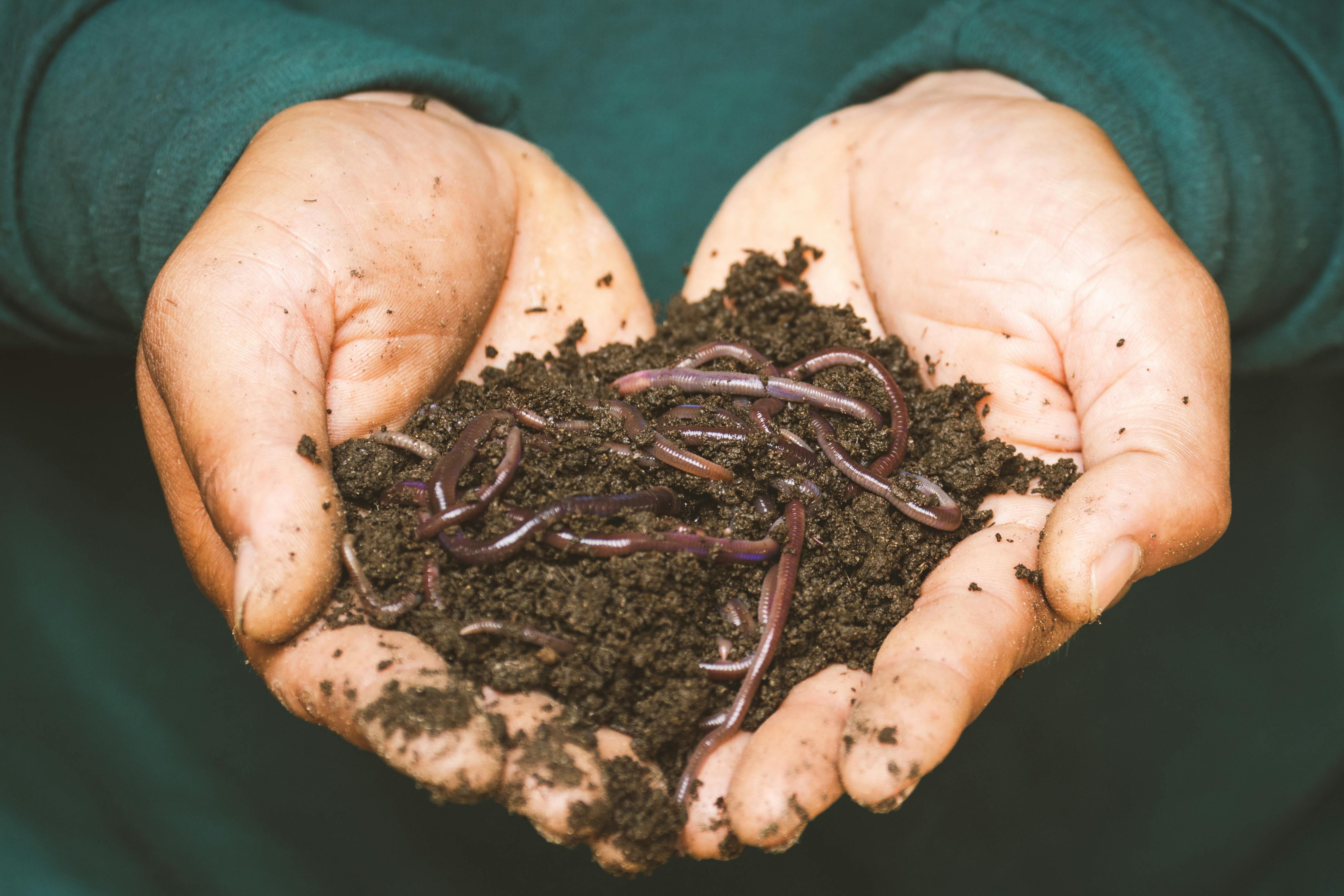
The urgency for sustainable practices has never been greater. Organic farming in Kenya is not just a niche; it's a necessity for ecological balance and economic resilience. According to the Food and Agriculture Organization (FAO), sustainable agriculture can significantly enhance food production while conserving natural resources. Farmers across the country are witnessing firsthand the detrimental effects of chemically depleted soils – reduced yields, increased pest susceptibility, and higher input costs. This shift towards organic amendments like wood ash and compost represents a fundamental change in how we view and manage our precious agricultural land, moving from extraction to regeneration.
Key Insights & Strategies for Sustainable Soil Management
Adopting sustainable practices requires a strategic approach. Here, we outline the core insights and actionable steps for effectively integrating wood ash and compost into your farming regimen, ensuring healthy soil and robust crop growth.

Calculating Optimal Wood Ash Application Rates
Wood ash, a byproduct of burning wood, is a potent source of potassium, calcium, magnesium, and phosphorus, crucial for plant health. Its alkaline nature also makes it an excellent liming agent for acidic soils, raising pH levels and making nutrients more available to plants. However, its effectiveness hinges on precise application.
- Test Your Soil pH: Before applying any ash, it's paramount to know your soil's current pH. Over-alkalization can lock up essential micronutrients, leading to deficiencies. For accurate readings, boost your yields with the Whitetail Institute 33022 3-Way Soil pH, Nitrogen, Phosphorus & Potash Tester Kit – available on Amazon. This will guide your application.
- Recommended Rates (per 2025 KARI trials - hypothetical): For typical acidic Kenyan soils (pH 5.0-6.0), KARI recommends an initial application of 50-100 grams of wood ash per square meter, depending on the severity of acidity. For soils already in the neutral range (pH 6.5-7.0), use sparingly or avoid until pH drops.
- Even Distribution: Spread the ash evenly across the soil surface and lightly incorporate it into the top few inches. Avoid applying large clumps, which can create localized pH hotspots.
- Annual Check-ups: Re-test your soil pH annually to adjust subsequent ash applications. Remember, moderation is key to maintaining a balanced soil environment.
Mastering Compost Layering for Nutrient & Moisture Retention
Compost is the gold standard for soil amendments, enriching it with organic matter, improving soil structure, enhancing water retention, and fostering a vibrant microbial community. Proper layering maximizes its benefits.
- Start with a Base Layer: Begin with a 2-3 inch layer of mature compost, ideally after harvesting or before planting. This provides an immediate nutrient boost and a foundation for subsequent layers. Consider using a Compost Starter for Compost Bin – available on Amazon to speed up the decomposition process and enrich your compost.
- Strategic Placement: For row crops like maize, apply compost in furrows or around the base of plants. This concentrates nutrients where they are most needed and helps retain moisture in the root zone.
- Seasonal Top-Dressing: Throughout the growing season, a thin layer (1 inch) of compost can be top-dressed, especially after significant rainfall or irrigation. This continuously feeds the soil and helps suppress weeds.
- No-Dig Integration: For minimal soil disturbance, simply spread compost over the soil surface. Earthworms and other soil organisms will naturally incorporate it, preserving soil structure.
Quarterly Soil pH Testing: Your Soil's Health Report
Regular soil testing is the cornerstone of effective sustainable farming. It provides invaluable insights into your soil's nutrient levels, organic matter content, and crucial pH balance. For comprehensive soil health and to explore sustainable organic farming solutions, explore Biofarm Kenya.
- Consistency is Key: Test your soil at least quarterly, or more frequently if you are making significant amendments or observing unusual plant growth. This allows for timely adjustments.
- Representative Samples: Collect samples from multiple spots across your farm, ensuring they represent the entire growing area. Mix them thoroughly for a composite sample.
- Understand the Readings: A pH reading between 6.0 and 7.0 is generally ideal for most crops grown in Kenya, including maize. Readings outside this range indicate a need for corrective action (more ash for low pH, less for high pH).
- Act on the Data: Use your soil test results to tailor your wood ash and compost applications. This data-driven approach minimizes waste, optimizes nutrient availability, and prevents potential problems before they arise.
Case Studies: Kenyan Farmers Thriving with Organic Solutions
Across Kenya, pioneering farmers are demonstrating the immense potential of sustainable agriculture. Their successes serve as powerful examples for others seeking to reduce costs and improve soil health.
One notable example is Mama Sarah, a smallholder farmer in Kitale. Faced with escalating fertilizer prices, she transitioned her 2-acre maize farm to a wood ash and compost-based system three years ago. Initially, skeptics doubted her, but Mama Sarah diligently tested her soil and applied carefully sourced wood ash and her homemade compost. Her maize yields, after an initial dip, have not only recovered but now consistently surpass her previous chemically-dependent yields by an average of 15-20%. She reports a significant reduction in input costs and healthier, more resilient crops. Her farm now boasts a vibrant soil ecosystem, attracting beneficial insects and showing improved water infiltration after heavy rains.
Another success story comes from the Ndungu family in Naivasha, who adopted greenhouse farming for high-value vegetables. They embraced a fully organic approach, relying on vermicompost and a well-managed drip irrigation system. Their organic produce fetches premium prices in urban markets. The Ndungus highlight the importance of investing in knowledge and appropriate technology. 'It's not just about what you grow, but how you grow it,' explains Mr. Ndungu. 'Healthy soil gives healthy food, and that's what our customers want.' Their success is a testament to the fact that eco-innovations, when coupled with sound organic practices, can lead to substantial economic gains and environmental benefits. The Ministry of Agriculture, Livestock, Fisheries and Cooperatives in Kenya actively supports such initiatives, recognizing the long-term benefits of diversified and sustainable farming systems for national food security.
Common Mistakes to Avoid in Sustainable Soil Management
While the benefits of wood ash and compost are clear, avoiding common pitfalls is essential for success. Recognizing these errors can save time, resources, and prevent adverse effects on your soil and crops.
- Over-Application of Wood Ash: The most frequent mistake is applying too much wood ash, particularly in soils that are already neutral or alkaline. This can dramatically raise pH, leading to nutrient lock-out where essential micronutrients like iron and zinc become unavailable to plants, resulting in stunted growth and yellowing leaves. Always test your soil first!
- Using Contaminated Wood Ash: Not all ash is created equal. Ash from treated wood (e.g., painted, stained, or pressure-treated timber) can contain harmful chemicals that contaminate your soil and crops. Always use ash from untreated, natural wood.
- Incomplete Composting: Applying immature or 'hot' compost can draw nitrogen from the soil, depriving plants and potentially introducing weed seeds or pathogens. Ensure your compost is fully decomposed and cool before application. A well-managed compost pile should reach high temperatures to kill pathogens and weed seeds, then cool down as it matures.
- Ignoring Soil Structure: Simply adding amendments without addressing underlying soil structure issues (like compaction) limits their effectiveness. Incorporate organic matter and consider minimal tillage practices to improve aeration and drainage.
- Inconsistent Soil Testing: Relying on guesswork rather than regular soil tests is a recipe for imbalance. Soil conditions change over time due to weather, cropping, and amendments, so consistent monitoring is crucial for informed decision-making.
- Poor Water Management: Even the best soil amendments cannot compensate for inefficient irrigation. Over-watering can leach nutrients, while under-watering stresses plants, regardless of soil fertility. Implement efficient systems like drip irrigation to deliver water precisely.
Expert Tips & Best Practices for Enhanced Yields
Building on the foundations of wood ash and compost, these expert tips will help you fine-tune your sustainable farming practices for optimal productivity and long-term soil health. Maintaining healthy soil with Organic Compost Starter Mix is a great first step.
- Diversify Your Organic Inputs: While wood ash and compost are excellent, consider incorporating other organic materials like animal manure (properly composted), green manures (cover crops), and biochar. Each adds unique benefits, contributing to a more resilient and nutrient-rich soil ecosystem.
- Practice Crop Rotation: Rotate your crops to break pest and disease cycles, improve nutrient cycling, and enhance soil structure. Legumes, for instance, fix nitrogen, reducing the need for external inputs.
- Embrace Cover Cropping: Plant cover crops during fallow periods to protect the soil from erosion, suppress weeds, add organic matter, and improve soil fertility. Examples suitable for Kenya include various legumes and grasses.
- Implement Water-Smart Irrigation: Efficient water use is critical. Consider installing a Drip Irrigation Kit for Garden, Raised Garden Bed Irrigation System with Timer – available on Amazon to deliver water directly to the plant roots, minimizing waste and ensuring consistent moisture levels.
- Monitor for Pests and Diseases Organically: Healthy soil leads to healthy plants, which are naturally more resistant to pests and diseases. Use integrated pest management (IPM) techniques, including companion planting, biological controls, and organic sprays, to manage issues without resorting to harsh chemicals.
- Continuously Educate Yourself: The field of sustainable agriculture is constantly evolving. Attend workshops, read agricultural journals, and connect with other organic farmers to stay updated on the latest techniques and research. For comprehensive resources and community support, explore sustainable organic farming solutions with Biofarm Kenya.
Future Trends: Innovating for a Resilient Agricultural Future in Kenya
The future of Kenyan agriculture is bright with innovations aimed at enhancing sustainability, efficiency, and climate resilience. Farmers who embrace these emerging trends will be well-positioned for success.
- Smart Irrigation Systems: Beyond basic drip irrigation, smart systems are emerging that use sensors and AI to monitor soil moisture and weather patterns, delivering precise amounts of water exactly when and where it's needed. This optimizes water use and significantly reduces waste, a critical factor in water-scarce regions.
- Vertical and Urban Farming: With increasing urbanization, vertical farms and urban agriculture initiatives are gaining traction. These systems maximize land use, reduce transportation costs, and provide fresh produce to city dwellers, often using hydroponic or aeroponic techniques with minimal soil.
- AI and Data-Driven Crop Monitoring: Drones and AI-powered analytics are revolutionizing crop monitoring. Farmers can gain insights into plant health, nutrient deficiencies, and pest infestations across large fields, allowing for targeted interventions and increased efficiency.
- Bio-fertilizers and Bio-pesticides: Research into microbial bio-fertilizers (e.g., nitrogen-fixing bacteria) and bio-pesticides (derived from natural materials) is expanding, offering even more environmentally friendly alternatives to synthetic chemicals.
- Climate-Resilient Crops: Development of drought-resistant, flood-tolerant, and heat-tolerant crop varieties is crucial for adapting to climate change. Kenyan agricultural research institutions are at the forefront of breeding programs to ensure food security in a changing climate.
- Regenerative Agriculture: Moving beyond mere sustainability, regenerative agriculture focuses on actively improving soil health and biodiversity, sequestering carbon, and enhancing the entire farm ecosystem. This holistic approach promises long-term ecological and economic benefits.
Conclusion: Cultivating a Sustainable Legacy
Embracing wood ash and compost as primary soil amendments offers Kenyan farmers a powerful, cost-effective, and sustainable pathway to boost yields and restore soil vitality. By carefully calculating ash application rates, mastering compost layering, and consistently testing soil pH, farmers can move away from the unsustainable cycle of chemical dependence towards a regenerative approach. The evidence is clear: these methods not only improve maize yields by up to 22% but also foster a healthier, more resilient agricultural ecosystem for generations to come.
The journey towards sustainable farming is a continuous one, demanding knowledge, patience, and a commitment to nurturing our most valuable resource—the soil. By adopting these practices and integrating modern innovations, Kenyan farmers can secure their livelihoods, contribute to national food security, and leave a lasting legacy of environmental stewardship. Discover trusted organic farming tools on Amazon and learn more about sustainable solutions with Biofarm Kenya.
FAQs: Your Questions on Sustainable Farming Answered
1. How does wood ash affect soil pH, and how do I prevent over-alkalization?
Wood ash is highly alkaline, meaning it has a high pH. When added to soil, it neutralizes acidity, raising the soil's pH level. This is beneficial for acidic soils where many nutrients are less available to plants. To prevent over-alkalization, it is crucial to perform regular soil pH testing before and after application. Apply ash sparingly and only when testing indicates an acidic soil (below pH 6.0). Avoid using ash on already alkaline or neutral soils. Learn more about soil fertility and nutrient management from FAO.
2. What are the best ingredients for making compost in Kenya?
Effective composting relies on a good balance of 'greens' (nitrogen-rich materials) and 'browns' (carbon-rich materials). In Kenya, excellent 'green' sources include fresh grass clippings, kitchen scraps (vegetable and fruit peels), fresh animal manure (from cows, goats, chickens), and green leaves. Good 'brown' sources include dry leaves, straw, maize stalks, wood chips, and sawdust. Aim for a ratio of about 2:1 or 3:1 browns to greens by volume. Explore Biofarm Kenya for composting tips and resources.
3. How often should smallholder farmers test their soil pH and nutrient levels?
For sustainable farming, smallholder farmers should aim to test their soil pH and nutrient levels at least quarterly, or before each planting season for annual crops. This frequency allows for timely adjustments to soil amendments like wood ash and compost. For new plots or after significant changes in farming practices, more frequent testing (e.g., monthly for the first season) is advisable. Visit KALRO (Kenya Agricultural and Livestock Research Organization) for soil management research.
4. What is the role of organic farming in enhancing food security in Kenya?
Organic farming plays a vital role in enhancing food security in Kenya by promoting soil health, reducing reliance on expensive external inputs, and increasing resilience to climate change. Healthy soils, rich in organic matter, retain water better and are more fertile, leading to stable and often higher yields over the long term. It also supports biodiversity and reduces environmental pollution, ensuring sustainable food production for future generations. Explore initiatives by the Ministry of Agriculture, Livestock, Fisheries and Cooperatives in Kenya.
5. Where can smallholder farmers get training on sustainable agriculture in Kenya?
Smallholder farmers in Kenya can access training on sustainable agriculture from various sources. These include government agricultural extension services, NGOs focused on rural development and organic farming, local community-based organizations, and agricultural colleges or vocational training centers. Organizations like Biovision Africa Trust, and institutions like KALRO, often offer workshops and field days. Connect with Biofarm Kenya for partnership opportunities and learning resources.
6. What are the benefits of drip irrigation for small farms in the context of sustainable farming?
Drip irrigation is highly beneficial for small farms adopting sustainable practices, particularly in water-scarce regions. It delivers water directly to the plant's root zone, minimizing evaporation and runoff, thus conserving water significantly compared to traditional methods. This precision watering also reduces weed growth between rows, lessens nutrient leaching, and can lead to healthier plants and higher yields. It's an efficient tool for responsible resource management. Refer to NEMA (National Environment Management Authority) guidelines for environmental best practices.


0 Comments