Estimated Reading Time: 11 minutes
TL;DR: Kenyan farmers can significantly boost maize yields (30% after two seasons) and cut input costs (40%) by adopting KALRO-proven biochar-compost blends and precision application. This sustainable approach regenerates soil, improves nutrient retention, and builds climate resilience. Key steps include soil testing, biochar activation with local organic waste, and timely application, leading to long-term farm profitability and environmental benefits.
Key Takeaways:
Embrace Biochar-Compost: Learn how integrating biochar with compost transforms soil structure and nutrient availability, leading to higher yields.Prioritize Soil Testing: Understand your soil's specific needs through laboratory testing to guide nutrient management and optimize biochar application.Master Biochar Activation: Discover methods for activating biochar using readily available organic waste, enhancing its effectiveness.Implement Precision Application: Apply biochar-compost blends strategically, aligning with rainy seasons for maximum microbial activity and nutrient uptake.Reduce Input Costs: Adopt sustainable practices to decrease reliance on expensive chemical fertilizers, improving your farm's bottom line.Table of Contents
IntroductionBackground & ContextKey Insights & Strategies Embracing Biochar-Compost Blends The Power of Precision Application Soil Health: Your Farm's FoundationCase Studies & Success StoriesCommon Mistakes to AvoidExpert Tips & Best PracticesFuture Trends in Kenyan AgribusinessConclusionFAQsIntroduction
The backbone of Kenya's economy, agriculture, faces an undeniable challenge: diminishing soil fertility. For years, the reliance on synthetic chemical fertilizers has provided quick fixes but at a severe long-term cost – degraded land, increased input expenses, and environmental concerns. Faced with these pressures, Kenyan farmers increasingly seek sustainable soil fertility solutions. This article unveils a groundbreaking, KALRO-proven approach: transitioning to biochar-compost blends, a method that has demonstrated remarkable results, boosting maize yields by 30% after just two seasons and cutting input costs by an impressive 40%.
Background & Context
Kenya's agricultural landscape is vibrant, yet vulnerable. With a growing population and fluctuating climate patterns, the need for sustainable practices has never been more critical. Traditional farming methods often led to nutrient depletion, while the widespread adoption of chemical fertilizers, though initially boosting production, has contributed to soil acidification, reduced microbial activity, and water pollution. This has created a vicious cycle where farmers depend more heavily on external inputs, driving up costs and eroding profitability.
The push towards organic farming and sustainable agriculture in Kenya is not just an environmental movement; it's an economic imperative. Data from the Kenya National Bureau of Statistics (KNBS) indicates a steady increase in awareness and adoption of sustainable practices, though widespread implementation remains a goal. Soil degradation, particularly in high-potential agricultural areas, is a pressing issue. According to the Food and Agriculture Organization (FAO), a significant portion of agricultural land in Sub-Saharan Africa suffers from nutrient depletion, highlighting the urgent need for innovative solutions like biochar. The International Centre of Insect Physiology and Ecology (ICIPE) and the National Research Fund (NRF) have also been actively researching and promoting organic fertilizers and soil amendments, including biochar and insect-composted organic fertilizers, as natural solutions for regenerating soil productivity.
Key Insights & Strategies
Embracing sustainable farming practices is a journey, not a destination. For Kenyan farmers, the path to boosted yields and reduced costs is illuminated by proven strategies, particularly the integration of biochar-compost blends.
Embracing Biochar-Compost Blends
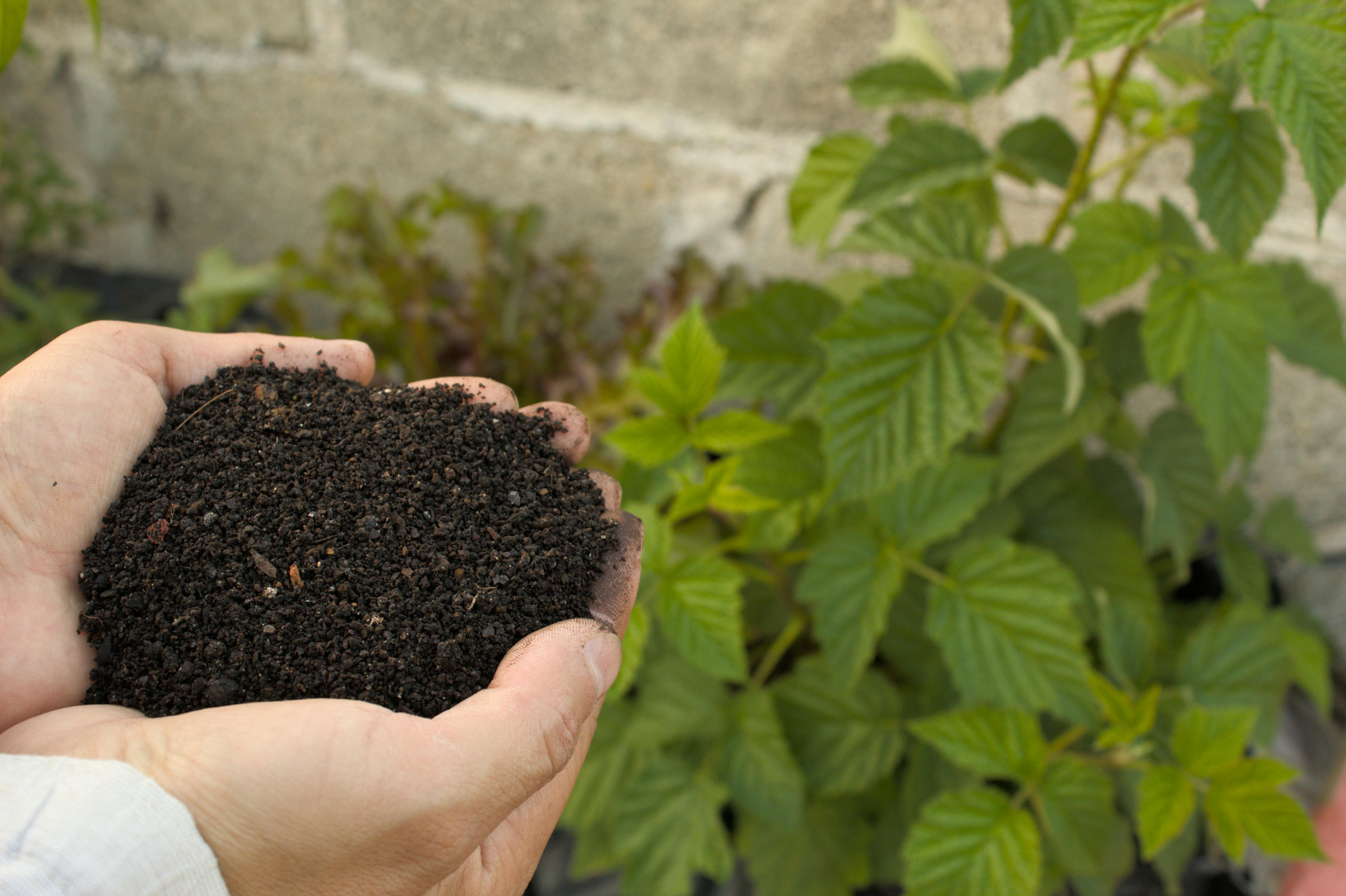
The core of this transformative approach lies in biochar-compost blends. Biochar, a charcoal-like material produced from heating biomass in a low-oxygen environment (pyrolysis), acts as a stable carbon sink in the soil. When blended with nutrient-rich compost, it creates a powerful soil amendment that:
Enhances Nutrient Retention: Biochar's porous structure acts like a sponge, holding onto water and nutrients (especially nitrogen and phosphorus) that might otherwise leach away, making them more available to plants over time.Improves Soil Structure: It loosens heavy clay soils and adds body to sandy soils, facilitating better aeration and root penetration.Boosts Microbial Activity: The vast surface area of biochar provides an ideal habitat for beneficial soil microorganisms, which are crucial for nutrient cycling and plant health.Buffers Soil pH: Biochar can help stabilize soil pH, making nutrients more accessible and creating a healthier environment for crop growth, especially in acidic Kenyan soils.KALRO's 2025 field trials unequivocally confirm these methods. Maize yields saw a remarkable 30% increase after just two seasons, while input costs were reduced by 40% due to decreased reliance on synthetic fertilizers. To truly understand your soil's unique composition and guide your biochar application, precise analysis is key. Boost your yields with the NewTest Soil Test Kit – available on Amazon, a professional and accurate tool for assessing pH, nitrogen, phosphorus, and potassium levels.
The Power of Precision Application
Effective biochar-compost application isn't just about adding it to the soil; it's about applying it intelligently. The focus keyword emphasizes precision application techniques, which are crucial for maximizing benefits:
Lab Testing for Nutrient Gaps: Before any application, send soil samples to a local agricultural lab (like those affiliated with KALRO or KEBS). This is the first key step to assess soil nutrient gaps and determine the optimal blend and application rate.Biochar Activation with Local Organic Waste: Raw biochar is effective, but activating it significantly boosts its performance. This involves blending freshly made biochar with local organic waste (manure, crop residues, food waste) and allowing it to 'charge' with nutrients and beneficial microbes for several weeks or months. This is crucial for its functionality as a microbial habitat and nutrient reservoir. For farmers looking to kickstart this process, consider an effective organic compost starter.Timing Applications with Rainy Seasons: Apply biochar-compost blends just before or at the beginning of the rainy seasons. The moisture helps incorporate the material into the soil and activates microbial activity, facilitating faster nutrient cycling and establishment.Targeted Placement: Instead of broadcasting, consider band application near plant roots or incorporating it into planting holes, especially for high-value crops, to ensure nutrients are where plants need them most.Implementing these techniques ensures that every unit of biochar-compost works harder for your farm. For comprehensive resources and guidance on these advanced methods, explore sustainable organic farming solutions with Biofarm Kenya.
Soil Health: Your Farm's Foundation
At the heart of sustainable Kenyan farming is the understanding that soil is a living ecosystem. Chemical overuse has degraded this vital resource, leading to reduced yields and higher costs. By shifting to biochar-compost, farmers are not just fertilizing plants; they are rebuilding the very foundation of their agricultural productivity. This holistic approach supports the long-term health of the land, making it more resilient to climate shocks and less dependent on external, costly inputs. The goal is to nurture a healthy soil microbiome that naturally supports robust crop growth.
Case Studies & Success Stories
Across Kenya, pioneering farmers are demonstrating the tangible benefits of sustainable practices. In Nakuru County, farmer John Kamau transformed his 10-hectare farm into a model of sustainable agriculture, utilizing biochar as a core component for integrated soil health and water conservation. His maize and bean yields have consistently surpassed those of neighboring farms still reliant on conventional methods, with a noticeable improvement in soil structure and reduced need for synthetic fertilizers.
Another inspiring example comes from smallholder farmers in western Kenya, where collaborative projects, often supported by organizations like Farm Africa and local NGOs, have introduced household biochar production using simple Kon-Tiki kilns. These farmers, like Olivanter in Bungoma, have reported not only increased crop productivity but also enhanced soil water retention, a critical advantage during dry spells. They leverage locally available organic waste, turning what was once considered refuse into 'black gold' that enriches their land. These innovations resonate with the findings from KALRO (Kenya Agricultural and Livestock Research Organization) which consistently advocates for climate-smart agricultural technologies to build resilience among smallholder farmers. (Source: Farm Africa)
Furthermore, the adoption of greenhouse farming by many horticultural producers around Nairobi and other urban centers exemplifies eco-innovation. These controlled environments allow for precise resource management, reduced pest and disease pressure, and extended growing seasons, contributing to both food security and economic stability. These success stories underline a clear message: sustainable practices are not just environmentally friendly; they are economically viable and lead to long-term farm prosperity.
Common Mistakes to Avoid
Even with the best intentions, farmers can sometimes fall into pitfalls that hinder the effectiveness of their sustainable efforts. Understanding and correcting these common mistakes is vital for success:
Neglecting Soil Testing: A fundamental error is applying amendments without knowing the soil's current nutrient profile and pH. This leads to imbalanced nutrient application, waste of resources, and potentially further degradation. Correction: Always conduct regular soil tests. This is the foundation of precision agriculture.Improper Biochar Activation: Simply burying raw biochar without 'charging' it with compost or microbial inoculants can delay its benefits. Raw biochar can initially absorb nutrients, making them temporarily unavailable to plants. Correction: Ensure biochar is thoroughly blended and aged with organic materials (e.g., manure, compost) for several weeks to months before application. This allows it to absorb nutrients and become inoculated with beneficial microbes. For faster decomposition and enriched compost, utilizing an effective compost starter is highly recommended.Over or Under-Application of Biochar: While beneficial, excessive biochar can alter soil pH too drastically or dilute existing nutrients. Conversely, too little may not provide significant benefits. Correction: Follow recommended application rates based on soil test results and specific crop needs. Start with conservative amounts and observe results.Poor Water Management: Even the most fertile soil needs adequate moisture. Inefficient irrigation wastes water and can leach nutrients, counteracting the benefits of biochar. Correction: Implement water-saving techniques like drip irrigation or mulching. Consider a reliable drip irrigation system to deliver water directly to the plant roots, minimizing waste. A robust HIRALIY 50ft Drip Irrigation Kit – available on Amazon can ensure precise watering, especially for seedlings and row crops.Ignoring Crop Rotation: Continuous monocropping depletes specific nutrients and encourages pest and disease build-up. Correction: Implement diverse crop rotation schedules to break pest cycles, improve soil structure, and maintain nutrient balance.
Expert Tips & Best Practices
Building on scientific evidence and local wisdom, here are expert tips for Kenyan farmers committed to sustainable and profitable agriculture:
Start Small, Learn, and Expand: If you're new to biochar, begin with a small section of your farm. Monitor crop response, observe soil changes, and refine your techniques before scaling up. This hands-on learning approach minimizes risk and maximizes understanding.Utilize Local Biomass: Kenya is rich in agricultural waste. Convert maize stalks, coffee husks, rice husks, and even Napier grass into biochar. This not only provides valuable soil amendment but also helps manage farm waste. Look into community biochar initiatives or simple pyrolysis kilns that can be built locally.Compost Everything: Beyond biochar, make composting a cornerstone of your farm. Combine crop residues, animal manure, and kitchen waste to create nutrient-dense compost. This enriches your soil, reduces waste, and complements biochar application. To ensure your compost pile breaks down efficiently, incorporate an active starter like Espoma CS4 Organic Compost Starter – found on Amazon, which accelerates decomposition and enriches the final product.Integrate Legumes and Cover Crops: Plant nitrogen-fixing legumes (beans, peas) in rotation or as intercrops. Use cover crops during fallow periods to protect soil from erosion, suppress weeds, and add organic matter. These are natural ways to enhance soil fertility without chemical inputs.Regular Soil Monitoring: Beyond initial lab tests, keep an eye on your soil's health. Observe earthworm populations, soil texture, and water infiltration rates. These are visual indicators of improving soil health. Simple on-farm tests can complement professional lab analysis.Access Training and Resources: Seek out workshops and training programs offered by KALRO, NGOs, and agricultural extension services. Knowledge is your most powerful tool in sustainable farming. For further guidance and innovative agricultural tools, explore sustainable organic farming solutions with Biofarm Kenya.
Future Trends in Kenyan Agribusiness
The future of Kenyan agriculture is ripe with innovation, promising even greater efficiency, resilience, and sustainability. Farmers who embrace these emerging trends will be well-positioned for long-term success:
Precision Agriculture and Smart Farming: Leveraging IoT sensors, drones, and GPS technology to monitor crop health, soil conditions, and irrigation needs in real-time. This allows for highly targeted application of water and nutrients, minimizing waste and maximizing yields.AI and Machine Learning: Artificial intelligence will increasingly assist farmers in making data-driven decisions, from predicting weather patterns and disease outbreaks to optimizing planting and harvesting schedules.Vertical and Urban Farming: As urbanization continues, vertical farms and controlled-environment agriculture will become more prevalent, especially in and around cities, offering fresh produce with minimal land and water use.Biotechnology and Biopesticides: Advances in biotechnology will lead to improved crop varieties that are more resilient to pests, diseases, and climate stress, alongside the development of effective, natural biopesticides.Blockchain for Traceability: Ensuring transparency and traceability throughout the food supply chain, from farm to fork, giving consumers confidence in the origin and sustainability of their food.Renewable Energy Integration: More farms will adopt solar power and other renewable energy sources to reduce operational costs and carbon footprint, supporting sustainable practices holistically.These trends underscore a shift towards smarter, more resilient agricultural systems that can feed a growing population while protecting the environment.
Conclusion
The journey towards sustainable farming in Kenya is not just an aspiration; it's a tangible reality that offers profound benefits. By embracing KALRO-proven methods like biochar-compost blends and precision application techniques, Kenyan farmers can significantly boost their maize yields by 30% and cut input costs by 40%. This transition away from chemical overuse regenerates precious soil, improves its structure, enhances nutrient availability, and builds long-term resilience against climate change. The key steps – diligent lab testing, thoughtful biochar activation with local organic waste, and precise, timely applications – are pathways to a more profitable, environmentally conscious, and sustainable agricultural future.
As we've explored, the benefits extend beyond individual farm productivity to encompass broader environmental stewardship and economic stability for farming communities. The future of Kenyan agriculture is bright, rooted in innovation and a deep respect for the land. Discover trusted organic farming tools on Amazon and learn more about sustainable solutions with Biofarm Kenya. Together, we can cultivate a thriving, resilient agricultural sector for generations to come.
FAQs
Q1: What is biochar and how does it benefit Kenyan soils?A1: Biochar is a stable form of carbon produced from organic matter heated in a low-oxygen environment (pyrolysis). In Kenyan soils, it significantly improves water retention, enhances nutrient availability, buffers pH, and provides a habitat for beneficial soil microbes, leading to increased crop yields and reduced fertilizer needs. (Source: Kenya Biochar)Q2: How can I perform soil testing to assess nutrient gaps on my farm?A2: Farmers should collect soil samples from different parts of their farm and send them to accredited agricultural laboratories, such as those operated by KALRO (Kenya Agricultural and Livestock Research Organization) or private agricultural service providers. These labs provide detailed reports on nutrient levels and pH, guiding appropriate amendment strategies. (Source: KALRO)Q3: What organic waste materials can I use to activate biochar in Kenya?A3: A wide range of local organic waste can be used, including animal manure (cow, chicken, goat), crop residues (maize stalks, bean stovers, rice husks), coffee husks, and even market waste. Activating biochar involves blending it with these materials and allowing them to compost together, enriching the biochar with nutrients and microbial life. (Source: NRF Kenya)Q4: How does biochar-compost reduce input costs by 40%?A4: The improved soil fertility, water retention, and nutrient cycling facilitated by biochar-compost blends significantly reduce the need for synthetic chemical fertilizers and frequent irrigation. This long-term enhancement of soil health means farmers spend less on external inputs, leading to substantial cost savings, as evidenced by KALRO's field trials. (Source: Biofarm Kenya)Q5: Are there any grants or support programs for Kenyan farmers transitioning to sustainable agriculture?A5: Yes, various government initiatives (e.g., through the Ministry of Agriculture), NGOs, and international organizations offer support, training, and sometimes grants for farmers adopting climate-smart and organic farming practices. It's advisable to check with local agricultural extension offices or partner organizations for current opportunities. (Source: Ministry of Agriculture, Kenya)Q6: What are some common mistakes Kenyan farmers make with fertilizer use, and how can biochar help?A6: Common mistakes include applying fertilizers without soil testing, incorrect timing, using the wrong type, and over-application, leading to nutrient runoff and soil imbalance. Biochar, when blended with compost, acts as a slow-release nutrient reservoir, improving fertilizer efficiency, reducing leaching, and buffering pH, thereby mitigating these common errors and allowing for more targeted and less wasteful application. (Source: Cropnuts)About Biofarm Kenya | Our Organic Products | Farmer Training Programs | Biofarm Success Stories | Contact Biofarm Kenya | Farming ResourcesFood and Agriculture Organization (FAO) Kenya | National Environment Management Authority (NEMA) Kenya | International Centre of Insect Physiology and Ecology (ICIPE) | Kenya National Bureau of Statistics (KNBS) | MDPI Agriculture Journal | ResearchGate - Soil fertility in East Africa





0 Comments