

Estimated Reading Time: 15 minutes
TL;DR: Kenyan farms face soil degradation from chemical overuse, but adopting sustainable strategies like integrating legumes, applying compost tea, and using precision phosphate dosing can significantly boost yields and reduce costs. This guide offers practical, evidence-backed methods for revitalizing your farm's soil health, ensuring long-term productivity and environmental stewardship. Embrace organic solutions to transform your agricultural future in Kenya.
Key Takeaways:
- Integrate diverse legume cover crops to naturally fix nitrogen and enrich soil without synthetic fertilizers.
- Regularly apply compost tea to foster a robust microbial ecosystem, enhancing nutrient cycling and plant resilience.
- Adopt precision phosphate application to prevent nutrient lockout and maximize absorption, saving costs and protecting the environment.
- Embrace conservation tillage and agroforestry to minimize soil disturbance and build organic matter over time.
- Invest in consistent soil testing to guide your sustainable practices, ensuring tailored nutrient management.
Table of Contents
- Introduction: Cultivating a Greener Future for Kenyan Agriculture
- Background & Context: The Urgency of Soil Health in Kenya
- Key Insights & Sustainable Strategies for Thriving Soil
- Case Studies: Kenyan Farmers Leading the Way in Soil Revival
- Common Mistakes to Avoid in Sustainable Soil Management
- Expert Tips & Best Practices for Long-Term Soil Fertility
- Future Trends: Innovation Paving the Path for Kenyan Soil Health
- Conclusion: Sowing the Seeds of a Sustainable Legacy
- Frequently Asked Questions About Sustainable Soil Health in Kenya
Introduction: Cultivating a Greener Future for Kenyan Agriculture
For generations, the fertile lands of Kenya have sustained communities, providing nourishment and livelihoods. However, a growing concern looms large: the declining health of our precious soil. Kenyan farmers increasingly seek sustainable soil health solutions as chemical overuse degrades land, leading to diminished yields, increased input costs, and long-term environmental damage. The conventional reliance on synthetic fertilizers, while offering short-term boosts, often masks deeper issues, eroding the very foundation of productive agriculture.
This comprehensive guide from Biofarm Kenya challenges that conventional wisdom, focusing instead on evidence-backed steps to revitalize your farm's most valuable asset: its soil. We will delve into proven strategies that not only reverse degradation but also enhance soil fertility naturally, ensuring robust yields and cost savings for years to come. From integrating nitrogen-fixing legumes to harnessing the power of microbial-rich compost tea and implementing precision dosing of phosphates, we present practical pathways to a more sustainable and prosperous farming future. The rising search intent for 'organic soil revival' and 'cost-effective fertilizers' among Kenyan agriculturalists confirms a critical training need, which this article aims to fulfill.
Background & Context: The Urgency of Soil Health in Kenya
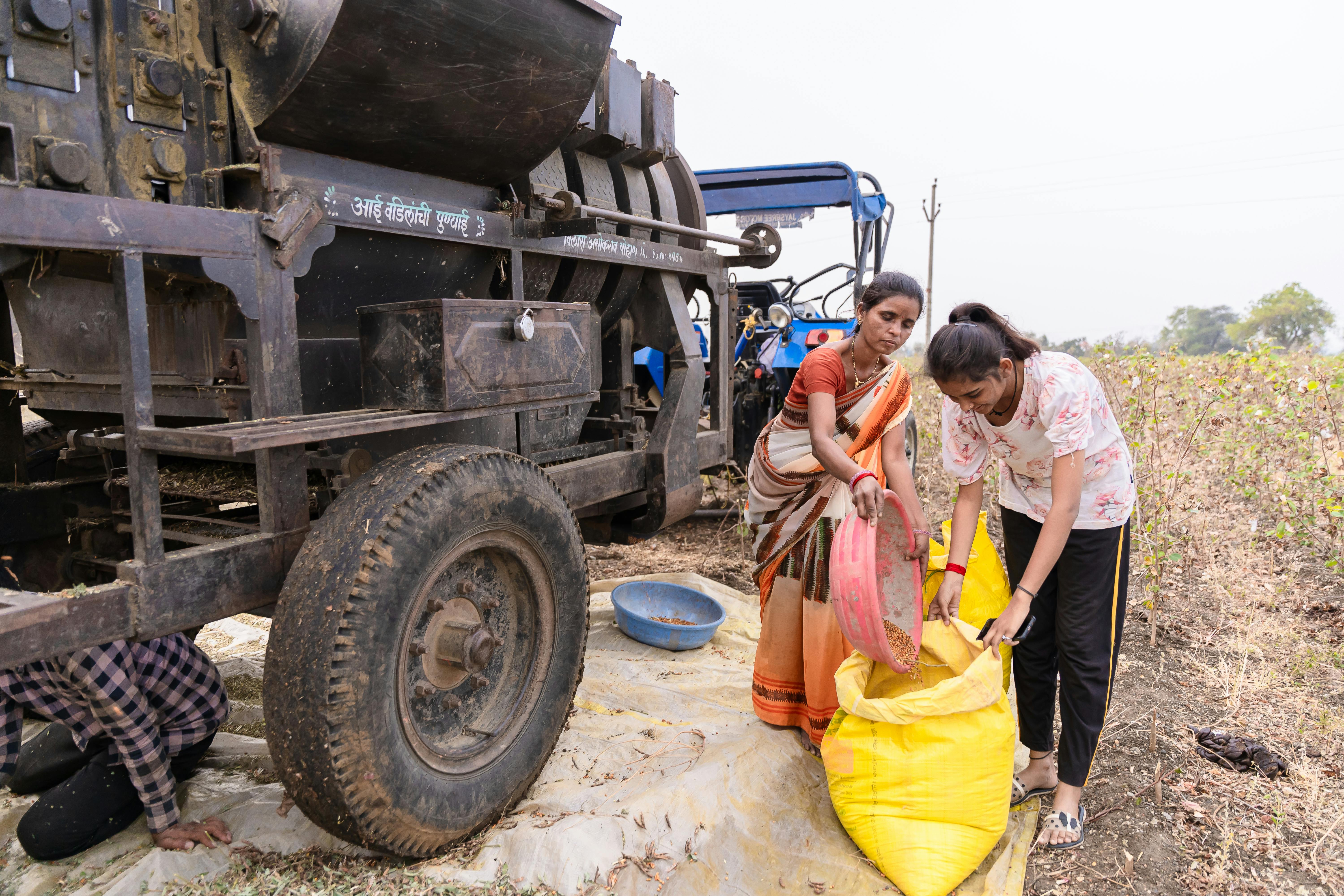
The agricultural sector is the backbone of Kenya's economy, contributing significantly to the Gross Domestic Product and employing a large percentage of the population. Yet, this vital sector faces severe threats, primarily from pervasive soil degradation. Decades of intensive farming, coupled with deforestation, soil erosion, and the excessive application of synthetic fertilizers and pesticides, have stripped Kenyan soils of essential organic matter and microbial life.
Studies indicate a worrying trend of declining soil fertility across many parts of the country, leading to nutrient imbalances and reduced water retention capacity. This degradation translates directly into lower crop productivity, forcing farmers to either increase chemical inputs – an unsustainable and costly cycle – or face food insecurity. The urgency to adopt sustainable agriculture practices, such as conservation tillage, crop rotation, and agroforestry, has never been greater. These methods are crucial not only for enhancing soil health but also for promoting the conservation of natural resources and building resilience against climate change impacts. The shift towards organic farming in Kenya, though still a niche, is gaining momentum as farmers witness the long-term benefits of healthier soil and reduced dependency on external inputs.
Key Insights & Sustainable Strategies for Thriving Soil
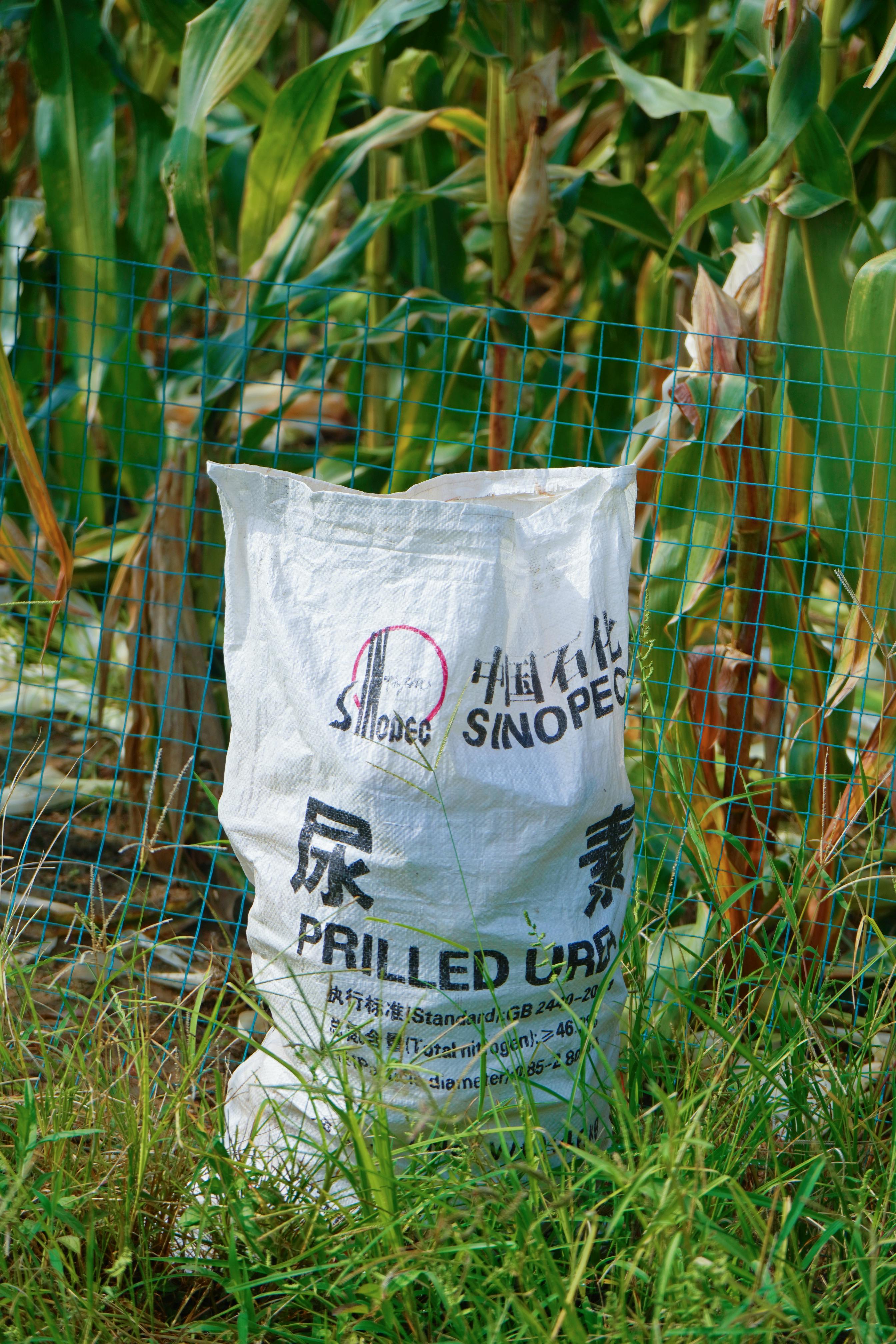
Transitioning to sustainable soil health requires a holistic approach that nurtures the soil's biological, chemical, and physical properties. Here are three core strategies, backed by scientific understanding and successful farmer experiences, for Kenyan farmers looking to reduce reliance on synthetic inputs and rejuvenate their land.
1. Integrate Legumes for Natural Nitrogen Fixation
Legumes are nature's nitrogen factories. Plants like beans, peas, cowpeas, and groundnuts have a symbiotic relationship with soil bacteria called rhizobia, which convert atmospheric nitrogen into a form usable by plants. This process, known as biological nitrogen fixation, enriches the soil naturally, reducing the need for costly and environmentally impactful nitrogen fertilizers.
- Crop Rotation: Incorporate legumes into your crop rotation cycle. For instance, plant maize followed by a legume crop to replenish soil nitrogen.
- Intercropping: Grow legumes alongside your main crops. This not only fixes nitrogen but can also suppress weeds and enhance pest control.
- Green Manure/Cover Cropping: Plant fast-growing legumes (e.g., mucuna, sunn hemp) as cover crops, then incorporate them into the soil before they flower. This adds significant organic matter and nitrogen. A KALRO 2025 study on smallholder farms demonstrated that integrating legumes in rotation improved maize yields by over 30% over three years, showcasing the profound impact on soil fertility and crop productivity.
2. Implement Compost Tea Applications to Boost Microbial Activity
Healthy soil is teeming with life – bacteria, fungi, protozoa, nematodes, and micro-arthropods – all working together to break down organic matter, cycle nutrients, and fight off plant diseases. Compost tea is a liquid extract made from mature compost, brimming with these beneficial microorganisms. Applying compost tea directly to plants or soil acts as a powerful bio-inoculant, kickstarting and enhancing the soil food web.
- Brewing Your Own: Learn to make your own aerobic compost tea using a simple brewer, mature compost, and a food source for microbes (e.g., molasses).
- Foliar Application: Spray compost tea directly onto plant leaves. The microbes can colonize leaf surfaces, protecting against pathogens and enhancing nutrient uptake.
- Soil Drench: Apply compost tea directly to the soil around plant roots. This introduces beneficial microbes where they are most needed to improve nutrient availability and soil structure.
To ensure your compost is rich and ready for brewing, consider using an effective accelerator. Boost your composting efforts with the Compost Starter - 100x Concentrated All Natural Compost Accelerator – available on Amazon. This product can significantly speed up the decomposition process, yielding nutrient-rich compost faster. For further guidance and resources on organic practices, Explore sustainable organic farming solutions with Biofarm Kenya.
3. Use Precision Dosing of Phosphates to Avoid Nutrient Lockout
Phosphorus (P) is a crucial nutrient for plant growth, but it's also prone to 'lockout' in the soil, especially in Kenyan soils that can have high clay content or extreme pH levels. Nutrient lockout occurs when phosphorus reacts with other soil components, becoming unavailable to plants, even if it's present in the soil. Over-application of phosphate fertilizers exacerbates this problem and contributes to environmental pollution.
- Soil Testing is Paramount: Before applying any phosphate, conduct thorough soil tests to determine existing phosphorus levels and soil pH. This prevents wasteful application and potential lockout. For an accurate assessment, boost your yields with a Premium Soil Test Kit – available on Amazon, helping you understand your soil's unique needs.
- Targeted Application: Apply phosphorus precisely where plants need it, often in bands near the root zone rather than broadcasting across the entire field.
- Enhance Solubility: Use organic matter, compost, and beneficial microbes (through compost tea) to improve phosphorus solubility and availability to plants. Mycorrhizal fungi, for instance, form a symbiotic relationship with plant roots, extending their reach to access more phosphorus.
Case Studies: Kenyan Farmers Leading the Way in Soil Revival
Across Kenya, innovative farmers are demonstrating that sustainable soil health is not just an environmental ideal but a pathway to economic prosperity. Their stories offer tangible proof that moving away from chemical dependence is both possible and profitable.
In Kericho County, Dennis Langat, a coffee farmer, successfully transitioned to organic farming practices. Initially, he faced skepticism, but by integrating cover crops, making his own compost, and focusing on soil biology, he reported a significant increase in his coffee yields within a few years. His farm now serves as a model for neighboring smallholders, proving that organic methods can outcompete conventional ones in terms of both yield and coffee quality.
Another inspiring example comes from the efforts supported by Safi Organics, an MIT spinout working in rural Kenya. Safi Organics leverages local agricultural waste (like maize stalks) to produce organic fertilizers through a unique pyrolysis process. Farmers using Safi Organics' biochar-enhanced fertilizers have observed substantial increases in crop yields and improved soil structure and water retention, particularly in degraded lands. This approach not only provides an effective organic alternative to synthetic fertilizers but also creates local employment and transforms waste into a valuable resource.
These case studies underscore the findings of organizations like the Food and Agriculture Organization (FAO) which consistently advocate for diversified farming systems, agroforestry, and integrated soil fertility management as critical for enhancing food security and mitigating climate change impacts in sub-Saharan Africa. The success stories of Kenyan farmers echo the FAO's call for sustainable land management practices that prioritize the long-term health of the soil over short-term gains from chemical inputs.
Common Mistakes to Avoid in Sustainable Soil Management
Adopting sustainable practices is a journey, and like any journey, it comes with potential pitfalls. Awareness of common mistakes can help Kenyan farmers navigate this transition more effectively and prevent setbacks that could discourage their efforts.
- Over-Reliance on a Single Solution: Believing that one practice, like adding compost, will solve all soil problems is a common error. Sustainable soil health is a complex system requiring an integrated approach. Relying solely on compost without addressing issues like compaction, erosion, or nutrient imbalances will yield suboptimal results.
- Ignoring Soil Testing: Guessing what your soil needs is like driving blind. Without regular soil tests, farmers might apply nutrients unnecessarily, leading to nutrient imbalances, lockout, and wasted resources. This also includes applying manure or organic fertilizers without knowing the existing nutrient profile, which can lead to over-application of certain elements.
- Aggressive Tillage: While conventional wisdom often promotes deep plowing, excessive tillage disrupts soil structure, breaks down organic matter, and kills beneficial microorganisms. This releases carbon into the atmosphere and makes soil more prone to erosion. Conservation tillage or no-till farming is crucial for preserving soil health.
- Neglecting Crop Diversity: Monocropping (growing the same crop year after year) depletes specific nutrients, encourages specialized pests and diseases, and reduces soil biodiversity. A lack of diverse rotations, especially excluding legumes, prevents the natural restoration of soil fertility.
- Inadequate Water Management: Both over-irrigation and under-irrigation can harm soil. Over-watering can lead to nutrient leaching and anaerobic conditions, suffocating beneficial microbes. Under-watering stresses plants and prevents nutrient uptake. Efficient irrigation systems, like drip irrigation, are key.
- Impatience: Transitioning from chemical-intensive to organic and sustainable farming often takes time for the soil ecosystem to rebalance. Farmers might get discouraged if they don't see immediate results. Persistence and understanding that long-term benefits are being built are essential.
Expert Tips & Best Practices for Long-Term Soil Fertility
Building and maintaining vibrant soil health is an ongoing process that yields tremendous rewards. Drawing from agricultural experts and successful Kenyan farmers, here are practical tips to ensure your farm's soil remains productive for generations.
- Embrace Cover Cropping Year-Round: Don't leave your soil bare. Plant cover crops during fallow periods to protect against erosion, suppress weeds, add organic matter, and cycle nutrients. Leguminous cover crops, in particular, are excellent for nitrogen fixation.
- Diversify Your Crops: Implement complex crop rotations that include cereals, legumes, and root crops. Consider intercropping different species to maximize nutrient utilization, reduce pest pressure, and enhance biodiversity above and below ground.
- Prioritize Organic Matter: Consistently add organic matter to your soil through compost, well-rotted manure, crop residues, and mulching. Organic matter is the lifeblood of healthy soil, improving structure, water retention, and nutrient-holding capacity. Maintain healthy soil with Organic Compost Starter Mix, which helps accelerate the decomposition of organic materials into rich, nutrient-dense compost.
- Minimize Soil Disturbance: Adopt conservation tillage practices or move towards no-till farming. This preserves soil structure, protects microbial habitats, and significantly reduces soil erosion and moisture loss.
- Manage Water Wisely: Implement efficient irrigation techniques such as drip irrigation, especially in arid and semi-arid regions of Kenya. This minimizes water waste, prevents nutrient leaching, and ensures plants receive consistent moisture. Consider investing in a reliable Drip Irrigation System to optimize water usage and deliver hydration directly to plant roots.
- Regular Soil Testing: Make soil testing a routine practice (e.g., annually or biennially). This provides precise data on nutrient levels and pH, allowing you to tailor your amendments and avoid guesswork, saving both money and environmental impact.
- Harness Beneficial Microbes: Beyond compost tea, consider introducing other microbial inoculants specific to your crops, such as mycorrhizal fungi, which improve nutrient uptake, particularly phosphorus, and enhance plant stress tolerance.
For more localized insights and advanced sustainable farming techniques tailored for Kenyan conditions, Explore sustainable organic farming solutions with Biofarm Kenya. Their resources and partnerships can provide invaluable support on your journey to superior soil health.
Future Trends: Innovation Paving the Path for Kenyan Soil Health
The landscape of agriculture is constantly evolving, and Kenya is at the forefront of embracing innovations that promise a more productive and sustainable future for its farms. These emerging trends are set to revolutionize how Kenyan farmers manage soil health, optimize resources, and enhance crop yields in the face of environmental challenges.
- Precision Agriculture and AI-Driven Monitoring: The integration of Artificial Intelligence (AI) and machine learning with drone technology and satellite imagery is enabling hyper-local monitoring of soil conditions. Farmers can get real-time data on soil moisture, nutrient deficiencies, and even pest infestations, allowing for precision application of water and organic inputs. This minimizes waste and maximizes efficiency, moving beyond blanket treatments to highly targeted interventions.
- Smart Irrigation Systems: Building on precision agriculture, smart irrigation systems utilize sensors and weather data to deliver the exact amount of water needed by crops at the optimal time. This technology is critical for water conservation in a water-scarce region and prevents soil issues like waterlogging and nutrient leaching, which degrade soil health.
- Biochar Production and Application: The use of biochar, a charcoal-like substance made from biomass through pyrolysis, is gaining traction. Biochar significantly improves soil fertility by enhancing water retention, providing a habitat for beneficial microbes, and locking carbon into the soil, thus acting as a long-term carbon sink. Local production of biochar from agricultural waste also offers an excellent waste management solution.
- Vertical and Urban Farming: As land pressure increases and urbanization expands, vertical farming and controlled-environment agriculture are becoming viable options, particularly for high-value crops. While not directly about traditional soil management, these systems often use soilless mediums or highly optimized substrates that offer controlled nutrient delivery and minimal resource waste, indirectly reducing pressure on conventional agricultural lands.
- Enhanced Biostimulants and Biofertilizers: The development of new generations of biostimulants and biofertilizers, derived from natural sources and beneficial microorganisms, is offering more potent and specific solutions for soil health. These products can enhance nutrient uptake, improve plant resilience to stress, and bolster the soil's natural biological processes, moving away from synthetic chemical dependency.
- Blockchain for Traceability and Certification: While not directly a soil health trend, blockchain technology can enhance transparency in the organic and sustainably farmed produce market. This allows consumers to trace products back to their origin, verifying sustainable practices and providing an economic incentive for farmers to adopt and maintain high soil health standards.
These trends highlight a future where technology, ecological principles, and farmer innovation converge to create resilient, productive, and environmentally conscious agricultural systems across Kenya.
Conclusion: Sowing the Seeds of a Sustainable Legacy
The journey towards sustainable soil health in Kenya is not merely an agricultural choice; it is a vital investment in our future. By moving away from an over-reliance on chemical inputs and embracing practices that nurture the living soil, Kenyan farmers can unlock unparalleled benefits: increased yields, reduced costs, enhanced environmental resilience, and a healthier legacy for generations to come. The strategies outlined – from integrating nitrogen-fixing legumes and applying microbial-rich compost tea to employing precision phosphate dosing – offer a clear, actionable roadmap.
The success stories of pioneering farmers, coupled with the promising horizon of agricultural innovations, affirm that a greener, more prosperous future for Kenyan agriculture is within reach. It demands a commitment to understanding our soil, adopting intelligent practices, and fostering a deep respect for the natural processes that sustain life. By choosing sustainable soil health solutions, you are not just growing crops; you are cultivating a resilient future for your farm, your family, and your nation.
Discover trusted organic farming tools on Amazon and learn more about sustainable solutions with Biofarm Kenya. Together, we can build a thriving, sustainable agricultural landscape for all.
Frequently Asked Questions About Sustainable Soil Health in Kenya
1. How do sustainable practices boost soil health in Kenya?
Sustainable practices like conservation agriculture, crop rotation, and agroforestry enrich soil health by increasing organic matter, enhancing microbial activity, improving water retention, and reducing erosion. These methods create a more balanced and fertile soil ecosystem, reducing the need for synthetic inputs and promoting long-term productivity. Learn more about sustainable agriculture in Kenya.
2. What are the benefits of organic farming for Kenyan smallholder farmers?
Organic farming offers numerous benefits for smallholder farmers, including reduced input costs (by minimizing synthetic fertilizers and pesticides), improved soil fertility and resilience, higher quality produce, and access to premium markets. It also promotes biodiversity and protects the health of farmers and consumers. Discover a complete beginner's guide to organic farming in Kenya.
3. What role does KALRO play in promoting soil fertility in Kenya?
The Kenya Agricultural and Livestock Research Organization (KALRO) conducts extensive research on soil fertility management, developing and disseminating low-cost technologies like green manure legumes and integrated nutrient management strategies. KALRO's work aims to address declining soil fertility and empower smallholder farmers with sustainable solutions. Explore KALRO's legume research network projects.
4. What are the challenges to improving soil health in Kenya?
Key challenges include widespread soil degradation from continuous cropping and erosion, high costs of inorganic fertilizers, lack of access to appropriate organic inputs, limited knowledge on sustainable practices among some farmers, and climate change impacts. Overcoming these requires concerted efforts in research, extension services, and policy support. Watch experts discuss the uphill task of boosting soil health in Kenya.
5. How can technology contribute to sustainable agriculture in Kenya?
Technology can significantly enhance sustainable agriculture through tools like soil testing kits for precise nutrient management, drip irrigation systems for efficient water use, and mobile apps for agricultural advice. Emerging technologies like AI-driven crop monitoring and biochar production also offer innovative solutions for optimizing resource use and improving soil health. Learn about Biofarm Kenya's technological solutions for sustainable farming.
6. What are effective natural fertilizers for Kenyan soils?
Effective natural fertilizers for Kenyan soils include compost (from plant and animal waste), well-rotted animal manure, green manure crops (legumes), biochar, and compost tea. These inputs enrich the soil with organic matter, essential nutrients, and beneficial microorganisms, fostering a healthy and productive environment for crops. Read about Safi Organics' innovative organic fertilizer from crop residue.
Additional Biofarm Kenya Resources:




0 Comments