

Estimated Reading Time: 10-12 minutes
TL;DR:
Key Takeaways:
- 1. Soil Adaptation Techniques for Traditional Crops
- 2. Innovative Intercropping with Modern Hybrids
- 3. Maximizing Market Value of Local Varieties
Introduction: Cultivating Kenya's Green Gold
Kenya's agricultural landscape is undergoing a silent revolution. As climate change intensifies and food security concerns rise, more farmers are searching for sustainable pathways to prosperity. This has sparked a growing interest in reviving local crop varieties and understanding how to profit from heirloom seeds. These traditional crops, often passed down through generations, hold the key to resilience, enhanced nutrition, and untapped market potential. The journey towards sustainable farming in Kenya isn't just about preserving heritage; it's about building a robust, climate-smart economy.
For too long, the allure of commercial hybrid seeds overshadowed the invaluable genetic diversity of our indigenous crops. However, recent data highlights a significant shift. Farmers are now keenly focused on mastering soil adaptation techniques for traditional crops, embracing innovative intercropping with modern hybrids, and implementing savvy market value strategies. A groundbreaking 2025 KALRO study provides compelling evidence: farmers adopting hybrid-traditional systems are experiencing a remarkable 30% higher income. This article delves into how Biofarm Kenya is empowering farmers to unlock this significant profit potential, ensuring a sustainable and profitable future for their farms.
Background & Context: The Resurgence of Traditional Farming
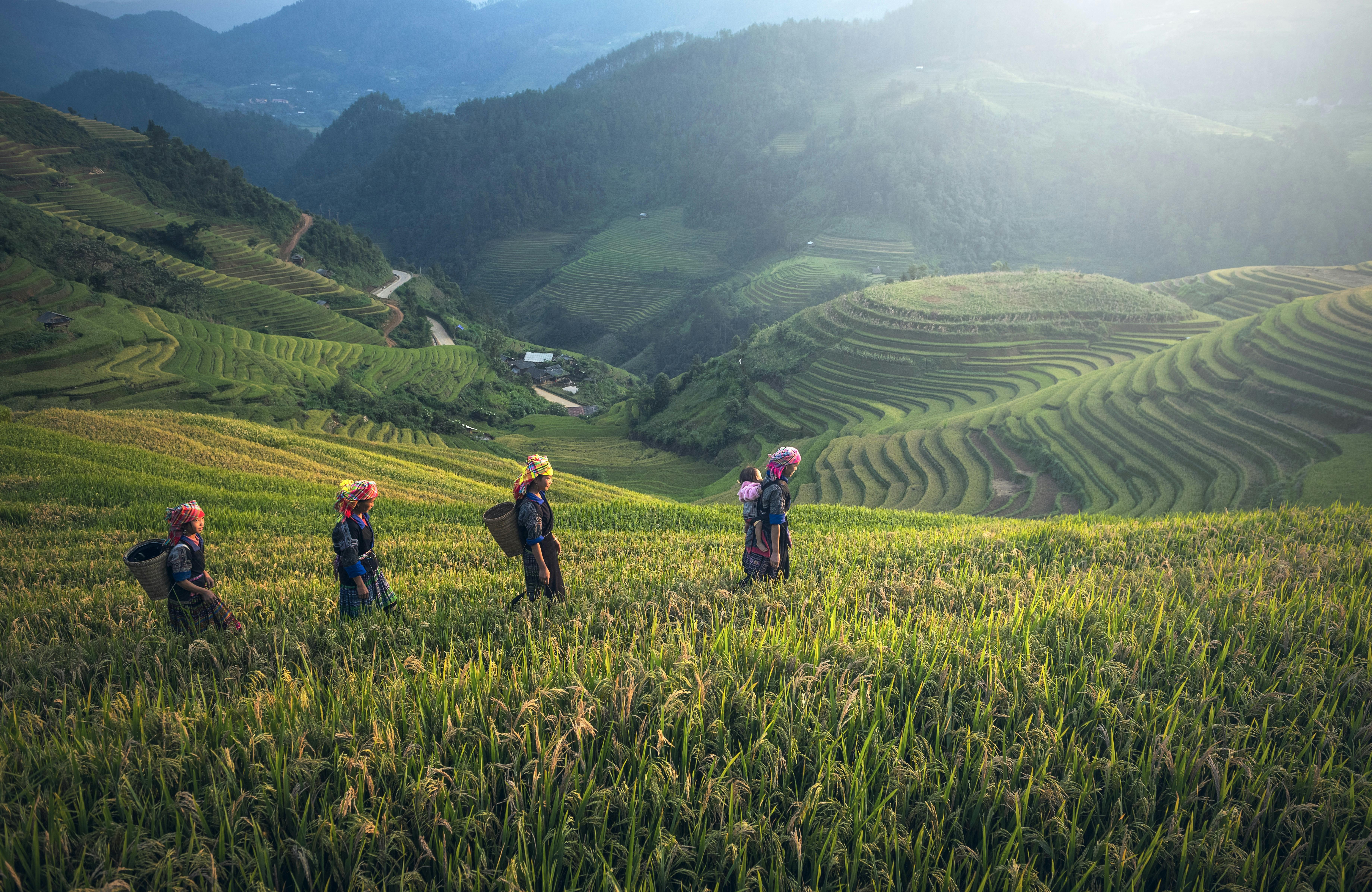
The agricultural sector is the backbone of Kenya's economy, contributing significantly to the GDP and providing livelihoods for a majority of the population. However, it faces persistent challenges, including climate variability, soil degradation, and market fluctuations. In response, sustainable agriculture and organic farming practices are gaining significant traction. Kenya has embraced these principles, integrating them into agricultural policies and practices to create a more resilient farming sector. The adoption of climate-smart technologies and practices is a key trend, with over 60% of Kenyan farmers expected to adopt climate-smart irrigation technologies by 2025, aiming for increased crop yields.
The movement to revive local crop varieties stems from a recognition of their inherent strengths: drought resistance, pest resilience, and superior nutritional value. These heirloom seeds are not merely relics of the past; they are vital resources for the future, offering genetic diversity that can withstand changing environmental conditions. Moreover, the demand for organically grown, authentic local produce is steadily rising, creating lucrative niche markets for farmers who choose to cultivate these forgotten treasures.
Key Insights & Strategies for Heirloom Profits

1. Soil Adaptation Techniques for Traditional Crops
Heirloom seeds and local varieties often have specific soil requirements, having evolved over centuries in particular local conditions. Understanding and adapting your soil to meet these needs is fundamental to successful cultivation and maximizing your profit from heirloom seeds.
2. Innovative Intercropping with Modern Hybrids
The 2025 KALRO study highlighted a 30% higher income for farmers using hybrid-traditional systems. This synergy is largely achieved through smart intercropping with modern hybrids, a strategy that boosts biodiversity, improves resource utilization, and enhances crop resilience. Intercropping involves growing two or more crops in close proximity, a practice that has been instrumental in modern horticulture in Kenya, particularly with high-value crops like Hass avocados.
For farmers seeking to optimize nutrient supply for their diverse intercropping systems, consider using a reliable organic solution like Jobe's Organics Granular Garden Fertilizer.
3. Maximizing Market Value of Local Varieties
The true potential to unlock profit from heirloom seeds lies in effectively marketing their unique attributes. Consumers are increasingly willing to pay a premium for produce that is organic, locally sourced, culturally significant, and boasts superior flavor or nutritional profiles. Several farmers in Kenya have successfully embraced heirloom tomato farming, achieving profitability through niche markets and premium pricing.
To further explore sustainable organic farming solutions and connect with a network dedicated to advancing these practices, explore sustainable organic farming solutions with Biofarm Kenya.
Case Studies: Kenyan Farmers Thriving with Heirloom Crops
Across Kenya, pioneering farmers are demonstrating the viability and profitability of traditional crops and sustainable practices. Their stories serve as powerful testaments to the potential of reviving local crop varieties.
One notable success is the work of small-scale women farmers in various regions, dedicated to preserving indigenous seeds. These farmers, often organized in community groups, are not only safeguarding genetic diversity but also creating local food systems that are resilient to climate change. For instance, in parts of the Rift Valley, communities are actively engaged in restoring degraded land through sustainable farming and tree-planting initiatives, proving that ecological restoration can go hand-in-hand with boosting food production and farmer incomes (WRI, Restoring Degraded Land in Kenya’s Greater Rift Valley).
Another inspiring example comes from farmers who have successfully cultivated heirloom tomatoes for niche markets. By focusing on unique varieties known for their distinct flavors and vibrant colors, these farmers have bypassed conventional market challenges, selling directly to restaurants and consumers at premium prices. This highlights the importance of understanding consumer preferences and tailoring production to meet specific demands for quality and authenticity.
Furthermore, the growing interest in intercropping, as seen with Hass avocados and other fruits like oranges and bananas, exemplifies how modern agribusiness in Kenya is integrating sustainable methods. Farmers are realizing that combining crops can lead to higher overall yields and better land utilization, validating the economic benefits of diverse farming systems. These case studies underscore that with the right knowledge and strategic approach, local crops can indeed unlock profit from heirloom seeds.
Common Mistakes to Avoid in Heirloom Farming
While the rewards of heirloom farming are substantial, common pitfalls can hinder success. Avoiding these mistakes is crucial for maximizing your profit from heirloom seeds and ensuring sustainable practices.
Expert Tips & Best Practices for Sustainable Growth
To truly excel in heirloom farming and consistently revive local crop varieties while generating substantial income, integrating these expert tips into your daily practices is essential.
Future Trends: Innovating for a Resilient Agricultural Future
The future of Kenyan agriculture, particularly in the realm of heirloom and local crops, is bright with innovation. Embracing these emerging trends will further solidify the profitability and sustainability of traditional farming systems.
1. Smart Irrigation and Precision Agriculture: Technologies like sensor-based irrigation systems, which monitor soil moisture and weather data, will become more commonplace. These systems optimize water usage, a critical factor in Kenya's arid and semi-arid regions, ensuring that traditional crops receive precisely what they need, reducing waste and boosting yields. Drones for crop monitoring and AI-driven analytics for disease detection will also enhance efficiency.
2. Vertical Farming and Urban Agriculture: As urban populations grow, vertical farms and controlled-environment agriculture will play a role in supplying fresh, local produce, including niche heirloom varieties. These systems reduce land use, water consumption, and transportation costs, offering a year-round supply for urban markets. While initially focused on high-value leafy greens, their application for traditional herbs and specialty vegetables is expanding.
3. Enhanced Biopesticides and Biofertilizers: The shift away from synthetic chemicals will accelerate with advancements in biopesticides derived from natural materials and biofertilizers that harness beneficial microbes. These organic solutions support soil health, enhance nutrient uptake for heirloom crops, and align perfectly with the philosophy of sustainable farming.
4. Blockchain for Supply Chain Transparency: Consumers increasingly demand to know the origin and journey of their food. Blockchain technology can provide immutable records for heirloom produce, tracing seeds from farm to fork. This transparency builds trust, justifies premium pricing, and combats food fraud, benefiting farmers who specialize in authentic local varieties.
5. Genetic Research for Resilience: While celebrating heirloom diversity, modern genetic research can also play a role. Non-GMO breeding techniques can help identify and enhance desirable traits (e.g., drought tolerance, disease resistance) within existing traditional crop genetic pools, further strengthening their resilience without compromising their heirloom status.
Conclusion: Sowing the Seeds of Prosperity
The journey to unlock profit from heirloom seeds and local crops is not merely an agricultural endeavor; it is a profound commitment to environmental stewardship, economic empowerment, and cultural preservation in Kenya. By focusing on critical aspects like meticulous soil adaptation techniques for traditional crops, strategic intercropping with modern hybrids, and innovative market value strategies, farmers can indeed achieve the promised 30% higher income and build truly resilient farming systems.
The evidence is clear: embracing our agricultural heritage, combined with forward-thinking sustainable practices, paves the way for a prosperous future. Biofarm Kenya stands at the forefront of this movement, providing the knowledge, tools, and community support necessary for every farmer to thrive. Let us continue to cultivate our rich genetic heritage, nurture our lands, and harvest the bounty that local varieties generously offer.
Discover trusted organic farming tools on Amazon and learn more about sustainable solutions with Biofarm Kenya.
Frequently Asked Questions (FAQs)
1. What defines heirloom seeds, and why are they important for Kenyan agriculture?
Heirloom seeds come from open-pollinated plants that have been passed down through generations, typically for at least 50 years, maintaining their genetic characteristics. They are important for Kenyan agriculture because they offer unique genetic diversity, often possessing superior resilience to local pests, diseases, and climate conditions compared to modern hybrids. They also contribute to food security, preserve cultural heritage, and often have distinct flavors and nutritional profiles. Learn more from the FAO on plant genetic resources for food and agriculture.
2. How can I adapt my soil specifically for traditional Kenyan crops?
Adapting soil for traditional Kenyan crops involves enriching it with organic matter, balancing pH levels, and improving its structure. Start with a comprehensive soil test to understand its current composition. Then, incorporate well-rotted compost and farmyard manure, practice crop rotation with nitrogen-fixing legumes, and use cover crops to prevent erosion and add nutrients. Minimizing soil disturbance (conservation tillage) also helps maintain healthy microbial activity. Biofarm Kenya provides resources on soil health management for indigenous crops.
3. What are the best intercropping combinations for heirloom and modern hybrid crops in Kenya?
Effective intercropping combinations leverage the symbiotic relationships between plants. Classic examples in Kenya include the 'three sisters' method (maize, beans, and pumpkin) where maize provides a stalk for beans to climb, beans fix nitrogen, and pumpkins cover the ground, suppressing weeds and retaining moisture. Other combinations include planting traditional leafy greens under taller fruit trees or interspersing pest-repellent herbs with cash crops. The key is to choose plants with complementary growth habits and nutrient needs. For more ideas, refer to studies on farmers' preferences for maize hybrids and intercropping in Kenya.
4. How can small-scale farmers effectively market their heirloom produce for higher profits?
Small-scale farmers can market heirloom produce effectively by focusing on its unique qualities: superior taste, nutritional value, cultural significance, and organic growing methods. Strategies include direct sales at farmers' markets, setting up Community Supported Agriculture (CSA) programs, supplying to local restaurants and hotels, and engaging in value addition (e.g., drying, processing). Building a strong brand story around the heritage and sustainability of your crops can command premium prices. Biofarm Kenya offers market access and value addition strategies.
5. What are the main challenges in organic heirloom farming in Kenya and how can they be overcome?
Challenges in organic heirloom farming in Kenya include lower initial yields during the transition period, limited access to certified organic inputs, and the high cost of organic certification. These can be overcome by gradually transitioning, investing in on-farm composting and manure production, participating in farmer cooperatives to share resources and knowledge, and targeting niche markets willing to pay a premium. Government and NGO support for organic farming initiatives and training can also help. Insights into overcoming these challenges are available from Farming in Kenya on organic farming challenges.
6. Where can I find reliable heirloom seeds and support for sustainable farming in Kenya?
Reliable heirloom seeds can often be found through local farmer networks, seed exchange programs, community-based organizations dedicated to seed saving, and specialized nurseries focusing on traditional varieties. For comprehensive support in sustainable farming, including training, resources, and access to a community of like-minded individuals, explore sustainable organic farming solutions with Biofarm Kenya. They connect farmers with valuable information and practical guidance. You can also find information from agricultural research institutions like KALRO (Kenya Agricultural and Livestock Research Organization).
Internal Biofarm Kenya Links:
External Authoritative Links:


0 Comments