

Estimated Reading Time: 9 minutes
- Sorghum and Millet: The Crops of the Future
- Mastering Water-Use Efficiency
- Building Soil Health with Intercropping
Introduction: Cultivating Resilience in a Changing Climate
Kenya, a nation deeply rooted in agriculture, faces an undeniable reality: its climate is changing. Erratic rainfall patterns, prolonged dry spells, and unpredictable weather events are becoming the norm, posing significant threats to food security and farmer livelihoods. Consequently, Kenyan farmers increasingly seek alternatives to maize due to erratic rainfall, a staple crop that demands consistent water supply. The urgent need to adapt has led to a growing interest in climate-smart farming, a proactive approach that prioritizes resilience and sustainability.
This guide trains on cultivating drought-tolerant crops like sorghum and millet, emphasizing water-use efficiency and market demand. These ancient grains, long overlooked, are now recognized as powerful allies in the fight against climate change. They offer not just survival but prosperity for farmers willing to embrace innovative practices. By understanding their unique benefits and adopting strategic cultivation methods, Kenyan farmers can transform their fields into bastions of productivity, even in the face of challenging environmental conditions.
Background & Context: Kenya's Agricultural Landscape
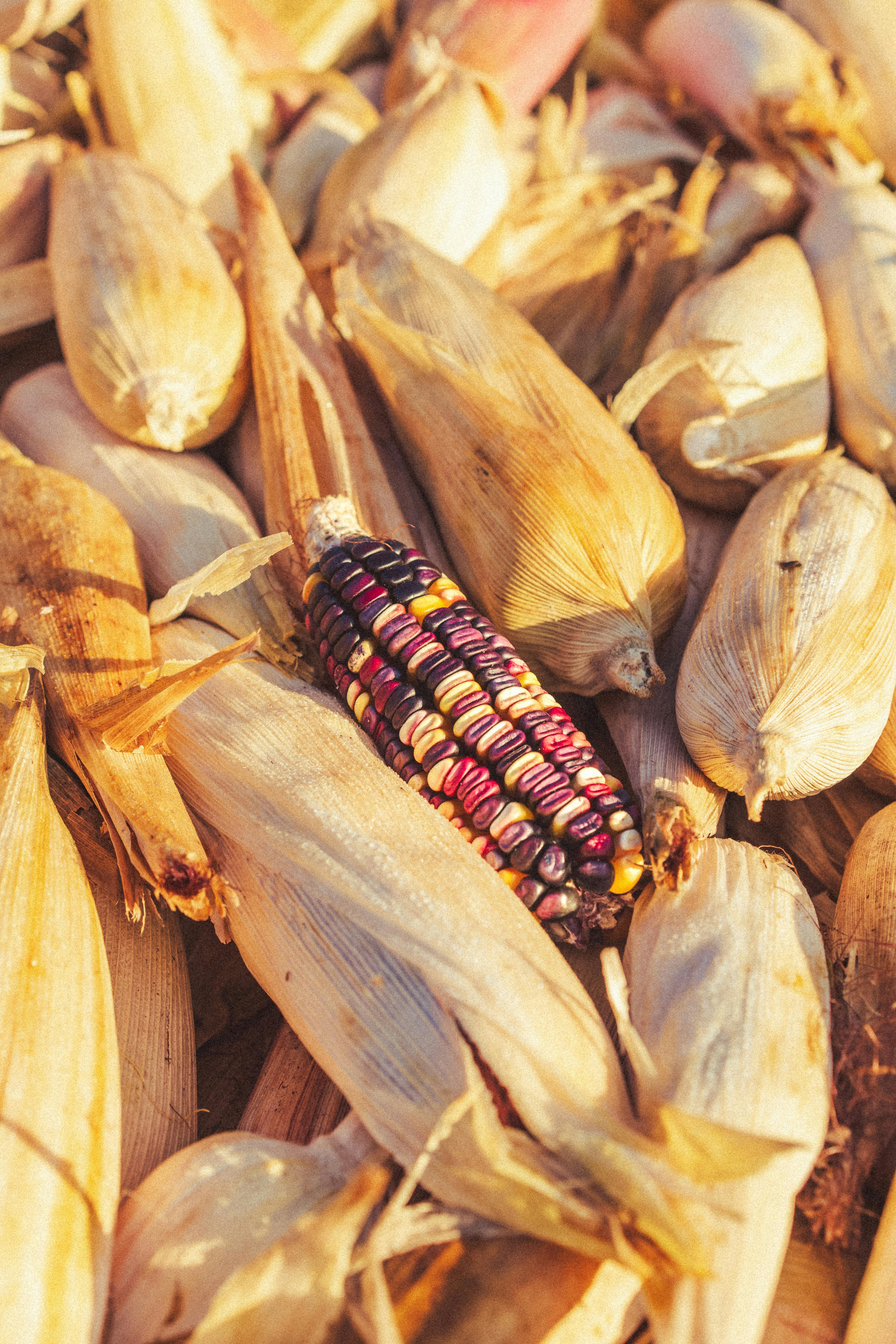
Kenya's agricultural sector is the backbone of its economy, contributing significantly to the Gross Domestic Product (GDP) and employing a large percentage of the population. However, it remains highly vulnerable to climate variability. The arid and semi-arid lands (ASALs), which constitute over 80% of Kenya's landmass, are particularly susceptible to drought. Traditional farming practices, often centered around rain-fed maize cultivation, are no longer reliably sustainable.
The shift towards more sustainable and organic farming practices is not merely an environmental choice but an economic imperative. Data from the Kenya National Bureau of Statistics (KNBS) indicates a growing interest in organic agriculture, driven by both local demand for healthier food and export opportunities. Enhancing soil fertility and adopting practices that conserve water are paramount. Institutions like the Kenya Agricultural Research Institute (KARI), now known as the Kenya Agricultural and Livestock Research Organization (KALRO), have been at the forefront of researching and disseminating information on drought-tolerant crop varieties and sustainable farming techniques, validating their profitability and environmental benefits.
Key Insights & Strategies for Drought-Tolerant Farming
Sorghum and Millet: The Crops of the Future
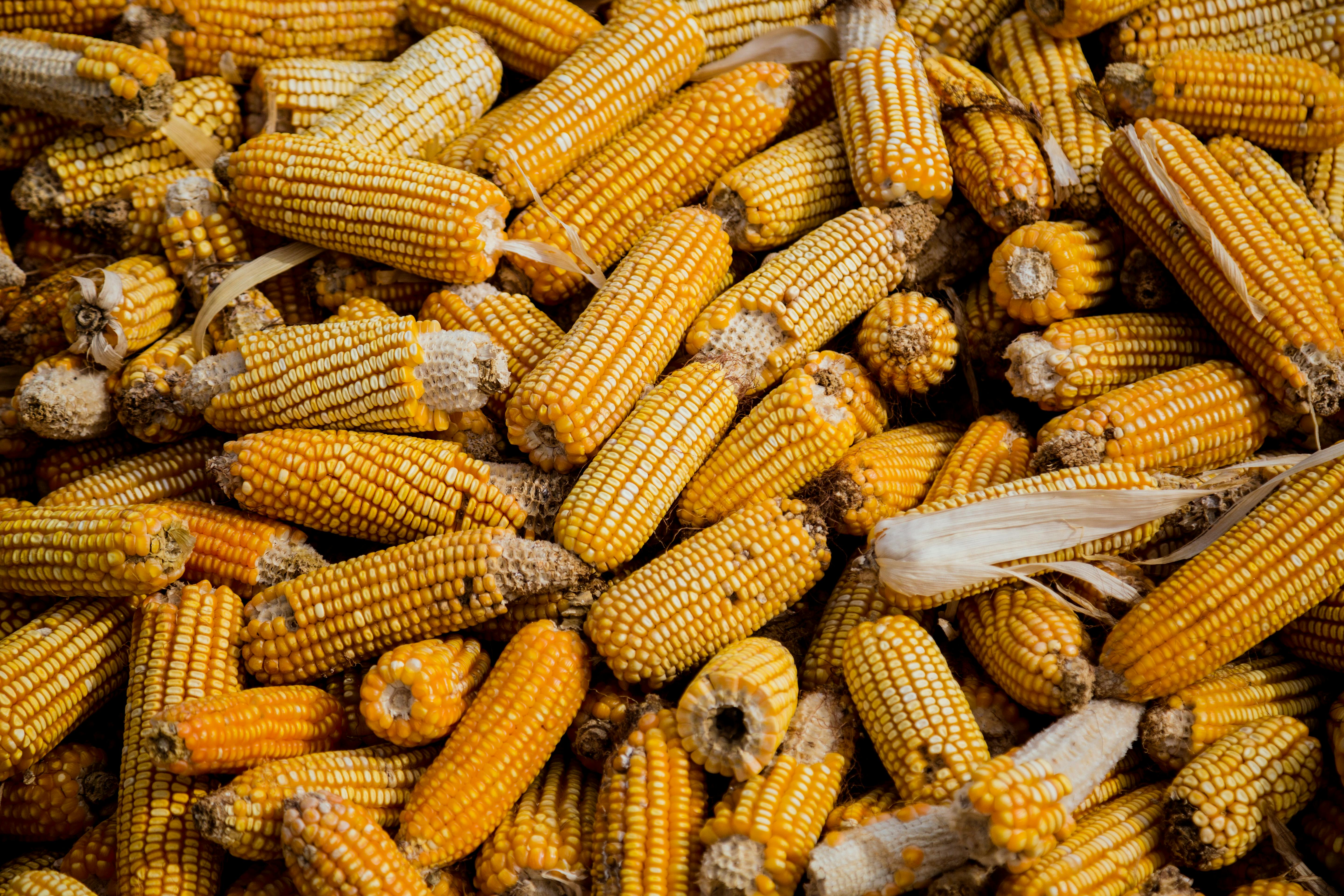
Sorghum and millet are not merely alternatives; they are superior choices for Kenya's drylands. These cereals possess inherent resilience, requiring less water than maize and thriving in conditions where other crops fail. Evidence shows hybrid millet varieties increase yields by 30% in arid regions, providing a significant boost to farmer incomes and food security. Sorghum, with its deep root system, can access water from deeper soil profiles, making it incredibly resilient during dry spells.
To truly understand your soil's potential and ensure the optimal environment for these resilient crops, consider investing in a reliable testing solution. Boost your yields with the Lamotte Model El - Turf and Garden Soil Test Kit – available on Amazon. This will provide crucial insights into your soil's composition, pH, and nutrient levels, allowing for targeted and effective amendments.
Mastering Water-Use Efficiency
Maximizing every drop of water is central to successful drought-tolerant farming. This involves a combination of smart agricultural practices and appropriate technology.
Building Soil Health with Intercropping
Healthy soil is the foundation of productive farming, especially in challenging environments. Intercropping with legumes boosts soil nitrogen naturally, reducing the need for synthetic fertilizers and improving overall soil fertility.
For further innovation in your farming practices and to explore cutting-edge solutions for soil health and water management, Explore sustainable organic farming solutions with Biofarm Kenya.
Case Studies: Success Stories in Kenyan Drought-Tolerant Farming
Across Kenya's ASALs, numerous farmers are demonstrating the tangible benefits of adopting drought-tolerant crops and climate-smart practices. For instance, in Kitui County, farmers participating in ICRISAT and AICCRA (Accelerating Impacts of CGIAR Climate Research for Africa) initiatives have seen their yields of pearl millet and sorghum more than double. These programs focused on providing improved seed varieties and extensive training on conservation agriculture techniques.
One notable success story involves a women's farming group in Makueni County. By shifting from maize to drought-resistant varieties of green grams and millet, and implementing techniques like sunken beds and mulching, they have achieved consistent harvests even during severe droughts. This not only ensured food security for their families but also created surplus for market, improving their economic standing. Their success underlines the importance of community-led initiatives and the adaptability of smallholder farmers when given the right tools and knowledge. (Source: AICCRA/ICRISAT)
Another inspiring example comes from farmers who have embraced small-scale greenhouse farming for high-value crops, alongside their drought-tolerant staples. While greenhouses require an initial investment, they offer controlled environments that dramatically reduce water consumption and allow for year-round production, diversifying income. These innovative farmers often pair greenhouse cultivation with efficient water systems, demonstrating how a blend of traditional knowledge and modern technology can lead to sustainable agribusiness growth.
Common Mistakes to Avoid in Drought-Tolerant Agriculture
Even with the best intentions, farmers can encounter pitfalls when transitioning to drought-tolerant farming. Recognizing and avoiding these common errors is key to sustained success.
Correcting these mistakes involves adopting a holistic approach: invest in education, embrace data-driven decisions through tools like soil testing, and diligently implement proven agricultural practices. Regular training and access to expert advice from organizations like Biofarm Kenya are invaluable.
Expert Tips & Best Practices for Maximizing Yields
Beyond avoiding common errors, several expert tips can help Kenyan farmers optimize their yields and build truly resilient farm systems.
These expert tips, combined with a commitment to continuous learning and adaptation, will empower Kenyan farmers to not only survive but thrive. For more in-depth guidance and resources on these best practices, Explore sustainable organic farming solutions with Biofarm Kenya.
Future Trends: Innovating for a Sustainable Agricultural Future
The landscape of agriculture in Kenya is continuously evolving, with exciting innovations on the horizon that promise to further boost yields and resilience in the face of climate change. Embracing these future trends will be crucial for Biofarm Kenya and its partners in leading the charge for sustainable food systems.
One significant trend is the rise of smart irrigation systems. These technologies use sensors to monitor soil moisture levels and weather forecasts, delivering water precisely when and where it's needed, minimizing waste. Beyond simple drip systems, advanced smart irrigation can be integrated with mobile apps, allowing farmers to control their systems remotely. This precision agriculture approach is becoming increasingly accessible and offers unparalleled water-use efficiency.
Another area of rapid development is AI-driven crop monitoring. Drones equipped with multispectral cameras can quickly assess crop health, identify disease outbreaks, and detect nutrient deficiencies over large areas. This data, processed by artificial intelligence, provides farmers with actionable insights, enabling them to intervene early and prevent significant losses. While initially a high-tech solution, simplified versions and services are expected to become more widespread.
Vertical farming and controlled environment agriculture (CEA) are gaining traction, particularly for urban and peri-urban areas. These methods allow for food production in stacked layers, often indoors, with optimized light, temperature, and humidity. They use significantly less land and water, offer protection from adverse weather, and can produce high-value crops year-round. While capital-intensive, innovations are making them more scalable for smaller operations.
Finally, continuous research into new drought-tolerant crop varieties, including genetically enhanced versions, will continue to play a pivotal role. The focus will be on developing crops that not only withstand drought but also offer enhanced nutritional value and better market appeal. The collaboration between research institutions, private sector, and farming communities will be vital in bringing these innovations from the lab to the field, ensuring that Kenyan agriculture remains vibrant and productive for generations to come. Having a reliable home weather station can also help farmers make informed decisions: For localized weather data to inform your farming decisions, consider a AcuRite Wireless Weather Station – available on Amazon.
Conclusion: A Resilient Future for Kenyan Agriculture
The journey towards a drought-resilient agricultural sector in Kenya is not just a necessity but an opportunity. By strategically adopting drought-tolerant crops like sorghum and millet, focusing on water-use efficiency, and embracing climate-smart farming practices, Kenyan farmers can significantly boost their yields and secure their livelihoods. The profitability validated by Kenya Agricultural Research Institute (KARI) trials underscores the immense potential of these methods.
From careful seed selection and meticulous soil management to innovative post-harvest techniques, every step contributes to building a more sustainable and productive farm. The increasing market demand for these resilient grains further strengthens their position as vital components of Kenya's food future. By incorporating legumes for natural nitrogen boosts and exploring low-cost storage, farmers are investing in both their land and their future.
This transformative path requires collaboration, continuous learning, and access to the right resources. Discover trusted organic farming tools on Amazon and learn more about sustainable solutions with Biofarm Kenya. Together, we can cultivate a resilient, prosperous, and food-secure Kenya.
FAQs: Your Questions on Drought-Tolerant Farming Answered
Q1: What are the benefits of drought-tolerant crops in Kenya?
A1: Drought-tolerant crops offer multiple benefits, including increased food security in arid and semi-arid regions, reduced risk of crop failure due to erratic rainfall, lower water requirements, and often enhanced nutritional value. They enable farmers to achieve stable yields and incomes where traditional crops like maize might fail. (Source: ICRISAT)
Q2: Which drought-tolerant crops are best suited for Kenyan arid and semi-arid lands (ASALs)?
A2: Sorghum, millet (pearl and finger millet), pigeon peas, cowpeas, and green grams are among the best-suited drought-tolerant crops for Kenya's ASALs. These crops have been extensively researched and promoted by organizations like KALRO (formerly KARI) for their resilience and adaptability. (Source: KALRO)
Q3: How can farmers reduce post-harvest losses for drought-tolerant crops?
A3: Reducing post-harvest losses involves several strategies: timely harvesting, proper drying techniques (e.g., solar dryers), using hermetic storage bags or improved granaries to protect against pests and moisture, and efficient transportation to market. These low-cost storage techniques are crucial for maintaining grain quality and market value. A 60 Slots Seed Storage Organizer – available on Amazon can also help preserve seed viability for future planting. (Source: Ministry of Agriculture, Kenya)
Q4: What role does intercropping play in drought-tolerant farming?
A4: Intercropping, particularly with legumes, is a key climate-smart agriculture practice. It naturally enhances soil nitrogen through biological nitrogen fixation, reducing the need for synthetic fertilizers. It also improves soil structure, suppresses weeds, diversifies crop output, and provides insurance against the failure of a single crop. (Source: FAO)
Q5: Are there market opportunities for sorghum and millet in Kenya?
A5: Yes, market demand for sorghum and millet is significantly increasing in Kenya. This is driven by their use in brewing (e.g., for Senator Keg by EABL), as a healthy food alternative (flour blends), and for animal feed. Farmers who produce quality sorghum and millet can tap into these growing markets. (Source: Panagri Media)
Q6: How can climate-smart agriculture practices be adopted by smallholder farmers in Kenya?
A6: Adoption requires a multi-pronged approach: access to information and training through extension services, availability of improved drought-tolerant seed varieties, financial support for initial investments (e.g., drip irrigation), and community-based learning and demonstration farms. Government strategies, like the Kenya Climate Smart Agriculture Strategy, aim to facilitate this widespread adoption. (Source: UNDP Kenya)



0 Comments