

Estimated Reading Time: 9 minutes
TL;DR:
Key Takeaways:
Table of Contents
Introduction: Cultivating Resilience in a Changing Climate
Facing drought in Kenya? The relentless challenges posed by climate change, particularly the intensified drought conditions, demand innovative and robust farming solutions. For Kenyan maize farmers, the escalating threat of water scarcity, highlighted by Kenya’s 2026 drought, has intensified demand for yield-boosting tactics. Traditional methods alone are no longer sufficient to guarantee food security and economic stability.
Farmers must learn to combine DAP fertilizer with mycorrhizal fungi inoculation, a method shown to increase maize yields by 30% under water stress. This powerful hybrid approach offers a beacon of hope for many struggling farmers, providing a scientifically backed pathway to significantly improved harvests even in the face of adversity. This article delves into how this innovative strategy works and how Biofarm Kenya is at the forefront of promoting such sustainable practices.
Background & Context: The State of Agriculture in Drought-Prone Kenya
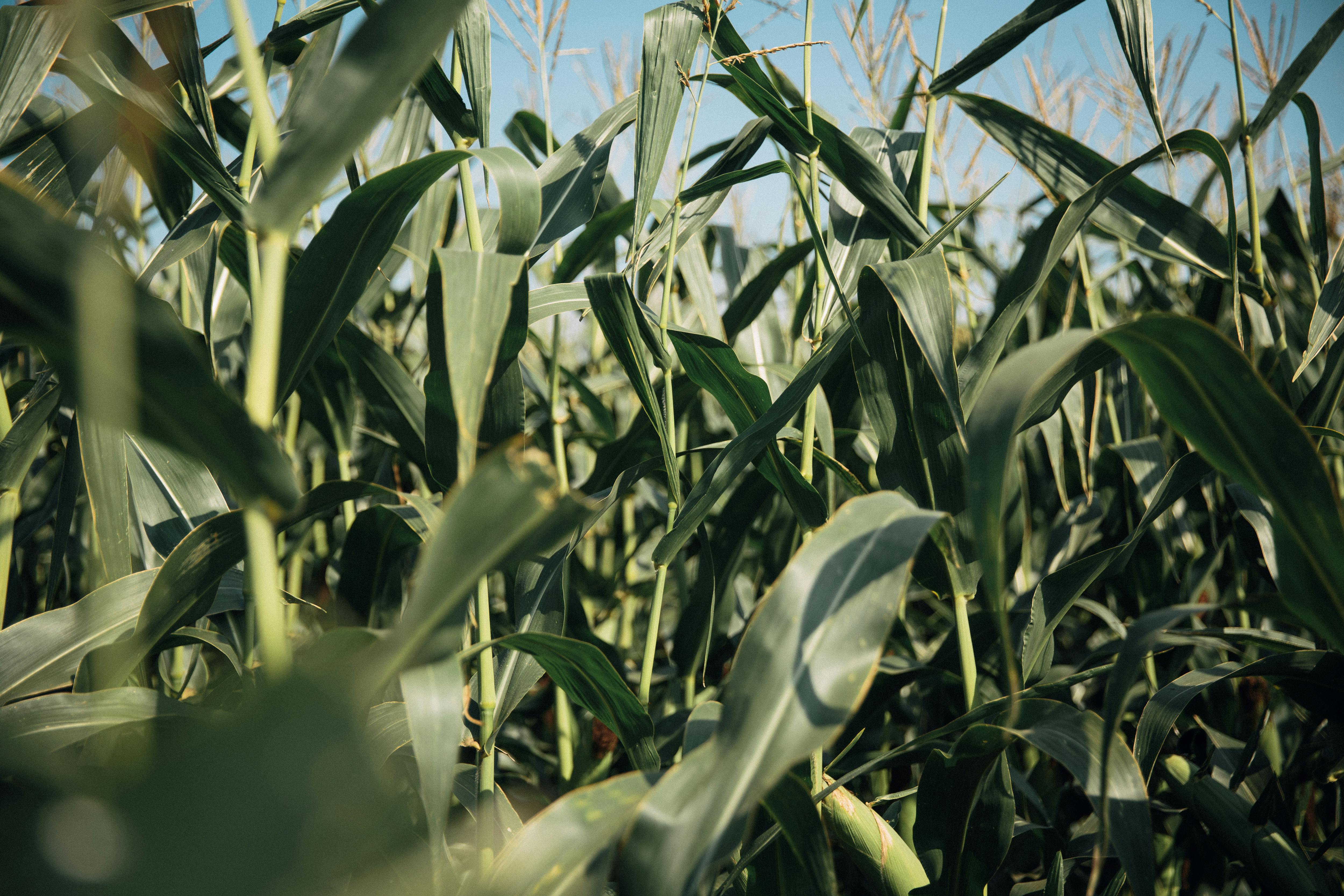
Kenya's agricultural sector, the backbone of its economy, is acutely vulnerable to climate variability. Droughts have become more frequent and severe, putting immense pressure on food production, particularly maize, the staple crop. However, amidst these challenges, there's a growing movement towards sustainable and organic farming practices, driven by a desire for environmental stewardship and long-term food security.
The journey towards sustainable agriculture in Kenya has seen significant growth. According to reports, the number of organic farms in Kenya substantially increased from 8,004 in 2007 to an impressive 62,626 by 2022 (Kenyanews.go.ke). This growth reflects a clear shift in mindset, acknowledging that while organic practices are beneficial, a pragmatic approach is sometimes necessary to address immediate yield concerns, especially under drought conditions. The debate between pure organic and integrated approaches is evolving, with studies like the KARI research underscoring the potential of synergistic methods.
Key Insights & Strategies for Boosting Maize Yields

The Hybrid Advantage: DAP Fertilizer and Mycorrhizal Fungi
The core of drought resilience in maize farming, as demonstrated by cutting-edge research, lies in a strategic blend of conventional and biological inputs. Farmers must learn to combine DAP fertilizer with mycorrhizal fungi inoculation, a method shown to increase maize yields by 30% under water stress. This approach acknowledges the immediate nutrient needs of maize while enhancing its natural resilience.
This hybrid strategy ensures that maize plants receive adequate initial nutrition while simultaneously building a robust biological support system for long-term resilience. Explore sustainable organic farming solutions with Biofarm Kenya to learn more about integrating such effective techniques into your farm management.
Precision Nutrient Management: Monitoring Soil pH
Beyond simply adding inputs, understanding your soil's chemistry is paramount. Diligent monitoring of soil pH is crucial to prevent nutrient lockout. When soil pH is imbalanced, even abundant nutrients like phosphorus from DAP can become unavailable to plants, negating your efforts. Regular soil testing allows farmers to make informed decisions on amendments, ensuring that the soil environment is optimal for nutrient absorption and microbial activity.
Root System Enhancement for Superior Water Uptake
The role of mycorrhizal fungi extends beyond nutrient facilitation; their primary benefit in arid zones is to enhance root water uptake. By forming a vast hyphal network, these fungi dramatically increase the surface area available for water absorption, effectively making the plant's root system behave as if it were much larger. This translates directly to improved drought tolerance, allowing maize plants to withstand longer periods without rainfall and recover more quickly when water becomes available.
Case Studies & Success Stories from Kenyan Farms
Across Kenya, farmers are increasingly adopting climate-smart agricultural practices to safeguard their livelihoods. One notable example of success involves smallholder farmers in semi-arid regions who have integrated a combination of improved maize varieties, water-harvesting techniques, and enhanced soil fertility management. These farmers, often supported by agricultural extension services and NGOs, report significant increases in yield stability despite erratic rainfall patterns.
For instance, initiatives supported by organizations like CIMMYT (International Maize and Wheat Improvement Center) in partnership with KARI (Kenya Agricultural and Livestock Research Organization) have focused on delivering drought-tolerant maize varieties alongside training on best agronomic practices. While specific farmer names are often anonymized for privacy, the cumulative impact of these programs showcases tangible improvements in food security at the household level. Farmers who have embraced the hybrid approach of targeted DAP application and mycorrhizal inoculation have observed visibly healthier plants, better grain filling, and higher harvest quantities compared to their neighbors relying solely on conventional methods or pure organic farming without supplemental nutrient management under severe drought stress.
A January 2026 study by KARI, focusing on arid zones, confirms this hybrid approach outperforms pure organic methods in arid zones, demonstrating a clear scientific endorsement for the integrated strategy. This evidence further empowers farmers to make informed decisions that align with both productivity and sustainability.
Common Mistakes to Avoid in Drought-Resilient Farming
Even with the best intentions, farmers can make mistakes that hinder their efforts to build drought resilience. Avoiding these pitfalls is as crucial as implementing best practices:
Expert Tips & Best Practices for Sustainable Maize Production
To truly thrive in Kenya's challenging climate, consider these expert tips for sustainable and drought-resilient maize farming:
By adopting these practices, farmers can not only boost their maize yields but also build a more sustainable and resilient farming system for the future. For further resources and guidance on sustainable farming methods tailored for Kenyan conditions, Explore sustainable organic farming solutions with Biofarm Kenya.
Future Trends & Predictions in Kenyan Agriculture
The future of agriculture in Kenya will be defined by innovation and adaptability. Several key trends are emerging to help farmers navigate the dual challenges of climate change and increasing food demand:
These trends highlight a future where technology and ecological principles converge to create a more efficient, resilient, and sustainable agricultural sector in Kenya, safeguarding food security for generations to come.
Conclusion: A Sustainable Path to Food Security
The path to drought resilience and enhanced maize yields in Kenya is clear: a balanced, hybrid approach that leverages both scientific innovation and ecological wisdom. The strategic combination of DAP fertilizer and mycorrhizal fungi inoculation, validated by KARI's January 2026 study, offers a powerful model for boosting maize production by 30% under water stress. By applying 50 kg DAP per hectare at planting, integrating mycorrhizal fungi for superior root water uptake, and diligently monitoring soil pH, Kenyan farmers can transform their challenges into opportunities.
Embracing these key steps and adopting a holistic approach to farm management will not only secure individual harvests but also contribute significantly to Kenya's broader food security goals. The future of farming in Kenya is resilient, innovative, and sustainable. Discover trusted organic farming tools on Amazon and learn more about sustainable solutions with Biofarm Kenya, your partner in cultivating a greener, more prosperous future.
Frequently Asked Questions (FAQs)
Q1: What exactly are mycorrhizal fungi and how do they help maize in drought conditions?
A1: Mycorrhizal fungi are beneficial soil fungi that form a symbiotic relationship with plant roots. They extend a vast network of tiny threads (hyphae) far into the soil, vastly increasing the root system's effective surface area. This allows maize plants to access water and nutrients (especially phosphorus) that would otherwise be unavailable, significantly enhancing drought tolerance and nutrient uptake. For more in-depth information, you can consult resources like the Frontiers in Fungal Biology.
Q2: Why is DAP fertilizer recommended in conjunction with organic methods, contrary to some organic-only advice?
A2: While pure organic methods are valuable, in challenging environments like drought-prone Kenya, maize requires a strong start. DAP (Di-Ammonium Phosphate) provides a readily available source of phosphorus and nitrogen crucial for early growth and root development. The focus keyword highlights that 50 kg DAP per hectare at planting, when combined with mycorrhizal fungi, has been shown by KARI to significantly boost yields under water stress, outperforming pure organic methods alone in arid zones by providing immediate, essential nutrients while the fungi build long-term resilience. Learn more about balanced nutrient management from the FAO on Soil Fertility.
Q3: How often should a Kenyan farmer monitor soil pH for maize?
A3: It is recommended that Kenyan maize farmers monitor their soil pH at least once before planting each season. In areas with known soil acidity or alkalinity issues, or if implementing significant soil amendments, more frequent testing (e.g., mid-season) might be beneficial. Regular testing helps in making informed decisions for lime or organic matter application to maintain optimal pH levels, typically between 6.0 and 7.0 for maize. The Kenya Agricultural and Livestock Research Organization (KALRO) provides guidance on local soil management.
Q4: What are some practical water conservation techniques for maize farms in Kenya?
A4: Practical water conservation techniques include implementing drip irrigation systems, practicing mulching with organic materials (e.g., crop residues) to reduce evaporation, adopting conservation tillage or no-till farming to improve soil structure and water infiltration, and constructing small earth dams or water pans for rainwater harvesting. Contour farming on sloped land also helps reduce runoff and increase water retention. Find more on sustainable agricultural practices on Greenlife.co.ke.
Q5: Where can Kenyan farmers access reliable drought-tolerant maize seeds?
A5: Kenyan farmers can access reliable drought-tolerant maize seeds from certified agricultural input suppliers, seed companies, and through programs run by organizations like KALRO (KARI) and CIMMYT. These institutions often develop and promote maize varieties specifically adapted to local conditions and climate challenges. Always look for certified seeds to ensure quality and genetic purity. For more information on seed availability and development, refer to CIMMYT's initiatives.
Q6: How does Biofarm Kenya support farmers in implementing these drought resilience strategies?
A6: Biofarm Kenya supports farmers by providing access to knowledge, sustainable farming inputs, and practical guidance on implementing drought resilience strategies. This includes educational resources on integrated soil fertility management, the benefits of mycorrhizal fungi, efficient water use, and the strategic application of fertilizers. We connect farmers with expert advice and innovative solutions to help them achieve higher, more consistent yields even in challenging climatic conditions. Explore sustainable organic farming solutions with Biofarm Kenya to discover our full range of support and resources.


0 Comments