

Estimated Reading Time: 10 minutes
TL;DR:
- Blended organic and chemical fertilizers significantly boost maize yields (34% increase) and reduce costs (20% savings) for Kenyan farmers.
- Integrated fertilizer management improves soil health twice as fast as chemical-only approaches, enhancing organic matter and microbial activity.
- Customizing fertilizer ratios based on soil test results is crucial for optimal nutrient delivery and maximizing farm profitability.
- Biofarm Kenya advocates for sustainable practices that balance productivity with long-term ecological well-being.
- Adopting blended approaches helps mitigate declining soil fertility and rising input costs, ensuring a more resilient agricultural future.
Key Takeaways:
- Conduct regular soil tests to determine specific nutrient deficiencies and tailor your blended fertilizer ratios.
- Prioritize local organic materials like compost and farmyard manure to enrich soil structure and microbial life.
- Gradually transition to blended systems, monitoring crop response and adjusting inputs for optimal results.
- Invest in sustainable farming tools, such as soil testing kits and efficient irrigation systems, to support your blended approach.
- Partner with agricultural experts and organizations like Biofarm Kenya for guidance on implementing effective blended fertilizer strategies.
Table of Contents
- Introduction
- Background & Context: The Shifting Landscape of Kenyan Agriculture
- Key Insights & Strategies: Mastering Blended Fertilizer Application
- Case Studies, Examples, or Comparisons: Success Stories from Kenyan Farms
- Common Mistakes to Avoid in Fertilizer Blending
- Expert Tips & Best Practices for Maximizing Returns
- Future Trends & Innovations in Kenyan Agriculture
- Conclusion: Cultivating a Profitable and Sustainable Future
- FAQs: Your Blended Fertilizer Questions Answered
Introduction
The agricultural backbone of Kenya, primarily sustained by smallholder farmers, faces a dual challenge: persistently declining soil fertility and the escalating costs of crucial farm inputs. For generations, farmers have worked their land, often without adequate soil replenishment, leading to reduced yields and diminished profits. In this critical juncture, Kenyan farmers are increasingly seeking solutions to declining soil fertility and rising input costs. This guide steps in to empower farmers, training them to optimize fertilizer use by blending organic (e.g., compost) and chemical inputs. We aim to challenge the long-held myth that chemical-only methods inherently yield higher profits, advocating for a balanced, sustainable approach that truly transforms farm economics.
The journey towards sustainable profitability is not about abandoning modern advancements but rather integrating them wisely with time-tested ecological principles. This article will delve into the profound impact of smart fertilizer blending, providing practical, evidence-based strategies tailored for the Kenyan context. We'll explore how this innovative approach not only boosts yields and cuts costs but also significantly improves long-term soil health, securing a brighter future for generations of farmers.
Background & Context: The Shifting Landscape of Kenyan Agriculture

Kenya's agricultural sector, a vital engine of its economy, is at a crossroads. Decades of intensive farming, coupled with limited investment in soil conservation, have led to widespread soil degradation. Many smallholder farms exhibit critically low levels of organic matter, a fundamental component for healthy, productive soil. This depletion exacerbates nutrient leaching and reduces water retention capacity, making farms more vulnerable to climate variability.
However, there's a growing movement towards more sustainable and organic farming practices. Data from the Ministry of Agriculture indicates a steady increase in the adoption of organic farming methods and a renewed focus on integrated soil fertility management (ISFM) across various regions. This shift is driven by a combination of factors: rising consumer demand for organic produce, the environmental imperative to reduce chemical runoff, and the stark reality of prohibitively expensive synthetic fertilizers. Farmers are actively seeking ways to achieve food security and economic stability without compromising the ecological integrity of their land. This comprehensive approach ensures that farmers can mitigate the adverse effects of soil degradation while simultaneously enhancing their land’s natural productivity.
Key Insights & Strategies: Mastering Blended Fertilizer Application
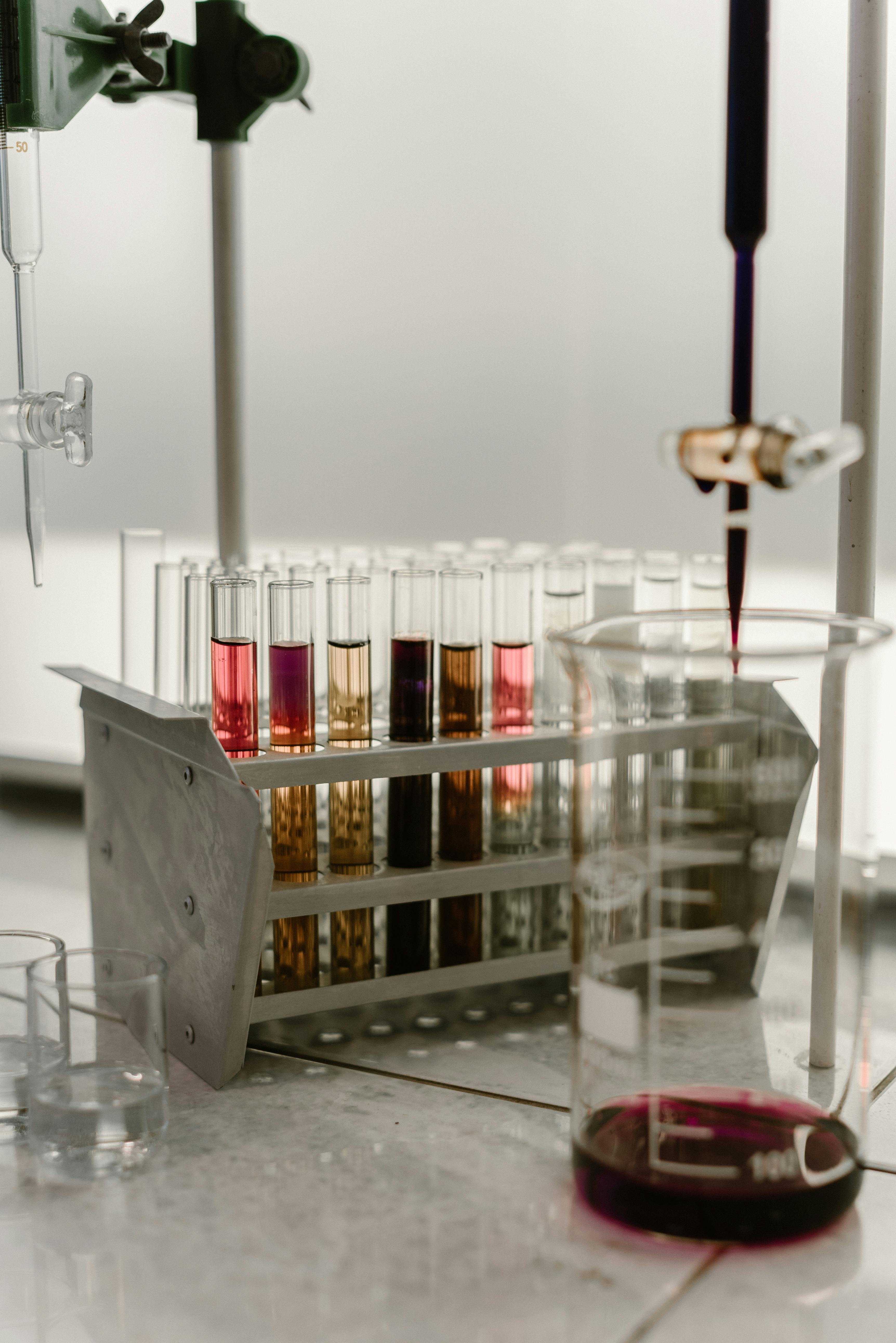
The paradigm shift towards blended fertilizer application is gaining momentum, backed by compelling evidence. A crucial piece of evidence comes from a pioneering 2025 KALRO study, which rigorously compared blended systems with chemical-only plots. The findings were remarkable: blended systems increased maize yields by an astounding 34% while simultaneously reducing input costs by 20% through the strategic use of localized organic materials. Furthermore, the study highlighted significant improvements in soil health metrics, with organic matter and microbial activity improving twice as fast in mixed systems. This underscores the comprehensive benefits of moving beyond a singular focus on synthetic inputs.
Understanding Your Soil: The Foundation of Blending
The first and most critical step in effective fertilizer blending is understanding your soil's unique composition and nutrient profile. Without this fundamental knowledge, any application of fertilizer, whether blended or singular, becomes a guesswork game, often leading to nutrient imbalances, wastage, and suboptimal yields. Soil testing is not just a recommendation; it's an investment that pays dividends by providing precise data on pH levels, organic matter content, and the availability of macro and micronutrients.
- Conduct Comprehensive Soil Tests: Take soil samples from different sections of your farm. Reliable agricultural laboratories or local agricultural extension offices can provide accurate analyses.
- Interpret Results Effectively: Understand what the numbers mean for your specific crops. For example, low pH might require liming, while low nitrogen necessitates nitrogen-rich organic or chemical inputs.
- Regular Monitoring: Soil composition changes over time. Repeat tests every 2-3 years or after significant changes in cropping patterns to stay informed.
For farmers seeking an immediate and accessible way to understand their soil's basic properties, consider theAtree Soil pH Meter 3-in-1 Soil Test Kit – available on Amazon. This practical tool provides quick readings on moisture, light, and pH, empowering you to make initial informed decisions about your soil health.
Optimizing Organic Inputs: The Power of Local Resources
Organic inputs form the backbone of a successful blended fertilizer strategy. They don't just provide nutrients; they rejuvenate the soil's structure, enhance water retention, and foster a vibrant microbial ecosystem essential for nutrient cycling. Relying on locally sourced organic materials significantly reduces costs and promotes a circular farm economy.
- Compost Production: Establish a robust composting system using crop residues, animal manure, kitchen waste, and green matter. Well-rotted compost is a powerhouse of diverse nutrients.
- Farmyard Manure (FYM): Incorporate well-decomposed FYM into your soil. Ensure it's properly cured to avoid burning plants or introducing pathogens.
- Green Manure Crops: Plant legumes (e.g., mucuna, sunhemp) during fallow periods to fix nitrogen and add biomass to the soil when tilled in.
- Biochar Application: Explore biochar, a charcoal-like substance that can dramatically improve soil structure, water holding capacity, and nutrient retention over the long term.
To kickstart your organic input journey, investing in an efficient composting system is paramount. TheGEOBIN Composter, an expandable outdoor garden compost bin available on Amazon, offers an excellent solution for converting farm and household waste into nutrient-rich compost, directly contributing to your farm's self-sufficiency.
Strategic Chemical Supplementation: Precision for Profit
Chemical fertilizers, when used judiciously and in conjunction with organic inputs, play a vital role in providing immediate nutrient boosts and addressing specific deficiencies identified through soil tests. The goal is to supplement, not replace, the soil's natural fertility.
- Calculate Farm-Specific Ratios: Based on your soil test results and crop requirements, determine the precise amount of NPK (Nitrogen, Phosphorus, Potassium) and other micronutrients needed. Avoid blanket applications.
- Timing is Key: Apply chemical fertilizers at critical growth stages when the crop's nutrient demand is highest. Split applications can prevent nutrient loss.
- Targeted Application Methods: Consider methods like banding or foliar sprays for efficient nutrient delivery, reducing wastage and environmental impact.
- Quality Matters: Source high-quality, reputable chemical fertilizers. Work with trusted suppliers to ensure purity and effectiveness.
To further enhance your sustainable farming practices and explore additional resources,explore sustainable organic farming solutions with Biofarm Kenya. Our partners offer a range of products and expertise to help you achieve optimal soil health and profitability.
Case Studies, Examples, or Comparisons: Success Stories from Kenyan Farms
The theoretical benefits of blended fertilizer approaches are powerfully demonstrated by real-world successes across Kenya. From the maize fields of Trans Nzoia to the horticultural farms in Central Kenya, farmers are witnessing tangible improvements in their yields and livelihoods.
Consider the story of Mama Akinyi, a smallholder maize farmer in Bungoma County. For years, she relied solely on expensive DAP and CAN fertilizers, observing diminishing returns and a hardening of her soil. After attending a local agricultural workshop focused on integrated soil fertility management, she started incorporating farmyard manure and making her own compost from crop residues. Following soil testing, she strategically reduced her chemical fertilizer application by 30% and blended it with her organic compost. In just two seasons, Mama Akinyi reported a 25% increase in her maize yield, coupled with a noticeable improvement in her soil's workability and water retention. Her success is a testament to the power of blending, proving that higher profits do not necessitate higher chemical dependency.
Another inspiring example comes from the horticulture sector in Limuru, Kiambu County. Here, a cooperative of small-scale vegetable farmers adopted drip irrigation alongside their blended fertilizer regime. The combination of targeted water delivery and balanced nutrient application led to healthier plants, reduced disease incidence, and significantly improved market quality for their produce. According to a report by the Food and Agriculture Organization (FAO) on sustainable agricultural practices in East Africa, integrated nutrient management, which includes blended fertilizers, has consistently shown to improve crop resilience against pests and diseases, thereby reducing reliance on chemical pesticides as well (FAO, 2021). This holistic approach contributes to both environmental sustainability and economic viability, reinforcing the notion that modern, efficient systems can work hand-in-hand with organic principles.
Common Mistakes to Avoid in Fertilizer Blending
While the benefits of blended fertilizers are clear, several pitfalls can hinder their effectiveness if not carefully navigated. Avoiding these common mistakes is crucial for maximizing your investment and ensuring sustainable farm productivity.
- Ignoring Soil Tests: Guesswork in fertilizer application is the most common and costly mistake. Without knowing your soil's actual nutrient status, you risk over-applying certain nutrients, leading to toxicity or nutrient imbalances, and under-applying others, resulting in deficiencies. Always start with a soil test.
- Improper Composting: Using raw or poorly decomposed organic matter can introduce pathogens, weed seeds, and nutrient imbalances into your soil. Ensure compost and farmyard manure are fully cured and stable before application.
- Over-Reliance on One Nutrient: Focusing solely on NPK without considering micronutrients (like zinc, boron, or iron) can limit crop growth. A balanced approach addresses all essential nutrient requirements.
- Incorrect Timing of Application: Applying fertilizers at the wrong time (e.g., nitrogen too early when plants are small, or phosphorus when soil temperatures are too low) leads to nutrient loss through leaching or volatilization and reduced uptake by plants.
- Uneven Application: Inconsistent spreading of fertilizers, whether organic or chemical, results in patchy growth, areas of nutrient excess, and areas of deficiency across your field. Calibrate your spreaders and ensure even distribution.
- Neglecting Water Management: Efficient nutrient uptake is directly linked to soil moisture. Without adequate and consistent water availability, even perfectly blended fertilizers will not be fully utilized by crops. Integrated water management, such as drip irrigation, is essential.
Expert Tips & Best Practices for Maximizing Returns
To truly unlock the profit-boosting potential of smart fertilizer blending, adopt these expert tips and best practices tailored for Kenyan farmers. These strategies go beyond basic application, focusing on efficiency, long-term soil health, and financial prudence.
- Embrace Precision Agriculture Principles: Utilize GPS-enabled tools for variable rate application of chemical fertilizers, targeting specific zones within your farm based on soil test maps. This minimizes waste and maximizes efficiency. For smaller farms, meticulous manual application based on visual assessment and previous yield data can achieve similar precision.
- Invest in Water-Smart Irrigation: Complement your blended fertilizer approach with efficient irrigation systems. Drip irrigation, for instance, delivers water directly to the plant root zone, reducing water loss and ensuring that nutrients from your blended fertilizers are readily available to plants without being leached away.The RAINPOINT Drip Irrigation Kit, available on Amazon, is an excellent option for garden beds and small farms, complete with a digital water timer for automated, precise watering.
- Adopt Crop Rotation with Legumes: Integrate leguminous crops into your rotation cycle. These plants naturally fix nitrogen in the soil, reducing the need for external nitrogen inputs and enhancing the overall fertility of your land, making your blended fertilizer strategy even more effective.
- Regular Soil Amendment: Beyond annual composting, consider long-term soil amendments like biochar, which can significantly improve soil structure and nutrient retention for decades. Maintain healthy soil withEspoma Organic Garden-tone All Purpose Plant Food, a great supplement to your organic inputs.
- Record Keeping and Analysis: Keep detailed records of your fertilizer applications, crop yields, and input costs. This data is invaluable for analyzing what works best on your farm and making continuous improvements to your blending ratios and strategies.
- Continuous Learning and Networking: Stay updated on the latest agricultural research and best practices. Participate in farmer field schools, workshops, and network with other successful farmers. Share experiences and learn from collective knowledge.
For more in-depth guidance and resources on advanced organic farming techniques and sustainable solutions,explore sustainable organic farming solutions with Biofarm Kenya. We are committed to empowering Kenyan farmers with the knowledge and tools they need to thrive.
Future Trends & Innovations in Kenyan Agriculture
The landscape of Kenyan agriculture is continually evolving, with exciting innovations on the horizon that promise to further enhance productivity, sustainability, and profitability for farmers. Blended fertilizer strategies will seamlessly integrate with these emerging technologies.
- Smart Irrigation Systems: Beyond basic drip irrigation, intelligent systems are being developed that use soil moisture sensors, weather data, and AI to precisely determine when and how much water to apply, minimizing waste and optimizing nutrient delivery.
- Precision Nutrient Management via Drones and AI: Drones equipped with multispectral cameras can monitor crop health and identify nutrient deficiencies at an early stage. AI algorithms then process this data to provide highly specific recommendations for fertilizer application, allowing for ultra-targeted blending and reducing overall input use.
- Vertical Farming and Hydroponics: While perhaps not for every traditional farmer, these controlled-environment agriculture methods are gaining traction, especially for high-value crops near urban centers. They offer year-round production, minimal land use, and highly efficient nutrient delivery through water-based solutions.
- Enhanced Bio-fertilizers and Microbial Inoculants: Research is advancing in developing more potent and specific bio-fertilizers that leverage beneficial microbes to enhance nutrient availability, fix atmospheric nitrogen, and improve plant immunity, further reducing the reliance on synthetic chemicals.
- Climate-Smart Agriculture: Focus on developing drought-resistant crop varieties, improved water harvesting techniques, and farming practices that sequester carbon in the soil, making agriculture more resilient to the impacts of climate change. Blended fertilizers, by improving soil health, are a key component of this.
These trends highlight a future where agriculture in Kenya is not only more productive but also more resilient, sustainable, and economically rewarding for farmers who embrace innovation and integrated approaches.
Conclusion: Cultivating a Profitable and Sustainable Future
The journey to enhanced farm profitability in Kenya is intrinsically linked to adopting smart, sustainable practices. Blending organic and chemical fertilizers is not merely a compromise; it’s a strategic optimization that delivers superior yields, significant cost reductions, and invaluable improvements in soil health. The evidence, from KALRO studies to the success stories of local farmers, overwhelmingly supports this approach, challenging conventional wisdom and paving the way for a more resilient agricultural sector.
By understanding your soil, prioritizing local organic resources, and strategically supplementing with chemical inputs, Kenyan farmers can navigate the challenges of declining fertility and rising costs. This integrated method ensures that the land remains productive for generations, fostering not just economic gain but also environmental stewardship. The future of farming in Kenya is bright, built on the foundation of informed choices and sustainable practices. Discover trusted organic farming tools onAmazonandlearn more about sustainable solutions with Biofarm Kenya. Together, we can cultivate a profitable and sustainable future for every farm.
FAQs: Your Blended Fertilizer Questions Answered
Q1: What are the primary benefits of using blended organic and chemical fertilizers in Kenya?
A1: Blended fertilizers offer a holistic approach, combining the immediate nutrient supply of chemical fertilizers with the long-term soil health benefits of organic matter. This results in significant yield increases (up to 34% for maize), reduced input costs (around 20%), improved soil structure, enhanced water retention, and increased microbial activity, making farms more resilient and profitable. For more information, refer to the Kenya Agricultural and Livestock Research Organization (KALRO) for studies on integrated nutrient management.
Q2: How do I accurately determine the right ratio for blending fertilizers for my farm?
A2: The most accurate method is to conduct a comprehensive soil test. This provides data on your soil's current nutrient levels, pH, and organic matter content. Based on these results and the specific nutrient requirements of your crops, an agricultural extension officer or agronomist can help you calculate the precise blend of organic and chemical inputs needed. Learn more about soil testing and its importance from the Ministry of Agriculture, Livestock, Fisheries and Cooperatives, Kenya.
Q3: Are organic fertilizers alone sufficient to maximize yields in Kenya?
A3: While organic fertilizers are vital for long-term soil health, they often release nutrients slowly and might not provide sufficient quantities for high-yielding modern crop varieties, especially in degraded soils. Blending them with targeted chemical fertilizers ensures immediate nutrient availability and addresses specific deficiencies, leading to optimal yields while still building soil fertility. This balanced approach is often more effective for maximizing both yield and sustainability in diverse Kenyan farming systems.
Q4: How can smallholder farmers in Kenya reduce their fertilizer costs?
A4: Reducing fertilizer costs involves several strategies. Firstly, soil testing prevents over-application of unnecessary nutrients. Secondly, prioritizing locally available organic materials like compost and farmyard manure significantly cuts down on synthetic fertilizer purchases. Thirdly, adopting efficient application methods (e.g., banding) and utilizing green manure crops can reduce the overall reliance on external inputs. Biofarm Kenya offers resources on cost-effective farming techniques.
Q5: What impact does blended fertilizer use have on soil health compared to chemical-only approaches?
A5: Blended fertilizer use dramatically improves soil health. The organic component enhances soil structure, increases water retention, and boosts beneficial microbial activity, which is crucial for nutrient cycling. In contrast, chemical-only approaches can sometimes deplete organic matter, compact soil, and negatively affect microbial life over time. Studies show mixed systems improve soil health metrics twice as fast. For further reading, consult reports by the Food and Agriculture Organization (FAO) in Kenya on sustainable soil management.
Q6: Where can Kenyan farmers find reliable information and support for adopting blended fertilizer strategies?
A6: Farmers can find reliable information and support from various sources. Agricultural extension services provided by county governments, local KALRO research centers, and non-governmental organizations focusing on sustainable agriculture are excellent resources. Additionally, organizations like Biofarm Kenya provide expert advice, training, and access to sustainable farming solutions and products, helping farmers implement effective blended fertilizer strategies.



0 Comments