

Estimated Reading Time: 11 minutes
TL;DR: Kenyan farmers can significantly cut costs and boost yields by transitioning to organic farming. Focus on building farm-made compost for natural nitrogen fixation, implementing strategic crop rotation to manage pests, and applying biochar for improved soil water retention. These methods lead to up to 40% cost reduction, 30% yield increase, and enhanced drought resilience, ensuring long-term farm sustainability and profitability.
Key Takeaways:
- Embrace Composting: Utilize farm waste and legumes to create nutrient-rich compost, reducing reliance on expensive synthetic fertilizers and naturally fixing nitrogen.
- Implement Smart Crop Rotation: Rotate crops like maize, millet, and pigeon pea to naturally break pest and disease cycles, enhancing soil health and biodiversity.
- Utilize Biochar: Incorporate biochar into soils at 2-3 tons/ha to drastically improve water retention, nutrient availability, and overall soil structure, particularly vital in drought-prone regions.
- Reduce Input Costs: By adopting organic practices, farmers can cut costs associated with synthetic fertilizers and pesticides by up to 40%, boosting profit margins.
- Build Drought Resilience: Organic soil management techniques, especially biochar and compost, significantly improve water infiltration and retention, making farms more resilient to erratic weather patterns.
Table of Contents
- Introduction
- Background & Context
- Key Insights or Strategies
- Case Studies, Examples, or Comparisons
- Common Mistakes to Avoid
- Expert Tips or Best Practices
- Future Trends or Predictions
- Conclusion
- FAQs
Introduction
The agricultural landscape in Kenya is undergoing a profound transformation. Faced with the twin challenges of escalating costs for synthetic fertilizers and visible degradation of their vital topsoils, Kenyan farmers are increasingly questioning synthetic fertilizer dependence due to rising costs and soil degradation. This growing concern has sparked a significant shift towards sustainable and economically viable alternatives. This training guide focuses on transitioning to organic soil health practices, offering a pathway to not only mitigate these challenges but also to foster a more resilient and profitable farming future.
Organic farming methods are proving to be a game-changer for many smallholder farmers across the nation. By prioritizing natural processes and ecological balance, these approaches enhance soil vitality, reduce dependency on external inputs, and ultimately lead to healthier crops and sustainable livelihoods. The journey towards organic farming is a strategic investment in the land, the community, and the future of food production in Kenya.
Background & Context
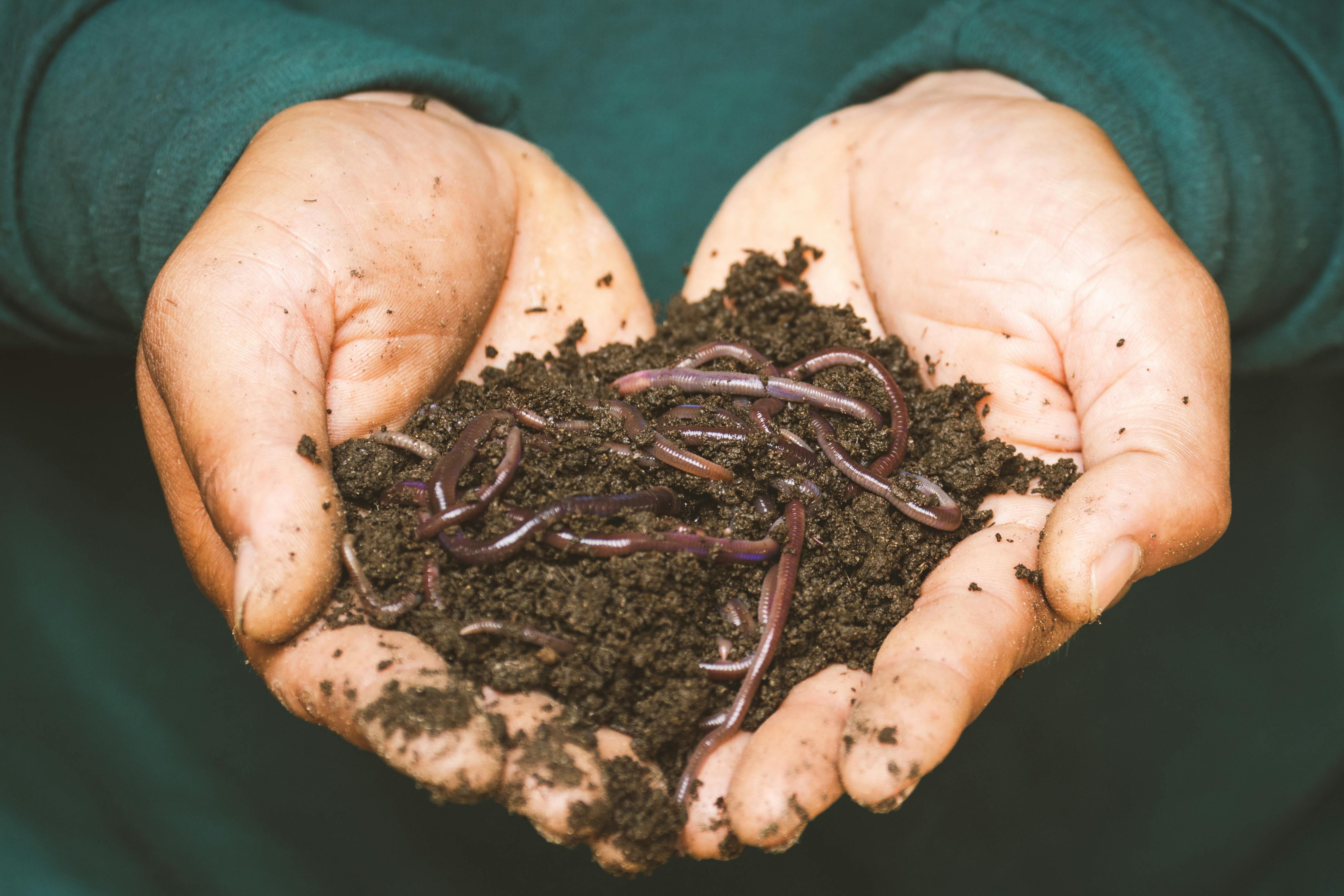
For decades, conventional agriculture in Kenya has relied heavily on synthetic inputs, leading to short-term gains but long-term environmental and economic costs. The continuous application of chemical fertilizers and pesticides has depleted essential soil microorganisms, reduced organic matter content, and diminished the soil's natural capacity to retain water and nutrients. This degradation exacerbates the impact of unpredictable weather patterns, particularly drought, which frequently devastates harvests.
The rising global prices of agricultural chemicals further strain farmers' budgets, making farming increasingly unsustainable for many. Organic farming, however, offers a compelling alternative. Studies by the Kenya Agricultural and Livestock Research Organization (KALRO) in 2023 indicated that farms transitioning to organic methods demonstrated a 15-20% improvement in soil organic carbon within three years, crucial for long-term fertility. The market for organic produce in Kenya is also expanding, driven by health-conscious consumers and export opportunities, presenting a significant economic incentive for farmers to adopt these practices.
Key Insights or Strategies
Transitioning to organic farming in Kenya is not merely about avoiding chemicals; it's about building a robust, self-sustaining ecosystem within your farm. The key lies in understanding and working with nature to enhance soil fertility, manage pests, and conserve resources. Here are the core strategies that empower farmers to reduce costs by 40% and potentially boost yields by 30%.

1. Master the Art of Farm-Made Compost
One of the most powerful tools in an organic farmer's arsenal is compost. Building farm-made compost with legumes to fix nitrogen naturally is a cornerstone of organic soil health. Composting transforms organic waste into a rich, nutrient-dense soil amendment, teeming with beneficial microbes. KALRO 2025 trials show 30% yield increase in maize when complemented with well-made compost.
- Collect Organic Matter: Gather crop residues, animal manure, kitchen scraps, and green waste.
- Layer Materials: Alternate 'green' (nitrogen-rich, e.g., fresh grass, legume cuttings) and 'brown' (carbon-rich, e.g., dry leaves, straw) layers.
- Maintain Moisture and Aeration: Keep the pile moist like a wrung-out sponge and turn it regularly to ensure adequate airflow, which is vital for decomposition.
- Incorporate Legumes: Grow cover crops like common beans, green grams, or clover and incorporate them into your compost. These nitrogen-fixing plants enrich the compost naturally.
For farmers seeking to optimize their composting process, a reliable tool can make all the difference. Consider the Orbit 57896 Garden Compost Thermometer – available on Amazon, which helps monitor internal pile temperatures for efficient decomposition. Additionally, Jobe's Organics Compost Starter, 4 Lb Bag – also available on Amazon, can accelerate the composting process significantly.
2. Implement Strategic Crop Rotation
Implementing crop rotation with millet/pigeon pea to break pest cycles is a time-tested organic practice that maintains soil fertility and disrupts pest and disease lifecycles. It involves growing different types of crops in the same area across successive seasons, benefiting soil structure, nutrient balance, and pest management.
- Follow a Legume-Cereal-Root Cycle: A common rotation involves a nitrogen-fixing legume (e.g., pigeon pea, common bean), followed by a heavy feeder cereal (e.g., maize, sorghum), and then a root crop (e.g., sweet potatoes, carrots) or a cover crop.
- Vary Plant Families: Avoid planting crops from the same family consecutively in the same spot, as they often share similar pests and nutrient requirements.
- Incorporate Cover Crops: Use non-cash crops like sunn hemp or vetch during fallow periods to protect the soil, add organic matter, and suppress weeds.
3. Apply Biochar for Enhanced Soil Resilience
Applying biochar at 2-3 tons/ha to improve water retention is an innovative and highly effective strategy for building drought-resilient soils. Biochar is a stable form of carbon produced by heating biomass in a low-oxygen environment (pyrolysis). When added to soil, it acts like a sponge, dramatically improving water and nutrient retention.
- Source or Produce Biochar: Ensure the biochar is sustainably sourced or produced from agricultural waste.
- Mix with Compost or Manure: For best results, 'charge' the biochar by mixing it with compost or manure for a few weeks before application. This allows it to absorb nutrients and beneficial microbes.
- Infallible Application: Incorporate biochar into the top 15-30 cm of soil during land preparation, either broadcast or placed in planting furrows, at the recommended rate of 2-3 tons per hectare.
Farmers adopting this approach report 40% cost reduction and improved drought resilience, making their farms more productive and resistant to climate shocks. For more insights and resources on adopting these strategies, Explore sustainable organic farming solutions with Biofarm Kenya.
Case Studies, Examples, or Comparisons
Across Kenya, numerous farmers are testament to the transformative power of organic farming. Take the example of Ms. Akoth, a smallholder farmer in Busia County. Previously struggling with consistent crop failures due to exhausted soils and erratic rainfall, Ms. Akoth adopted Biofarm Kenya's organic training protocols. She began with intensive composting, incorporating local crop residues and cow manure, and rotated her maize with pigeon peas and groundnuts.
Within two seasons, Ms. Akoth observed a remarkable improvement. Her soil became noticeably darker, more friable, and retained moisture for longer periods, even during dry spells. Her maize yields increased by an estimated 25%, and she saw a significant reduction in stalk borer infestations due to diversified cropping. Furthermore, her expenditure on synthetic fertilizers dropped to zero, slashing her input costs by nearly 50%. This success story mirrors findings from the Food and Agriculture Organization (FAO) reports on sustainable land management, which highlight similar yield and resilience benefits in smallholder contexts across East Africa.
Another inspiring example comes from the Rift Valley, where a cooperative of horticultural farmers transitioned their greenhouse operations to organic practices. By using vermicompost and introducing beneficial insects for pest control, they successfully eliminated synthetic pesticides. Their produce now commands a premium in local markets and has opened doors to lucrative export opportunities, demonstrating the economic viability and market appeal of certified organic produce in Kenya.
Common Mistakes to Avoid
Transitioning to organic farming, while rewarding, comes with its own set of challenges. Avoiding common pitfalls can save farmers time, money, and frustration, ensuring a smoother and more successful journey towards sustainable agriculture.
- Neglecting Soil Testing: Many farmers overlook initial soil testing, leading to misinformed decisions about nutrient management. Without understanding your soil's baseline, it's difficult to tailor composting or nutrient application effectively. Correction: Invest in regular soil testing to understand pH, nutrient levels, and organic matter content, guiding your organic amendments.
- Expecting Immediate Results: Organic farming builds soil health over time. Some farmers get discouraged by slower initial yield responses compared to conventional methods. Correction: Be patient and understand that soil regeneration is a gradual process; long-term benefits far outweigh short-term impatience.
- Poor Compost Management: Inefficient composting (too dry, too wet, not turned) leads to low-quality compost or takes too long. Correction: Follow proper composting techniques for aeration, moisture, and green-brown ratios to produce nutrient-rich, active compost efficiently.
- Ignoring Crop Rotation Principles: Randomly rotating crops without understanding plant families or nutrient needs can negate the benefits of pest control and soil enrichment. Correction: Plan your crop rotations strategically, considering nutrient cycling, pest deterrence, and soil structure improvement for each crop type.
- Over-Reliance on a Single Organic Input: Believing that one organic amendment (e.g., manure) will solve all soil problems can lead to nutrient imbalances. Correction: Adopt a holistic approach, combining compost, cover crops, biochar, and diverse rotations for comprehensive soil health.
Expert Tips or Best Practices
Drawing from years of experience in sustainable agriculture, Biofarm Kenya offers these expert tips to maximize your organic farming success and build truly resilient systems.
- Diversify Your Farm Ecosystem: Plant a variety of crops, integrate livestock (if possible), and maintain natural habitats around your farm. This biodiversity creates a balanced ecosystem that naturally controls pests and diseases.
- Water Wisely: Organic soils, enriched with compost and biochar, retain water better. However, efficient irrigation remains crucial. Consider adopting drip irrigation or mulching to conserve moisture, especially during dry spells.
- Invest in Quality Seeds: Start with open-pollinated, organic, or heirloom seeds adapted to local conditions. These seeds often perform better in organic systems and contribute to genetic diversity.
- Learn from Others: Join local farmer groups, attend workshops, and share experiences. Collective knowledge is invaluable in overcoming challenges and discovering new, effective techniques.
- Monitor and Adapt: Regularly observe your crops, soil, and pest activity. Organic farming requires constant adaptation based on what your farm tells you.
Maintaining healthy soil is paramount for long-term productivity. Consider using a reliable product like the Luster Leaf 1847 Rapitest Soil Test Kit – available on Amazon to regularly assess your soil's needs. This will help you make informed decisions about your organic amendments. Furthermore, for those looking to kickstart their soil's microbial activity, the Dr. Earth Organic 5 Tomato, Vegetable & Herb Fertilizer, 4 lb – on Amazon can provide a fantastic boost to your plants’ health and productivity.
For more personalized advice and cutting-edge resources, Explore sustainable organic farming solutions with Biofarm Kenya and connect with our network of experts and fellow farmers.
Future Trends or Predictions
The future of Kenyan agriculture is increasingly intertwined with technological advancements and innovative practices, even within the organic sphere. We anticipate several key trends shaping the next decade:
- Smart Irrigation Systems: Adoption of precision irrigation technologies, leveraging sensors and AI to optimize water use, especially critical for organic farms that prioritize water conservation.
- Vertical and Urban Farming: Expansion of compact, high-yield organic farming systems in urban and peri-urban areas, addressing food security and reducing transport costs.
- Bio-Pesticides and Bio-Stimulants: Growing availability and use of naturally derived pest control agents and plant growth enhancers, replacing synthetic counterparts.
- Blockchain for Traceability: Implementation of blockchain technology to ensure transparency and traceability of organic produce from farm to consumer, building trust and premium market access.
- Climate-Smart Agriculture Integration: Further integration of practices that enhance resilience to climate change, such as drought-resistant varieties and advanced water harvesting techniques, all within an organic framework.
These trends highlight a future where organic farming is not just traditional but also technologically sophisticated, ensuring both ecological integrity and economic competitiveness.
Conclusion
The journey towards organic farming in Kenya is a strategic and necessary one for the prosperity of our farmers and the health of our nation's soils. By embracing proven methods like farm-made compost, thoughtful crop rotation, and the innovative application of biochar, Kenyan farmers can achieve significant cost reductions, boost their yields, and cultivate truly drought-resilient soils.
The examples and strategies outlined in this guide demonstrate that the transition to organic practices is not only environmentally responsible but also economically advantageous. It's about empowering farmers to reclaim their independence from costly synthetic inputs and build a sustainable legacy for future generations. The future of farming in Kenya is organic, resilient, and bountiful.
Discover trusted organic farming tools on Amazon and learn more about sustainable solutions with Biofarm Kenya.
FAQs
Q1: What are the primary benefits of transitioning to organic farming in Kenya?
A: Transitioning to organic farming in Kenya offers multiple benefits, including significant cost reductions by eliminating synthetic inputs, increased soil fertility and biodiversity, enhanced drought resilience through improved water retention, and access to premium markets for organic produce. Farmers often report improved yields in the long term, making their operations more sustainable and profitable. Learn more about the global benefits of organic farming.
Q2: How can farm-made compost significantly reduce farming costs?
A: Farm-made compost reduces reliance on expensive synthetic fertilizers by providing a rich, free source of nutrients and organic matter. By utilizing farm waste, crop residues, and animal manure, farmers transform readily available materials into a valuable soil amendment, eliminating the need to purchase external inputs. This practice directly contributes to the reported 40% cost reduction for many organic farmers. Explore KALRO's research on sustainable agriculture practices in Kenya.
Q3: What role does crop rotation play in pest and disease management in organic systems?
A: Crop rotation is a fundamental organic pest and disease management strategy. By varying crop types planted in a specific area over time (e.g., maize followed by pigeon pea), it disrupts the life cycles of pests and pathogens that are specific to certain crops. This prevents the build-up of pest populations and reduces the incidence of soil-borne diseases naturally, reducing the need for chemical interventions. Discover FAO's guidelines on soil fertility and management.
Q4: How does biochar contribute to drought resilience in Kenyan soils?
A: Biochar significantly improves drought resilience by enhancing the soil's water retention capacity. Its porous structure acts like a sponge, holding onto water and nutrients that would otherwise leach away. When applied at rates of 2-3 tons/ha, biochar increases the water-holding capacity of sandy soils and improves drainage in clayey soils, making farms more resilient to periods of low rainfall and improving nutrient availability to plants. Read more about the benefits of biochar from the International Biochar Initiative.
Q5: Are there specific challenges Kenyan farmers face when switching to organic methods?
A: Yes, challenges include an initial learning curve for new techniques, potential temporary yield dips during the transition period as soil biology adjusts, and the labor-intensive nature of some organic practices like manual weeding. Access to organic inputs and certification processes can also be hurdles. However, with proper training and support, like that offered by Biofarm Kenya, these challenges are manageable. Consult NEMA for environmental regulations and guidelines in Kenya.
Q6: Where can Kenyan farmers find reliable support and resources for organic farming?
A: Kenyan farmers can find reliable support from agricultural extension services, local farmer cooperatives, and non-governmental organizations promoting sustainable agriculture. Biofarm Kenya is a leading resource, offering training, workshops, and a network for farmers transitioning to or already practicing organic methods. Partnerships with research institutions like KALRO also provide valuable data and best practices. Explore sustainable organic farming solutions with Biofarm Kenya.



0 Comments