

Estimated Reading Time: 9 minutes
TL;DR: Kenyan farmers can achieve significant long-term gains in soil health and yields through conservation agriculture (CA). While initial adoption might present weed management challenges and temporary yield dips, mastering minimum tillage, cover cropping, and crop rotation is crucial. Expert timing of herbicides and careful selection of cover crop species are key for navigating the transition. Ultimately, CA offers a sustainable path to boost farm resilience against erratic weather and secure future food production.
Key Takeaways:
Table of Contents
Introduction
Kenyan farmers increasingly seek sustainable practices amid erratic weather patterns, a direct consequence of climate change threatening food security and agricultural livelihoods. This guide trains on conservation agriculture (CA), a transformative approach encompassing minimum tillage, continuous cover cropping, and diversified crop rotation, which challenges traditional plowing methods. Adopting CA helps build resilient farming systems that are crucial for long-term productivity and environmental stewardship.
While the transition from conventional farming to CA can present initial hurdles, particularly with managing weed pressure, the long-term benefits are substantial. For instance, the Kenya Agricultural and Livestock Research Organization (KARI) reported in 2025 that farms practicing conservation agriculture observed a remarkable 30% higher yield after three years. However, initial yields may drop by 15–20% during the first season due to altered growing conditions and increased weed competition. Farmers must master the timing of herbicides, select appropriate cover crop species, and diligently monitor soil moisture to navigate these early challenges successfully. Success hinges on carefully balancing these short-term risks against the undeniable long-term gains in soil health, water efficiency, and overall farm profitability.
Background & Context
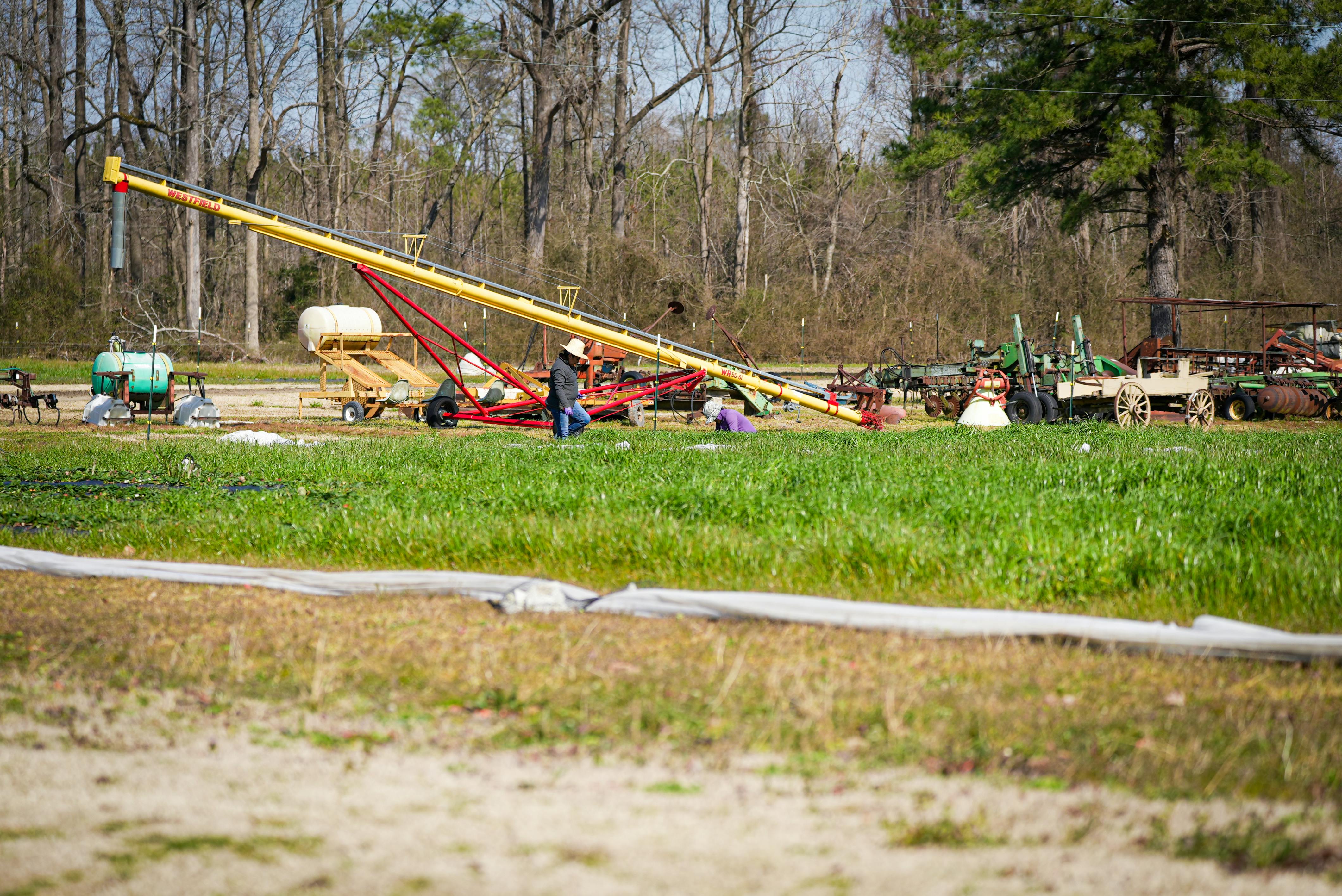
Kenya's agricultural sector, the backbone of its economy, faces persistent challenges including soil degradation, water scarcity, and unpredictable rainfall. Traditional farming methods, often characterized by intensive plowing, contribute to soil erosion, loss of organic matter, and reduced water infiltration. This cycle diminishes soil fertility and crop productivity, making sustainable solutions like conservation agriculture not just beneficial, but imperative.
The growing interest in organic farming and sustainable agriculture in Kenya signifies a paradigm shift towards environmentally friendly practices. Government initiatives and agricultural organizations are increasingly promoting CA as a viable pathway to enhance food security and adapt to climate change. Data from agricultural agencies indicates that regions adopting CA are experiencing improved soil structure, enhanced biodiversity, and more stable yields over time, even amidst climatic fluctuations. These practices are not just about environmental protection; they are about securing a prosperous future for Kenyan farmers and their communities.
Key Insights or Strategies

Implementing conservation agriculture effectively requires a strategic approach, focusing on its three core principles to maximize benefits and mitigate initial challenges.
1. Mastering Minimum Tillage
Reducing soil disturbance is the cornerstone of CA. Minimum tillage, or no-till farming, leaves crop residues on the soil surface, forming a protective layer. This layer prevents erosion, conserves soil moisture, and fosters a healthy soil microbiome. It's a fundamental shift from conventional plowing, requiring careful planning and adaptation.
For accurately assessing your soil's current condition and optimizing your tillage approach, consider utilizing a reliable Soil pH and Moisture Meter – available on Amazon. This tool helps you understand your soil's needs without invasive digging.
2. Strategic Cover Cropping
Cover crops are non-cash crops planted between main cash crop cycles to provide continuous ground cover. They are vital for replenishing soil nutrients, suppressing weeds, improving soil structure, and preventing erosion. Selecting the right species for your region and climate is critical.
3. Diversified Crop Rotation
Crop rotation involves growing different types of crops in the same area in sequenced seasons. This practice is essential for breaking pest and disease cycles, enhancing soil fertility, and optimizing nutrient utilization. A well-planned rotation can significantly reduce the need for external inputs.
To further enhance your farm’s productivity and explore a range of sustainable organic farming solutions, we encourage you to explore sustainable organic farming solutions with Biofarm Kenya, where you can find resources and partnerships tailored to your needs.
Case Studies, Examples, or Comparisons
Across Kenya, farmers who have successfully transitioned to conservation agriculture demonstrate its tangible benefits. In Western Kenya, a community project supported by local NGOs introduced CA practices to smallholder maize farmers. Initially, some farmers faced challenges with increased weed growth, leading to a slight dip in yields. However, after two to three seasons of consistent application of minimum tillage and cover cropping, participating farmers reported significant improvements.
For example, Mr. John Ochieng, a farmer in Bungoma County, shared how his soil structure visibly improved, becoming softer and darker, and his maize yields stabilized despite unpredictable rainfall. His farm experienced less water runoff during heavy rains and retained moisture better during dry spells, directly impacting his family’s food security. This success echoes findings from various studies, including a report by the Food and Agriculture Organization (FAO) on sustainable land management, which highlights improved water retention and reduced soil erosion as key benefits of CA in sub-Saharan Africa. Similar results are seen in semi-arid regions where CA helps farmers grow drought-tolerant crops more successfully.
Compared to traditional plowing, which exposes soil to the elements and breaks down its structure, CA actively builds soil health. While conventional farming may offer quick results in the short term, it often leads to long-term degradation. CA, conversely, requires patience but delivers sustained productivity, healthier ecosystems, and enhanced resilience against climate shocks, proving its value as a long-term investment in the land.
Common Mistakes to Avoid
Adopting conservation agriculture, while rewarding, comes with its own set of pitfalls. Understanding and avoiding these common errors can smooth your transition and maximize your success.
Expert Tips or Best Practices
To truly master conservation agriculture on your Kenyan farm, focus on these expert tips and integrate the right tools for optimal results:
Remember, successfully transitioning to and thriving with conservation agriculture is a journey. For continued support and to discover innovative agricultural solutions, explore sustainable organic farming solutions with Biofarm Kenya.
Future Trends or Predictions
The landscape of agriculture is constantly evolving, and conservation agriculture is poised to integrate with exciting new technologies and trends, especially in Kenya. The future promises innovations that will make CA even more efficient, productive, and resilient.
One significant trend is the rise of smart irrigation systems. These systems, utilizing sensors and data analytics, will precisely deliver water only when and where it's needed, drastically improving water use efficiency – a critical benefit that complements CA's soil moisture retention. Another emerging area is AI-driven crop monitoring, where drones and satellite imagery combined with artificial intelligence can detect early signs of pest infestations, nutrient deficiencies, or even weed outbreaks, allowing farmers to take targeted action with minimal disruption.
Furthermore, advancements in precision agriculture will allow for highly localized application of inputs, reducing waste and increasing efficiency. This includes variable rate application of cover crop seeds and organic fertilizers, tailored to specific zones within a field. Biotechnology is also exploring enhanced cover crop varieties that are more effective at nitrogen fixation, biomass production, or drought resistance. These innovations, when combined with the foundational principles of conservation agriculture, will empower Kenyan farmers to achieve unprecedented levels of sustainability, productivity, and resilience in the face of future environmental and economic challenges.
Conclusion
Mastering conservation agriculture is not merely an option but a strategic imperative for Kenyan farmers aiming for long-term sustainability and profitability. By embracing minimum tillage, diversifying crop rotations, and effectively utilizing cover crops, farmers can transform their land, enhance soil health, conserve precious water resources, and build resilience against the unpredictable impacts of climate change. While the initial transition may present challenges like increased weed pressure and temporary yield adjustments, the evidence overwhelmingly supports CA's capacity to deliver substantial gains in productivity and environmental stewardship over time.
The journey towards successful conservation agriculture requires commitment, continuous learning, and a willingness to adapt. However, the rewards—healthier soils, higher stable yields, and a more secure future for generations—are well worth the effort. Equip your farm with the best practices and tools for success. Discover trusted organic farming tools on Amazon and learn more about sustainable solutions with Biofarm Kenya, your partner in cultivating a greener, more prosperous future.
FAQs
External Authoritative Links:
Internal Biofarm Kenya Links:


0 Comments