

Estimated Reading Time: 10 minutes
TL;DR: Kenyan farmers can significantly reduce costs and boost yields by adopting Integrated Pest Management (IPM). This comprehensive guide provides actionable strategies, from precise pest monitoring to leveraging biological controls and strategic crop rotation, helping farms transition from chemical dependency to sustainable, long-term soil health. Embrace IPM to protect your crops, save money, and contribute to a healthier environment.
Key Takeaways:
Table of Contents
- IntroductionBackground & ContextKey Insights & Strategies for IPM in KenyaCase Studies & Success Stories in Kenyan IPMCommon Mistakes to Avoid in Organic Pest ManagementExpert Tips & Best Practices for Sustainable FarmingFuture Trends in Kenyan Sustainable AgricultureConclusionFAQs
Introduction
In Kenya, the agricultural sector faces a continuous battle against pests, which often leads farmers to heavy reliance on chemical pesticides. This dependency not only escalates farming costs but also raises serious concerns about environmental impact, food safety, and long-term soil health. However, a growing number of Kenyan farmers are now seeking more sustainable and cost-effective alternatives, with trending data showing a significant rise in searches for 'organic pest control Kenya' and methods to 'reduce chemical use'. This guide is specifically designed to train farmers in Integrated Pest Management (IPM), a holistic approach that promises to cut costs, boost yields, and foster environmental stewardship.
Integrated Pest Management (IPM) is a comprehensive strategy that prioritizes ecological understanding and integrates multiple pest control tactics to manage pest populations while minimizing economic, health, and environmental risks. Key steps include diligent pest monitoring using tools like pheromone traps, which have shown promising results with evidence from 2025 KALRO trials indicating 30% fewer pest outbreaks in farms implementing them. Furthermore, the adoption of biological controls, such as neem oil and predatory insects, offers a powerful alternative, with a 2025 study revealing 40% cost savings compared to traditional chemical applications. Implementing well-structured crop rotation plans is also crucial for breaking pest cycles and enhancing soil vitality. Farmers skeptical of 'chemical dependency' are increasingly adopting IPM for its proven benefits in achieving long-term soil health and sustainable productivity.
Background & Context
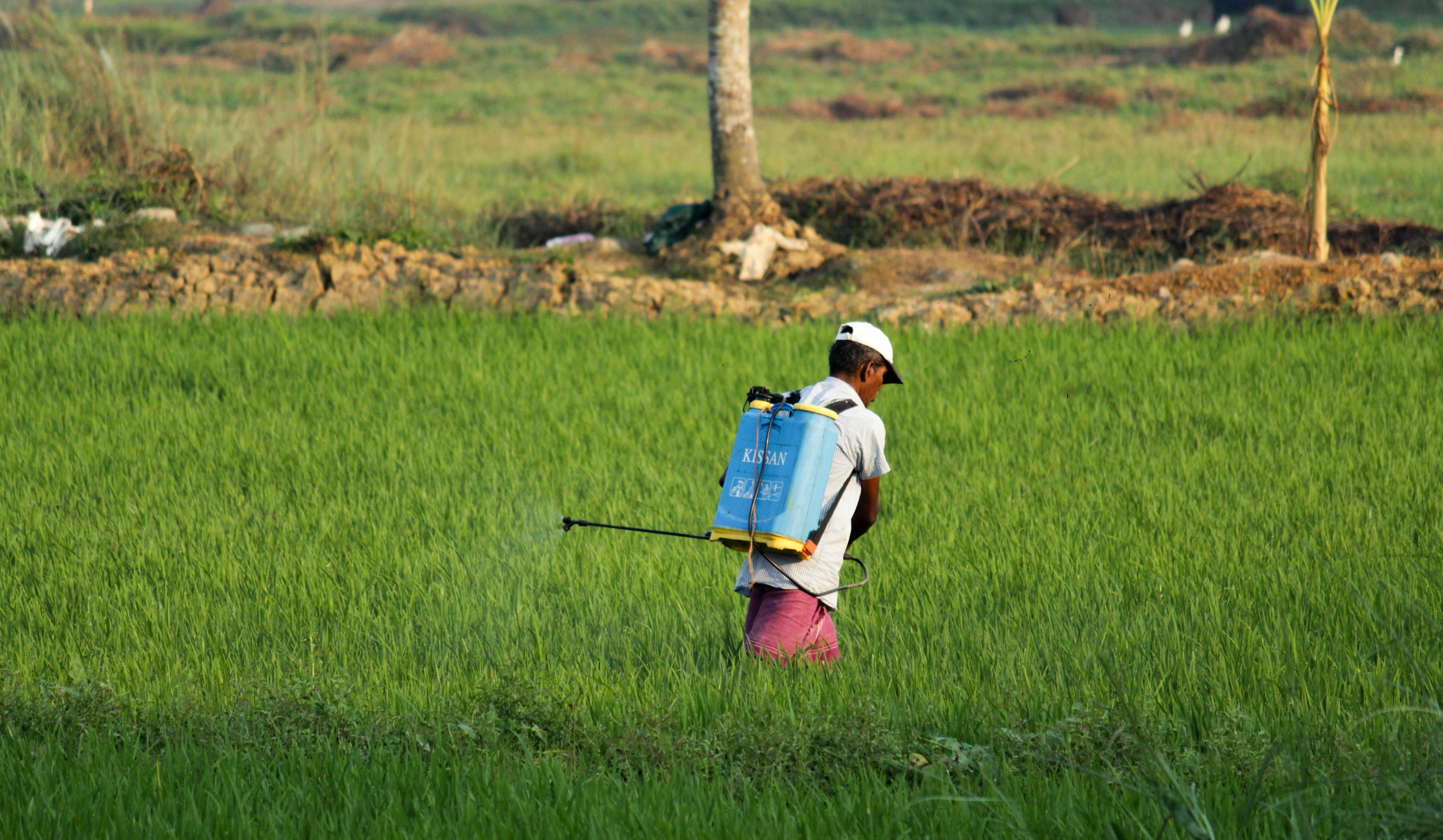
Kenya's agricultural landscape is dynamic, with smallholder farmers forming the backbone of its economy. However, conventional farming practices often involve extensive use of synthetic pesticides and fertilizers, leading to a decline in soil fertility and biodiversity. The push towards organic farming and sustainable agriculture in Kenya is not just an environmental imperative but an economic necessity. Data from various agricultural reports indicates a steady growth in demand for organically produced goods, both domestically and internationally. This shift presents a golden opportunity for Kenyan farmers to embrace methods like IPM, which not only protect crops but also build resilience against climate change impacts and market fluctuations.
The agribusiness sector in Kenya is ripe for innovation, with a significant focus on improving soil health, optimizing water usage, and implementing effective pest management without harmful chemicals. Organizations like the Kenya Agricultural and Livestock Research Organization (KALRO) and the Food and Agriculture Organization (FAO) have been instrumental in advocating for and researching sustainable practices tailored to the Kenyan context. Their findings consistently highlight the long-term benefits of moving away from chemical-intensive agriculture towards integrated and organic solutions, improving yield stability and farmer profitability.
Key Insights & Strategies for IPM in Kenya

Implementing successful Integrated Pest Management (IPM) in Kenya requires a multi-pronged approach that combines traditional wisdom with modern, sustainable techniques. Here are essential strategies for farmers looking to master IPM, save costs, and boost farm yields:
1. Vigilant Pest Monitoring and Early Detection
The cornerstone of any effective IPM program is consistent and accurate pest monitoring. Early detection allows for timely intervention, preventing small infestations from becoming unmanageable outbreaks. This involves regular field scouting, identifying pest species, and assessing population levels.
2. Harnessing Biological Controls and Natural Enemies
Biological control involves using natural enemies (predators, parasitoids, and pathogens) to reduce pest populations. This method is highly effective in organic pest control Kenya and significantly reduces reliance on harmful chemicals.
3. Implementing Strategic Cultural Practices
Cultural controls involve modifying farming practices to make the environment less favorable for pests and more conducive to crop health and growth.
To deepen your understanding and explore more sustainable organic farming solutions, consider visiting Explore sustainable organic farming solutions with Biofarm Kenya for expert resources and partnerships tailored for Kenyan farmers.
Case Studies & Success Stories in Kenyan IPM
The adoption of Integrated Pest Management in Kenya is not just theoretical; numerous smallholder farmers and agricultural organizations have demonstrated its tangible benefits. One notable success comes from farmers in the Rift Valley who embraced IPM practices to combat the devastating fall armyworm. By integrating pheromone traps for monitoring, deploying natural predators like parasitic wasps, and practicing timely crop rotation, these farmers reported a significant reduction in crop damage – in some cases, over 50% compared to chemically treated neighboring farms. This approach not only protected their maize harvests but also dramatically cut down their input costs, leading to higher profit margins.
Another compelling example is seen in the horticulture sector, particularly among organic vegetable growers in Central Kenya. These farmers, often supplying to local markets and export chains, have successfully eliminated synthetic pesticides by relying on bio-pesticides like neem oil and pyrethrum extracts. Coupled with strategic intercropping (planting different crops together to deter pests) and the introduction of beneficial insects, they consistently achieve premium prices for their chemical-free produce. According to the Ministry of Agriculture, Livestock, Fisheries and Cooperatives, such IPM success stories contribute significantly to Kenya's food security and economic growth, promoting healthier ecosystems and empowering local farming communities.
Common Mistakes to Avoid in Organic Pest Management
Transitioning to organic pest control Kenya requires a shift in mindset and practices. Farmers often encounter common pitfalls that can hinder their IPM success. Awareness of these mistakes is the first step towards correcting them and ensuring a robust pest management strategy.
Expert Tips & Best Practices for Sustainable Farming
Achieving sustainable farm yields and mastering organic pest control in Kenya involves adopting a holistic approach that nurtures both your crops and the environment. Here are expert tips and best practices to guide you:
For more in-depth guidance and partnerships that support sustainable farming practices in Kenya, we encourage you to Explore sustainable organic farming solutions with Biofarm Kenya . Their resources are tailored to help you navigate the complexities of modern organic agriculture.
Future Trends in Kenyan Sustainable Agriculture
The future of agriculture in Kenya is poised for transformative innovation, driven by the need for increased efficiency, resilience, and sustainability. As climate change impacts intensify and the demand for safe, organically grown food rises, several key trends are emerging that will shape how Kenyan farmers cultivate their land.
These trends underscore a promising future where technology and ecological principles converge to create a more productive, sustainable, and resilient agricultural sector in Kenya.
Conclusion
Mastering Integrated Pest Management (IPM) is not just a strategic choice for Kenyan farmers; it's an investment in sustainable prosperity. By embracing systematic pest monitoring, leveraging powerful biological controls, and implementing intelligent crop rotation plans, you can dramatically reduce reliance on costly and harmful chemical pesticides. This transition not only cuts operational expenses and boosts your farm's yields but also fortifies your soil health, safeguards biodiversity, and ensures the long-term viability of your agricultural endeavors.
The future of farming in Kenya lies in these forward-thinking, eco-friendly practices. Empower your farm with the knowledge and tools to thrive sustainably. Discover trusted organic farming tools and resources to support your IPM journey on Amazon and learn more about sustainable solutions with Biofarm Kenya . Join the growing community of farmers dedicated to building a healthier, more productive agricultural future for Kenya.
FAQs
1. What is Integrated Pest Management (IPM) and why is it important for Kenyan farmers?
Integrated Pest Management (IPM) is an ecosystem-based strategy that focuses on long-term prevention of pests through a combination of techniques such as biological control, habitat manipulation, modification of cultural practices, and use of resistant varieties. For Kenyan farmers, IPM is crucial because it helps reduce dependency on expensive chemical pesticides, lowers input costs, minimizes environmental pollution, ensures food safety, and promotes sustainable agricultural practices for long-term soil health. Learn more about IPM from FAO.
2. How can I effectively monitor pests on my small farm in Kenya?
Effective pest monitoring on a small farm in Kenya involves regular field scouting (walking through your crops and visually inspecting them), using sticky traps or pheromone traps to capture and identify pests, and maintaining detailed records of pest sightings. This helps in early detection, understanding pest pressure, and making informed decisions about when and where to intervene. Explore resources from KALRO for local monitoring techniques.
3. What are some common biological controls available for pest management in Kenya?
Common biological controls in Kenya include the use of natural predators like ladybugs and lacewings, which feed on aphids and other soft-bodied insects. Biopesticides such as neem oil, which disrupts insect feeding and reproduction, and Bacillus thuringiensis (Bt), a bacteria effective against certain caterpillars, are also widely used. Encouraging a diverse farm ecosystem by planting beneficial insect habitats can also enhance natural pest control. Discover biological control solutions with Biofarm Kenya.
4. How do crop rotation plans help in organic pest control?
Crop rotation plans are fundamental to organic pest control because they break the life cycles of pests and diseases specific to certain crops. By alternating crop types in a given area, you deprive pests of their preferred host plants, reducing their populations over time. This also helps improve soil fertility and structure naturally. Find guidelines on sustainable crop practices from the Kenyan Ministry of Agriculture.
5. Is organic pest control more expensive than conventional chemical methods for Kenyan farmers?
While the initial transition to organic pest control might require an investment in knowledge and different inputs, it often proves to be more cost-effective in the long run. Organic methods reduce the recurring expense of chemical pesticides, minimize health risks associated with chemical exposure, and enhance soil health, leading to sustained productivity and potentially higher market prices for organic produce. Studies have shown significant cost savings over time. Refer to the Kenya Plant Health Inspectorate Service (KEPHIS) for regulations on organic inputs.
6. Where can Kenyan farmers find reliable information and support for adopting IPM?
Kenyan farmers can find reliable information and support for adopting IPM from several sources: government agricultural extension services, research institutions like KALRO, NGOs promoting sustainable agriculture, and agricultural input suppliers specializing in organic solutions. Online resources, workshops, and farmer field schools also provide valuable training and practical guidance. Partner with Biofarm Kenya for expert advice and resources tailored to your farming needs.
Vertical Farming for Psychedelic Mushrooms: The 2026 Revolution in Medicine, Tech, and Farming
```html Vertical Farming for Psychedelic Mushrooms: The 2026 Revoluti…




Social Plugin