Estimated Reading Time: 11 minutes
TL;DRDrought-resistant maize hybrids are crucial for Kenyan farmers, but efficient water management is equally vital to maximize yields.Implementing soil moisture monitoring, precise irrigation scheduling, and mulching can dramatically boost maize yields by 25% and cut water use in half, as proven by KALRO.Leverage simple tools like moisture meters and affordable drip irrigation to make sustainable practices accessible to smallholder farmers.Embrace modern agricultural innovations, from climate-smart techniques to precision farming, to build resilient and productive maize farms.Biofarm Kenya supports farmers with resources and partnerships to adopt these water-saving and yield-boosting methods.
Key TakeawaysMonitor Soil Moisture: Use simple tension meters or digital moisture sensors to determine exactly when and how much to water your maize, preventing overwatering and maximizing uptake.Schedule Irrigation Wisely: Align watering with critical maize growth stages – germination, tasseling, and grain filling – to ensure water availability when it matters most for yield formation.Implement Mulching Techniques: Apply organic mulches (crop residues, dry grass) or weed barrier fabrics to reduce evaporation, suppress weeds, and maintain stable soil temperatures.Choose Drought-Resistant Hybrids: Select KALRO-recommended drought-tolerant maize varieties that are better adapted to erratic rainfall patterns, enhancing resilience.Adopt Integrated Soil Fertility Management: Combine organic fertilizers and soil amendments with efficient water use to build healthy, water-retentive soils that support robust maize growth.
Introduction: Cultivating Resilience in Kenyan Maize Farming
Maize is more than just a crop in Kenya; it's a staple, a source of livelihood, and a cornerstone of food security. However, as climate change intensifies, Kenyan farmers are increasingly adopting drought-resistant maize hybrids due to erratic rains. While these resilient varieties offer a crucial advantage, many farmers inadvertently hinder their own progress by mismanaging water resources. Overwatering not only wastes precious water but also suffocates root systems, leading to reduced yields. The good news is that this challenge presents a profound opportunity for transformation.
The solution lies in smarter water management. Training must focus on critical areas: soil moisture monitoring using simple tools like tension meters, scheduling irrigation based on crop growth stages, and effective mulching techniques to retain soil moisture. Recent trials by the Kenya Agricultural and Livestock Research Organization (KALRO) have demonstrated the remarkable impact of these practices, showing that they can boost maize yields by an impressive 25% while simultaneously cutting water use in half. This article delves into these KALRO-proven techniques, offering a comprehensive guide for Kenyan maize farmers to achieve high yields sustainably, ensuring food security and economic stability in the face of a changing climate.
Background & Context: The Imperative for Water Efficiency
Kenya's agricultural sector, contributing approximately 22% to the nation's Gross Domestic Product (GDP), is largely rain-fed, making it highly vulnerable to climate variability. The escalating frequency and intensity of droughts have made water conservation an urgent priority. Traditional farming methods, while deeply ingrained, often fall short in optimizing water use, leading to significant losses through evaporation, runoff, and deep percolation.
The shift towards sustainable agriculture in Kenya is not merely an environmental choice but an economic necessity. Organic farming, conservation agriculture, and agroforestry are gaining traction as farmers recognize their long-term benefits in building soil health, enhancing biodiversity, and improving resilience. According to the Kenya Organic Agriculture Network (KOAN), the number of certified organic farmers in Kenya has steadily grown, with reported statistics indicating tens of thousands of farmers now practicing organic methods across a substantial acreage. This growth underscores a broader movement towards farming practices that respect natural cycles and conserve resources. Integrating water-smart techniques into this organic framework is essential for truly sustainable and profitable maize cultivation.
Key Insights & Strategies for Water-Smart Maize
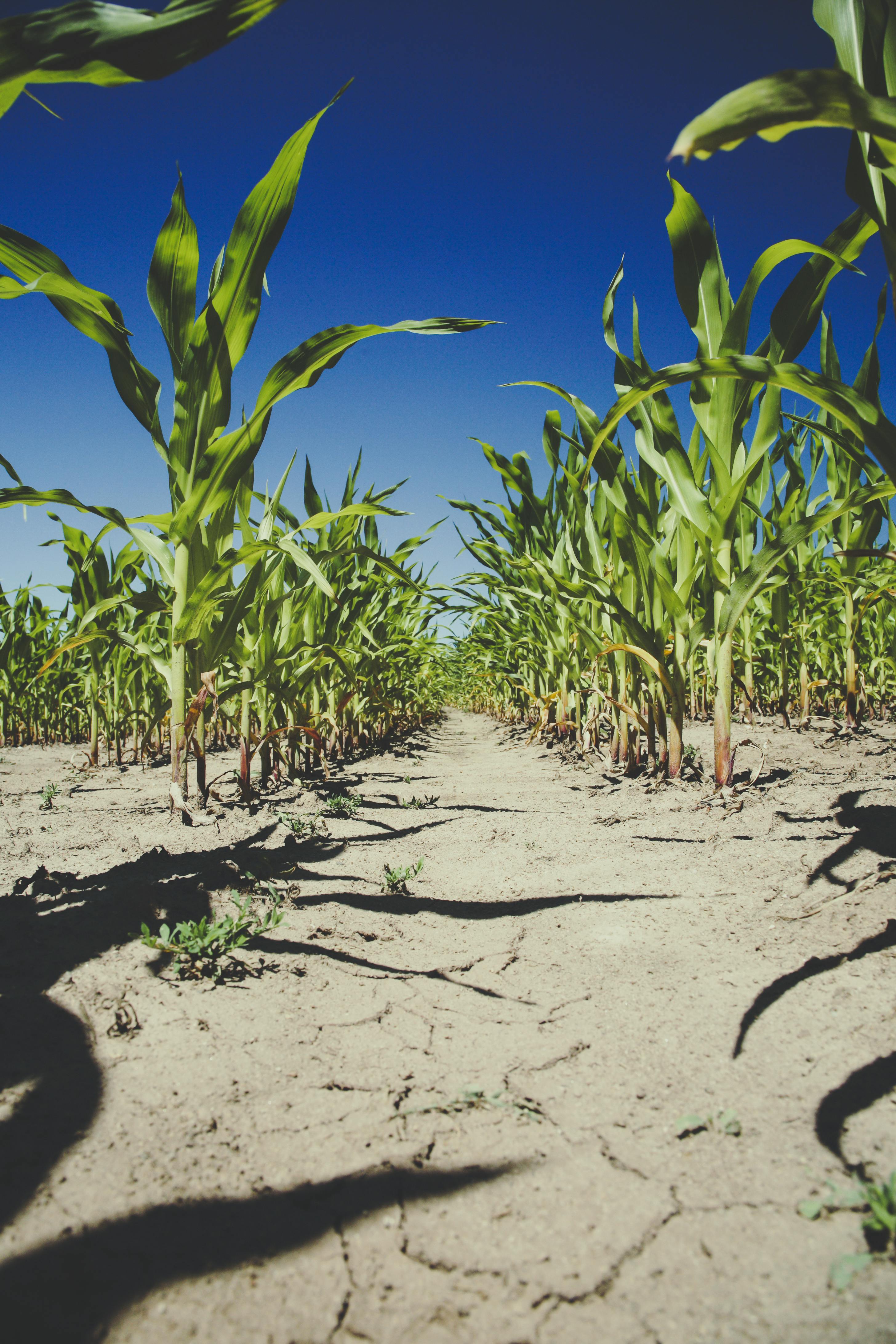
Achieving significant maize yield boosts while drastically cutting water use requires a multi-pronged approach rooted in scientific understanding and practical application. These strategies focus on precise water delivery, moisture retention, and smart crop choices.
1. Precision Soil Moisture Monitoring
The foundation of water-efficient maize farming is knowing exactly how much moisture your soil holds. Overwatering is just as detrimental as underwatering, leading to nutrient leaching, root rot, and wasted resources.
Simple Tools: For smallholder farmers, affordable tools like tension meters provide accurate readings of soil moisture tension, indicating when plants are experiencing water stress.Digital Sensors: More advanced digital soil moisture meters offer real-time data, allowing for highly precise irrigation decisions. For farmers seeking to understand their soil's needs precisely, consider the Hathdia Soil Moisture Meter – available on Amazon, a simple yet effective tool to guide your watering.Visual and Manual Checks: Even without tools, learning to assess soil moisture by feel and appearance at different depths can inform watering decisions.2. Strategic Irrigation Scheduling Based on Crop Stages
Maize has critical growth stages where water availability is paramount for yield formation. Supplying water efficiently during these periods is crucial.
Germination & Early Growth: Sufficient moisture ensures uniform germination and strong seedling establishment.Tasseling & Silking: This is the most water-sensitive stage. Water stress during pollination can drastically reduce grain set and yield.Grain Filling: Adequate moisture during this period promotes plump, well-developed grains.Avoid Unnecessary Watering: Once the grain is physiologically mature, further irrigation offers little benefit and can even promote disease.3. Effective Mulching Techniques
Mulching is a cornerstone of conservation agriculture, providing numerous benefits for water retention, soil health, and weed suppression.
Organic Mulches: Applying a layer of organic materials like maize stalks, dry grass, or wood chips significantly reduces evaporation from the soil surface, regulates soil temperature, and enriches soil organic matter as it decomposes.Weed Suppression: Mulch acts as a barrier, preventing weed growth which competes with maize for water and nutrients. For a durable solution to suppress weeds and retain soil moisture, the HOOPLE 4 * 50FT Premium Garden Weed Barrier – available on Amazon can be an excellent choice, mimicking the benefits of organic mulch by reducing evaporation.Improved Soil Structure: Over time, decomposing mulch enhances soil aggregation, improving water infiltration and aeration.To further enhance your sustainable farming journey and access a wealth of resources, explore sustainable organic farming solutions with Biofarm Kenya.
Case Studies, Examples, or Comparisons
Across Kenya, pioneering farmers are demonstrating the tangible benefits of smart maize farming. In semi-arid regions of Eastern Kenya, farmers participating in KALRO-supported initiatives have seen remarkable transformations. For instance, in Kitui County, a farmer named Mama Zawadi transitioned from relying solely on erratic rainfall to integrating drip irrigation and mulching after attending a local agricultural workshop. By focusing on soil moisture monitoring and applying water directly to the root zone, her maize yields increased by over 30% in a single season, despite below-average rainfall. This success is a testament to the fact that even small-scale farmers can achieve significant gains with targeted interventions.
Another compelling example comes from the 'Water Efficient Maize for Africa' (WEMA) project, which involved collaborations with national agricultural research systems, including KALRO. This project focused on developing and disseminating drought-tolerant maize varieties alongside promoting efficient water use practices. Farmers adopting WEMA hybrids combined with practices like reduced tillage and residue retention (a form of mulching) reported higher yields under water-stressed conditions compared to conventional methods. These examples highlight the synergy between improved genetics and efficient agronomy. According to a report by the Food and Agriculture Organization (FAO), improved water management techniques, coupled with drought-resilient crops, are critical for enhancing food security and farmer livelihoods in sub-Saharan Africa, including Kenya. (Source: FAO AquaCrop website)
Common Mistakes to Avoid
Even with the best intentions, farmers can make mistakes that undermine water efficiency and yield potential in maize cultivation. Recognizing and rectifying these common errors is key to successful smart farming.
Overwatering: This is perhaps the most prevalent mistake. Excess water leads to anaerobic conditions around roots, nutrient leaching, and encourages fungal diseases. It also wastes water and energy. Always check soil moisture before irrigating.Irregular Watering: Inconsistent watering, with long periods of drought followed by heavy irrigation, stresses the plant and negatively impacts growth and yield. Maize thrives on consistent, adequate moisture, especially during critical stages.Surface Irrigation without Mulch: Watering methods like flood or furrow irrigation, especially on bare soil, result in significant water loss due to evaporation and runoff. Without mulch, the soil surface dries out quickly, necessitating more frequent watering.Ignoring Crop Growth Stages: Applying the same amount of water throughout the maize lifecycle is inefficient. Water needs vary significantly. Overwatering during vegetative growth and underwatering during tasseling or grain filling are common and costly errors.Poor Soil Health: Compacted or degraded soils have poor water infiltration and retention capacities. Relying heavily on irrigation without addressing underlying soil health issues is a short-term fix that leads to long-term problems.Using Uncertified Seeds: While not directly a water mistake, using uncertified or non-drought-resistant seeds in water-stressed areas means the crop is inherently less efficient at utilizing available moisture, amplifying the impact of water scarcity.
Expert Tips & Best Practices for Sustainable Yields
To truly master smart maize farming, integrate these expert-backed practices into your routine. These tips, refined through years of research and farmer experience, are designed for the Kenyan context.
Embrace Drip Irrigation: For targeted water delivery, nothing beats drip irrigation. It delivers water directly to the plant's root zone, minimizing evaporation and runoff. Even small-scale systems can make a huge difference. Consider investing in a system like the Drip Irrigation Kit for Small Farms – available on Amazon, which provides comprehensive components for efficient water application.Practice Conservation Tillage: Minimizing soil disturbance through no-till or reduced tillage leaves crop residues on the surface, acting as natural mulch. This improves soil structure, increases water infiltration, and reduces erosion.Incorporate Organic Matter: Healthy soil is the best water reservoir. Regularly add compost, farmyard manure, or green manures to your soil. Organic matter dramatically increases the soil's water-holding capacity. To enrich your soil and promote robust maize growth, consider an effective soil enhancer like Mission Fertilizer SWEETEN 0-0-2 Organic Fertilizer – available on Amazon, which supports beneficial soil microbes for optimal nutrient uptake.Plant at Optimal Density and Spacing: Proper plant spacing ensures each maize plant has adequate access to light, nutrients, and water without excessive competition. Overcrowding increases water demand per unit area.Utilize Water Harvesting Techniques: Collect rainwater from rooftops or create small earth bunds (fanya juu) and terraces in your fields to capture and infiltrate rainwater, especially in sloped areas.Intercropping with Legumes: Planting maize with legumes like beans or cowpeas can improve soil fertility through nitrogen fixation, reduce weed pressure, and provide a living mulch effect, further conserving soil moisture.Monitor Weather Patterns: Stay informed about local weather forecasts. This helps in anticipating rainfall events and adjusting your irrigation schedule accordingly, preventing unnecessary watering.For more in-depth guidance and partnerships that support these sustainable practices, remember to explore sustainable organic farming solutions with Biofarm Kenya.
Future Trends or Predictions
The future of maize farming in Kenya is bright with innovation, promising even greater efficiency and resilience. Technology will play a pivotal role in shaping sustainable agricultural practices.
Smart Irrigation Systems: The integration of IoT sensors with automated irrigation systems will become more commonplace. These systems, linked to weather forecasts and real-time soil moisture data, will deliver precise amounts of water exactly when and where needed, optimizing water use to an unprecedented degree.AI-Driven Crop Monitoring: Artificial intelligence and machine learning, coupled with drone imagery and satellite data, will enable farmers to monitor crop health, identify water stress, and detect pests and diseases with remarkable accuracy. This predictive analytics will allow for proactive interventions, saving resources and increasing yields.Vertical and Urban Farming: As land becomes scarcer and urbanization increases, vertical farming and controlled-environment agriculture will gain traction, especially for high-value crops. While less direct for maize, these innovations push the boundaries of water recycling and land use efficiency, influencing broader agricultural thought.Advanced Drought-Tolerant Varieties: Ongoing research by institutions like KALRO and international partners will continue to develop even more resilient maize hybrids, capable of thriving under severe water stress while maintaining high yield potential. Biotechnological advancements will accelerate this process.Circular Agriculture and Bio-economy: A shift towards circular agricultural models, where waste from one part of the farm becomes a resource for another (e.g., biogas from maize stover, nutrient recycling), will improve resource efficiency and reduce environmental impact.Mobile-Enabled Extension Services: The proliferation of mobile technology will facilitate access to real-time agricultural advice, market information, and financial services for smallholder farmers, bridging knowledge gaps and empowering better decision-making.
Conclusion: A Sustainable Harvest for Kenya's Future
The journey towards sustainable and highly productive maize farming in Kenya is one of innovation, adaptation, and empowerment. By embracing KALRO-proven techniques like precise soil moisture monitoring, strategic irrigation scheduling, and effective mulching, Kenyan farmers can not only boost their yields by 25% but also halve their water consumption. These methods are not just about saving water; they are about fostering resilient farms, enhancing soil health, and securing a prosperous future for farming communities across the nation.
The lessons are clear: knowledge is power, and simple, accessible tools can lead to profound impacts. As we look ahead, the integration of smart technologies and a continued commitment to organic, sustainable practices will further solidify Kenya's position as a leader in food security and climate-resilient agriculture. Let every drop count, and every seed flourish.
Discover trusted organic farming tools on Amazon and learn more about sustainable solutions with Biofarm Kenya.
Frequently Asked Questions (FAQs)
Q1: What are the key benefits of using soil moisture meters for maize farming?A1: Soil moisture meters help farmers determine the exact water content in their soil, preventing both overwatering and underwatering. This precision leads to healthier maize plants, optimal nutrient uptake, significant water savings, and ultimately, higher yields. It also helps in making informed decisions for irrigation scheduling, especially crucial during dry spells. (Source:
National Environment Management Authority (NEMA) Kenya)
Q2: How do drought-resistant maize hybrids perform compared to traditional varieties in Kenya?A2: Drought-resistant maize hybrids, developed by institutions like KALRO, are specifically bred to withstand prolonged dry periods and utilize available moisture more efficiently. They typically outperform traditional varieties in drought-prone regions, offering more stable and higher yields under erratic rainfall patterns, which is vital for food security in Kenya. (Source:
Kenya Agricultural and Livestock Research Organization (KALRO))
Q3: What role does mulching play in saving water for maize crops?A3: Mulching is a highly effective water-saving technique. A layer of organic material or weed barrier fabric on the soil surface reduces direct evaporation, suppresses weed growth (which compete for water), moderates soil temperature, and improves soil structure for better water infiltration. This collectively means less frequent irrigation is needed, saving significant amounts of water. (Source:
ResearchGate - Mulching benefits)
Q4: Can small-scale farmers in Kenya afford and implement drip irrigation?A4: Yes, drip irrigation is increasingly accessible and affordable for small-scale farmers. Many simple, low-cost drip kits are available that can be installed with minimal technical expertise. The initial investment is quickly recouped through increased yields and significant savings on water, labor, and fertilizer, making it a highly cost-effective solution for sustainable farming. (Source:
Biofarm Kenya Drip Irrigation Solutions)
Q5: What are the best organic fertilizers for boosting maize yields while conserving water?A5: Organic fertilizers like compost, farmyard manure, and vermicompost are excellent for maize. They not only provide essential nutrients but also significantly improve soil structure and organic matter content. This enhances the soil's water-holding capacity, allowing it to retain moisture for longer periods, thus reducing the need for frequent irrigation. (Source:
Kenya Organic Agriculture Network (KOAN))
Q6: How can farmers integrate traditional knowledge with modern water-saving techniques?A6: Farmers can effectively blend traditional knowledge, such as observing local weather patterns and traditional crop calendars, with modern techniques like soil moisture monitoring and targeted irrigation. For example, traditional rainwater harvesting methods can be enhanced with modern storage solutions, and indigenous knowledge of plant indicators for water stress can be validated by sensor data. This integration creates robust, context-specific water management strategies. (Source:
FAO AquaCrop website)
Further Resources from Biofarm Kenya
Discover our Recommended Maize VarietiesLearn More About Soil Health ManagementExplore Biofarm Kenya's Irrigation SolutionsBrowse Our Organic Fertilizer RangeSign Up for Farmer Training WorkshopsRead Inspiring Farmer Success Stories





0 Comments