

Estimated Reading Time: 15 minutes
TL;DR: No-till farming in Kenya significantly boosts maize yields (up to 30%) and reduces water usage (by 40%) by preserving soil health. Key practices include maintaining crop residue, direct seed drilling, and integrating cover crops. This approach combats severe soil degradation and erratic rainfall, offering a sustainable path to food security. Farmers benefit from enhanced soil fertility, reduced erosion, and lower input costs, promoting long-term agricultural resilience.
Key Takeaways:
Table of Contents:
Introduction: Revolutionizing Kenyan Agriculture
Kenya's agricultural landscape, the backbone of its economy and food security, faces formidable challenges: persistent soil degradation and increasingly erratic rainfall patterns. In response, Kenyan farmers are increasingly adopting conservation agriculture to combat soil degradation and erratic rainfall. This guide focuses on no-till farming techniques, challenging traditional plowing. Key steps include using mulch for moisture retention, drilling seeds directly into undisturbed soil, and integrating cover crops. A 2026 Jomo Kenyatta University study found no-till maize farms saw 30% higher yields and 40% reduced water use. Prioritize equipment adaptation and crop rotation for success. This revolutionary approach to farming is proving to be a game-changer, offering a sustainable pathway to boost yields, enhance soil health, and secure livelihoods across the nation.
Traditional tilling, while historically prevalent, often exacerbates these issues by exposing soil to erosion, depleting organic matter, and disrupting the delicate microbial ecosystems vital for nutrient cycling. No-till farming, conversely, prioritizes minimal soil disturbance, allowing nature to build a robust and fertile foundation for crops. This shift isn't just about changing methods; it's about embracing a philosophy that respects and works with the land, ensuring its productivity for generations to come.
Background & Context: The State of Kenyan Farmlands
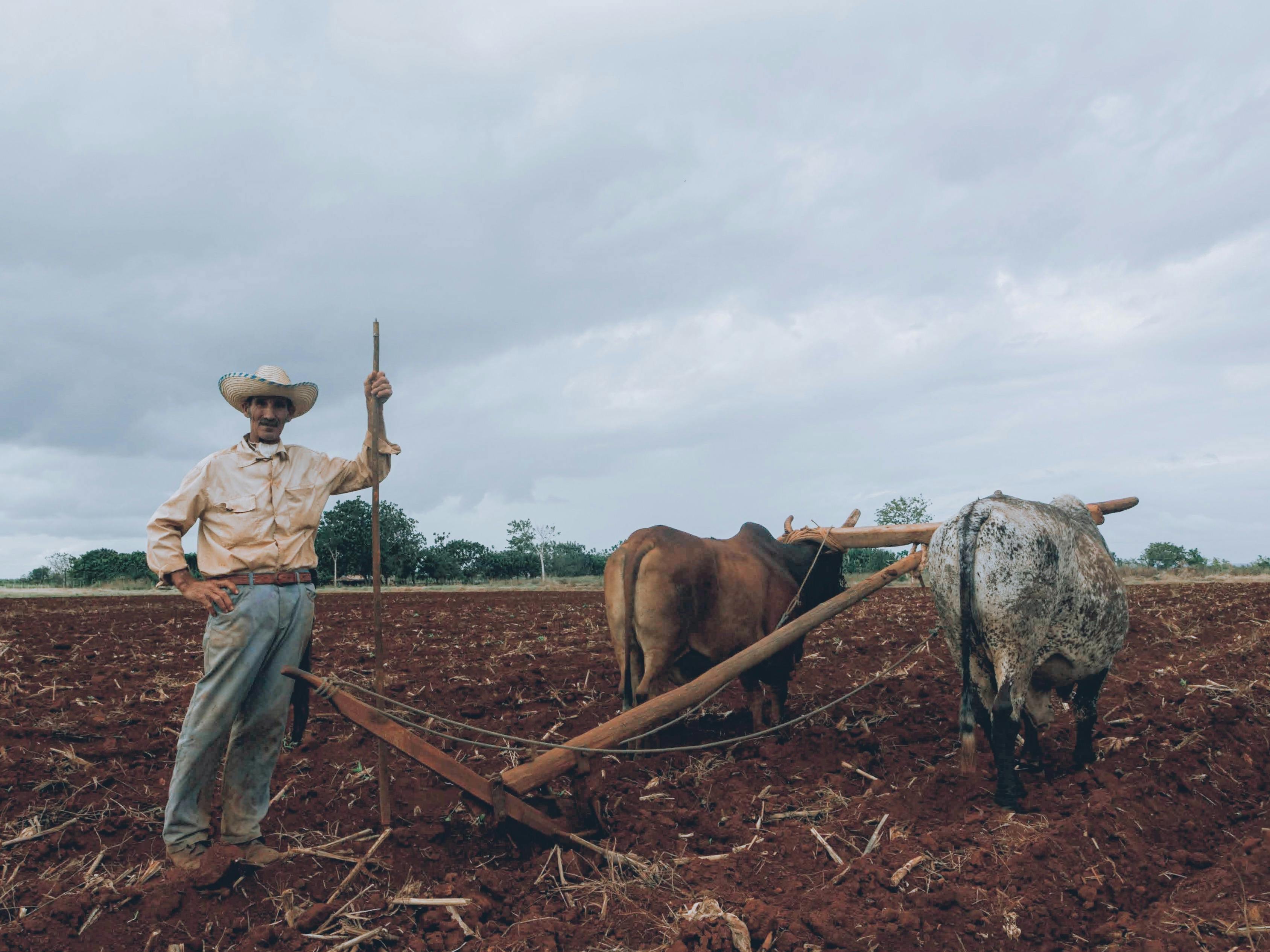
For decades, Kenyan agriculture has grappled with the consequences of conventional farming practices. Soil erosion rates in some parts of Kenya have been estimated at an alarming 72 tons per hectare per year, with others noting up to 200 tons/ha/yr due to surface-water runoff (Economics of Land Degradation and Improvement in Kenya). This severe degradation directly impacts soil fertility, leading to diminished crop yields and increased reliance on costly external inputs like synthetic fertilizers.
Maize, a staple food for over 80% of the Kenyan population, has seen stagnant productivity largely due to declining soil health, high input costs, and climate variability (Daystar University, A Meta-Analysis of Maize Productivity Trends). The drylands, in particular, suffer from acute water scarcity, making efficient moisture management critical. Organic farming, a close cousin to no-till, is also gaining traction, with Kenya recognized as a pioneer in East Africa for formal organic agriculture, thanks to institutions like the Kenya Institute of Organic Farming (KIOF) (Kenyatta University, Organic Economic Analysis).
Conservation agriculture, with no-till as its cornerstone, offers a holistic solution by enhancing soil organic matter, improving water infiltration, and reducing erosion, making farming systems more resilient to climate shocks. These practices are crucial for the continued growth and sustainability of agribusiness in Kenya.
Key Insights & Strategies for No-Till Success
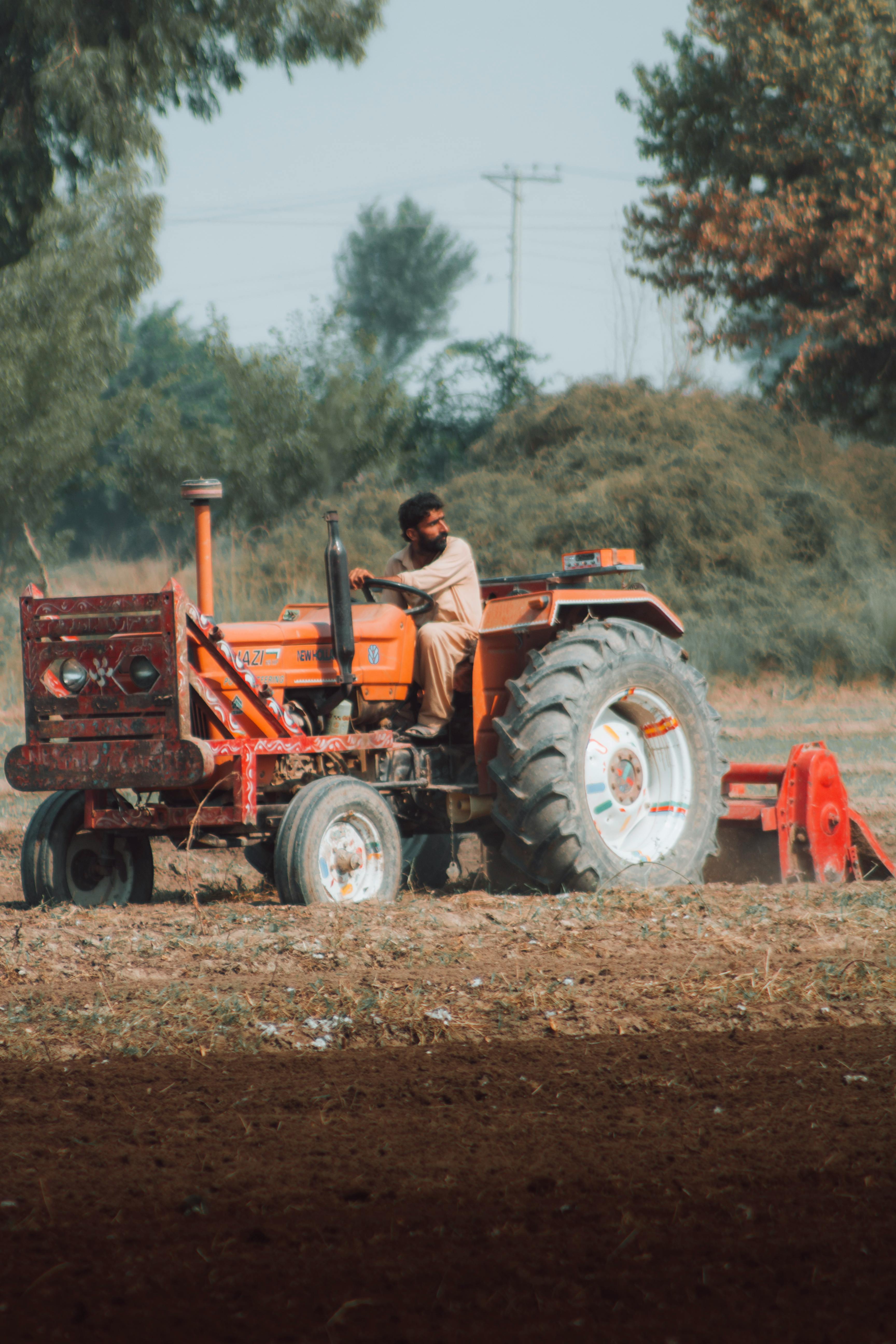
Implementing no-till farming successfully requires a clear understanding of its core principles and a strategic approach. These insights will guide Kenyan farmers towards a productive and sustainable transition.
1. Maximize Crop Residue Retention
Leaving crop residues on the soil surface is fundamental to no-till farming. This organic blanket acts as a natural mulch, protecting the soil from direct sun and heavy rains, significantly reducing evaporation and erosion. It also gradually decomposes, enriching the soil with organic matter and essential nutrients.
2. Implement Diverse Cover Cropping
Cover crops are living mulches that enhance soil health, suppress weeds, and provide additional organic matter when terminated. They can improve soil structure, cycle nutrients, and even break pest and disease cycles.
To accurately understand your soil's needs before embarking on a cover crop strategy, consider using a reliable tool. Boost your yields with the LaMotte N-P-K Soil Test Kit – available on Amazon, which provides essential data on nutrient levels.
3. Master Direct Seed Drilling
Direct drilling is the practice of planting seeds directly into undisturbed soil through the residue layer. This minimizes soil disturbance, preserves soil structure, and reduces labor and fuel costs.
For efficient water distribution, especially when establishing new crops, a good irrigation system is invaluable. Consider the CARPATHEN Drip Irrigation System Kit – available on Amazon, designed for complete garden watering, which can be adapted for small to medium-scale farms. For further guidance on innovative agricultural practices, Explore sustainable organic farming solutions with Biofarm Kenya.
Case Studies: Kenyan Farmers Thriving with No-Till
Across Kenya, farmers are increasingly demonstrating the tangible benefits of adopting conservation agriculture, particularly no-till methods. These success stories serve as powerful testaments to the potential of sustainable farming.
In western Kenya, projects by ICRAF (International Centre for Research in Agroforestry) and KARLO (Kenya Agricultural and Livestock Research Organization) have shown significant success with Conservation Agriculture (CA) technologies, leading to improved food productivity and strengthened rural livelihoods. Farmers participating in pilot projects in dryland counties like Embu and Makueni have embraced regenerative agriculture, a broader term encompassing no-till. They employ practices like leaving weeds to decompose on the farm, creating small basins for planting, and thus seeing healthy crops even in tough seasons, as highlighted by local agricultural ministers (No-Till Farmer, Kenya's Dryland Farmers Embrace Regenerative Farming).
One notable example comes from a farmer in Western Kenya who, after joining a carbon farming program, started practicing minimum tillage. This involved reducing soil disturbance and leaving crop residues on her fields. The result was not only reduced labor and fuel costs but also improved soil carbon storage, positioning her to earn carbon income, demonstrating both ecological and economic benefits (Boomitra, Why Kenyan farmers are tilling less and gaining more). These instances underscore how no-till farming directly translates to more resilient farms, better yields, and improved farmer income, contributing significantly to food security in the face of climate change.
Common Mistakes to Avoid in No-Till Farming
While no-till farming offers immense benefits, a successful transition requires careful planning and the avoidance of common pitfalls that can hinder progress and yield. Understanding these mistakes can help farmers navigate the challenges effectively.
Firstly, an insufficient amount of crop residue on the soil surface is a common error. Without adequate residue, the soil remains exposed to harsh sunlight and heavy rainfall, negating the primary benefits of no-till, such as moisture retention and erosion control. Farmers sometimes remove residue for animal fodder or burn it, inadvertently damaging the soil. The correction is to prioritize leaving at least 30-70% of the soil covered by residue, adjusting livestock grazing practices, or finding alternative fodder sources.
Secondly, inadequate weed management can overwhelm no-till systems. In the absence of mechanical tillage, weeds can become more challenging, especially during the transition phase. Relying solely on herbicides without integrating other strategies is unsustainable. A better approach involves a diversified weed management plan: utilizing cover crops to suppress weeds, timely planting, crop rotation, and targeted spot spraying when necessary. Understanding weed life cycles is crucial.
Thirdly, failing to address soil compaction, particularly in areas with heavy clay soils or prior conventional tillage, can impede root development and water infiltration. While no-till improves soil structure over time, initial compaction needs to be managed. This can be corrected by integrating deep-rooting cover crops (e.g., daikon radish) that naturally break up compacted layers or, in severe cases, by a one-off subsoiling before fully committing to no-till.
Finally, neglecting nutrient management can lead to nutrient deficiencies or imbalances. In no-till, nutrients are released more slowly from organic matter, and their distribution might differ from tilled systems. Regular soil testing is vital to monitor pH and nutrient levels. Corrective measures involve applying organic fertilizers, compost, or targeted nutrient supplements based on soil test results, ensuring nutrients are available to the plants when needed.
Expert Tips & Best Practices for Maximizing Yields
Transitioning to no-till farming is a journey that, with the right strategies, can lead to significantly higher yields and more resilient agricultural systems. Here are expert tips tailored for Kenyan farmers.
1. Gradual Transition and Experimentation: Don't convert your entire farm to no-till overnight. Start with a small section to understand how it performs under your specific soil and climate conditions. Experiment with different cover crop mixes and residue management techniques to find what works best. This allows for learning and adaptation without risking the entire harvest.
2. Prioritize Soil Health Monitoring: Regular soil testing is non-negotiable in no-till farming. It helps you understand the changes in your soil's organic matter, pH, and nutrient levels. This data is crucial for making informed decisions on cover crop selection and any necessary nutrient amendments. Maintain healthy soil with Jobe's Organics Granular All Purpose Fertilizer, an excellent choice for enriching your soil naturally.
3. Embrace Diversity through Crop Rotation: Implement complex crop rotations that include cash crops, legumes, and cereals. This diversity helps in breaking pest and disease cycles, enhancing nutrient cycling, and improving overall soil structure. A well-planned rotation can significantly reduce the need for synthetic inputs.
4. Invest in the Right Equipment: While no-till can reduce labor, specialized equipment is often necessary. No-till planters are designed to cut through residue and place seeds precisely in undisturbed soil. Investing in or adapting equipment suitable for your farm size and crop type will ensure efficient and effective planting. Local cooperatives or agricultural extension services can provide guidance on affordable options or shared machinery programs.
5. Seek Knowledge and Community: Connect with other farmers practicing no-till agriculture. Farmer field schools, workshops, and online forums offer invaluable opportunities to share experiences, learn from successes and failures, and stay updated on the latest techniques. Engaging with such networks fosters a sense of community and provides practical, locally relevant advice. For comprehensive resources and community support in organic farming, Explore sustainable organic farming solutions with Biofarm Kenya.
Future Trends: Innovating for a Resilient Agricultural Future
The agricultural sector in Kenya is on the cusp of significant transformation, with future trends focusing on leveraging technology and ecological principles to build more resilient and productive farming systems. No-till farming is a foundational practice that aligns perfectly with these emerging innovations.
Smart Irrigation Systems: With increasing water scarcity, intelligent irrigation technologies are becoming indispensable. Sensor-based systems that monitor soil moisture levels and weather forecasts can deliver water precisely when and where it's needed, minimizing waste and optimizing crop growth. Drip irrigation, already gaining popularity, will become even more sophisticated, integrating with AI to predict plant water demand.
Vertical Farming and Controlled Environment Agriculture (CEA): While not directly related to field-scale no-till, vertical farming offers a solution for urban food security and high-value crop production with minimal land use and maximum water efficiency. CEA, including greenhouses, provides controlled conditions that can dramatically boost yields and extend growing seasons, complementing traditional farming by providing diversified produce.
AI and Data-Driven Crop Monitoring: Artificial intelligence and machine learning are revolutionizing crop management. Drones equipped with multispectral cameras can monitor crop health, identify pest infestations, and assess nutrient deficiencies across vast fields with unprecedented accuracy. This data-driven approach allows farmers to make timely and precise interventions, reducing input waste and maximizing yields. Predictive analytics can also help farmers anticipate market demand and climate shifts, enabling better planning.
Agroforestry Integration: The intentional integration of trees and shrubs into crop and livestock farming systems is a powerful trend for enhancing biodiversity, improving soil health, and providing additional income streams (e.g., fruits, timber, fodder). Agroforestry practices complement no-till by further protecting soil, improving microclimates, and sequestering carbon.
These trends, combined with the proven benefits of no-till farming, paint a picture of a future Kenyan agriculture that is highly efficient, environmentally friendly, and capable of sustainably feeding a growing population.
Conclusion: Cultivating a Sustainable Future, One Undisturbed Field at a Time
The imperative for sustainable agriculture in Kenya has never been more pressing. No-till farming presents a powerful, evidence-backed solution to the challenges of soil degradation, water scarcity, and food insecurity that plague many Kenyan farmlands. By embracing this conservation agriculture practice, farmers can not only halt the decline of their most precious resource—the soil—but also actively regenerate it, transforming barren land into fertile ground for future generations.
The benefits are clear: increased maize yields of up to 30%, a significant 40% reduction in water use, enhanced soil organic matter, and a more resilient ecosystem capable of withstanding climate shocks. The shift from traditional plowing to minimal soil disturbance, coupled with strategic residue management and diverse cover cropping, empowers farmers to cultivate smarter, more profitably, and in greater harmony with nature. As more Kenyan farmers adopt these practices, the collective impact will be a stronger, more food-secure nation, paving the way for a truly green revolution.
Discover trusted organic farming tools on Amazon and learn more about sustainable solutions with Biofarm Kenya.
FAQs About No-Till Farming in Kenya
1. What is no-till farming and why is it important for Kenya?
No-till farming is a method of growing crops without disturbing the soil through tillage. It involves leaving crop residues on the surface and planting seeds directly into the undisturbed soil. It's crucial for Kenya as it combats severe soil erosion, improves water retention in rain-fed areas, enhances soil fertility, and boosts crop yields, making farming more resilient to climate change. (Source: Kenyatta University)
2. How does no-till farming improve maize yields in Kenya?
No-till farming improves maize yields by enhancing soil structure, increasing organic matter, and improving water infiltration and retention. These factors create a healthier environment for root development, better nutrient availability, and reduced stress on plants, leading to higher productivity. Studies, like the 2026 Jomo Kenyatta University research cited in this article, have shown yield increases of up to 30% for maize. (Source: Biofarm Kenya)
3. What equipment is needed for no-till farming in Kenya?
For no-till farming, specialized planters or seed drills capable of cutting through crop residue and placing seeds precisely into firm soil are essential. Smallholder farmers might adapt existing planters or utilize manual jab planters. For larger operations, no-till planters equipped with disc openers and residue managers are ideal. (Source: FAO Conservation Agriculture Training)
4. How does no-till farming help with water conservation in Kenya's drylands?
No-till farming significantly aids water conservation by leaving crop residues on the soil surface, which acts as a natural mulch. This mulch reduces direct evaporation of moisture from the soil and improves water infiltration by preventing surface crusting and runoff. This practice has been shown to reduce water use by up to 40% in no-till maize farms. (Source: Biofarm Kenya)
5. What role do cover crops play in no-till systems?
Cover crops are integral to successful no-till systems. They protect the soil from erosion, suppress weeds, add organic matter, fix nitrogen (if legumes), and improve soil structure. When terminated, they form an additional layer of mulch, enhancing the benefits of residue retention. (Source: Biofarm Kenya Partners)
6. Are there challenges to adopting no-till farming in Kenya, and how can they be overcome?
Challenges include the initial investment in appropriate equipment, managing weeds without tillage, and overcoming traditional mindsets. These can be overcome through farmer training and demonstration plots, government subsidies or credit facilities for equipment, diversified weed management strategies (including cover crops and crop rotation), and strong farmer networks for knowledge sharing. (Source: No-Till Farmer)


0 Comments