

Estimated Reading Time: 15 minutes
TL;DR: Kenyan farmers are increasingly turning to sustainable biological pest control methods to combat rising pesticide resistance and environmental harm. These natural strategies, including beneficial insects, microbial pesticides, and plant-based repellents, offer significant cost savings and promote healthier ecosystems. Implementing region-specific solutions, coupled with proper timing and integrated pest management, is crucial for success. This shift not only ensures long-term agricultural viability but also enhances food security and meets stringent export market standards. Biofarm Kenya provides essential resources and partnerships to support this vital transition.
Key Takeaways:
- Embrace Biological Solutions: Utilize natural predators, microbial pesticides, and botanical extracts to manage pests effectively without harmful chemicals.
- Prioritize Soil Health: Recognize that healthy soil is the foundation of a resilient farm ecosystem, reducing susceptibility to pests and diseases.
- Strategic Implementation: Adopt integrated pest management (IPM) plans that involve accurate pest identification, targeted application, and habitat creation for beneficial organisms.
- Leverage Local Knowledge: Consult with agricultural extension officers and organizations like KALRO for region-specific advice and technologies tailored to Kenyan conditions.
- Invest in Sustainable Tools: Explore tools like neem oil, pheromone traps, and soil testing kits to optimize biological pest control efforts and farm health.
Table of Contents
Introduction: A Green Revolution in Kenyan Agriculture
Kenya, a nation deeply rooted in agriculture, faces a pivotal moment. The conventional farming practices that once promised abundant harvests are now confronting significant challenges. Rising pesticide resistance and environmental concerns are driving Kenyan farmers to adopt biological pest control. This critical shift is not merely a trend but a necessity for the long-term sustainability and profitability of the agricultural sector. As chemical inputs become less effective and increasingly costly, the urgency to find eco-friendly alternatives grows.
This training focuses on implementing natural predators, microbial pesticides, and plant-based repellents. It is a comprehensive approach designed to empower farmers with the knowledge and tools to manage pests effectively while safeguarding the environment and ensuring the health of their communities. By embracing nature's own mechanisms for pest control, Kenyan agriculture can achieve a more balanced and resilient future.
Background & Context: The Imperative for Change

For decades, chemical pesticides were the go-to solution for crop protection, offering seemingly quick and effective ways to eliminate agricultural pests. However, their overuse has led to a range of severe consequences. Pests have developed strong resistance, rendering many chemicals ineffective, thereby forcing farmers to apply higher doses or switch to more potent, and often more dangerous, alternatives. This chemical treadmill is not only expensive but also poses grave threats to biodiversity, soil health, water quality, and human health.
In Kenya, the growth of agribusiness is undeniable, yet this expansion has highlighted the vulnerability of conventional systems. Organic farming, though still a niche, is gaining traction as farmers recognize the intrinsic value of healthy soil and sustainable practices. Data from the Ministry of Agriculture indicates a growing interest in ecological farming methods, with smallholder farmers at the forefront of this transition. The economic benefits are clear: a 2025 KALRO study found farms using these methods reduced chemical costs by 40% while maintaining yields. This demonstrates a compelling financial incentive alongside the environmental imperative.
The global demand for organically produced food is also influencing local agricultural practices, pushing Kenyan farmers to align with international standards that prioritize minimal chemical intervention. This commitment to sustainability ensures better market access and higher returns for environmentally conscious producers.
Key Insights & Strategies for Bio-Pest Control
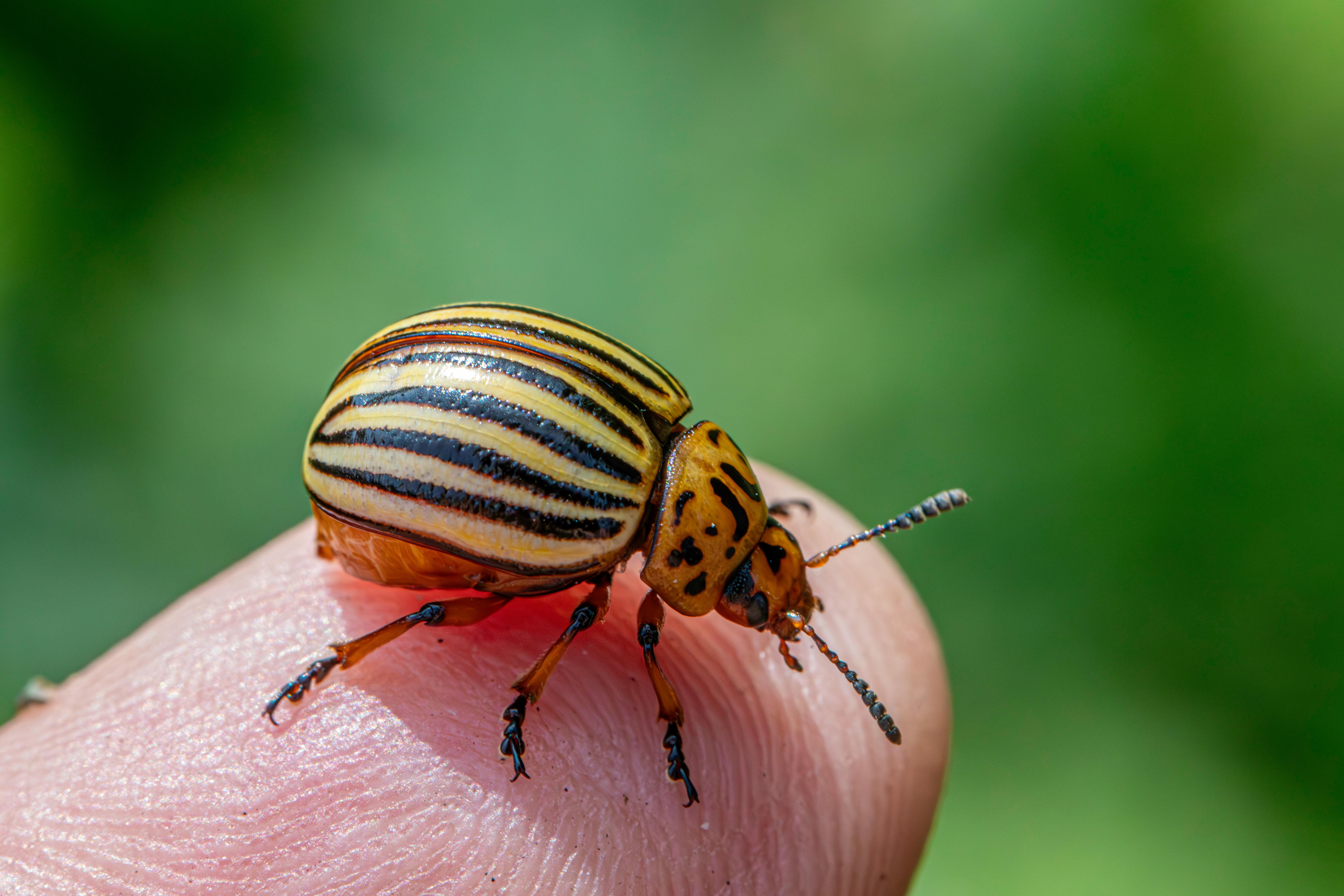
Adopting biological pest control requires a strategic shift in mindset, moving from eradication to ecological balance. The core principle is to work with nature, not against it, to create a farm ecosystem where pests are naturally kept in check.
1. Harnessing Beneficial Insects: Nature's Own Pest Controllers
Introducing or conserving natural predators and parasitoids is a cornerstone of biological pest control. These beneficial insects prey on or parasitize common crop pests, significantly reducing their populations. Key steps include:
- Identify Region-Specific Beneficial Insects: For instance, ladybugs are excellent predators for aphid control, while parasitic wasps can target whiteflies and mealybugs. Understanding local insect populations is vital.
- Create Habitat Corridors: Plant flowering native plants, cover crops, and hedgerows around your farm. These provide food, shelter, and breeding sites for beneficial insects, encouraging them to stay and thrive.
- Minimize Disruptive Practices: Avoid broad-spectrum pesticides that kill beneficial insects alongside pests. Opt for targeted biological solutions instead.
For farmers looking to understand their soil and plant health better, which is crucial for a thriving beneficial insect ecosystem, consider the 4-in-1 Soil Moisture Meter – available on Amazon . Accurate soil readings are the first step to a balanced farm.
2. Deploying Microbial Pesticides: Tiny Warriors for Big Problems
Microbial pesticides utilize naturally occurring microorganisms like bacteria, fungi, or viruses to control pests. These are highly specific, targeting only the intended pests, thus posing minimal risk to non-target organisms and the environment. Key steps include:
- Select Appropriate Microbes: Bacillus thuringiensis (Bt) is a widely used bacterium effective against various lepidopteran pests (caterpillars). Fungal biopesticides like Beauveria bassiana target a range of insects, including aphids, whiteflies, and grasshoppers.
- Understand Application Timing: Microbial pesticides are often most effective when applied at specific pest life stages (e.g., young larvae) and under suitable environmental conditions (e.g., high humidity for fungal pathogens).
- Ensure Proper Storage and Handling: These are living organisms; their efficacy depends on correct storage and careful application according to manufacturer guidelines.
3. Utilizing Plant-Based Repellents and Bio-Insecticides
Plants offer a wealth of compounds that can deter pests or act as natural insecticides. These botanical solutions are often biodegradable and less persistent in the environment compared to synthetic chemicals. Key steps include:
- Employ Neem Oil: Neem oil, extracted from the neem tree, acts as an anti-feedant, repellent, and growth disruptor for many pests. It's effective against aphids, mites, whiteflies, and leaf miners.
- Companion Planting: Strategically plant crops that naturally repel pests. Marigolds can deter nematodes, while basil can repel flies and mosquitoes.
- Garlic and Chili Sprays: Homemade concoctions from garlic, chili peppers, and other pungent plants can serve as effective broad-spectrum repellents.
For farmers seeking a natural and effective solution for common garden pests, consider the The Grow Co Organic Neem Oil - Pure Concentrate, Cold Pressed – available on Amazon . It is an excellent tool for eco-friendly pest management.
To further your knowledge and explore a wider range of sustainable organic farming practices that complement bio-pesticide use, we encourage you to Explore sustainable organic farming solutions with Biofarm Kenya .
Case Studies: Kenyan Farmers Leading the Way
Across Kenya, success stories demonstrate the viability and benefits of biological pest control. One notable example is the widespread adoption of the parasitoid wasp Acerophagus papayae to combat the devastating papaya mealybug. This pest, which can cause crop losses of 53-100%, threatened the livelihoods of countless smallholder papaya farmers. Following extensive research by CABI and KALRO, this biological control agent was approved for nationwide release in Kenya in January 2025. Farmers in counties like Machakos, Embu, and Tharaka Nithi have seen significant control of the mealybug, reducing their reliance on costly and environmentally damaging chemical sprays. This initiative exemplifies the power of scientific collaboration and farmer adoption in achieving sustainable pest management. (Source: Global-Agriculture.com)
Another inspiring case involves farmers in Western Kenya who have successfully used organic control methods, including strategic application of bio-pesticides, against the notorious fall armyworm. This migratory pest has historically caused immense damage to maize crops, a staple in Kenya. Farmers reported that these natural methods proved more effective than conventional chemical sprays, demonstrating resilience against pervasive threats to food security. The Kenya Agricultural and Livestock Research Organization (KALRO) is at the forefront of developing such technologies, with a 5-year program (2025-2029) focused on eco-friendly pest control methods, including biological controls and resistant crop varieties. This commitment underscores Kenya's dedication to a future where agriculture thrives in harmony with nature. (Source: Kenya News Agency)
Common Mistakes to Avoid in Sustainable Pest Management
While the transition to biological pest control offers immense benefits, avoiding common pitfalls is crucial for success:
- Over-reliance on a Single Method: Just as with chemical pesticides, relying solely on one biological agent can lead to resistance or ineffective control. An Integrated Pest Management (IPM) approach that combines multiple strategies is always more robust.
- Poor Pest Identification: Misidentifying a pest can lead to applying the wrong biological control, wasting resources and allowing the actual pest population to proliferate unchecked. Accurate identification is the first step in effective pest management.
- Incorrect Application Timing: Biological pesticides and beneficial insects often have specific windows of efficacy related to pest life cycles or environmental conditions. Applying them at the wrong time can significantly reduce their impact. For instance, many microbial agents require specific humidity levels to thrive.
- Lack of Patience: Unlike fast-acting chemical sprays, biological controls often take time to establish and show significant results. Farmers must exercise patience and allow these natural systems to develop and take effect, which can sometimes be several weeks or even months.
- Ignoring Habitat: Neglecting to create and maintain suitable habitats for beneficial insects (e.g., flowering plants, water sources) will limit their presence and effectiveness on your farm.
- Inconsistent Monitoring: Regular scouting of crops for pest presence and population levels is vital. Without consistent monitoring, it's impossible to determine the success of your biological control efforts or to intervene promptly if pest pressure increases.
Expert Tips & Best Practices for Maximizing Efficacy
To truly excel in sustainable pest control, Kenyan farmers can implement these expert tips and best practices:
- Embrace Integrated Pest Management (IPM): Develop a holistic strategy that combines cultural practices (crop rotation, proper sanitation), physical barriers (netting), biological controls, and judicious use of organic-approved pesticides only when necessary. This multi-pronged approach builds resilience.
- Regular Scouting and Monitoring: Dedicate time daily or weekly to inspect your crops thoroughly. Early detection of pest issues allows for timely and less intensive intervention. Look for pest signs, damage, and the presence of beneficial insects.
- Enhance Biodiversity: Plant diverse crops and incorporate non-crop vegetation. Polyculture fields are more resilient to pest outbreaks than monocultures because they offer varied habitats and food sources for natural enemies.
- Soil Health is Paramount: Healthy soil leads to healthy, robust plants that are naturally more resistant to pests and diseases. Focus on improving soil organic matter through composting, cover cropping, and minimal tillage.
- Utilize Pheromone Traps for Monitoring: These traps help monitor pest populations, especially flying insects like fruit flies. They can signal when pest numbers are rising, indicating a need for intervention, and sometimes even help in mass trapping. For effective monitoring of flying pests, consider the Super Ninja Fruit Fly Traps for Indoors – available on Amazon , a crucial tool for early detection.
- Consult Local Experts: Engage with agricultural extension officers from KALRO or other local agricultural bodies. They can provide region-specific advice, identify local pests, and recommend suitable biological agents.
- Water Management: Proper irrigation can influence pest populations. Overwatering can promote fungal diseases, while underwatering can stress plants, making them more susceptible to pests.
- Consider Companion Plants: Beyond just repellents, some plants can attract beneficial insects. For instance, dill and cilantro flowers attract lacewings and parasitic wasps. To support these vital allies, you might consider creating dedicated spaces. A Wooden Insect House, Insect Hotel for Bugs, Bees, Butterflys, Ladybirds can provide essential shelter and breeding grounds.
- Keep Records: Document pest observations, control measures applied, and their effectiveness. This data will help you refine your strategies over time and build a comprehensive understanding of your farm's ecosystem.
For a deeper dive into these strategies and to connect with resources that support your sustainable farming journey, we recommend you Explore sustainable organic farming solutions with Biofarm Kenya .
Future Trends: Innovating for a Resilient Tomorrow
The landscape of sustainable pest control in Kenya is continuously evolving, driven by innovation and a growing commitment to environmental stewardship. Several exciting trends are poised to shape the future of biological pest management:
- Smart Irrigation Systems: Precision irrigation techniques, potentially leveraging IoT (Internet of Things) devices and AI, will optimize water usage and deliver nutrients efficiently, leading to healthier plants less susceptible to pests. This technology can also help in creating specific microclimates conducive to beneficial organisms.
- AI-Driven Crop Monitoring: Drones and satellite imagery combined with artificial intelligence will enable early and accurate detection of pest outbreaks over large agricultural areas. This predictive capability allows farmers to deploy biological controls precisely when and where they are most needed, maximizing their impact and minimizing resource waste.
- Biopesticides with Enhanced Efficacy: Research into new strains of beneficial microbes and botanical extracts is ongoing, promising biopesticides with even greater specificity, potency, and shelf life. Advances in formulation technology will also make these products easier to apply and more resilient in varied environmental conditions.
- Vertical Farming and Controlled Environments: While primarily focused on urban food production, vertical farms offer highly controlled environments where pest management can be almost entirely biological, minimizing external threats and enabling precise deployment of natural enemies.
- Genetic Solutions: Advances in genetic research may lead to the development of crop varieties with enhanced natural resistance to specific pests, reducing the need for external interventions. However, these solutions are often accompanied by ethical considerations and require careful scientific scrutiny and public acceptance.
- Farmer-Led Innovation Hubs: Community-based innovation hubs and farmer field schools will play an increasingly vital role in disseminating knowledge, testing new biological control methods locally, and fostering peer-to-peer learning among Kenyan farmers.
These trends highlight a future where technology and ecological principles converge, offering powerful tools for Kenyan farmers to build truly resilient, productive, and sustainable agricultural systems.
Conclusion: Cultivating a Greener Future with Biofarm Kenya
The journey towards sustainable farming pest control in Kenya is not just about adopting new methods; it's about embracing a philosophy that respects the intricate balance of nature. By focusing on natural predators, microbial pesticides, and plant-based repellents, Kenyan farmers are actively countering pesticide resistance, mitigating environmental damage, and securing their yields for generations to come. The evidence is clear: these practices are economically viable, environmentally responsible, and crucial for meeting global standards for agricultural exports.
The shift to biological pest control is a testament to the innovation and adaptability of Kenya's agricultural community. It represents an investment in healthier soils, cleaner water, and safer food. By empowering farmers with knowledge, providing access to effective biological tools, and fostering a community of sustainable practice, Biofarm Kenya is at the forefront of this vital agricultural transformation. Discover trusted organic farming tools on Amazon and learn more about sustainable solutions with Biofarm Kenya . Together, we can cultivate a greener, more prosperous future for Kenyan agriculture.
FAQs
- Q1: What is biological pest control and how does it benefit Kenyan farmers?
- Biological pest control involves using natural enemies (like beneficial insects, fungi, or bacteria) to manage pest populations. It benefits Kenyan farmers by reducing reliance on costly chemical pesticides, preventing pesticide resistance, protecting biodiversity, improving soil health, and meeting the growing demand for organic produce. It offers a sustainable path to maintaining yields while safeguarding the environment and human health. (Source: FAO)
- Q2: How effective are biological controls against common Kenyan pests like the fall armyworm?
- Biological controls, particularly targeted microbial pesticides and natural predators, have shown increasing effectiveness against persistent pests like the fall armyworm in Kenya. Farmers in regions like Western Kenya have reported better results with organic methods compared to conventional chemical sprays. Organizations like KALRO are actively researching and deploying new biological solutions specifically tailored for such challenging pests. (Source: CABI)
- Q3: What role do beneficial insects play in sustainable farming, and how can farmers attract them?
- Beneficial insects, such as ladybugs, lacewings, and parasitic wasps, are natural predators or parasitoids of common crop pests. They help maintain ecological balance and reduce pest outbreaks. Farmers can attract them by planting diverse flowering plants, creating habitat corridors (hedgerows), providing water sources, and avoiding broad-spectrum pesticides that harm these helpful insects. (Source: Biofarm Kenya)
- Q4: Are there any specific biological control agents approved for use in Kenya?
- Yes, Kenya has approved specific biological control agents. A prominent example is the parasitoid wasp Acerophagus papayae, approved by the Kenya Standing Technical Committee on Imports and Exports (KSTCIE) for nationwide release to combat the papaya mealybug. This demonstrates a clear regulatory pathway for effective and safe biological solutions. (Source: The Standard Media)
- Q5: What are the economic benefits of switching to biological pest control for Kenyan farmers?
- The economic benefits are substantial. Farmers can expect reduced input costs by lowering or eliminating the purchase of expensive chemical pesticides. A 2025 KALRO study highlighted that farms using biological methods reduced chemical costs by 40% while maintaining yields. Furthermore, sustainable practices can lead to healthier soil, increased crop quality, and access to premium organic markets. (Source: Biofarm Kenya Blog)
- Q6: Where can Kenyan farmers find reliable information and support for implementing biological pest control?
- Kenyan farmers can find reliable information and support from several sources. The Kenya Agricultural and Livestock Research Organization (KALRO) is a key resource for research and extension services. Other valuable sources include the Kenya Plant Health Inspectorate Service (KEPHIS), CABI (Centre for Agriculture and Bioscience International), local agricultural extension officers, and organizations like Biofarm Kenya, which provides training, resources, and partnerships for sustainable organic farming solutions. (Source: KALRO)
External Authoritative Links:
- Food and Agriculture Organization of the United Nations (FAO) - Biological Control
- Global-Agriculture.com - Papaya Mealybug Control
- CABI.org - Papaya Mealybug Control in Kenya
- Kenya News Agency - KALRO Pest Management
- The Standard Media - Kenya Promotes Biological Control
- Kenya Agricultural and Livestock Research Organization (KALRO)
Internal Biofarm Kenya Links:


0 Comments