

Estimated Reading Time: 10 minutes
TL;DR: Kenyan farmers can significantly boost farm income and combat climate risks by adopting sustainable maize-legume intercropping. This guide outlines evidence-based practices for optimal spacing, integrated pest management, and soil fertility enhancement. By challenging monoculture myths and leveraging the power of biodiversity, farmers can achieve higher yields, reduce input costs, and build greater climate resilience. Practical tips, case studies, and expert advice are provided to help farmers implement successful intercropping strategies, ensuring long-term profitability and environmental stewardship.
Key Takeaways:
Table of Contents
Introduction
In Kenya, the rhythm of agriculture is both the heartbeat of its economy and the livelihood of millions. Yet, this vital sector faces mounting pressure from unpredictable climate change, characterized by erratic rainfall patterns and prolonged dry spells. Kenyan farmers are increasingly seeking ways to combat climate risks and boost yields. This urgent need has led to a renewed focus on sustainable farming practices, particularly intercropping, an ancient yet highly effective method. This guide dives deep into evidence-based intercropping of maize with legumes, such as beans and cowpeas, showcasing how this symbiotic relationship can significantly enhance soil fertility, reduce pest pressure, and ultimately increase farm income. By challenging the long-held beliefs of monoculture and providing practical steps, Biofarm Kenya aims to equip farmers with the knowledge to thrive amidst rising input costs and climatic uncertainties.
Intercropping stands out as a powerful solution, offering a multi-faceted approach to agricultural resilience. It’s not just about planting two crops together; it’s about strategically designing a farming system that works in harmony with nature. From optimizing spacing for maize-legume co-planting, informed by cutting-edge research, to implementing integrated pest management for mixed crops, and mastering harvesting techniques to maximize both yields, this guide covers it all. Prepare to transform your farm into a more productive, resilient, and profitable enterprise.
Background & Context
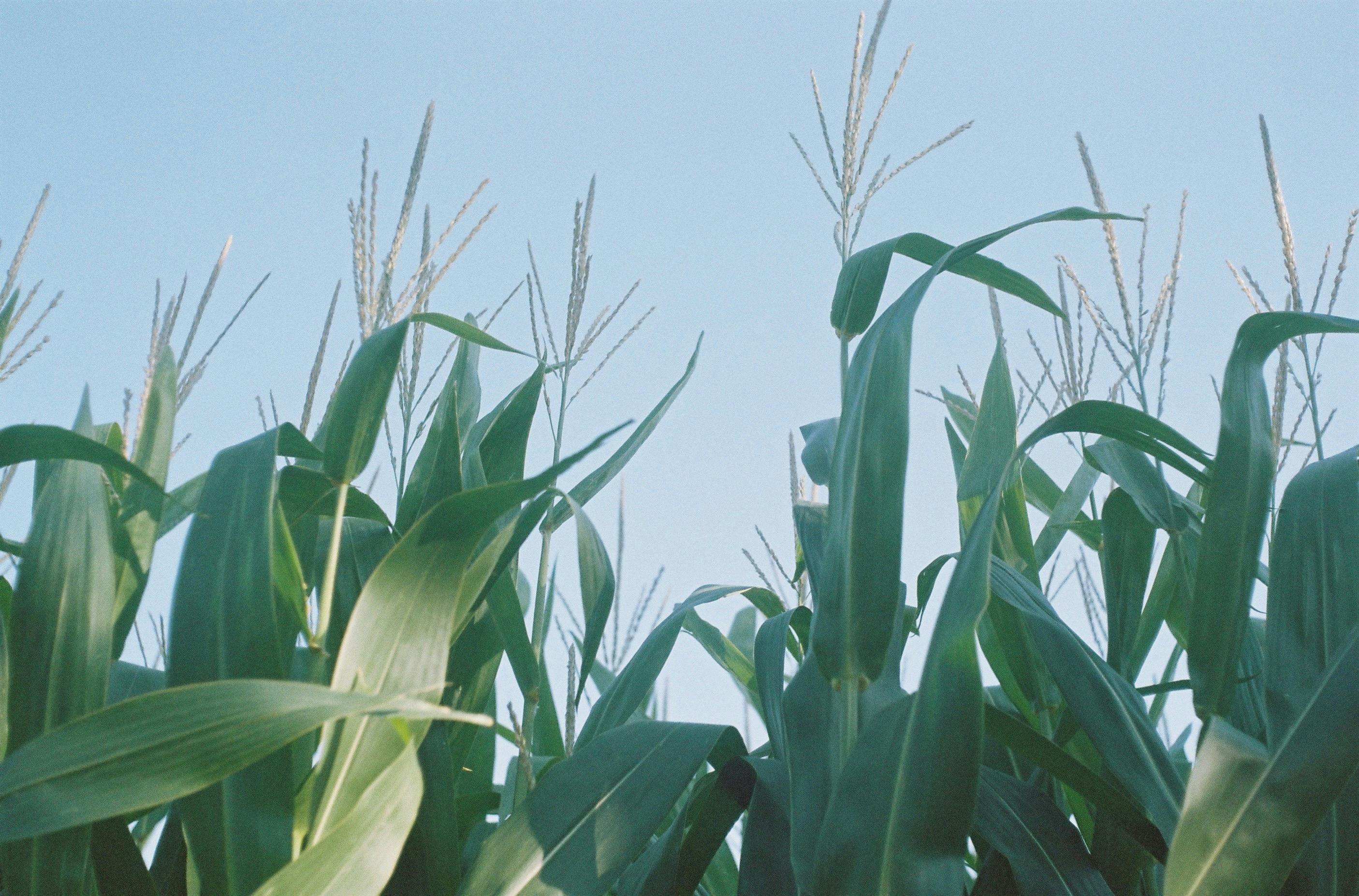
The agricultural landscape in Kenya is undergoing a significant transformation. With a growing population and increasing food demand, sustainable practices are no longer optional but essential. Organic farming, though still a niche, is gaining traction, driven by consumer preference for healthier produce and the desire to restore soil health. Data from the Kenya National Bureau of Statistics (KNBS) indicates a steady increase in awareness and adoption of sustainable methods, even as the majority of smallholder farmers still contend with conventional challenges.
Soil fertility decline is a critical issue across many parts of Kenya, exacerbated by continuous cultivation without adequate nutrient replenishment. This leads to reduced yields and increased reliance on costly synthetic fertilizers. Intercropping, particularly with nitrogen-fixing legumes, presents a natural and cost-effective pathway to rejuvenate soils, improve nutrient cycling, and foster a healthier microbial ecosystem. The Kenya Agricultural and Livestock Research Organization (KALRO) has been at the forefront of researching and promoting such practices, with ongoing trials demonstrating the tangible benefits of maize-legume intercropping.
Key Insights or Strategies
Optimal Spacing for Maize-Legume Co-planting
The success of intercropping hinges on intelligent spacing. Research, including insights from KALRO’s 2025 trials, suggests that optimal row arrangements and plant densities are crucial to minimize competition and maximize resource utilization. A common and effective strategy involves planting legumes between maize rows, allowing both crops sufficient access to sunlight, water, and nutrients.
Integrated Pest Management for Mixed Crops
Intercropping naturally enhances biodiversity, which in turn supports integrated pest management (IPM). The diversity of plants can confuse pests, attract beneficial insects (predators and parasitoids), and create physical barriers. This significantly reduces the need for synthetic pesticides.
Enhancing Soil Fertility through Nitrogen Fixation
Legumes are nature's fertilizers. Their ability to fix atmospheric nitrogen into the soil through root nodules is a game-changer for sustainable agriculture. This biological nitrogen fixation reduces the reliance on costly synthetic nitrogen fertilizers, improving soil health and structure.
Water Efficiency and Climate Resilience
A diverse cropping system is inherently more resilient to climate shocks. Intercropping can improve water use efficiency, especially in regions with erratic rainfall. Different root systems access water at varying depths, and the canopy cover can reduce evaporation from the soil surface.
For more in-depth strategies and personalized guidance on sustainable farming, Explore sustainable organic farming solutions with Biofarm Kenya.
Case Studies, Examples, or Comparisons
Across Kenya, numerous smallholder farmers are successfully demonstrating the power of maize-legume intercropping. In Western Kenya, for instance, a study published in the Semantic Scholar (2004) highlighted how intercropping maize with cowpeas and beans significantly improved soil and water management, leading to reduced runoff and soil loss compared to sole maize cultivation. This not only protected valuable topsoil but also enhanced overall farm productivity.
A notable example is the 'MBILI' system, developed and promoted in parts of Central Kenya, which involves staggered planting of maize and legumes. This system has shown remarkable results, with some farmers reporting up to a 40% increase in net benefits due to higher yields and reduced input costs, particularly in areas with depleted soils. Farmers who adopted the MBILI system found that the improved soil structure and fertility translated into more robust crops, even during periods of moderate drought. These localized successes underscore the adaptability and profitability of intercropping when tailored to specific agro-ecological zones.
The Ministry of Agriculture, Livestock, Fisheries and Cooperatives in Kenya actively encourages such diversified farming systems as part of its strategy to enhance food security and promote climate-smart agriculture. Their field demonstrations often showcase farmers achieving double harvests from the same piece of land, effectively diversifying their income streams and mitigating risks associated with single-crop failures. These real-world applications serve as powerful testaments to the efficacy of intercropping beyond theoretical benefits.
Common Mistakes to Avoid
While intercropping offers immense benefits, certain pitfalls can hinder its success. Avoiding these common mistakes is crucial for maximizing your farm's potential.
Expert Tips or Best Practices
To truly unlock the potential of sustainable intercropping, adopt these expert tips and best practices tailored for the Kenyan farming context.
To further enhance your farming knowledge and access advanced sustainable solutions, Explore sustainable organic farming solutions with Biofarm Kenya.
Future Trends or Predictions
The future of Kenyan agriculture is poised for exciting innovations, with sustainable practices at its core. Beyond traditional intercropping, emerging technologies and approaches will further empower farmers to increase efficiency and resilience.
Conclusion
Sustainable intercropping, particularly the evidence-based combination of maize and legumes, offers a robust and transformative path for Kenyan farmers to navigate the challenges of climate change and enhance their livelihoods. By fostering soil fertility, naturally managing pests, and building climate resilience, intercropping not only boosts yields and income but also ensures the long-term health of our agricultural lands. Embracing these practices moves us closer to a future where food security is assured, and farming is both profitable and environmentally responsible. The journey towards sustainable agriculture is continuous, requiring dedication, knowledge, and the right tools. Discover trusted organic farming tools on Amazon and learn more about sustainable solutions with Biofarm Kenya, your partner in cultivating a greener, more prosperous future.
FAQs
Q1: What are the primary benefits of maize-legume intercropping for Kenyan farmers?
A1: Maize-legume intercropping offers numerous benefits, including enhanced soil fertility through biological nitrogen fixation by legumes, reduced pest and disease incidence due to increased biodiversity, improved weed suppression, greater climate resilience (especially against drought), and diversified income streams from two crops. This comprehensive approach leads to higher overall farm productivity and reduced reliance on external inputs. For more details on crop diversification benefits, refer to the FAO's resources on crop diversification.
Q2: How does intercropping help combat soil degradation in Kenya?
A2: Intercropping, especially with legumes, plays a crucial role in combating soil degradation by naturally enriching the soil. Legumes fix atmospheric nitrogen, replenishing soil nutrients. Their diverse root systems improve soil structure, aeration, and water infiltration, while the continuous ground cover reduces soil erosion from wind and rain. Furthermore, the increased organic matter from crop residues enhances microbial activity, fostering healthier and more fertile soils. The Biofarm Kenya blog on soil health provides further insights.
Q3: What are the optimal spacing recommendations for maize-legume intercropping?
A3: Optimal spacing varies based on the specific maize and legume varieties and local agro-ecological conditions. Generally, planting one or two rows of legumes between maize rows (e.g., 2:1 or 1:1 maize:legume ratio) is effective. For maize, a spacing of 75-90 cm between rows and 25-30 cm within rows is common, with legumes planted in the inter-row spaces. Consulting local agricultural extension services, such as KALRO, for region-specific recommendations is highly advised. KALRO often publishes research and guidelines for different farming systems in Kenya.
Q4: Can intercropping effectively reduce pest and disease problems?
A4: Yes, intercropping is a cornerstone of integrated pest management (IPM). The diversity of crops creates a more complex ecosystem that can deter pests, confuse them, or attract their natural enemies (beneficial insects). For example, some legumes release compounds that repel certain maize pests, while the mixed canopy can make it harder for pests to locate their host plants. This biological control reduces the need for chemical pesticides, leading to healthier crops and a safer environment. More on pest control strategies can be found at NEMA Kenya's resources on pesticides.
Q5: What are the biggest challenges smallholder farmers face when adopting intercropping?
A5: Smallholder farmers may encounter challenges such as initial knowledge gaps regarding optimal crop combinations and spacing, potential competition between crops if not managed well, labor intensity during planting and harvesting, and access to appropriate seeds. Overcoming these requires access to extension services, farmer-to-farmer learning, and supportive agricultural policies. However, the long-term benefits in terms of improved yields and soil health generally outweigh these initial hurdles. Biofarm Kenya offers training programs to address these challenges.
Q6: How can farmers ensure maximum income from both maize and legumes in an intercropping system?
A6: To maximize income, farmers should focus on several strategies: selecting high-yielding, market-demanded varieties for both maize and legumes; optimizing spacing and nutrient management to support both crops; implementing effective integrated pest and disease management to minimize losses; and timing harvests strategically to avoid damaging either crop. Additionally, access to market information and value addition for legume crops (e.g., selling dried beans) can further boost profitability. For market insights and farm planning, visit the Ministry of Agriculture's market information portal.
External Authoritative Links:
Internal Biofarm Kenya Links:


0 Comments