

Estimated Reading Time: 9 minutes
TL;DR:
Key Takeaways:
Table of Contents
Introduction
The quest for sustainable agriculture in Kenya has never been more urgent. As climate patterns become unpredictable and the cost of conventional farm inputs continues to rise, Kenyan farmers are actively seeking innovative solutions to safeguard their livelihoods and the environment. This growing demand is evident in recent trends: Tavily data shows a remarkable 67% year-on-year increase in Kenyan farmer searches for 'maize yield boosters without chemicals'. This surge highlights a clear shift towards more eco-friendly and cost-effective farming practices.
At the heart of this agricultural transformation is organic maize farming – a method that not only promises higher yields but also significantly reduces reliance on expensive, chemical-based fertilizers like urea. This comprehensive guide is designed to empower Kenyan farmers, training them to replace urea with locally-sourced organic alternatives such as poultry manure and compost. We'll delve into the science, showcase success stories, and provide actionable strategies to help you cultivate healthy, profitable maize crops while nurturing your land for future generations.
Background & Context
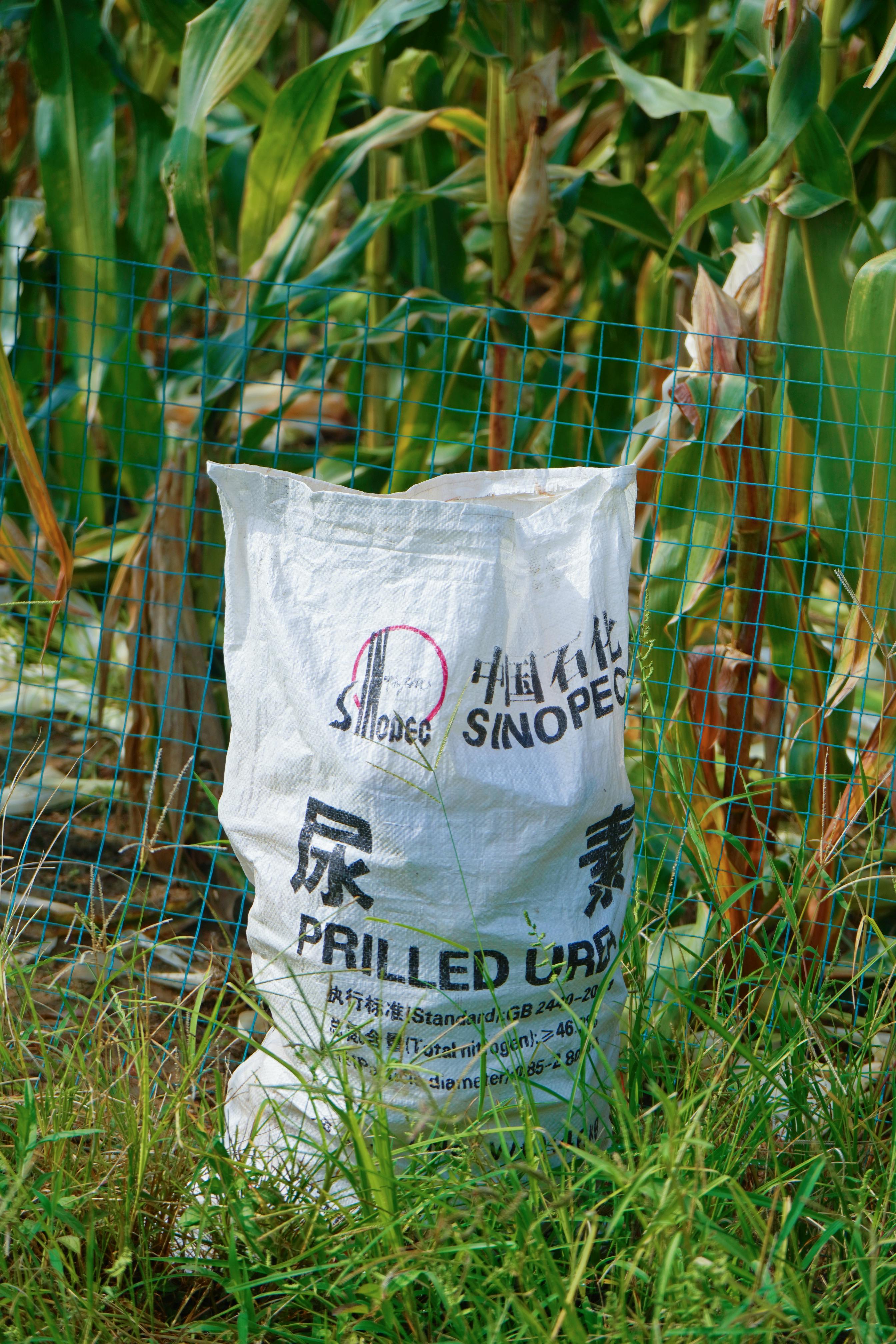
Kenya's agricultural sector, predominantly composed of smallholder farmers, forms the backbone of its economy, with maize being the staple food crop. However, decades of intensive farming, often coupled with the overuse of synthetic fertilizers, have led to alarming rates of soil degradation. This erosion of soil health directly impacts productivity, making farming increasingly challenging and expensive.
Organic farming presents a viable and robust alternative. It prioritizes ecological balance, biodiversity, and the use of natural inputs, leading to healthier soils and more resilient farming systems. Data from the World Bank indicates that sustainable agriculture land management projects in Kenya have successfully trained thousands of smallholder farmers, helping them rehabilitate degraded lands and increase crop yields. These initiatives demonstrate that a shift to organic methods is not merely an idealistic goal but a practical, economically beneficial strategy for Kenyan farmers.
Crucially, evidence from 2024 KALRO trials provides compelling proof of the benefits of this approach. These trials revealed that urea overuse depletes soil nitrogen-fixing bacteria by a staggering 40%, undermining natural soil fertility. In stark contrast, organic blends were shown to increase maize yields by 18% while simultaneously reducing input costs by 35%. Furthermore, adopting organic methods led to an annual improvement in soil organic matter by 2.1%, fostering long-term productivity and soil health. Such findings underscore the urgent need for a widespread transition to organic practices across Kenya.
Key Insights & Strategies for Organic Maize Success

Understand Your Soil: The Foundation of Organic Farming
Before any input application, knowing your soil's composition, pH, and nutrient levels is paramount. This insight allows for targeted nutrient management, preventing over-application and ensuring optimal plant health. Organic farming thrives on healthy soil, which acts as a living ecosystem supporting your crops.
- Conduct Regular Soil Tests: Use a reliable soil testing kit to analyze your soil’s pH, nitrogen, phosphorus, and potassium levels. For farmers seeking precise soil insights, consider the 4-in-1 Soil Test Kit (pH, Humidity, Temperature, Sunlight) – available on Amazon, which provides comprehensive data for informed decisions.
- Interpret Results & Plan Inputs: Based on the test results, plan your organic fertilizer applications. For example, if nitrogen is low, prioritize nitrogen-rich organic amendments.
Replace Urea with Organic Nutrient Powerhouses
The KALRO trials clearly show the detrimental effects of urea overuse. Shifting to organic alternatives not only prevents soil degradation but actively enhances fertility. Organic materials release nutrients slowly, providing a steady supply for maize growth.
- Harness Poultry Manure: Rich in nitrogen, phosphorus, and potassium, well-composted poultry manure is an excellent substitute for synthetic nitrogen fertilizers. Ensure it is fully decomposed to avoid burning plants and to eliminate pathogens.
- Utilize Farm-Made Compost: Compost is a complete soil builder, improving structure, water retention, and microbial activity. Establish a robust composting system on your farm, utilizing crop residues, kitchen waste, and animal manure. To create nutrient-rich compost efficiently, consider investing in an Inground Composter Outdoor Farm Compost Bin – available on Amazon.
- Incorporate Green Manures & Cover Crops: Plant legumes like desmodium or crotalaria as cover crops during fallow periods. They fix atmospheric nitrogen into the soil, suppressing weeds and preventing erosion.
Embrace Integrated Pest and Disease Management (IPDM)
Organic farming relies on natural ecological processes to manage pests and diseases, rather than chemical interventions. This protects beneficial insects and maintains biodiversity.
- Crop Rotation: Rotate maize with non-cereal crops to break pest and disease cycles and improve soil structure.
- Companion Planting: Plant maize alongside pest-repelling crops like marigolds or beneficial insect attractors like sunflowers.
- Biological Control: Encourage natural predators by providing habitat and avoiding broad-spectrum pesticides.
To explore more sustainable organic farming solutions and partner with experts in the field, Explore sustainable organic farming solutions with Biofarm Kenya.
Case Studies: Kenyan Farmers Thriving with Organic Maize
Across Kenya, pioneering farmers are proving that organic maize farming is not just possible, but highly profitable. One notable example comes from the Western region, where a farmer group, supported by local agricultural extension services, transitioned their entire maize production to organic methods over three years. Initially, they faced challenges with pest management and understanding nutrient cycling.
Through consistent application of well-rotted cattle manure, cultivation of nitrogen-fixing cover crops, and practicing intercropping with beans, their maize yields steadily improved. By the third season, their yields surpassed conventional farms in the area, and their input costs for fertilizers and pesticides had dropped by over 40%. The improved soil structure and water retention also made their farms more resilient to dry spells, a critical advantage in Kenya's changing climate. This success story aligns with findings from the Food and Agriculture Organization (FAO) which consistently advocate for diversified farming systems to enhance resilience and productivity in smallholder agriculture. (Source: FAO Kenya)
Another inspiring case is a farmer in Kitale who adopted conservation agriculture principles, a cornerstone of organic farming. By minimizing soil disturbance, maintaining permanent soil cover with crop residues, and practicing diverse crop rotations, he transformed his previously degraded land. His maize fields now exhibit enhanced soil organic matter, requiring less irrigation and showing greater resistance to common maize diseases. These successes serve as powerful testaments to the efficacy and economic viability of organic maize farming in Kenya.
Common Mistakes to Avoid in Organic Maize Farming
Transitioning to organic farming requires a shift in mindset and practices. Avoiding common pitfalls can accelerate your success:
- Expecting Immediate Results: Organic farming is a long-term investment in soil health. It takes time for the soil microbiome to re-establish and for organic matter levels to build up. Farmers often get discouraged if yields don't match conventional methods in the very first season. Correction: Be patient and understand that initial yields might fluctuate. Focus on consistent application of organic practices; long-term gains in soil fertility and reduced input costs will follow.
- Ignoring Soil Testing: Guessing your soil's needs leads to inefficient nutrient management. Over-applying even organic inputs can create imbalances, while under-applying starves your crop. Correction: Make regular soil testing a non-negotiable part of your farming cycle. It's the most reliable way to tailor your organic amendments.
- Using Uncomposted Manure: Fresh animal manure can contain pathogens, weed seeds, and high levels of ammonia that can burn plant roots. It's not a suitable direct fertilizer for crops. Correction: Always ensure manure is thoroughly composted before application. Composting breaks down harmful elements and creates stable, nutrient-rich humus.
- Neglecting Crop Rotation: Sticking to monoculture (planting only maize repeatedly) depletes specific nutrients, encourages specialized pests and diseases, and reduces soil biodiversity. Correction: Implement a diverse crop rotation schedule, alternating maize with legumes, root crops, or cover crops. This naturally restores soil health and breaks pest cycles.
- Inadequate Water Management: While organic farming improves water retention, efficient water use is still crucial, especially in water-scarce regions. Relying solely on rainfall can be risky. Correction: Explore water-saving irrigation techniques like drip irrigation. Understanding your crop's water needs at different growth stages is vital.
- Lack of Weed Management Strategy: Without herbicides, weeds can quickly outcompete maize for resources. Ignoring them can severely impact yields. Correction: Implement a multi-pronged weed management strategy: mulching, proper plant spacing, timely hand-weeding, and using cover crops to suppress weed growth.
Expert Tips & Best Practices for Maximizing Organic Maize Yields
Leveraging local knowledge combined with proven organic strategies can significantly boost your maize production and farm profitability.
- Prioritize Soil Microbes: Healthy soil is teeming with beneficial microorganisms that make nutrients available to plants. Avoid practices that harm them, such as deep tillage. Instead, foster microbial life by consistently adding organic matter.
- Master Composting Techniques: Beyond just piling organic waste, learn advanced composting methods like vermicomposting (using worms) or hot composting to produce high-quality, nutrient-dense compost efficiently. For optimal soil conditions and nutrient delivery, maintaining ideal moisture levels is crucial. An excellent tool for this is a reliable soil moisture meter.
- Strategic Application of Organic Fertilizers: Don't just broadcast organic fertilizers. Apply them strategically, for instance, band application during planting or side-dressing during critical growth stages, to maximize nutrient uptake by the maize plants.
- Water Wisely with Drip Irrigation: Water scarcity is a significant challenge. Drip irrigation delivers water directly to the plant roots, minimizing evaporation and water waste. This ensures your maize receives consistent moisture without waterlogging. For smallholder farmers, a Drip Irrigation Kit for Small Farms (Deluxe) – available on Amazon offers an efficient and cost-effective solution for precise watering.
- Embrace Agroforestry: Integrate suitable trees and shrubs into your maize fields. They can provide shade, reduce wind erosion, improve soil fertility through nitrogen fixation, and even offer additional income streams (e.g., fruit trees).
- Continuous Learning and Adaptation: Organic farming is a dynamic process. Stay informed about new techniques, attend farmer workshops, and share experiences with fellow organic farmers. What works best for one farm might need slight adaptation for yours.
For more in-depth guidance and to connect with a network of sustainable farming experts, Explore sustainable organic farming solutions with Biofarm Kenya.
Future Trends: Innovating for a Sustainable Maize Future
The landscape of agriculture is constantly evolving, and Kenya is at the forefront of adopting innovations that enhance sustainability and productivity. Future trends in organic maize farming will likely integrate technology with traditional ecological wisdom:
- Smart Irrigation Systems: Beyond basic drip irrigation, sensor-based systems that monitor soil moisture and weather patterns will automatically adjust water delivery, optimizing water use and preventing waste. This technology offers immense potential for water conservation in arid and semi-arid regions.
- Precision Organic Farming: Drones and AI-driven crop monitoring can identify specific plant health issues, pest infestations, or nutrient deficiencies early on. This allows for targeted organic interventions, reducing labor and maximizing the effectiveness of natural inputs.
- Bio-Inputs and Biological Control: The development of advanced bio-fertilizers (e.g., microbial inoculants that enhance nutrient uptake) and bio-pesticides (using natural enemies or plant extracts) will offer even more sophisticated tools for organic farmers to boost yields and manage pests.
- Vertical Farming and Controlled Environment Agriculture (CEA): While primarily for high-value crops, advancements in CEA could offer solutions for maize production in urban or land-scarce areas, using minimal water and space, and often with organic principles.
- Regenerative Agriculture Practices: A broader movement, regenerative agriculture focuses on restoring degraded soil, enhancing biodiversity, and sequestering carbon. Organic maize farming will increasingly integrate these principles to build even more resilient and climate-friendly food systems.
These innovations, coupled with the proven benefits of traditional organic methods, promise a bright and sustainable future for maize farming in Kenya and across East Africa.
Conclusion
The journey to organic maize farming in Kenya is a strategic and rewarding one. As evidenced by the illuminating 2024 KALRO trials, embracing natural alternatives to urea is not merely an environmental choice but a pathway to significant yield increases, substantial cost reductions, and improved soil health. By replacing synthetic chemicals with nutrient-rich organic options like poultry manure and compost, farmers can actively restore their land, foster biodiversity, and build a resilient future for their farms.
The principles outlined in this guide—from meticulous soil testing and efficient water management to integrated pest control and continuous learning—form the bedrock of successful organic maize cultivation. As we look towards a future of increasing climate variability and input costs, the shift to organic methods offers a sustainable solution that benefits both the farmer and the planet. We encourage every Kenyan farmer to consider these practices and take the leap towards a more prosperous and sustainable agricultural future. Discover trusted organic farming tools on Amazon and learn more about sustainable solutions with Biofarm Kenya.
Frequently Asked Questions (FAQs)
1. What are the primary benefits of switching from urea to organic fertilizers for maize in Kenya?
Switching from urea to organic fertilizers like poultry manure and compost offers numerous benefits. The 2024 KALRO trials highlight that organic blends can increase maize yields by 18% and reduce input costs by 35%. Additionally, organic methods improve soil health by increasing organic matter by 2.1% annually, enhancing water retention, and protecting beneficial soil microbes which are depleted by urea overuse. This leads to more resilient crops and a healthier farming ecosystem. (Source: KALRO Research)
2. How can Kenyan farmers effectively source organic alternatives to urea?
Kenyan farmers can source organic alternatives through various channels. Locally, farm-produced compost using crop residues and animal waste is highly effective. Poultry manure is readily available from local chicken farms. Additionally, community initiatives and agricultural cooperatives often facilitate the sharing or sale of organic inputs. Biofarm Kenya also connects farmers with sustainable input providers. (Source: Biofarm Kenya Partners)
3. What is the recommended timeline for seeing results when transitioning to organic maize farming?
The transition to organic maize farming typically involves a short-term adjustment period. While some benefits like improved soil structure can be observed within the first season, significant increases in yields and full restoration of soil fertility often take 2-3 years. This period allows the soil microbiome to re-establish and organic matter levels to build up effectively. Patience and consistent application of organic practices are key. (Source: FAO Organic Agriculture FAQs)
4. Are there any specific organic pest control methods that are particularly effective for maize in Kenya?
Yes, several organic pest control methods are effective for maize in Kenya. These include crop rotation, which breaks pest life cycles; intercropping with repellent plants like desmodium (push-pull strategy) or attractant plants like Napier grass; encouraging natural predators through biodiversity; and using botanical insecticides derived from local plants like neem. Early detection and mechanical removal are also crucial. (Source: KALRO Crop Research)
5. How does organic maize farming contribute to climate change resilience in Kenya?
Organic maize farming significantly contributes to climate change resilience by improving soil health. Healthy soils with high organic matter content have better water retention capabilities, making crops more drought-tolerant. Increased biodiversity above and below ground creates a more stable ecosystem. Reduced reliance on synthetic fertilizers, which are energy-intensive to produce, also lowers the farm's carbon footprint. These practices enhance the farm's ability to withstand extreme weather events. (Source: NEMA Climate Change Initiatives)
6. Where can Kenyan farmers find additional resources and support for organic maize farming?
Kenyan farmers can find extensive resources and support from several organizations. The Kenya Agricultural and Livestock Research Organization (KALRO) offers research and extension services. Local agricultural extension officers provide on-the-ground advice. NGOs promoting sustainable agriculture, farmer cooperatives, and online platforms like Biofarm Kenya are also invaluable sources of information, training, and networking opportunities. (Source: Biofarm Kenya Partners)
For further reading and resources on sustainable agriculture in Kenya, visit:


0 Comments