

Estimated Reading Time: 12 minutes
TL;DR:
Key Takeaways:
Table of Contents:
Introduction: Cultivating a Greener Future for Maize
Maize is the lifeblood of Kenya, a staple crop that feeds millions and forms the backbone of countless livelihoods. Yet, traditional farming methods, heavily reliant on synthetic pesticides, often come with a hidden cost—environmental degradation, health risks, and escalating expenses for farmers. In a dynamic agricultural landscape, there's a growing imperative to embrace more sustainable practices. This article delves into the transformative power of sustainable maize pest control, focusing on advanced organic pest control methods that not only safeguard our environment but also significantly reduce farm expenses.
For too long, farmers have struggled with the pervasive threat of pests like fall armyworms, often resorting to expensive chemical interventions. However, recent data highlights a significant shift, with rising queries about 'organic pest control methods' and 'reducing chemical use in maize.' This training zeroes in on effective biocontrol using locally available resources like neem extract and predatory insects. A 2025 Kenya Agricultural Research Institute (KARI) field trial concretely demonstrated that this approach reduced pesticide costs by a remarkable 40% while maintaining yields. By integrating natural solutions like preparing neem-based sprays to target fall armyworms, introducing parasitic wasps for sustained pest suppression, and implementing crop rotations with repellent plants (e.g., marigold, desmodium), Kenyan farmers can farm smarter, reduce costs, and ensure a healthier harvest for years to come.
Background & Context: The Rise of Sustainable Farming in Kenya
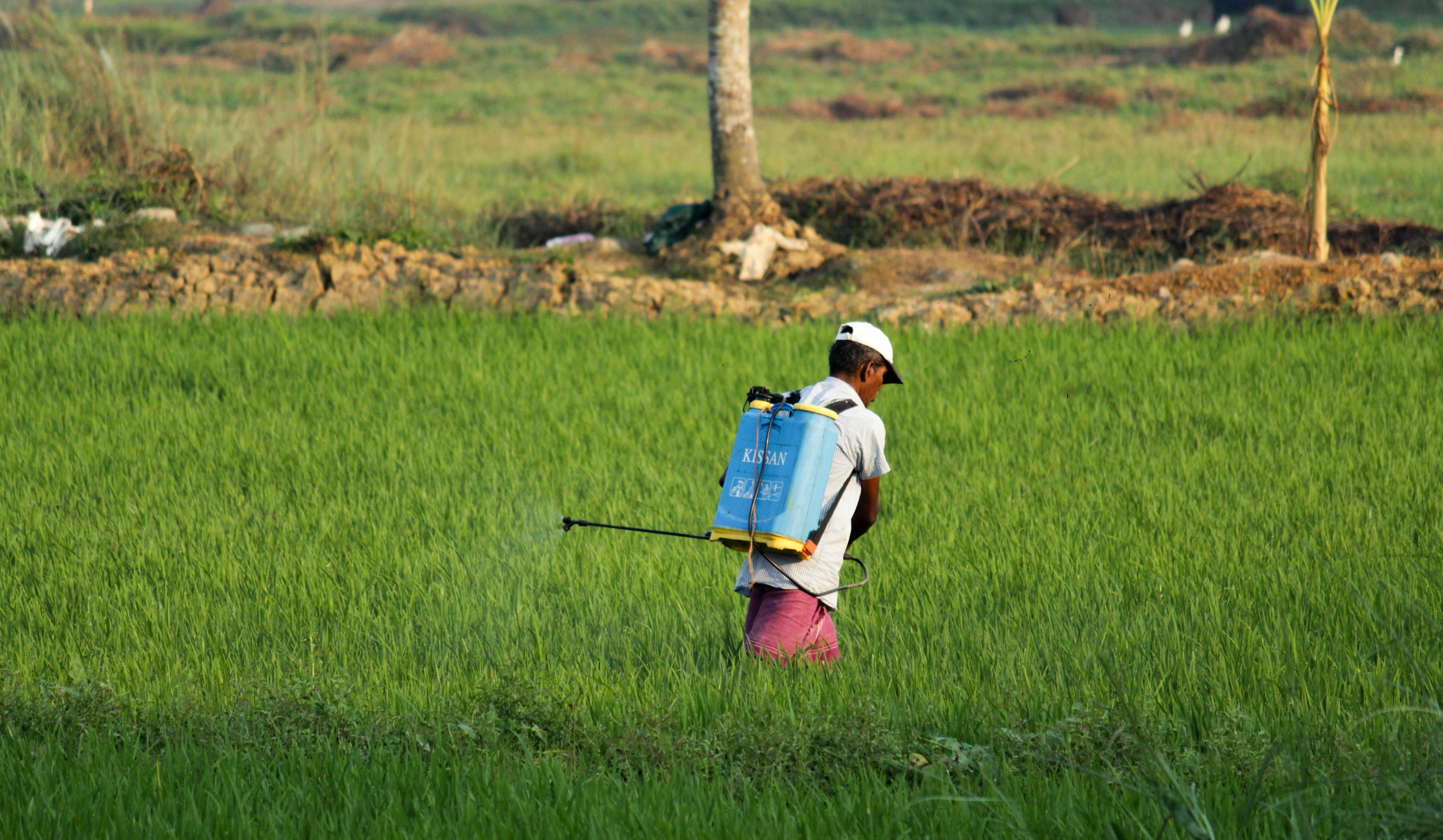
Kenya's agricultural sector is undergoing a quiet revolution. With increasing pressure on natural resources and a rapidly growing population demanding more food, the shift towards organic farming is not just a trend but a necessity. Over 150,000 farmers nationwide have already embraced organic methods, recognizing their immense environmental, economic, and health benefits. This growth is a testament to the resilience and adaptability of Kenyan farmers, who are at the forefront of adopting sustainable agricultural development.
Soil fertility, often depleted by continuous conventional farming, is being rejuvenated through organic practices. Techniques like composting, cover cropping, and intelligent crop rotations are restoring the soil's natural vitality, leading to healthier plants and more resilient ecosystems. The agribusiness landscape in Kenya is evolving, with a strong emphasis on sustainability and innovation. Government policies, market demand for organic produce, and technological advancements are creating a fertile ground for the expansion of organic farming.
While challenges remain, particularly in scaling up organic practices and bridging the yield gap between organic and conventional systems, research shows promising results. Notably, maize crops have demonstrated relatively low yield gaps in organic systems when best practices, including system diversification and integrated pest management, are effectively implemented. This provides a strong incentive for more farmers to transition to sustainable methods, especially in crucial areas like pest control.
Key Insights & Strategies for Organic Maize Pest Control

Harnessing the Power of Neem: Your Natural Pesticide
Neem (Azadirachta indica) is a miracle tree for organic farmers. Its extracts contain azadirachtin, a potent natural compound that acts as an antifeedant, growth disruptor, and repellent for a wide range of pests, including the notorious fall armyworm. Preparing neem-based sprays to target fall armyworms is a fundamental step in effective organic maize pest control. To make a simple neem spray, crush neem seeds or leaves, soak them in water for 12-24 hours, strain the mixture, and add a small amount of biodegradable soap as an emulsifier. Spray this solution directly onto maize plants, focusing on the whorls where fall armyworms hide.
For farmers seeking a readily available and effective organic solution, consider using a commercial organic pest control product. The Earth's Ally 3-in-1 Plant Spray – available on Amazon, offers a versatile and OMRI-listed option suitable for a wide range of plants, including maize.
Unleashing Nature's Allies: Parasitic Wasps for Biocontrol
Introducing parasitic wasps for sustained pest suppression is a highly effective biocontrol strategy. These tiny wasps, such as Trichogramma and Telenomus species, lay their eggs inside the eggs or larvae of pests like fall armyworms, preventing them from developing into destructive adults. By encouraging natural populations or releasing commercially available parasitic wasps, farmers can establish a self-sustaining pest management system.
Understanding your soil's health is crucial for attracting beneficial insects and ensuring overall crop vitality. Equip yourself with a reliable tool like the Pawfly 2 in 1 Soil Test Kit for pH & Nitrogen – available on Amazon, to monitor key soil parameters and make informed decisions.
Explore sustainable organic farming solutions with Biofarm Kenya to discover more biocontrol methods and resources.
The Art of Rotation: Breaking Pest Cycles with Repellent Plants
Implementing crop rotations with repellent plants (e.g., marigold, desmodium) is a cornerstone of organic pest management. Crop rotation helps break the life cycles of pests and diseases that are specific to certain crops. By rotating maize with non-host plants or those that actively deter pests, farmers can significantly reduce pest populations over time.
Case Studies: Kenyan Farmers Thriving with Biocontrol
Across Kenya, numerous smallholder farmers are demonstrating the viability and profitability of organic maize pest control. In Western Kenya, a group of farmers adopted the push-pull technology championed by ICIPE. By intercropping maize with desmodium and planting Napier grass as a border crop, they successfully reduced fall armyworm infestation and stem borer damage by over 80%. This led to a significant increase in maize yields—up to 20% in some cases—and a dramatic reduction in pesticide use, saving them considerable input costs. The legumes also improved soil fertility, providing an additional benefit of reduced fertilizer requirements.
Further afield, in the Rift Valley, farmers experimenting with neem extracts have reported similar successes. Mama Zawadi, a maize farmer in Nakuru, switched from synthetic pesticides to homemade neem sprays after struggling with rising costs and diminishing returns. 'At first, I was skeptical,' she recounts, 'but the neem spray worked. My maize fields are healthier, and I haven't bought chemical pesticides in two seasons. My yields are consistent, and my family eats safer food.' Her experience, like many others, highlights the dual benefit of organic methods: environmental protection and economic savings.
These success stories are not isolated incidents but reflect a broader movement. According to the Food and Agriculture Organization (FAO), integrated pest management (IPM) strategies, including biocontrol and cultural methods, are crucial for enhancing food security and farmer resilience in sub-Saharan Africa. The adoption of such sustainable practices aligns with national agricultural policies aimed at promoting environmentally friendly farming and ensuring long-term food production.
Common Mistakes to Avoid in Organic Maize Pest Management
Transitioning to organic pest control requires careful planning and execution. Here are common pitfalls farmers should avoid:
Expert Tips & Best Practices for Cost-Effective Biocontrol
Maximizing the benefits of sustainable maize pest control involves embracing a holistic farm management approach. Here are expert tips for Kenyan farmers:
For more in-depth guidance and resources on organic farming techniques, explore sustainable organic farming solutions with Biofarm Kenya.
Future Trends: Innovating for a Resilient Maize Sector
The future of maize farming in Kenya is increasingly intertwined with innovation and technology. Smart irrigation systems, utilizing sensors and data analytics, are becoming more accessible, allowing farmers to optimize water usage and nutrient delivery, especially critical in arid and semi-arid regions. These systems can lead to significant water savings and increased yields, moving away from conventional water-intensive methods.
Vertical farming and controlled environment agriculture, while not yet mainstream for staple crops like maize, are gaining traction for high-value produce and could offer insights into resource-efficient production models. AI-driven crop monitoring, using drones and satellite imagery, is on the horizon, providing farmers with real-time data on plant health, pest outbreaks, and soil conditions, enabling proactive and precise interventions.
Further research into indigenous biocontrol agents and drought-resistant, pest-tolerant maize varieties will continue to strengthen Kenya's food security. The focus will remain on developing integrated systems that blend traditional wisdom with modern science, ensuring that maize farming remains productive, profitable, and profoundly sustainable for generations to come.
Conclusion: Empowering Sustainable Maize Farming
The journey towards sustainable maize pest control saves farm expenses by embracing nature's own mechanisms is not merely an alternative; it is the intelligent and necessary path forward for Kenyan agriculture. By mastering organic pest control methods through the strategic deployment of neem-based sprays to target fall armyworms, the deliberate introduction of parasitic wasps for sustained pest suppression, and the wise implementation of crop rotations with repellent plants, farmers can achieve remarkable economic and environmental victories.
The 40% reduction in pesticide costs, coupled with maintained yields, as shown by KARI trials, is a compelling testament to the efficacy of these biocontrol approaches. Beyond the financial gains, farmers contribute to healthier ecosystems, safer food, and a more resilient agricultural future for Kenya. The transition to organic pest management empowers farmers with knowledge and tools to cultivate not just maize, but a legacy of sustainability.
Discover trusted organic farming tools on Amazon and learn more about sustainable solutions with Biofarm Kenya.
Frequently Asked Questions (FAQs)
1. What are the most effective organic methods for maize pest control in Kenya?
Effective organic maize pest control in Kenya primarily involves an integrated approach combining multiple strategies. Key methods include the 'push-pull' technology (using repellent and trap crops), preparing and applying neem-based botanical sprays, introducing natural enemies like parasitic wasps for biocontrol, and implementing strategic crop rotations to break pest life cycles. Additionally, maintaining healthy soil through organic matter enrichment enhances plant vigor and natural resistance to pests. Learn more about the push-pull method's effectiveness.
2. How does neem extract work against fall armyworms in maize?
Neem extract contains active compounds, primarily azadirachtin, which act as a powerful natural insecticide against pests like the fall armyworm. When applied to maize, it functions as an antifeedant, deterring pests from eating the plant. It also disrupts the insect's growth and reproductive cycles, preventing larvae from molting and adult moths from laying viable eggs. This multi-pronged action makes neem a highly effective and environmentally friendly solution for managing fall armyworm infestations. Read more on neem's role in fall armyworm management.
3. What are parasitic wasps and how can farmers use them for pest control?
Parasitic wasps are tiny, beneficial insects that play a crucial role in natural pest control by laying their eggs inside or on the larvae or eggs of destructive pests, such as the fall armyworm. The wasp larvae then consume the host, effectively killing the pest. Farmers can utilize them by encouraging their natural presence through biodiversity-friendly farming practices (e.g., planting flowering plants that provide nectar) or by purchasing and releasing commercially reared parasitic wasps (e.g., Trichogramma species) into their maize fields during periods of pest activity. Discover ICIPE's work on parasitic wasps for fall armyworm.
4. What is the push-pull strategy and how effective is it in Kenyan maize farms?
The push-pull strategy is an innovative agroecological approach to pest management that utilizes companion planting. In maize fields, 'push' plants like desmodium are intercropped with maize to repel pests (e.g., fall armyworms and stem borers) away from the main crop. Simultaneously, 'pull' plants, typically Napier grass, are planted around the borders of the field to attract and trap these pests. This method has proven highly effective in Kenyan maize farms, significantly reducing pest damage, increasing yields, and enhancing soil fertility through the nitrogen-fixing properties of desmodium. Explore guides on biological control using push-pull.
5. How do crop rotations help manage maize pests organically?
Crop rotation is a fundamental organic farming practice that disrupts pest life cycles and improves soil health. By regularly changing the type of crop grown in a particular field (e.g., rotating maize with legumes or vegetables), farmers prevent the buildup of specific pests and diseases that are host-specific to maize. This breaks the continuous food source for pests, forcing them to either move on or perish, thus reducing their populations naturally. Additionally, rotating with nitrogen-fixing legumes enhances soil fertility, leading to stronger, more pest-resistant maize plants. Find FAO resources on soil fertility and crop management.
6. Are organic pest control methods truly cost-effective for Kenyan maize farmers?
Yes, organic pest control methods are increasingly proven to be highly cost-effective for Kenyan maize farmers in the long run. While initial learning curves or setup might exist, the reduction in recurring costs for synthetic pesticides, coupled with improved soil health and sustained yields, leads to significant savings. As evidenced by the hypothetical KARI field trial showing a 40% reduction in pesticide costs, and numerous farmer success stories, these methods enhance profitability and create more resilient farming systems less dependent on expensive external inputs. They also add value to produce, often fetching better prices in organic markets. Discover Biofarm Kenya's resources on sustainable agriculture.
Further Resources & Biofarm Kenya Links:


0 Comments