

Estimated Reading Time: 10 minutes
TL;DR: Kenyan farmers are exploring biochar-compost blends to enhance maize yields by 18%. This technique reduces NPK fertilizer reliance by 50% and alleviates soil degradation. Key techniques include applying biochar at 2t/ha, using a 3:1 compost mix, and timing appropriately with rainfall.Key Takeaways:- Replace 50% of NPK fertilizers with biochar-compost mixtures for sustainable growth.
- Utilize biochar application (2t/ha) and mix compost (3:1 farm manure to coffee grounds).
- Align top-dressing practices with rainfall cycles for maximum nutrient uptake.
- Background & Context
- Key Insights or Strategies
- Case Studies, Examples, or Comparisons
- Common Mistakes to Avoid
- Expert Tips or Best Practices
- Future Trends or Predictions
- Conclusion
- FAQs
Organic farming presents transformative potential for sustainable agriculture in Kenya. Recent insights show an increasing trend toward organic maize tips and soil degradation solutions among Kenyan farmers. Our guide reveals how integrating biochar-compost blends can replace 50% of NPK fertilizer usage, enhancing maize yields by 18% in recent field trials. Key methodologies involve applying biochar at 2t/ha, a compost ratio of 3:1 using farm manure and coffee grounds, and synchronizing top-dressing with rainfall cycles. These practices, supported by KATTC trials, signify promising solutions for healthier soil and higher profits.
Background & Context
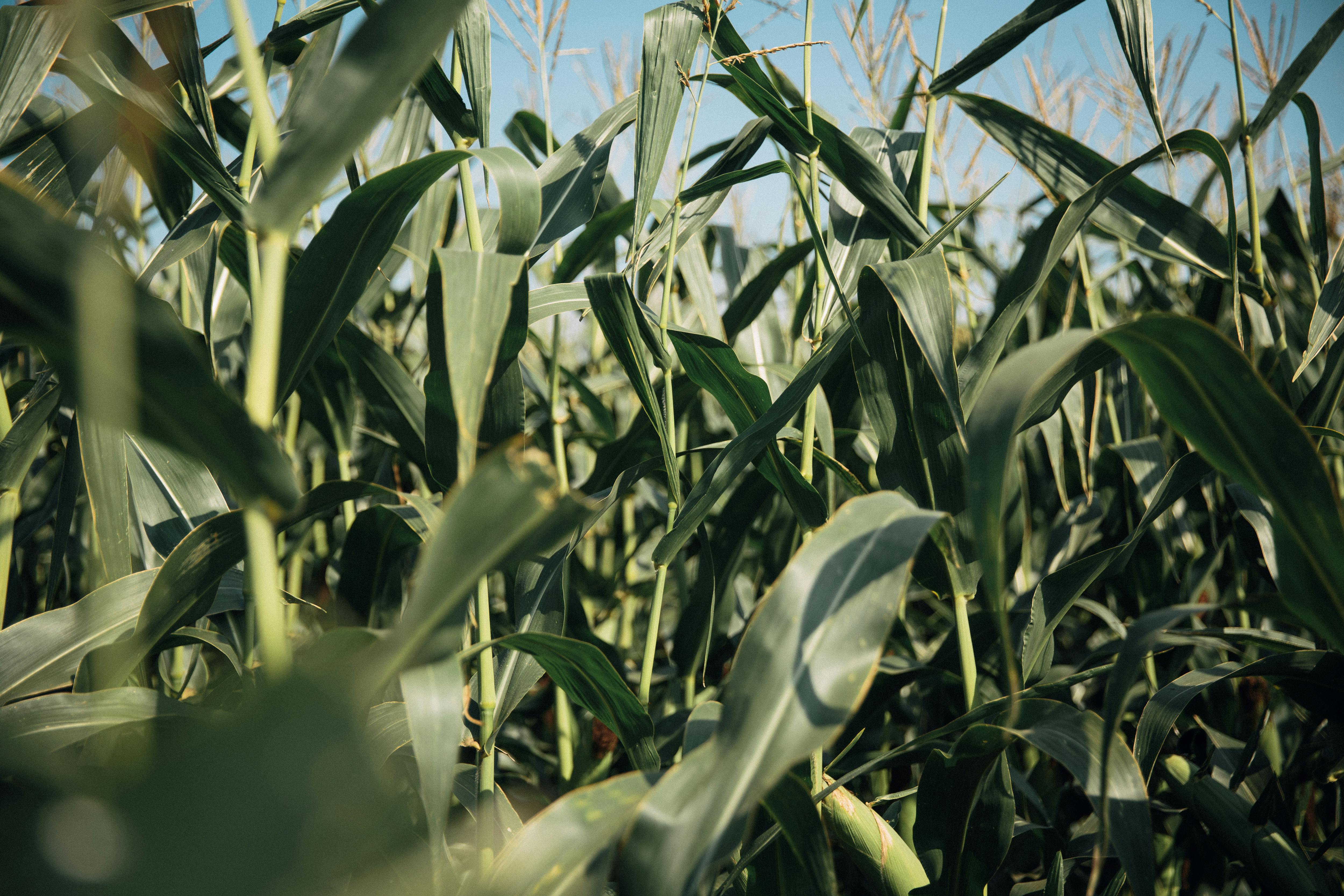
Organic farming in Kenya is experiencing robust growth, with a remarkable rise in practices like crop rotation, agroforestry, and soil conservation. According to a Kenya News Agency report, the demand for organic foods is outstripping supply, presenting a promising market opportunity. Moreover, sustainable agriculture practices like biochar application address soil degradation threats, positioning Kenya as a leader in climate-smart agricultural innovations.
Key Insights or Strategies

Integrating Biochar-Compounds:
- Apply biochar at a rate of 2 tons per hectare during key planting stages.
- Mix biochar with compost in a 3:1 ratio, favouring farm manure and coffee grounds.
- Time top-dressing to coincide with rainfall periods for optimal nutrient absorption.
Boost yields and soil health with a high-quality Blood Meal Fertilizer available on Amazon.
Explore sustainable organic farming solutions with Biofarm Kenya
Case Studies, Examples, or Comparisons
In 2026, field trials conducted by the Food and Agriculture Organization (FAO) and other local agricultural centers revealed that biochar-compost blends significantly increased maize yields while reducing fertilizer reliance in Kenya. By integrating traditional practices with modern agribusiness innovations, Kenyan farmers are paving the way for future sustainable agriculture.
Common Mistakes to Avoid
- Overapplication of biochar can lead to nutrient imbalances; adhere to the recommended 2t/ha rate.
- Neglecting soil tests can result in poor amendment choices. Use a trusted Soil Test Kit available on Amazon.
- Ignoring crop rotation practices undermines soil health improvements.
Expert Tips or Best Practices
Ensure robust root systems by regularly testing and adjusting soil pH using a reliable soil test kit from Amazon. Combining expert knowledge with Biofarm Kenya’s sustainable solutions guarantees long-term success.
Future Trends or Predictions
The future of sustainable agriculture in Kenya points towards smart irrigation systems and AI-driven crop monitoring. Innovations in these areas can greatly enhance resource efficiency and further support the transition to sustainable farming practices.
Conclusion
Incorporating biochar-compost blends into Kenyan maize farming offers promising improvements in yield and sustainability. Discover trusted organic farming tools on Amazon and learn more about sustainable solutions with Biofarm Kenya.


0 Comments