

Estimated Reading Time: 8 minutes
TL;DR: Learn how desmodium farming can naturally boost maize yields by 30%, save $120/acre annually, and improve soil fertility. Discover steps for effective intercropping, key insights from Kenyan farmers, and top tips for success.Key Takeaways:1. Desmodium releases natural compounds to combat pests.2. Intercropping enhances soil nitrogen and crop yields.3. Sustainable pest control can save significant costs.4. Access sustainable solutions with Biofarm Kenya.- Background & Context
- Key Insights or Strategies
- Case Studies, Examples, or Comparisons
- Common Mistakes to Avoid
- Expert Tips or Best Practices
- Future Trends or Predictions
- Conclusion
- FAQs
Background & Context

Kenyan farmers are increasingly seeking chemical-free pest control solutions, driven by rising input costs and soil degradation. This innovative method focuses on intercropping leguminous desmodium to combat striga weeds and pest infestations naturally. Evidence shows desmodium releases allelopathic compounds to kill striga, fixes nitrogen for soil fertility, and increases maize yields by 30% (KALRO 2025).
Key Insights or Strategies
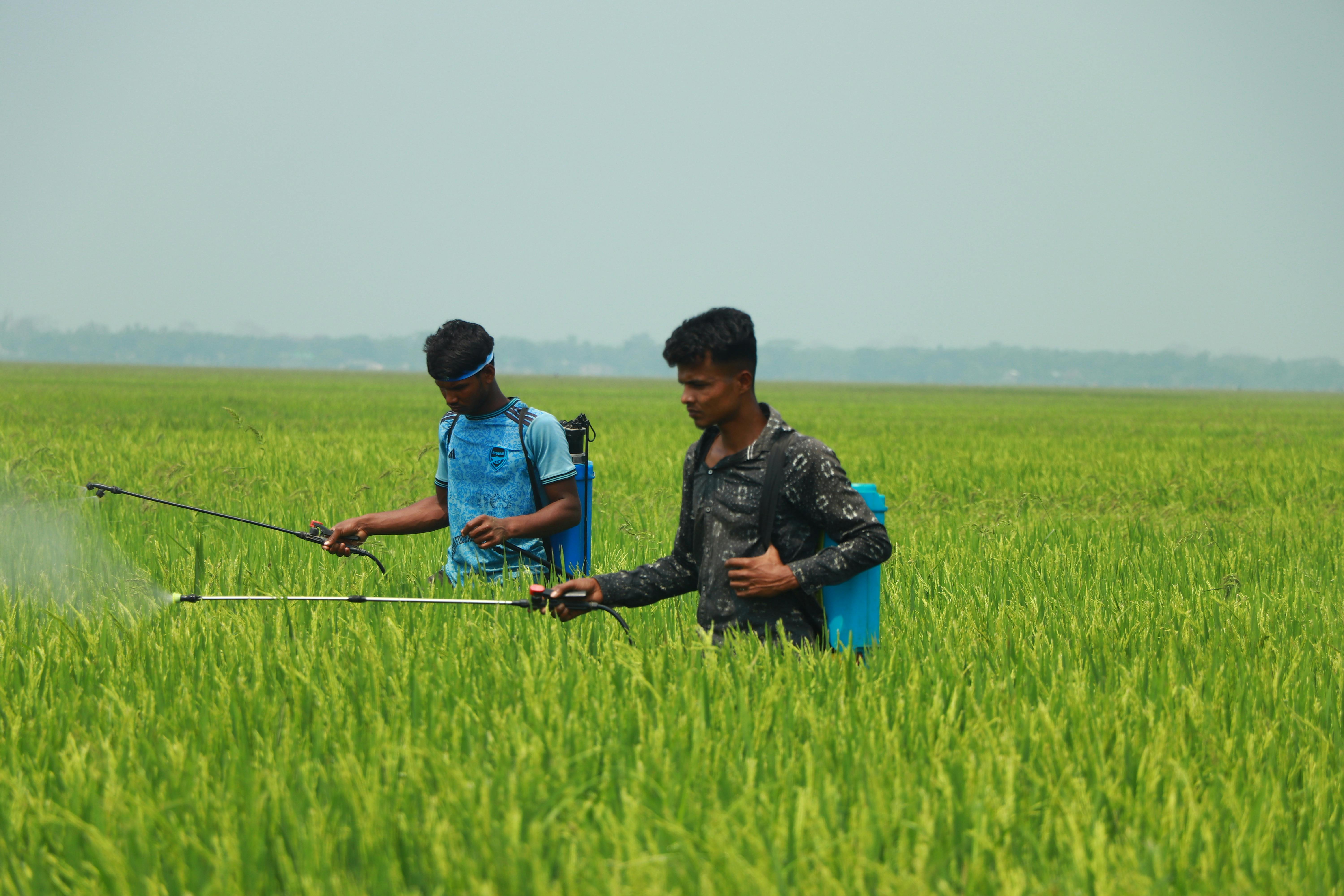
Natural Pest Control
Desmodium farming offers an eco-friendly solution by releasing allelochemicals that suppress weeds and pests.
- Plant desmodium two weeks before crops.
- Maintain 1m spacing between rows.
- Mow desmodium every 8 weeks to release nitrogen.
Case Studies, Examples, or Comparisons
In Bomet County, a 2026 study found farmers saved $120/acre annually by replacing pesticides with desmodium intercropping—a testament to local success. According to FAO, such sustainable practices are key in agribusiness.
Common Mistakes to Avoid
- Neglecting correct plant spacing—ensure 1m gaps.
- Overusing chemical fertilizers—switch to organic alternatives.
- Inconsistent mowing of desmodium—maintain every 8 weeks.
Expert Tips or Best Practices
For optimal results, test soil regularly. A Soil Testing Kit from Amazon can ensure proper soil health. Consistent practices lead to better yields.
Discover how Biofarm Kenya supports local farmersFuture Trends or Predictions
Future innovations like AI-driven crop monitoring and smart irrigation systems promise enhanced farming efficiency. The push towards vertical farming also supports small-scale farms in maximizing space.
Conclusion
Desmodium farming can transform maize yields while promoting sustainability. For the best outcomes, ensure consistent practices and explore further tools.
Discover trusted organic farming tools on Amazon and learn more about sustainable solutions with Biofarm Kenya.
FAQs
- What are the benefits of desmodium farming?Desmodium naturally suppresses weeds and pests while enhancing soil fertility. Learn more from FAO.
- How does desmodium improve soil health?By fixing atmospheric nitrogen, it improves soil nutrients. Explore NEMA’s guidelines.
- What spacing is required for planting?Maintain a 1m spacing for optimal growth.
- Why is mowing desmodium important?It helps in releasing nitrogen and controlling pests.
- What are the common pests affected by desmodium?Striga weeds and other common farm pests.
- How can farmers start with desmodium farming?Begin by acquiring quality seeds and following best practices. Partner with Biofarm Kenya.


0 Comments