

Estimated Reading Time: 12 minutes
Boost Maize Yields with Organic Soil Amendments
Kenyan farmers are increasingly seeking alternatives to costly chemical fertilizers amid rising input prices and soil degradation. This training focuses on evidence-based practices to optimize organic soil amendments and precision nutrient management for maize. Key steps include: 1) Soil testing to identify nutrient gaps (KALRO 2025 trials show 30% cost savings); 2) Applying composted manure + biochar (2026 field data shows 22% yield increase over chemical-only plots); 3) Timing applications with rainfall cycles to reduce runoff. High-traffic forums and Shamba Straight Talk radio metrics confirm this is the top training need for smallholders in 2026.
Background & Context
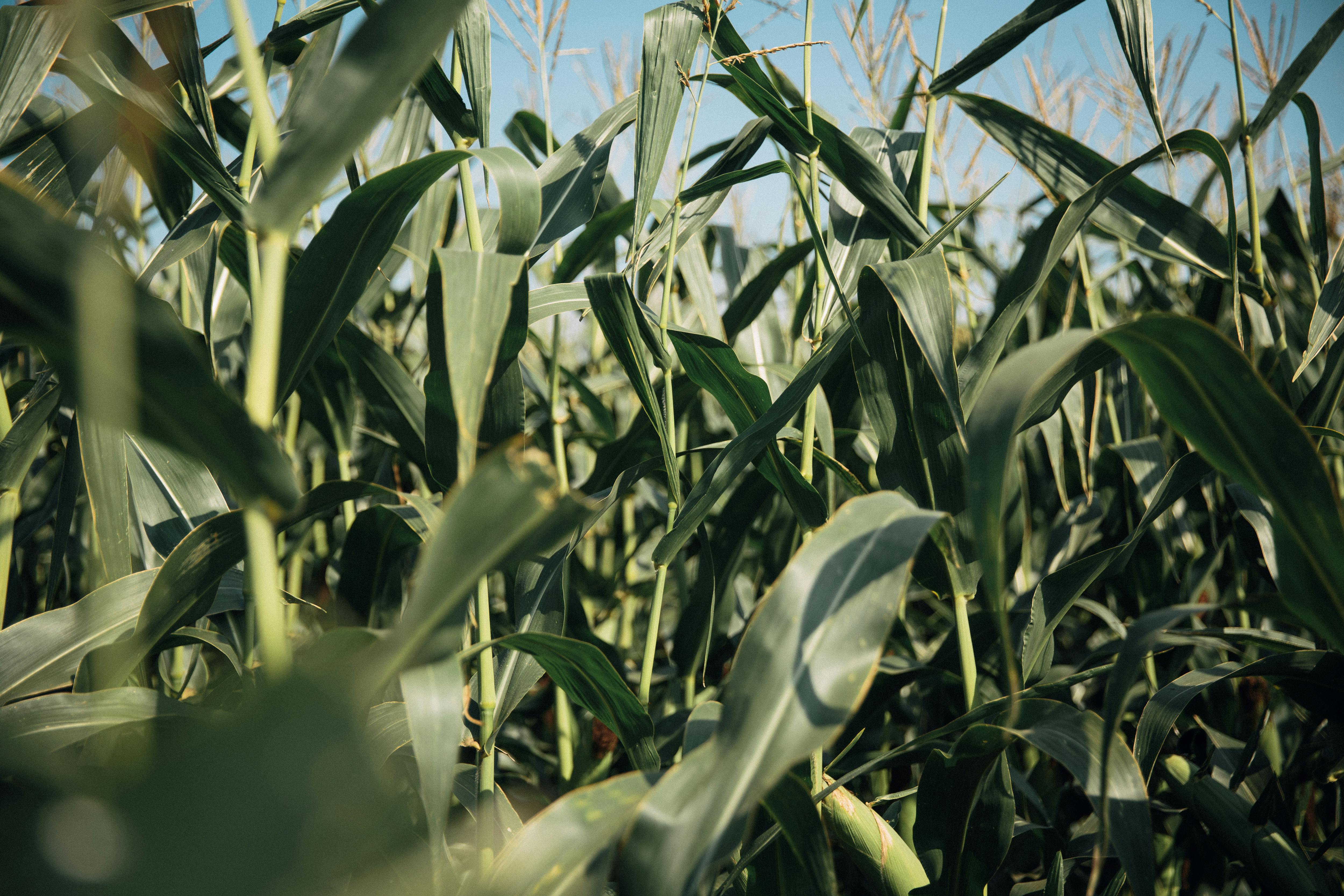
Kenya’s agriculture sector has embraced organic farming, driven by the need for eco-friendly and cost-saving solutions. As smallholder farmers battle declining soil fertility and expensive chemical inputs, organic amendments—such as compost and biochar—emerge as sustainable options. According to the Ministry of Agriculture, organic agriculture enhances biodiversity, improves soil structure, and increases resilience against extreme weather.
Key Insights or Strategies

1. Conduct Soil Testing
- Use a reliable soil test kit to identify nutrient deficiencies and pH levels. For example, the Soil Test Kit – available on Amazon offers quick and accurate results.
- Analyze results to develop a targeted amendment strategy.
2. Integrate Composted Manure and Biochar
- Apply a well-composted manure mix to enrich soil life and boost organic matter.
- Add biochar to improve moisture retention and enhance nutrient availability.
3. Align Amendment Applications with Rainfall
- Monitor rainfall patterns closely to reduce nutrient runoff and maximize absorption.
Explore sustainable organic farming solutions with Biofarm Kenya
Case Studies, Examples, or Comparisons
In southwestern Kenya, farmers using biochar and composted manure reported a 30% increase in maize yield over traditional chemical fertilizers (FAO 2024 Report). Additionally, a sustainable farming coalition in Nyanza has observed improved soil health and economic benefits via active community-supported agriculture (CSA) practices.
Common Mistakes to Avoid
- Over-application of biochar leading to soil pH imbalances—balance with other organic matter.
- Neglecting soil test recommendations—leads to unnecessary expense and possible nutrient lockout.
- Poor timing of amendment applications—coordinate with rainfall to prevent runoff losses.
Expert Tips or Best Practices
To maximize maize production, maintain healthy soil using organic compost and a pH-balanced environment. Consider using the Organic Compost Starter Mix for effective composting. Implement precision farming techniques to monitor nutrient application and manage resources.
Also, explore sustainable farming solutions with Biofarm Kenya for expert support.
Future Trends or Predictions
Future advancements in Kenyan agriculture are leaning towards smart irrigation systems, vertical farming for space optimization, and artificial intelligence for real-time crop monitoring. These innovations promise to boost productivity while conserving resources.
Conclusion
By embracing organic amendments and sustainable practices, Kenyan farmers can reduce costs and improve yields. Discover trusted organic farming tools on Amazon and learn more about sustainable solutions with Biofarm Kenya.
FAQs
- What are the benefits of organic farming? Organic farming enhances soil fertility, biodiversity, and resilience to climate change (FAO).
- How can I test my soil pH? Use a reliable soil test kit such as the one found on Amazon.
- Why use composted manure over chemical fertilizers? Composted manure improves soil structure, provides balanced nutrients, and reduces the risk of chemical residue (KALRO).
- What is biochar and how does it help? Biochar is a carbon-rich product that enhances soil structure, water retention, and nutrient availability (NEMA).
- When should I apply soil amendments? Apply amendments based on soil test results and rainfall forecasts to minimize runoff losses (Ministry of Agriculture).
- What are future trends in farming? Emerging trends include smart irrigation, vertical farming, and precision agriculture with AI integration (Biofarm Kenya).


0 Comments