

Estimated Reading Time: 15 minutes
TL;DR:
Key Takeaways:
Table of Contents:
Background & Context

In light of erratic rainfall patterns, Kenyan farmers are turning to alternatives like millet cultivation, which uses 20% less water than maize and thrives in low-rainfall zones. Millet farming, supported by ICRISAT's 2025 study, emerges as a superior choice for sustainable agriculture in Kenya. Millet's optimal planting densities of 2–3 kg/ha surpass maize's 25–30 kg/ha in preserving resources while ensuring robust yields of 1.5–2.5 t/ha.
Key Insights or Strategies
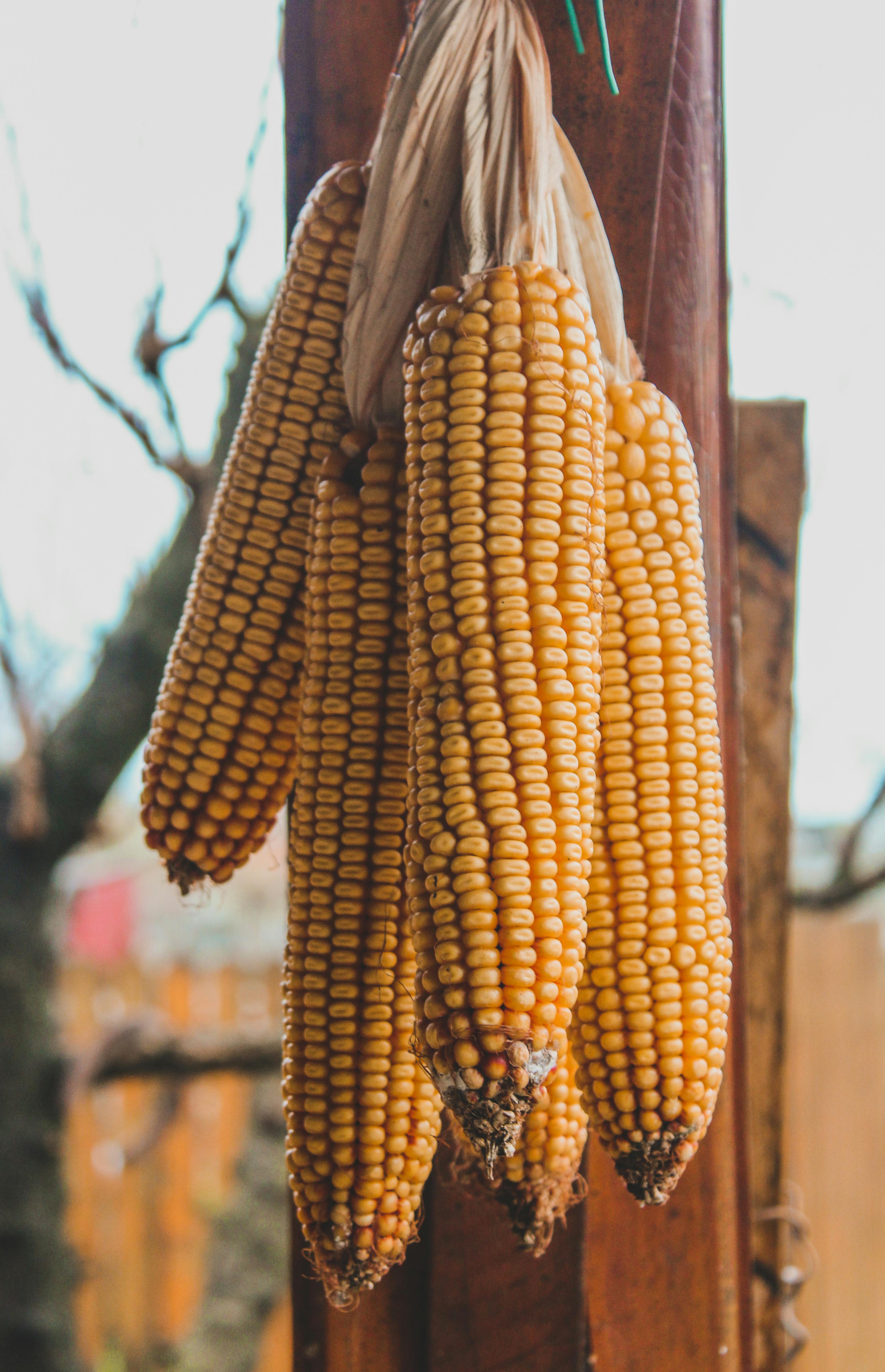
Optimal Planting and Water Use
Adapting millet to low-rainfall regions requires understanding planting densities and water management. With only a fraction of the seed rate needed for maize, millet mitigates the need for excessive water, offering resilience to changing climates.
Explore sustainable organic farming solutions with Biofarm Kenya
Soil Enrichment through Intercropping
Intercropping millet with nitrogen-fixing legumes like cowpeas enhances soil health, increasing nitrogen levels by 20–30%, essential for sustaining successive crops.
Boost your yields with the Soil pH & Moisture Tester Kit – available on Amazon.
Case Studies, Examples, or Comparisons
The success of millet farmers in Tharaka Nithi County, supported by innovations from programs like Farm Africa, underscores the potential of sustainable practices in harsh climates. Studies by the FAO confirm significant increases in yield and resilience for such farmers.
Common Mistakes to Avoid
Expert Tips or Best Practices
Optimize your farming practices with these insights:
Explore sustainable organic farming solutions with Biofarm Kenya
Future Trends or Predictions
Anticipate advancements in precision farming tech, vertical farming methods, and AI innovations to propel the Kenyan agricultural landscape. Stay informed through trusted resources like NEMA for policy updates and environmental guidelines.
Conclusion
Kenya's shift to millet farming marks a promising front in agro-sustainability. By capitalizing on millet’s resilience and low resource needs, farmers can ensure profitability and ecological consciousness. Discover trusted organic farming tools on Amazon and learn more about sustainable solutions with Biofarm Kenya.
FAQs
Millet's low water requirements and ability to thrive in semi-arid regions make it ideal amidst climate variability. The ICRISAT highlights its stable yields with reduced water use.How can intercropping improve soil fertility?
By adding legumes to millet fields, nitrogen fixation is enhanced, enriching soil nutrient levels — a technique supported by FAO studies.What are the benefits of organic fertilizers in millet farming?
Organic fertilizers improve soil health without harmful chemicals. Explore options like the Drammatic® Organic™ fertilizer on Amazon.How can water management be optimized in millet farming?
Eco-friendly drip irrigation systems found on Amazon ensure drip efficiency and focused application, conserving water.What are the future trends in farming technologies?
Precision farming, AI tools, and vertical gardens are set to change the landscape of Kenyan agriculture as per NEMA.How is millet farming being supported locally?
Local initiatives like those from Biofarm Kenya promote education and resource-sharing to improve millet production.


0 Comments