

Estimated Reading Time: 15 minutes
TL;DR:- Intercropping can increase yields by up to 30%.
- It reduces costs related to soil fertility and pest management.
- Improves soil health through diversified cropping systems.
- Helps mitigate climate change effects for Kenyan farmers.
- Understand compatible crops for intercropping.
- Learn about effective pest management in mixed crops.
- Explore market diversification strategies.
- Background & Context
- Key Insights or Strategies
- Case Studies, Examples, or Comparisons
- Common Mistakes to Avoid
- Expert Tips or Best Practices
- Future Trends or Predictions
- Conclusion
- FAQs
Background & Context
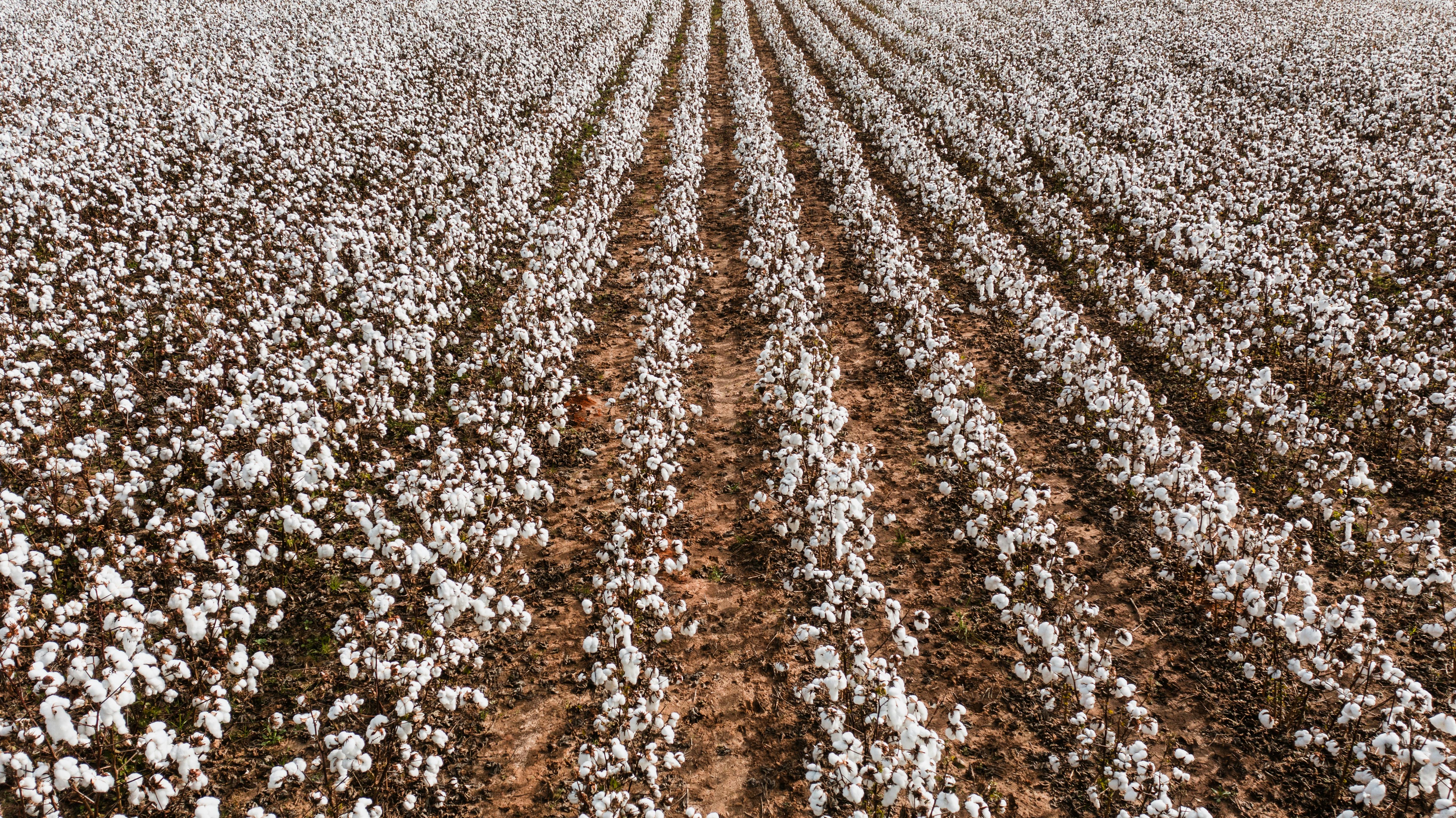
In recent years, Kenyan farmers are increasingly abandoning monoculture due to climate volatility and declining soil fertility. Intercropping has emerged as a sustainable alternative, allowing farmers to combine crops such as maize and beans for higher productivity. A 2025 study by the Kenya Agricultural and Research Institute (KARI) shows intercropping boosts yields by 30% while reducing pesticide costs. Yet, myths surrounding 'double-cropping' persist, limiting its broader adoption.
Key Insights or Strategies

1. Crop Compatibility and Selection
- Choose pairs like beans and maize for nutrient complementation.
- Plan your planting schedule to optimize rainwater use.
- Utilize crops that fit regional characteristics.
Boost your yields with the CARPATHEN Drip Irrigation System Kit – available on Amazon.
Explore sustainable organic farming solutions with Biofarm Kenya
Case Studies, Examples, or Comparisons
In Western Kenya, farmers have successfully increased their income through intercropping maize with legumes like pigeon peas, yielding better returns even without the application of fertilizers. According to the FAO, mixed cropping systems have proved to be economically beneficial and resilient against climate change.
Common Mistakes to Avoid
- Over-fertilization: Use organic alternatives to maintain soil health.
- Poor crop selection: Choose compatible crops for effective nutrient utilization.
- Improper planting timing: Plant intercrops early to maximize rainfall usage.
Expert Tips or Best Practices
Maintain healthy soil with Drammatic® Organic™ Original Fertilizer.
For optimal plant care, use a drip system like the Flantor Drip Irrigation Kit.
Explore sustainable organic farming solutions with Biofarm Kenya
Future Trends or Predictions
Emerging technologies like smart irrigation systems and AI-driven crop monitoring are set to revolutionize farming in Kenya. These innovations promise enhanced efficiency, reduced resource wastage, and better crop yields.
Conclusion
Intercropping offers a viable solution for Kenyan farmers to improve yields and resiliency. Discover trusted organic farming tools on Amazon and learn more about sustainable solutions with Biofarm Kenya.
FAQs
Intercropping involves growing two or more crops together. It improves soil health by enhancing biodiversity, which reduces pest outbreaks and increases soil fertility. Learn more at the FAO.
Begin with research on compatible crops and suitable planting schedules. The Biofarm Kenya guide offers valuable insights.
Challenges include choosing inappropriate crop combinations and managing pest outbreaks. Resources from NEMA can aid in overcoming these hurdles.
Yes, intercropping diversifies production, improving resilience and profitability. Studies from the KARI support these results.
Yes, it naturally suppresses pests by diversifying the ecosystem. Further study is available at the KEBS.
Intercropping can boost yields by 30% by efficiently using resources and reducing pest pressures. Check out analyses by the Biofarm Kenya studies.


0 Comments