

Estimated Reading Time: 11 minutes
TL;DR:
- The Vertical Farming Revolution is transforming sustainable agriculture in Kenya by maximizing space and reducing water use.
- Vertical farming uses technologies like hydroponics, aeroponics, and aquaponics to grow crops efficiently, even in urban areas.
- Farmers in Kenya adopt vertical farming to overcome land scarcity, improve food security, and reduce environmental impact.
- Integration with smart irrigation systems and soil testing kits enhances yield and resource management in vertical farms.
- Biofarm Kenya provides sustainable organic farming solutions to support this agricultural shift.
Key Takeaways:
- Vertical farming offers a scalable solution to Kenya's agricultural challenges by stacking crops vertically, saving land.
- Water-efficient systems used in vertical farming can reduce water consumption by up to 90% compared to traditional methods.
- Using soil testing kits and drip irrigation systems improves precision in farming, leading to better crop health and yield.
- Successful case studies from Nairobi and other regions demonstrate the socio-economic benefits of vertical farming for urban farmers.
- Exploring sustainable farming methods with Biofarm Kenya can enhance farm productivity and sustainability.
Introduction
Kenya stands on the brink of an agricultural transformation driven by the Vertical Farming Revolution. As the country's urban population grows and arable land becomes scarce, sustainable food systems are imperative. Vertical farming, the practice of growing crops in stacked layers using controlled environments, presents a groundbreaking solution. Integrating advanced techniques such as hydroponics and aeroponics, this method maximizes space and resource efficiency while offering resilience against climate change. This article explores how vertical farming is reshaping Kenya’s agricultural landscape with practical insights, real-life examples, and expert advice to help farmers and communities thrive.
Background & Context
Agriculture contributes about 33% to Kenya's GDP and employs over 40% of the population, yet challenges such as land degradation, climate variability, and urbanization pressure persist. Organic farming and sustainable practices have steadily gained traction, improving soil fertility and yields. For example, organic agriculture accounted for approximately 10% of farming activities in Kenya as of recent years. However, expanding traditional farming is limited by shrinking arable land.
Vertical farming emerges as an innovative approach to sustainable food production, especially in urban areas like Nairobi, where land is limited and food insecurity is prevalent. Residents in densely populated slum areas, through initiatives promoting vertical farming systems such as sack gardening and aquaponics, now grow fresh vegetables and herbs, reducing dependence on rural farms and improving nutrition.
Key Insights or Strategies
1. Leveraging Hydroponics and Aeroponics for Efficient Crop Production
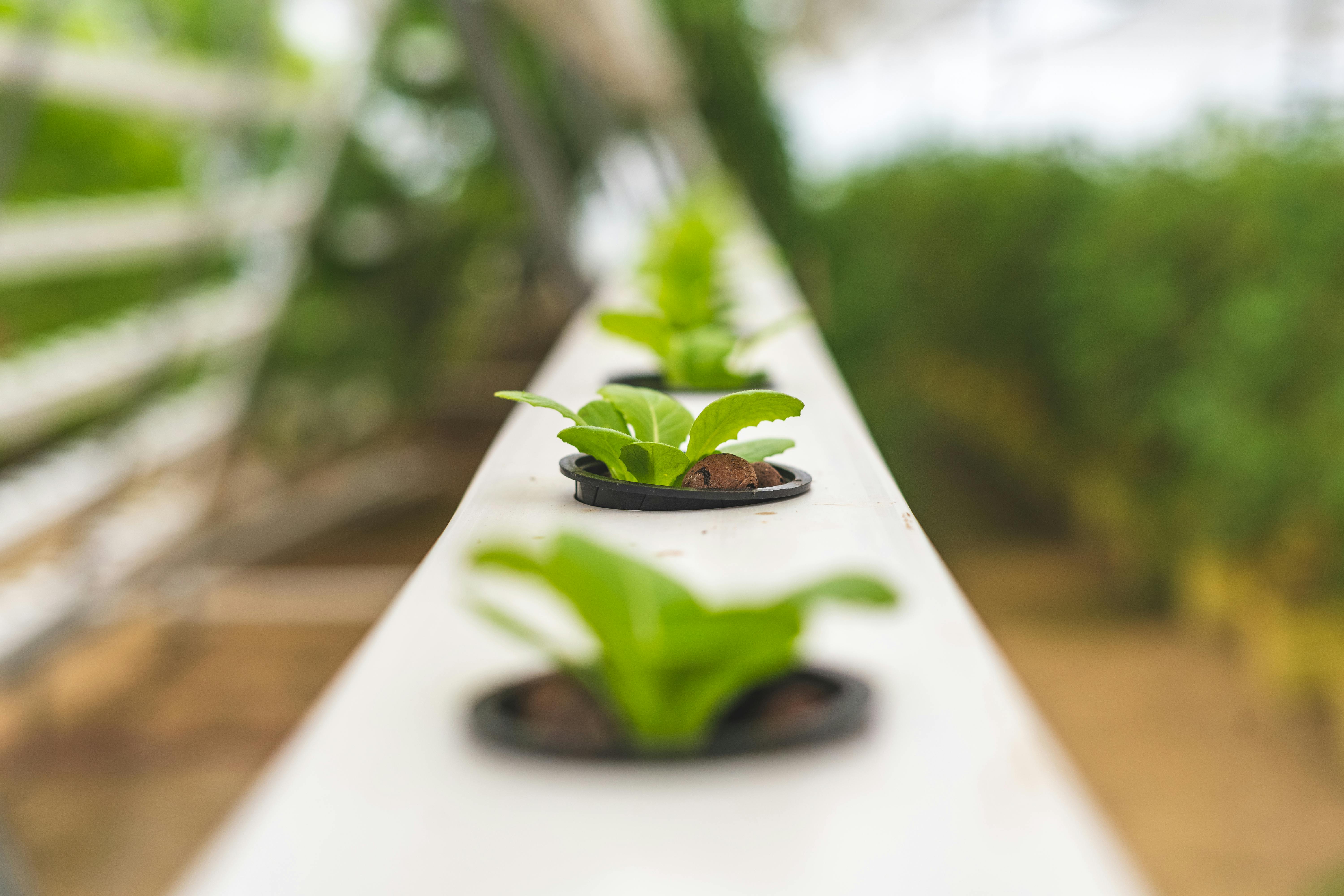
Hydroponics and aeroponics are soilless farming techniques that reduce water usage and improve crop growth rates. Hydroponics involves growing plants in nutrient-rich water solutions, while aeroponics suspends roots in the air and sprays nutrients, enabling faster nutrient absorption.
- Set up a controlled environment farm space with adequate lighting and ventilation.
- Choose crops suited for hydroponic or aeroponic systems such as leafy greens, herbs, and strawberries.
- Maintain nutrient solutions consistently and monitor pH and moisture levels using a Soil pH & Moisture Tester Kit – available on Amazon.
- Regularly clean and maintain the system to prevent contamination and promote healthy growth.
- Harvest crops promptly to maximize produce quality and turnover.
2. Integrating Aquaponics with Fish Farming
Aquaponics combines fish farming (aquaculture) and hydroponics, creating a symbiotic environment where fish waste provides nutrients for plants, and plants purify the water for fish. This integration supports year-round production, diversifies output, and increases farm profitability.
- Construct a fish tank linked to hydroponic grow beds with water pumps and filtration systems.
- Select hardy fish species such as tilapia suited for local conditions.
- Monitor water quality to optimize fish health and plant nutrient uptake.
- Balance fish feeding schedules with plant nutrient needs for harmony in the ecosystem.
3. Utilizing Drip Irrigation for Water Efficiency
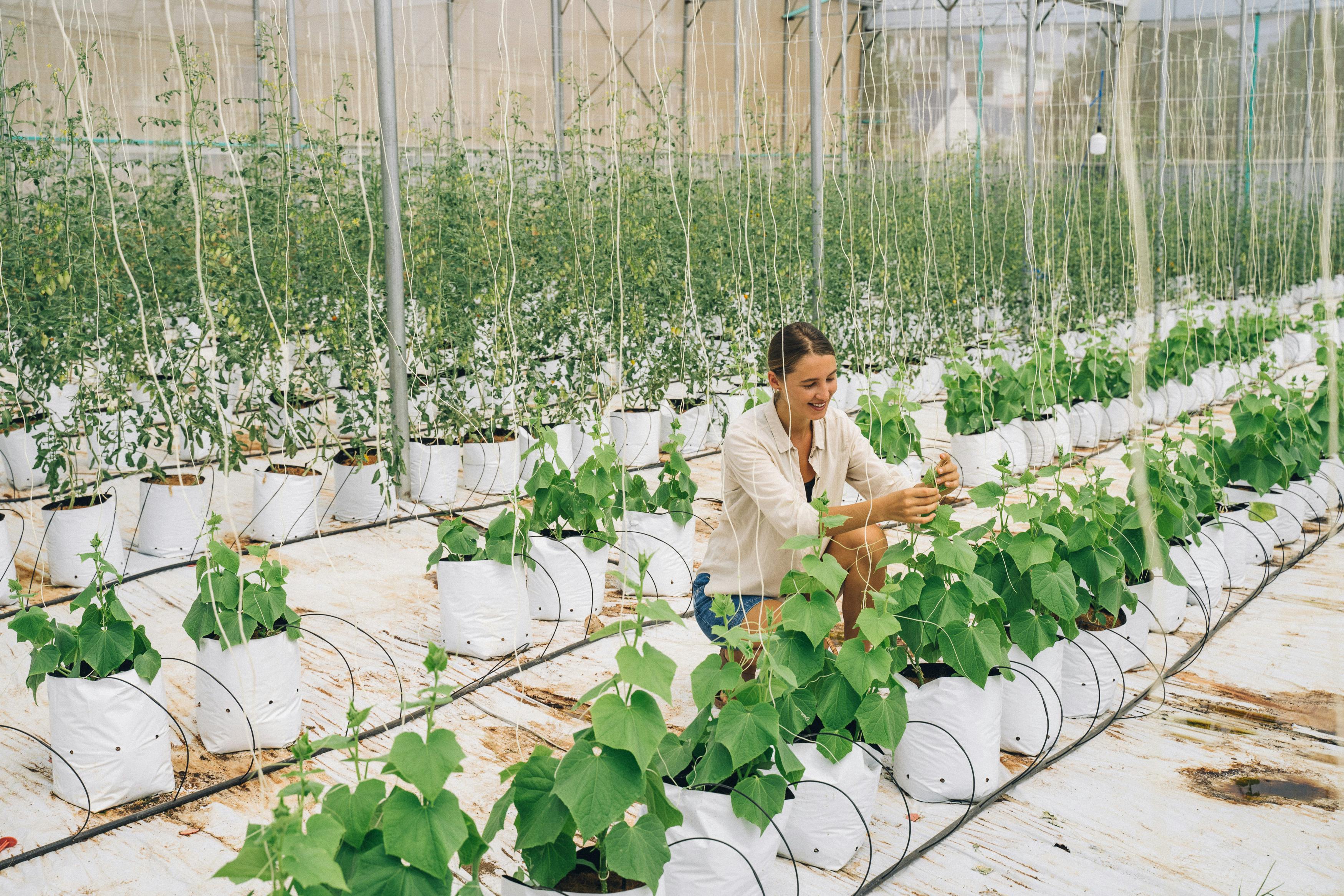
Drip irrigation delivers water directly to plant roots with minimal waste, a vital strategy that complements vertical and urban farming systems. It conserves water and reduces weed growth and soil erosion.
- Install an adjustable drip irrigation system targeting individual plant rows or containers.
- Use timers or moisture sensors to automate watering schedules efficiently.
- Regularly inspect and clean drip emitters to prevent clogging.
Boost your water-use efficiency with the Raindrip R560DP Drip Watering System, available on Amazon.
Explore sustainable organic farming solutions with Biofarm Kenya to gain access to expert guidance and resources tailored for these advanced farming techniques.
Case Studies, Examples, or Comparisons
Nairobi’s slums of Kibera and Mathare showcase the social impact of vertical farming through sack gardening and small-scale hydroponic systems. These urban farmers have increased food availability and generated income while promoting community engagement. According to the Food and Agriculture Organization (FAO), vertical farming can reduce urban food insecurity significantly by enabling fresh produce growth near consumer markets.
In Murang'a County, Royal Seedlings has pioneered vertical farming in greenhouses, utilizing controlled environments to cultivate high-value crops sustainably. They incorporate soil and water testing, precision nutrient delivery, and environmental controls to maximize yields year-round.
A comparison of traditional versus vertical farming in these contexts shows vertical farming achieves up to 70% higher yield per square meter while reducing water use by nearly 90%, proving its transformative potential for Kenyan agribusiness.
Common Mistakes to Avoid
- Ignoring Soil and Water Testing: Overlooking soil nutrient and pH status can lead to poor crop growth. Use quality Soil Testing Kits to monitor and amend soil properly.
- Poor Water Management: Too much or too little watering harms plants. Employ drip irrigation systems and moisture sensors for precision.
- Neglecting Pest and Disease Monitoring: Even in controlled environments, pests can invade. Integrated pest management and preventative steps are necessary.
- Choosing Unsuitable Crop Varieties: Select crops optimized for vertical and hydroponic farming to ensure success.
- Overlooking Maintenance: Regular cleaning and system checks prevent failures in hydroponics and aquaponics.
Expert Tips or Best Practices
For Kenyan farmers adopting vertical farming, here are practical tips:
- Invest in Quality Organic Fertilizers: Use natural fertilizers that can be integrated in hydroponic nutrient solutions to improve crop health without chemicals.
- Regularly Test Your Growing Medium and Water: Keep plant environments optimal with kits like Organic Soil & Water Testing Kit.
- Embrace Modular Greenhouses: They shield crops from pests and weather while offering controlled environments. Consider small-scale greenhouse kits for starters.
- Train and Consult Experts: Partner with organizations like Biofarm Kenya for sustainable organic farming mentorship and resources.
These practices help optimize resource use and crop output in the vertical farming context.
Future Trends or Predictions
The future of vertical farming in Kenya is promising with emerging trends such as:
- Smart Irrigation Systems: AI and IoT-enabled sensors that monitor humidity, temperature, and soil health to automate watering precisely.
- AI-Driven Crop Monitoring: Drones and cameras for early pest detection and growth tracking.
- Renewable Energy Integration: Solar-powered vertical farms reducing energy costs and carbon footprints.
- Expansion of Urban Farming Networks: Increased collaboration between farmers, tech innovators, and policy makers to scale vertical farming solutions nationally.
Conclusion
The Vertical Farming Revolution offers Kenya a sustainable pathway to overcome land scarcity, water shortages, and food insecurity challenges. By adopting smart growing technologies like hydroponics, aquaponics, and drip irrigation, farmers can improve yields and reduce environmental impacts. Tools such as soil testing kits and modular greenhouse kits further empower farmers with precision and control.
Discover trusted organic farming tools on Amazon and learn more about sustainable solutions with Biofarm Kenya.
FAQs
1. What is vertical farming and how does it work?
Vertical farming is the practice of growing crops in vertically stacked layers or controlled environments such as warehouses or greenhouses. It often uses hydroponic or aeroponic systems that do not require soil. This method maximizes space and reduces water use by recycling nutrients in closed systems. For a detailed explanation, see FAO Sustainable Crop Production.
2. How can vertical farming benefit Kenyan urban communities?
Vertical farming allows residents in crowded urban areas to grow fresh produce without needing large land parcels. It can reduce food insecurity, lower transportation costs, and provide job opportunities. Nairobi's slums have adopted sack gardening as part of this movement. More context is available from Kenya National Environment Management Authority.
3. What crops grow best in vertical farming systems?
Leafy greens (lettuce, spinach), herbs (basil, mint), strawberries, and other high-value, fast-growing crops are ideal for vertical farming. These crops have short growing cycles and thrive in hydroponic or aeroponic systems. This is supported by research from the Kenya Ministry of Agriculture.
4. What equipment do I need to start a vertical farm?
Essential equipment includes shelving or racks for vertical stacking, grow lights, nutrient delivery systems (hydroponics or aeroponics), water pumps, irrigation kits, and climate control tools. Additionally, soil or water testing kits enhance precision. You can find recommended starter kits on Amazon or through Biofarm Kenya.
5. Is vertical farming expensive to set up?
Initial costs can be higher than traditional farming due to equipment and technology investments. However, operational savings on water, land, and reduced chemical use, plus higher yields, balance costs over time. Grants and partnerships with sustainability programs can help reduce barriers. The Nutritional Fund Kenya offers financing options.
6. How can I maintain plant health in vertical farming?
Monitoring nutrient levels, water quality, and environmental conditions is key. Use testing kits regularly and adjust nutrient solutions accordingly. Implement integrated pest management even in controlled environments. For expert advice and support, consult Biofarm Kenya.


0 Comments