

Estimated Reading Time: 9 minutes
TL;DR:
- Vertical farming is a transformative and sustainable method rapidly being adopted in Kenya to address food security and urban agriculture challenges.
- The Most Profitable Farming Ideas of 2026 include vertical farming technologies such as hydroponics, aeroponics, and aquaponics, which maximize yields and resource efficiency.
- Kenyan farmers can boost productivity with innovations such as drip irrigation kits and reliable soil testing kits, ideally paired with organic fertilizers for sustainable soil management.
- Successful urban and smallholder Kenyan farms illustrate the viability of vertical farming for food security and poverty reduction, supported by policies and partnerships.
- Avoiding common mistakes in soil fertility management and irrigation system design ensures optimal crop health and profitability in vertical farming setups.
Table of Contents
Introduction
Kenya's agricultural sector is undergoing a significant transformation with sustainable innovations that embrace modern technology and ecological balance. Among the Most Profitable Farming Ideas of 2026, vertical farming stands out as a promising approach to sustainably increase food production, especially in urban areas where space is limited. This method not only optimizes yield but also conserves water and soil resources, making it an ideal solution to challenge the growing food security concerns in Kenya and East Africa.
As the demand for fresh, organic produce escalates, farmers and agripreneurs are turning to vertical farming to balance profitability with sustainability. This article explores the latest insights, practical strategies, and case studies from Kenya’s agricultural landscape to equip farmers, investors, and extension officers with actionable knowledge on vertical farming and related sustainable practices.
Background & Context
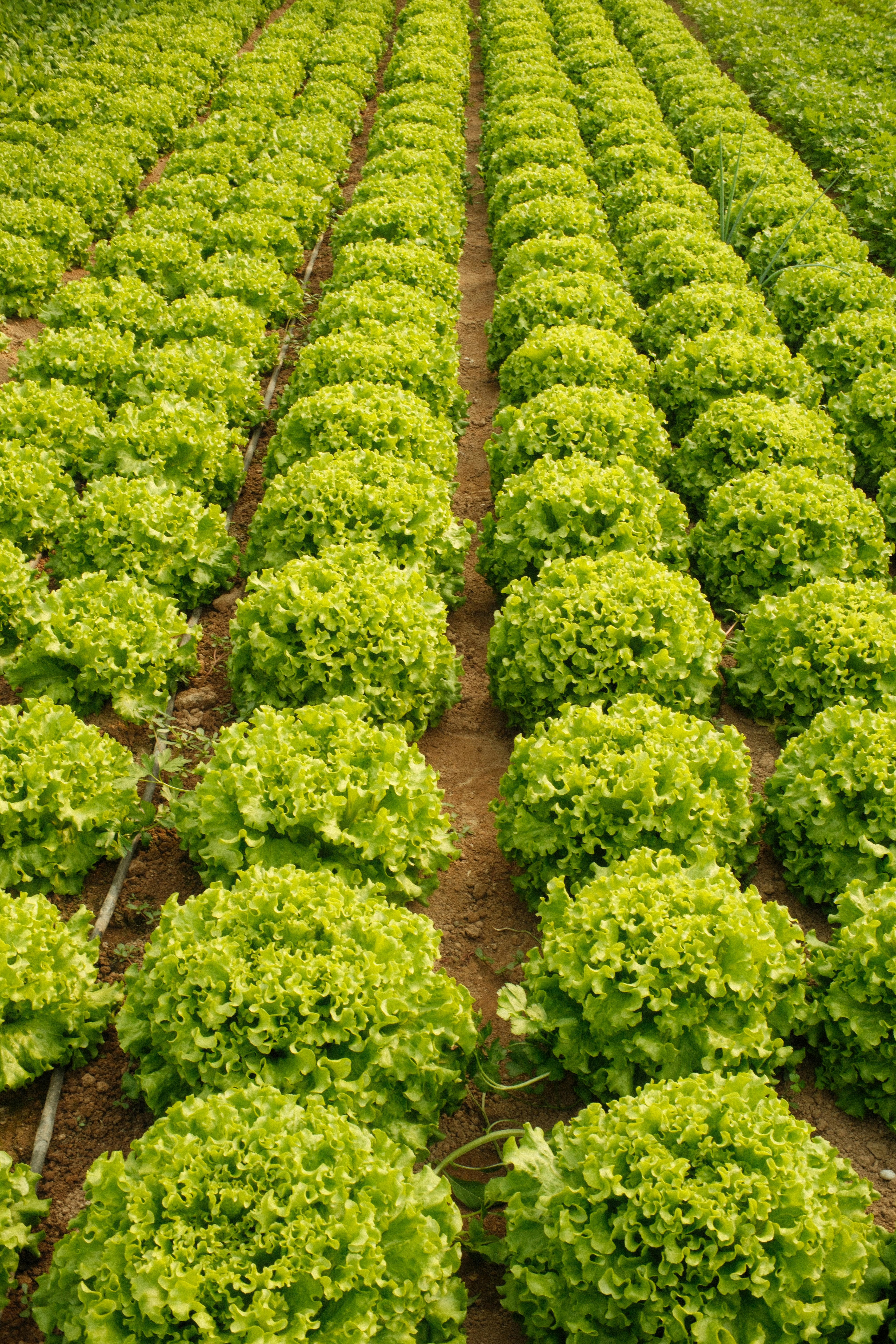
Kenya’s organic farming sector has seen considerable growth, with the country's organic exports valued at over $50 million annually and a steady rise in domestic organic food consumption. However, challenges such as small landholding sizes, soil degradation, and water scarcity continue to hamper traditional farming. Vertical farming emerges as a game-changing solution by enabling crop production in stacked layers using hydroponic, aeroponic, or aquaponic systems, often under controlled environments.
According to multiple studies, vertical farms in Kenya can reduce water use by up to 90% compared to conventional farming methods while increasing crop yields by 3 to 10 times per square meter of land. This approach supports sustainable agriculture goals by enhancing food security, reducing land pressure, and promoting eco-friendly farming practices tailored for urban and peri-urban settings.
Key Insights or Strategies

1. Implement Hydroponics for Soil-Less Cultivation
Hydroponic vertical farming uses nutrient-rich water solutions to grow plants without soil, allowing higher yields and faster crop cycles.
- Select suitable crops such as leafy greens, herbs, and strawberries which thrive in hydroponic systems.
- Set up nutrient delivery systems with automated dosing for precision feeding.
- Monitor environmental conditions (humidity, temperature, and light) using simple sensors and adjust for optimal growth.
Boost your hydroponic system success with the Soil pH & Moisture Tester Kit – available on Amazon, a handy tool for ensuring nutrient balance and moisture control.
2. Optimize Water Use with Drip Irrigation Systems
Drip irrigation delivers water directly to plant roots, reducing wastage and promoting efficient water use, which is critical in Kenya’s arid and semi-arid regions.
- Install drip irrigation kits that include adjustable emitters to cater to different crop water needs.
- Use timers to automate watering schedules and prevent overwatering.
- Regularly inspect drip lines for leaks or blockages to maintain system efficiency.
Consider the CARPATHEN Drip Irrigation System Kit for easy installation and water savings in small farms or greenhouses.
3. Use Soil Testing Kits for Precision Fertilization
Knowing your soil’s nutrient profile aids in applying the right organic fertilizers and amendments, avoiding nutrient deficiencies or toxicities.
- Collect soil samples from multiple spots in your farm for representative testing.
- Use soil testing kits to measure pH, nitrogen, phosphorus, and potassium levels.
- Apply organic fertilizers and mineral amendments guided by soil test results.
Reliable kits like the Premium Soil Test Kit 40 Tests are available for do-it-yourself kits suited for smallholder farmers.
Explore sustainable organic farming solutions with Biofarm Kenya to find expert guidance and appropriate inputs for your vertical farm.
Case Studies, Examples, or Comparisons
Consider urban farming initiatives in Nairobi slums like Kibera, where vertical farming techniques such as sack gardening and small-scale hydroponics have empowered local communities to produce fresh vegetables in limited spaces, tackling food insecurity and poverty simultaneously.
In Murang’a County, Royal Seedlings leads an initiative deploying vertical farming with hydroponics and aquaponics that conserves water resources and produces high yields year-round. The integration of fish farming with horticulture is gaining traction for its synergies in nutrient cycling and income diversification.
According to the Food and Agriculture Organization (FAO), vertical farming systems in East Africa could significantly reduce post-harvest losses and urban food deserts by localizing production and reducing transportation needs.
Common Mistakes to Avoid
- Poor water management: Overwatering or under-watering leads to root diseases or nutrient stress. Use precise irrigation scheduling.
- Ignoring nutrient balances: Excessive use of fertilizers leads to environmental harm and reduced crop quality. Rely on soil testing for tailored fertilization.
- Inadequate system cleaning: Failure to clean hydroponic or irrigation systems regularly invites disease outbreaks. Maintain sanitation protocols.
- Neglecting environmental parameters: Lack of monitoring of light, temperature, and humidity can stunt plant growth. Employ local sensors or manual checks.
- Insufficient training: Farmers jumping into vertical farming without adequate knowledge face high failure rates. Invest in learning and extension support.
Expert Tips or Best Practices
Optimize vertical farming success with these practical tips:
- Start small and scale gradually: Test vertical farming setups on a small scale to understand challenges and refine processes before large investments.
- Leverage local organic inputs: Use locally sourced organic compost and amendments to nourish plants sustainably.
- Invest in quality planting materials: Healthy seeds and seedlings ensure better crop establishment and high yields.
- Incorporate integrated pest management (IPM): Combine biological and cultural control methods to reduce pesticide use.
Maintain healthy soil and encourage beneficial microbes with the Organic Compost Starter Mix, which supports nutrient-rich growth media for your vertical farm.
Explore sustainable organic farming solutions with Biofarm Kenya for locally adapted resources and expert advice to enhance your farm productivity and sustainability.
Future Trends or Predictions
The future of vertical farming in Kenya is bright, buoyed by innovations such as:
- Smart irrigation systems: Automated and sensor-driven watering reduces waste and improves yields.
- AI-driven crop monitoring: Use of drones and AI to monitor plant health and detect diseases early.
- Expansion of urban vertical farms: Integration into urban planning to support food security and green city initiatives.
- Integration with renewable energy: Solar-powered vertical farms reduce operational costs and environmental impact.
Kenya’s tech-savvy youth and start-ups are pioneering these innovations, positioning the country as a regional leader in sustainable agribusiness by 2030.
Conclusion
Vertical farming represents one of the Most Profitable Farming Ideas of 2026 and beyond, specifically suited to Kenya’s unique agricultural and climatic challenges. By adopting smart cultivation techniques, efficient irrigation, and precise soil management tools, Kenyan farmers can boost yields sustainably and profitably.
Discover trusted organic farming tools on Amazon and learn more about sustainable solutions with Biofarm Kenya. Embracing these innovations provides a pathway to resilient agriculture, environmental stewardship, and improved livelihoods.
FAQs
- What is vertical farming and why is it important for Kenya?
- Vertical farming is the practice of growing crops in layered structures indoors or in controlled environments. It is important for Kenya because it maximizes limited land use, conserves water, and supports food security in urban areas. (Source: FAO)
- Which crops are best suited for vertical farming in Kenya?
- Leafy greens such as kale and spinach, herbs like basil and mint, and fruits such as strawberries thrive in vertical farming systems due to their fast growth and high value. (Source: Biofarm Kenya)
- How can I start vertical farming on a small scale?
- Begin with a simple hydroponic or sack gardening setup in a small space, learn to monitor plant needs, and scale as you gain experience. Access training resources and organic inputs through partners like Biofarm Kenya. (Source: NEMA)
- What are the best irrigation systems for vertical farming in Kenya?
- Drip irrigation and automated watering systems are efficient for vertical farms as they deliver water directly to roots, reducing waste and improving plant health. (Source: Kenya Agricultural Authority)
- How do organic fertilizers benefit vertical farming?
- Organic fertilizers improve soil health, enhance nutrient availability, and support beneficial microbial activity essential for healthy plant growth, making vertical farming more sustainable. (Source: KEBS)
- Where can I find reliable organic farming supplies in Kenya?
- Biofarm Kenya offers a trusted platform connecting farmers to organic inputs, advisory services, and sustainable farming innovations tailored to Kenyan contexts. Visit Biofarm Kenya Partners for more.
FAO | NEMA | Kenya Agricultural Authority | KEBS | Biofarm Kenya Partners


0 Comments