

Estimated Reading Time: 12 minutes
TL;DR:
- Vertical farming is rapidly expanding in Kenya as one of the Most Profitable Farming Ideas in 2026, using advanced water-saving technologies and soil-less growing methods.
- It offers up to 90% water savings compared to traditional farms, making it ideal for Kenya’s changing climate and urban settings.
- Key strategies involve integrating drip irrigation, organic fertilizers, and compact greenhouse kits to maximize yield and sustainability.
- Successful Kenyan farmers adopting vertical farming confirm improved productivity, reduced pest problems, and economic viability.
- Future trends include AI crop monitoring, smart irrigation, and increased organic inputs, partnering with Biofarm Kenya can connect farmers to sustainable resources.
Key Takeaways:
- Adopt vertical farming to capitalize on land scarcity and water efficiency as Kenya’s agribusiness grows.
- Use automated drip irrigation and organic soil enhancers to optimize soil health and crop yield.
- Invest in small greenhouse kits and soil testers to maintain controlled growing environments.
- Learn from case studies of Kenyan farmers who successfully transitioned to vertical and greenhouse farming.
- Explore sustainable organic farming solutions with Biofarm Kenya for expert guidance and support.
Table of Contents
- Introduction
- Background & Context
- Key Insights or Strategies
- Case Studies, Examples, or Comparisons
- Common Mistakes to Avoid
- Expert Tips or Best Practices
- Future Trends or Predictions
- Conclusion
- FAQs
Introduction
Kenya’s agricultural landscape is evolving rapidly, and Most Profitable Farming Ideas in 2026 increasingly revolve around sustainable innovations like vertical farming. This method maximizes crop production per square meter using controlled indoor environments, soil-less techniques, and water-efficient systems. With Kenya’s population growth and urban expansion placing pressure on arable land and freshwater resources, vertical farming stands out as a transformative approach to food security and agribusiness growth.
Farmers and agripreneurs are actively exploring vertical farming to boost yields, reduce environmental impact, and meet rising market demand for fresh, organic produce. This article explores the background of vertical farming in Kenya, key strategies, successful local examples, common pitfalls, expert advice, and future trends shaping the sector.
Background & Context
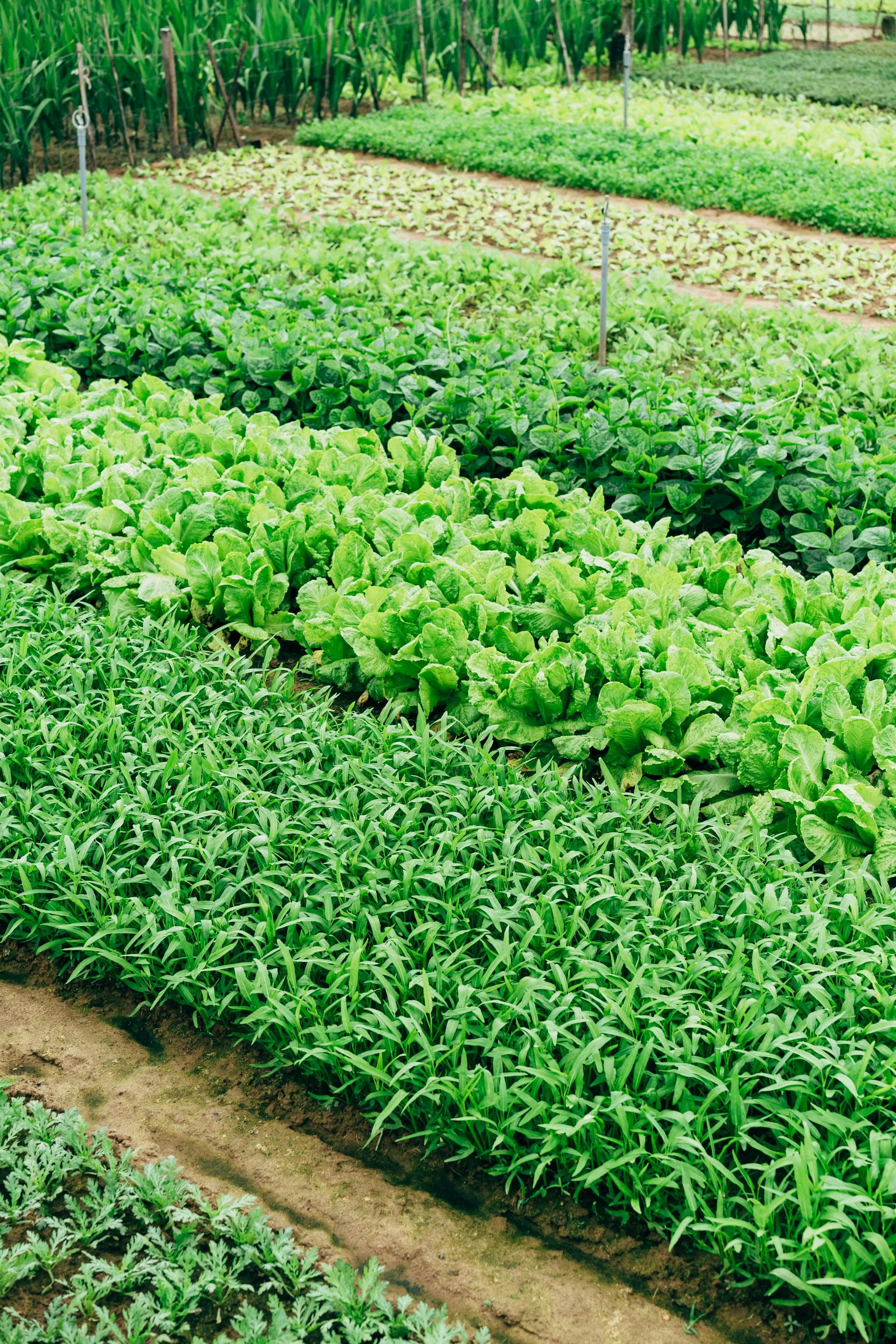
Organic farming and sustainable agriculture have witnessed significant growth in Kenya. Approximately 20% of Kenya's agricultural output now includes organic crops, with increasing numbers of farmers adopting eco-friendly methods to maintain soil fertility and reduce chemical inputs. Vertical farming complements these sustainable efforts by growing crops in layered vertical stacks indoors or in greenhouses, dramatically improving land-use efficiency.
Kenya’s agribusiness sector is expected to grow by at least 7% annually in the next five years, led by innovative farming solutions. The country faces challenges such as land degradation, erratic rainfall, and freshwater scarcity — issues vertical farming addresses by offering intensive production with minimal land and water use. In fact, vertical farms in Kenya use up to 90% less water compared to conventional farming methods, employing recirculated hydroponic or aeroponic systems that conserve this vital resource.
Key Insights or Strategies

1. Integrate Efficient Drip Irrigation Systems
Water conservation remains paramount in Kenya’s arid and semi-arid regions. Vertical farms that combine drip irrigation with soil moisture sensors ensure precise water delivery directly to plant roots, minimizing wastage.
- Install drip irrigation kits tailored to your vertical farm size. Consider modular systems that grow with your operation.
- Use soil pH and moisture testers regularly to tune water and nutrient applications and prevent overwatering.
- Automate irrigation with timers linked to environmental sensors to adapt water schedules based on plant needs.
Boost your yields with the CARPATHEN Drip Irrigation System Kit – available on Amazon, designed for efficient, consistent watering in compact growing spaces.
2. Employ Organic and Mineral Soil Amendments
Vertical farming often depends on soilless media or nutrient solutions, yet growing medium fertility remains key. Organic fertilizers enhance microbial activity and nutrient cycling, improving plant health.
- Use organic bone meals, blood meal fertilizers, or humic/fulvic acid supplements for nutrient-rich growing media.
- Regularly test nutrient concentrations in hydroponic solutions or soil mixes to optimize formulations.
- Minimize synthetic chemical use to maintain organic certification possibilities and ecological balance.
For reliable organic nutrient boosts, try Blood Meal 45lb Bag on Amazon—a natural, nitrogen-rich fertilizer ideal for leafy greens and herbs.
3. Utilize Compact Greenhouse Kits for Climate Control
Small-scale growers benefit from affordable greenhouses that extend growing seasons and protect crops from pests and extreme weather.
- Select portable, walk-in greenhouse kits sized appropriately for your farm.
- Ensure ventilation systems and shading for optimal temperature regulation.
- Use multi-tier shelving inside greenhouses to maximize vertical growing space efficiently.
A versatile option is the EAGLE PEAK 8x6 Portable Walk-in Greenhouse available on Amazon, excellent for year-round crop production in East African climates.
Explore sustainable organic farming solutions with Biofarm Kenya to access expert advice, training, and quality inputs tailored to your vertical farming journey.
Case Studies, Examples, or Comparisons
Several Kenyan farmers and agribusinesses are pioneering vertical and greenhouse farming with notable success. For instance, Nairobi-based startups use vertical hydroponic towers to grow kale, spinach, and herbs supplying urban markets. These farms report up to 4x increased yields on less land, with shorter crop cycles and reduced pest infestations.
According to the Food and Agriculture Organization (FAO), adopting such technologies aligns with Kenya’s national agricultural development goals by promoting sustainable food systems and climate resilience.
Greenhouse farmers in regions like Kiambu and Nakuru have successfully increased production of tomatoes and peppers through controlled environment farming, extending growing seasons and improving quality despite erratic weather.
Common Mistakes to Avoid
While vertical farming offers many benefits, common pitfalls include:
- Poor water management: Overwatering or inefficient irrigation leads to water waste and root diseases. Always calibrate drip systems and monitor moisture levels.
- Neglecting nutrient balance: Relying heavily on synthetic inputs without organic amendments can deplete micronutrients and reduce soil microbiota health.
- Ignoring pest and disease signs: Enclosed vertical farms can foster rapid disease spread if hygiene and monitoring are lax. Regular inspection is critical.
- Choosing unsuitable greenhouse materials: Cheap plastics that degrade quickly reduce protection and increase replacement costs.
Correct these missteps by investing in quality inputs, continuous monitoring, and training through trusted partners like Biofarm Kenya.
Expert Tips or Best Practices
Successful vertical farming depends on combining technology with indigenous knowledge:
- Maintain soil or media health: Incorporate organic compost starter mixes regularly to feed plants and microbial communities. Try this Organic Compost Starter Mix available on Amazon.
- Use modular systems: Start small, scale vertically using stackable trays or NFT (Nutrient Film Technique) setups.
- Regularly clean hydroponic components: Prevent biofilm buildup and nutrient imbalances.
- Engage with agricultural support groups: Join networks like Biofarm Kenya for updated best practices and market access.
Visit Explore sustainable organic farming solutions with Biofarm Kenya to connect with expertise and resources tailored to your vertical farm.
Future Trends or Predictions
The future of vertical farming in Kenya and East Africa looks promising with exciting innovations:
- Smart irrigation systems: AI-driven soil moisture and weather-adaptive watering reduce waste, optimize growth.
- AI-based crop monitoring: Computer vision technology detects early pest/disease signs, nutrient deficiencies.
- Expansion of urban vertical farms: Rooftop and indoor farms in Nairobi and Mombasa will boost fresh produce availability close to consumers.
- Organic and recycled growing media: Sustainable media sourced from agricultural waste will become mainstream.
These advances, combined with partnerships such as with Biofarm Kenya, will accelerate the sector's growth and sustainability.
Conclusion
Vertical farming represents one of the Most Profitable Farming Ideas in 2026 for Kenyan agriculture. It addresses land scarcity, water conservation, and climate challenges while boosting productivity. By integrating drip irrigation systems, organic fertilizers, and compact greenhouse kits, farmers can achieve sustainable, intensive cultivation with improved profitability.
Discover trusted organic farming tools on Amazon and learn more about sustainable solutions with Biofarm Kenya. These resources provide essential support to maximize your vertical farming success and promote environmentally friendly agribusiness in East Africa.
FAQs
1. What is vertical farming and why is it suitable for Kenya?
Vertical farming is the practice of growing crops in vertically stacked layers, often using controlled environments such as greenhouses or indoor farms. It suits Kenya due to land constraints and water scarcity, offering up to 90% water savings and higher yields per square meter. Learn more at FAO on vertical farming.
2. How much water does vertical farming save compared to traditional methods?
Vertical farming can reduce water use by up to 90%, primarily through recirculating hydroponics and drip irrigation systems that directly target plant roots and minimize evaporation. This efficiency is critical in Kenya's drought-prone areas (NEMA Kenya).
3. What kinds of crops can be grown using vertical farming in Kenya?
Leafy greens, herbs, small fruits, tomatoes, and peppers are commonly grown vertically. These crops grow well indoors due to shorter growing cycles and controlled environmental needs. See Kenya Ministry of Agriculture guidance for crop recommendations.
4. Are there affordable options for greenhouse kits suitable for small farms?
Yes, portable and mini greenhouse kits with sturdy frames and PE covers are widely available. They protect crops from pests and weather while extending growing seasons. Reliable models can be found via vendors like Biofarm Kenya partners.
5. How can farmers ensure nutrient-rich growing media in vertical farms?
Combining organic amendments like blood meal and humic acids with mineral supplements maintains nutrient balance and microbial diversity. Regular testing and adjustments are essential. The Kenya Bureau of Standards (KEBS) provides guidelines for organic fertilizer quality.
6. Where can Kenyan farmers find support and resources to start vertical farming?
Farmers can access training, inputs, and technical advice through platforms like Biofarm Kenya which collaborates with experts and suppliers to promote sustainable organic agriculture.


0 Comments