

Estimated Reading Time: 12 minutes
TL;DR:
- Regenerative agriculture revolutionizes farming industry in Kenya by improving soil health and climate resilience.
- Smallholder farmers adopting climate-smart, sustainable practices see increased yields and income.
- Key strategies include soil restoration, use of organic fertilizers, water-efficient irrigation (e.g., drip irrigation), and greenhouse adoption.
- Avoid common mistakes such as overusing chemical fertilizers and poor soil management.
- Future trends include AI-driven crop monitoring, vertical farming, and smart irrigation systems.
Key Takeaways:
1. Incorporate regenerative agriculture principles to boost soil fertility and sustainable yields.
2. Use organic fertilizers like worm castings to enrich soil health naturally.
3. Implement drip irrigation systems for efficient water use in semi-arid regions.
4. Utilize soil testing kits regularly to monitor nutrient levels and adjust management.
5. Explore sustainable organic farming solutions with Biofarm Kenya for expert support.
Introduction
Kenya's agricultural sector is undergoing a transformative shift with regenerative agriculture revolutionizing farming industry. This innovative approach focuses on restoring soil health, enhancing biodiversity, and building climate resilience while increasing farmer livelihoods sustainably. In response to challenges such as climate change, degraded soils, and water scarcity, regenerative agriculture offers smallholders in Kenya a lifeline towards productive and sustainable farming. With growing awareness and adoption, this revolution is shaping the future of agribusiness in Kenya and East Africa.
Background & Context
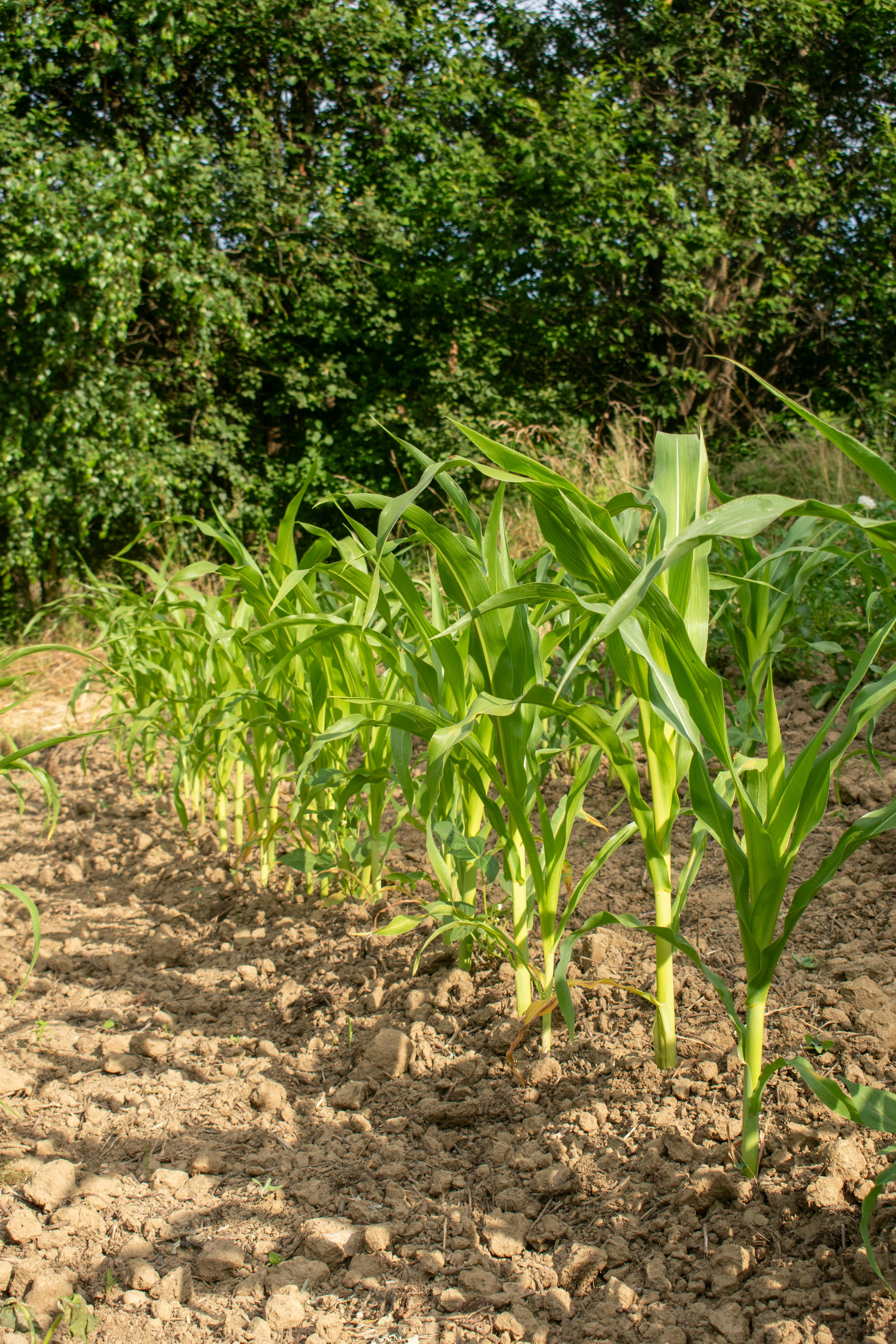
Kenya’s agricultural landscape is incredibly varied, with over 70% of its population dependent on farming. Recent statistics show increasing interest in organic and regenerative practices to combat soil degradation and climatic shocks. The Food and Agriculture Organization (FAO) notes that Kenya's arid and semi-arid lands, covering nearly 80% of the country, face recurrent droughts impacting food security. Organic farming and regenerative agriculture help rehabilitate the soil, increase soil organic matter, and improve water retention.
According to the Strengthening Regenerative Agriculture in Kenya (STRAK) project led by Farm Africa, more than 60,000 smallholder farmers have benefited from regenerative agriculture techniques since 2017. These techniques have led to a remarkable improvement in soil fertility, yield stability, and income levels, promoting a sustainable agribusiness growth trajectory.
Key Insights or Strategies
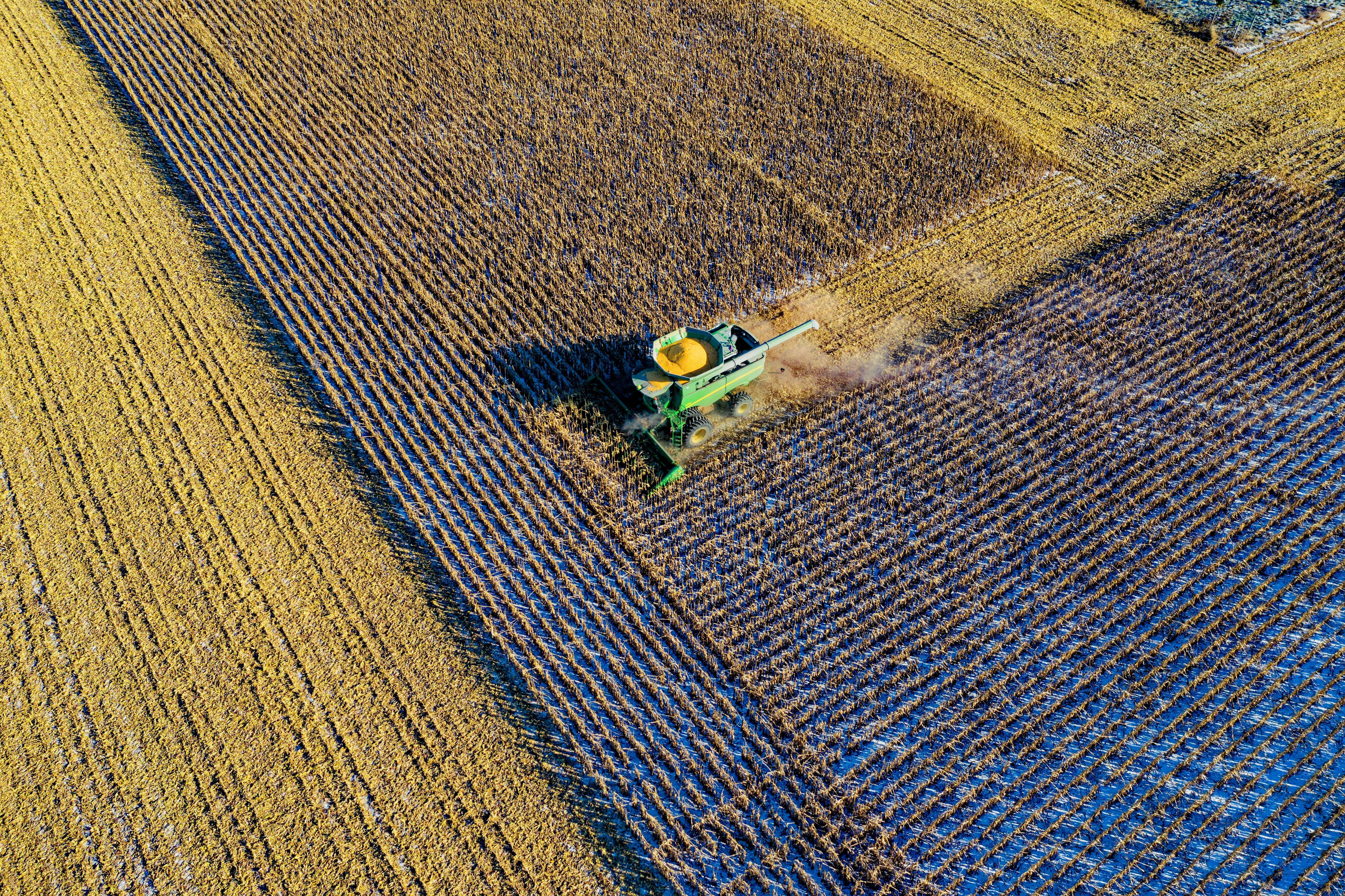
1. Restore Soil Health Through Organic Inputs
The foundation of regenerative agriculture is healthy soil. Moving away from chemical fertilizers towards organic inputs like compost, manure, and worm castings nurtures soil microorganisms and enhances nutrient cycles.
- Introduce organic fertilizers such as the Natural Organic Fertilizer – Recreational Indoor Rare Gardens and More available on Amazon for improved soil vitality.
- Incorporate crop residues and cover crops to protect soil surface and add biomass.
- Practice crop rotation to diversify and replenish nutrients in the soil.
2. Efficient Water Management Using Drip Irrigation
Water scarcity remains a major challenge in Kenyan farming systems, especially in semi-arid regions. Drip irrigation delivers water directly to the plant roots, minimizing wastage and maximizing efficiency.
- Adopt drip irrigation kits such as the Raindrip R560DP Drip Watering System perfect for smallholder setups.
- Schedule irrigation based on plant water needs and soil moisture monitoring.
- Combine water-saving irrigation with mulching to reduce evaporation rates.
3. Regular Soil Testing to Guide Management
Understanding your soil nutrient profile is critical to prevent overuse or underuse of fertilizers.
- Use easy-to-use soil testing kits like the MySoil Soil Test Kit to monitor pH and key nutrients.
- Adjust fertilizer and amendment applications based on test results for balanced nutrition.
- Keep records of soil tests annually to track progress in soil health.
Explore sustainable organic farming solutions with Biofarm Kenya to access resources and expert support for implementing these strategies.
Case Studies, Examples, or Comparisons
In Eastern Kenya’s semi-arid regions, the STRAK project demonstrated regenerative agriculture’s impact on improving resilience. Over 90% of farmers surveyed adopted methods like crop diversification, organic inputs, and water conservation techniques. This transition resulted in significant yield increases for maize, beans, and sorghum and improved income security for families (AGRA, 2024).
Additionally, farmers participating in the Mount Kenya Sustainable Landscape and Livelihoods (MSuLLi) program reported reduced soil erosion through terracing, and better moisture retention using cover crops and mulching. For example, Christine, a coffee farmer, improved her harvest quality and obtained premium prices thanks to the Rainforest Alliance certification allied with regenerative practices (Rainforest Alliance, 2023).
These cases highlight the potential of combining sustainable farming techniques with market access and training for long-term agricultural transformation in Kenya.
Common Mistakes to Avoid
While regenerative agriculture promises many benefits, certain mistakes can hinder success:
- Over-reliance on chemical fertilizers: This degrades soil life and reduces resilience. Instead, integrate organic matter regularly.
- Poor soil management: Neglecting cover crops and proper crop rotations can lead to nutrient depletion and erosion.
- Inefficient irrigation: Flood or sprinkler irrigation wastes water and can lead to runoff. Adopt drip irrigation systems for precision watering.
- Ignoring soil testing: Applying fertilizers without testing leads to imbalances and wasted resources.
Correcting these errors through education and use of appropriate tools is vital for sustainable farming success.
Expert Tips or Best Practices
For farmers aiming to fully embrace the regenerative agriculture revolution:
- Maintain soil health through regular addition of organic compost. A quality product like Organic Compost Starter Mix can accelerate the process by introducing beneficial microbes.
- Implement mulching to reduce evaporation and supress weeds, which helps conserve moisture especially in dry zones.
- Consider using greenhouse kits such as the 6x6FT Small Green House for Outside, Heavy Duty Polycarbonate as a controlled environment to extend growing seasons and protect seedlings.
- Regularly join or consult groups like those supported by Biofarm Kenya for up-to-date knowledge and market linkages.
Explore sustainable organic farming solutions with Biofarm Kenya for personalized expert advice, training, and product sourcing.
Future Trends or Predictions
The future of regenerative agriculture in Kenya will be shaped by smart technologies and innovations including:
- AI-driven crop monitoring: Using drones and sensors to collect real-time data on plant health and soil moisture to optimize inputs.
- Vertical farming: Urban and peri-urban farmers will increasingly adopt vertical farming to maximize space and reduce resource use.
- Smart irrigation systems: Integration of automated drip irrigation kits with IoT technology will enhance water efficiency.
- Policy support: Kenyan county governments are now integrating regenerative agriculture into climate plans, ensuring sustained investment and expansion.
Conclusion
In summary, regenerative agriculture revolutionizes farming industry across Kenya by boosting soil health, water efficiency, and farmer incomes. Adopting organic fertilizers, efficient drip irrigation, and soil testing are key actionable steps. Case studies prove the approach’s potential, while future tech trends promise further gains.
Farmers interested in reliable, organic farming inputs can discover trusted tools like those on Amazon. To deepen your regenerative farming journey, learn more about sustainable solutions with Biofarm Kenya.
FAQs
1. What is regenerative agriculture and how does it differ from organic farming?
Regenerative agriculture focuses on restoring soil health, enhancing biodiversity, and improving ecosystem services, often including but broader than organic farming which mainly avoids synthetic chemicals. For details, visit FAO regenerative agriculture page.
2. How can smallholder farmers in Kenya start practicing regenerative agriculture?
Start by using organic fertilizers, implementing crop rotations, minimizing soil disturbance, and conserving water through drip irrigation. Local support is available via Biofarm Kenya.
3. What are the benefits of using drip irrigation in Kenyan farming?
Drip irrigation improves water efficiency, reduces evaporation, and increases yields by delivering water directly to plant roots. More information at NEMA water conservation guidelines.
4. How often should soil testing be conducted?
At least once per year, preferably before planting seasons, to guide nutrient management decisions. Trusted kits are available on Amazon.
5. Are there government initiatives promoting regenerative agriculture in Kenya?
Yes, county governments in Eastern Kenya (Embu, Makueni, Kitui, Tharaka Nithi) have integrated regenerative agriculture into climate and development plans. See updates on the Kenya Ministry of Agriculture site.
6. How can farmers access markets for organically grown produce?
Farmers can seek certification from reputable bodies like Rainforest Alliance and leverage Biofarm Kenya’s market linkages for premium prices. Visit Rainforest Alliance for certification details.


0 Comments