

Estimated Reading Time: 10 minutes
TL;DR: Kenya's booming avocado industry, while economically lucrative, presents a critical 'fitness crisis' for the nation. The surge in 'green gold' production intensifies water scarcity in arid regions, depleting vital resources and exploiting local villages, often at the expense of traditional livelihoods and food security. The benefits disproportionately accrue to a select elite, sidelining smallholder farmers who face market access challenges and receive inadequate compensation. This unsustainable model threatens ecological balance, exacerbates social inequality, and necessitates urgent intervention towards equitable and environmentally sound agricultural practices.
Key Takeaways:
- Resource Depletion: The avocado boom severely strains Kenya's water resources, leading to desertification and impacting other agricultural sectors.
- Social Injustice: Local communities and smallholder farmers are often exploited, facing land disputes and diminished food security while large-scale operations profit.
- Economic Disparity: Despite increased exports, the wealth generated from avocados largely bypasses rural populations, concentrating benefits among powerful elites.
- Environmental Degradation: Intensive avocado farming contributes to habitat loss, soil erosion, and increased pesticide use, threatening biodiversity and ecosystem health.
- Urgent Call to Action: Sustainable farming practices, fair trade policies, and community-centric development are crucial to mitigate the ongoing crisis and ensure long-term well-being.
Kenya's Avocado Boom: A Fitness Crisis Uncovered
In the vibrant landscapes of Kenya, a green revolution is taking root, driven by the insatiable global appetite for avocados. Hailed as 'green gold,' this lucrative crop has seen Kenya emerge as a major player in the international market, promising economic prosperity and development. Yet, beneath this glossy veneer of success lies a deeply unsettling truth: a critical 'fitness crisis' that threatens the very fabric of Kenyan society and its delicate ecosystems. This investigation will delve into how the avocado boom, while enriching a few, exploits villages, drains rivers, and benefits only elites, leaving a trail of environmental degradation and social inequality. We will uncover the hidden costs of this agricultural gold rush, exploring its far-reaching implications for water security, land rights, and the livelihoods of ordinary Kenyans. The narrative of progress often overlooks the silent struggles, and it’s time to shed light on how this coveted fruit is reshaping Kenya, often for the worse.
Background & Context
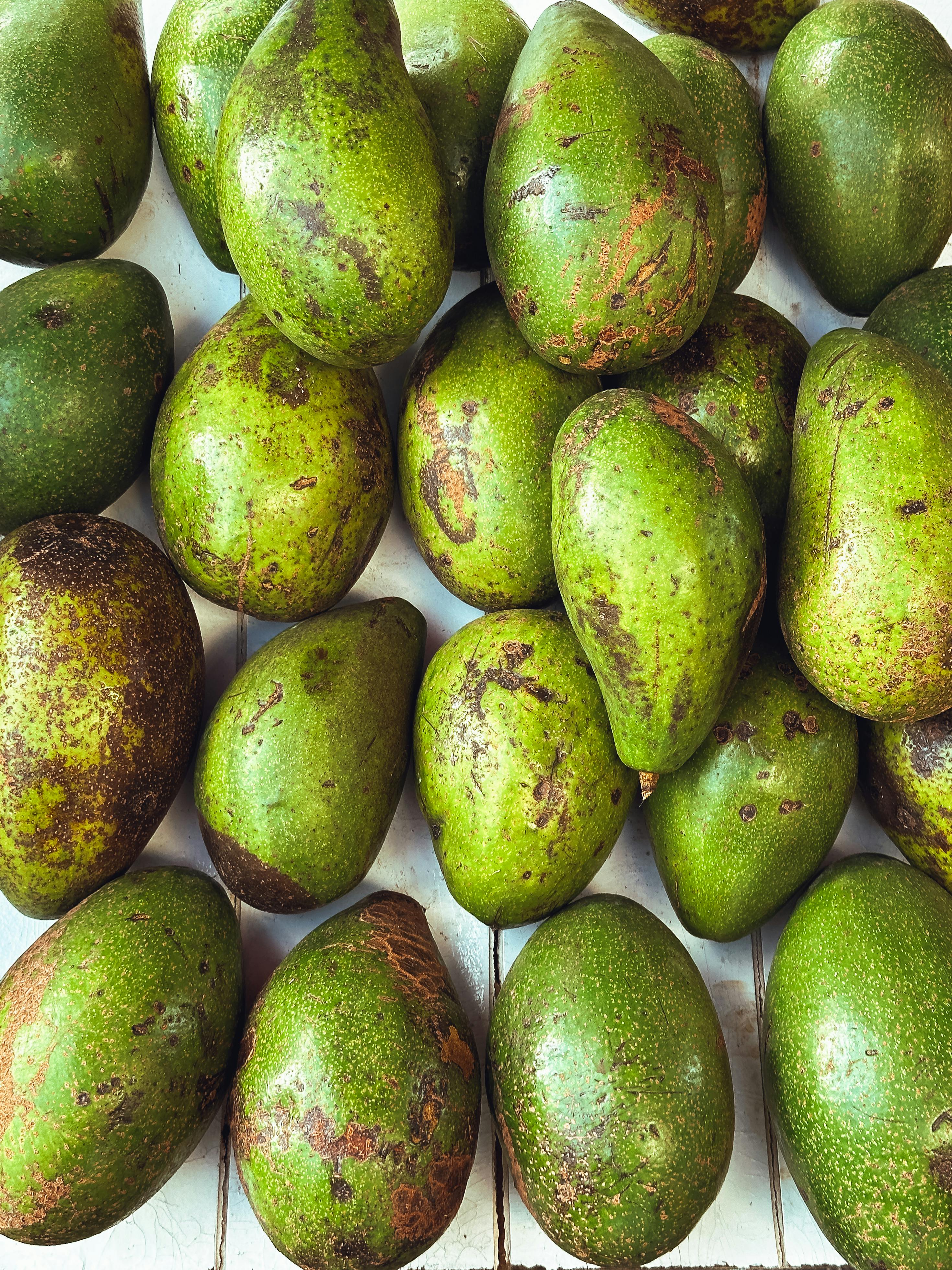
Kenya's journey to becoming a prominent avocado exporter is a story of rapid agricultural expansion. Fueled by rising global demand, particularly from Europe and Asia, avocado cultivation has transformed vast swathes of land, pushing farmers towards a monoculture driven by the promise of high returns. This shift, however, comes at a significant environmental price. Avocados are notoriously water-intensive crops, requiring substantially more water per kilogram than many other fruits. Reports indicate that an average Hass avocado requires approximately 272 litres of water to grow a single fruit, compared to just 8.9 litres for a tomato (Water Footprint Network). In a country already grappling with erratic rainfall and prolonged droughts, this massive water demand places immense pressure on dwindling freshwater resources, particularly in key growing regions like Murang’a, Kisii, and Trans Nzoia. The relentless expansion has also led to concerns about deforestation, as natural habitats are cleared to make way for new orchards, further exacerbating ecological imbalances.
The economic allure of avocados is undeniable, with export earnings consistently rising. However, this wealth is far from evenly distributed. While large commercial farms and powerful exporters reap significant profits, smallholder farmers often find themselves at the mercy of volatile market prices and exploitative intermediaries. Many are coerced into unfavorable contracts or face challenges accessing the lucrative export market directly, limiting their economic upliftment. This perpetuates a cycle where the very individuals whose labor fuels the boom remain on the fringes of its prosperity, highlighting a stark contrast between national economic growth and grassroots development (Oxfam Report).
Key Insights or Strategies
Understanding the Water Crisis
The primary challenge facing Kenya's avocado industry is its unsustainable water footprint. Intensive irrigation practices are depleting groundwater levels and diverting water from local communities and other essential crops. This leads to increased competition for scarce resources, often resulting in conflict and hardship for those dependent on traditional water sources.
- Implement Drip Irrigation: Transitioning from flood or sprinkler irrigation to drip systems can reduce water usage by up to 50%. This targeted delivery ensures water reaches the plant's root zone directly, minimizing evaporation and runoff.
- Rainwater Harvesting: Encourage and incentivize the adoption of rainwater harvesting techniques, especially during the rainy season, to supplement irrigation needs and reduce reliance on freshwater reserves.
- Water Audits and Management Plans: Conduct regular water audits on farms to identify inefficiencies and develop comprehensive water management plans tailored to local ecological conditions.
Ensuring Equitable Benefits for Farmers
The current avocado boom often leaves smallholder farmers vulnerable to exploitation. Lack of market access, limited knowledge of fair pricing, and dependence on middlemen reduce their earning potential significantly. Addressing this requires systemic changes that empower local communities.
- Farmer Cooperatives: Support the formation and strengthening of farmer cooperatives to enable collective bargaining power, better access to markets, and shared resources for quality control and logistics.
- Direct Market Linkages: Facilitate direct relationships between smallholder farmers and exporters or international buyers, cutting out exploitative intermediaries and ensuring a larger share of profits for growers.
- Fair Trade Certification: Promote and subsidize fair trade certification for avocados, guaranteeing ethical sourcing, fair prices, and decent working conditions, which can attract conscious consumers.
Promoting Biodiversity and Soil Health
Monoculture avocado farming, while efficient, can lead to reduced biodiversity, increased pest susceptibility, and degraded soil health. Diversifying agricultural practices is crucial for long-term sustainability.
- Agroforestry Practices: Integrate trees and shrubs into avocado orchards to enhance biodiversity, improve soil fertility, and provide additional income streams for farmers.
- Organic Fertilizers and Pest Control: Encourage the use of organic composting and natural pest control methods to reduce reliance on harmful chemical pesticides and fertilizers, protecting soil and water quality.
- Crop Rotation and Diversification: Advocate for crop rotation in non-avocado areas and encourage diversification with less water-intensive, indigenous food crops to bolster local food security and ecological resilience.
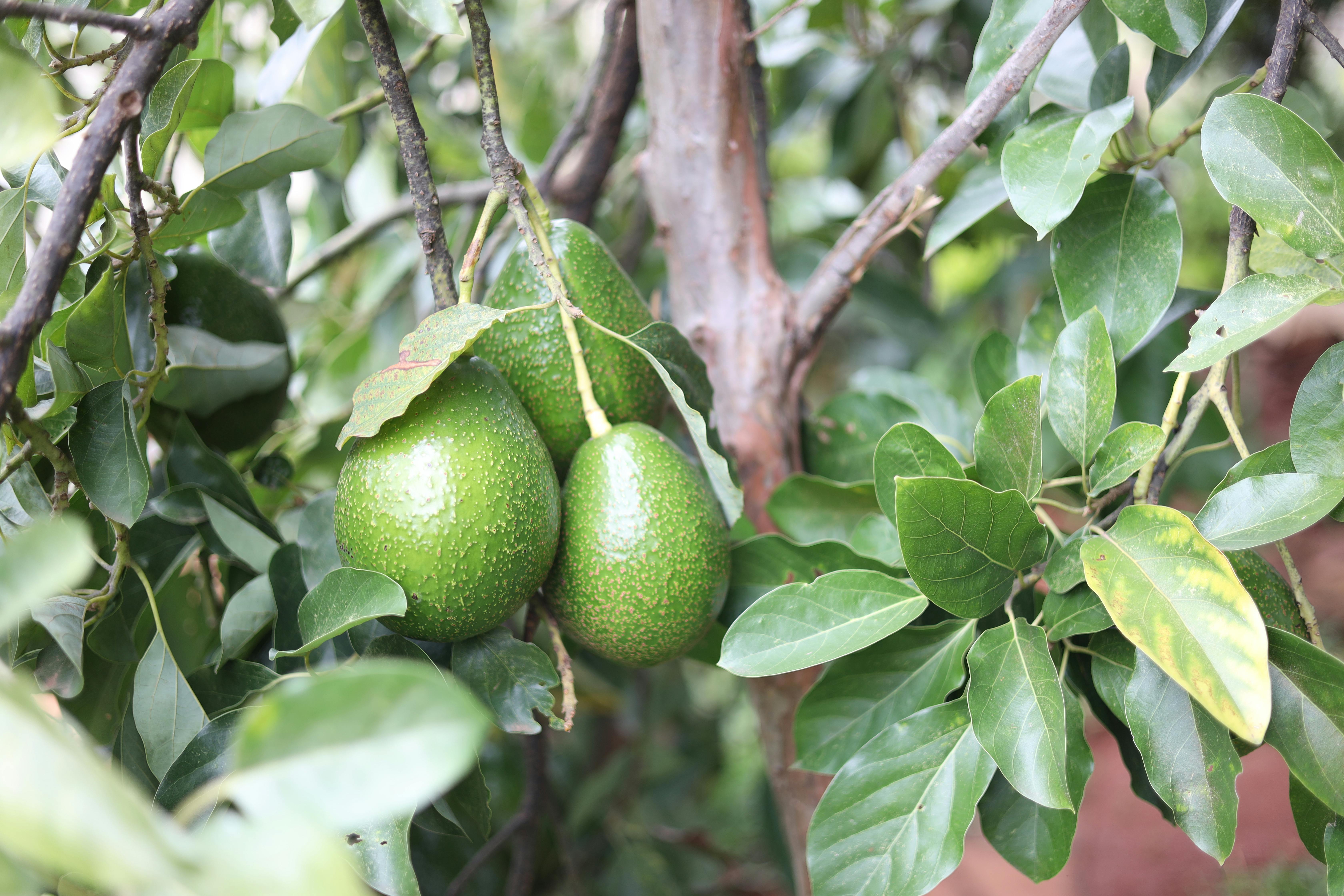
To truly transform the impact of 'green gold' in Kenya, a holistic approach that prioritizes both environmental stewardship and social equity is paramount. Implementing these strategies can pave the way for a more sustainable and just avocado industry. Explore sustainable living solutions with Eco-Oasis Firm to learn more about how conscious choices can drive positive change in global supply chains.
Case Studies, Examples, or Comparisons
While the challenges are significant, there are burgeoning examples of sustainable initiatives and community-led efforts attempting to mitigate the negative impacts of Kenya’s avocado boom. For instance, in parts of the Rift Valley, communities, often supported by NGOs, are establishing communal water resource management schemes. These initiatives involve villagers in decision-making processes regarding water allocation and conservation, using traditional knowledge alongside modern techniques. One notable example includes localized efforts in areas like Bomet, where farmers are adopting water-saving techniques like mulching and planting cover crops, demonstrating a shift towards more responsible land stewardship.
Another promising avenue is the rise of farmer-centric cooperatives that bypass exploitative middlemen. Organizations like the Kenya Avocado Growers and Exporters Association (KAGA), while primarily for exporters, also work with grower groups to improve quality and market access. However, smaller, grassroots cooperatives are emerging, focusing on fair pricing and direct sales channels to ensure that more of the profit remains with the growers. These cooperatives often provide training in sustainable farming, post-harvest handling, and financial literacy, empowering farmers to negotiate better terms and improve their yields sustainably.
Comparing Kenya's situation to other avocado-producing nations offers valuable insights. In Mexico, the world's largest avocado producer, similar issues of deforestation, water scarcity, and illegal logging linked to avocado expansion have led to significant environmental degradation (National Geographic). This comparison underscores the universal nature of these challenges but also highlights the urgency for Kenya to learn from others' mistakes. Conversely, some regions in Chile, facing extreme drought, have been forced to adopt highly efficient micro-irrigation systems, providing a model for water-stressed areas in Kenya. Data suggests that in areas with advanced irrigation, water usage for avocados can be reduced by up to 30-40% compared to traditional methods (FAO Aquastat). These diverse examples emphasize that while the path to sustainability is complex, actionable strategies exist and are being implemented, offering hope for a more balanced future for Kenya's 'green gold.'
Common Mistakes to Avoid
Navigating the complexities of the avocado boom requires careful planning to avoid pitfalls that can negate any perceived benefits. One of the most common mistakes is the uncritical adoption of monoculture farming practices. While it simplifies cultivation and potentially increases immediate yields, it severely depletes soil nutrients, reduces biodiversity, and makes crops highly susceptible to pests and diseases, necessitating greater reliance on chemical interventions. This creates a fragile ecosystem that is less resilient to environmental shocks.
Another significant error is the neglect of local water management regulations and community input. Large-scale commercial farms sometimes establish extensive irrigation systems without adequately assessing the impact on local water tables or consulting with communities who depend on the same water sources for domestic use and subsistence farming. This often leads to water conflicts, environmental degradation, and increased social tensions, undermining the social license to operate.
Furthermore, many smallholder farmers make the mistake of entering into uninformed contracts with middlemen or exporters. Lacking adequate market information or legal counsel, they often agree to unfair prices or conditions that significantly reduce their profit margins. This economic vulnerability is a critical barrier to their long-term sustainability and perpetuates the cycle where only elites benefit substantially. Lastly, ignoring the importance of soil health through excessive use of synthetic fertilizers and pesticides is a pervasive mistake. While offering quick fixes, these chemicals degrade soil structure over time, kill beneficial microorganisms, and contaminate water sources, leading to long-term ecological damage and reduced farm productivity.
Expert Tips or Best Practices
For both established growers and aspiring farmers in Kenya, adopting best practices is essential for cultivating avocados responsibly and sustainably.
Prioritize Integrated Water Management
Invest in efficient irrigation systems: Drip irrigation is a game-changer. It minimizes water waste by delivering water directly to the plant roots. Additionally, explore smart irrigation technologies that use sensors to monitor soil moisture and weather conditions, optimizing water use precisely.
Embrace water retention techniques: Mulching around avocado trees with organic matter helps retain soil moisture, reduces evaporation, and suppresses weeds. Contour planting on slopes can also help prevent runoff and enhance water infiltration.
Empower Through Collaboration and Knowledge
Join or form farmer cooperatives: This is a powerful step. Cooperatives enhance bargaining power, facilitate access to better markets, share knowledge on best practices, and collectively invest in post-harvest infrastructure like cold storage.
Seek extension services and training: Government agricultural extension officers and NGOs offer invaluable training on sustainable farming methods, pest and disease management, and market dynamics. Continuous learning is crucial.
Foster Soil Health and Biodiversity
Adopt organic farming principles: Reduce reliance on chemical fertilizers and pesticides. Instead, use organic compost, cover cropping, and intercropping with beneficial plants to improve soil fertility, control pests naturally, and enhance biodiversity.
Practice agroforestry: Integrating shade trees within avocado orchards can improve microclimates, reduce water stress, and provide additional income streams from timber or other fruits. It also offers habitat for beneficial insects.
Ensure Market Fairness and Transparency
Understand market prices: Equip yourself with knowledge of current market prices for different avocado varieties. This empowers you to negotiate fairly and avoid exploitation by intermediaries.
Explore certification programs: Consider certifications like Fair Trade or organic, which can open doors to premium markets and demonstrate your commitment to ethical and sustainable practices.
By adhering to these expert tips, farmers can contribute to a more resilient and equitable avocado industry in Kenya. For those seeking comprehensive resources and support for sustainable agriculture, explore sustainable living solutions with Eco-Oasis Firm. They provide valuable insights and connections for a greener future.
Future Trends or Predictions
The trajectory of Kenya's avocado industry is poised for significant shifts, driven by both global market demands and increasing awareness of sustainability challenges. One prominent trend will be the intensification of climate-smart agriculture practices. As climate change exacerbates water scarcity and unpredictability, there will be an urgent push towards drought-resistant avocado varieties, precision irrigation technologies, and innovative water conservation methods. Research institutions and government bodies will likely invest more in developing avocado strains that require less water and are more resilient to changing weather patterns.
Another critical trend involves the rise of ethical consumerism and traceability. Global consumers are becoming increasingly conscious of the environmental and social footprint of their food choices. This will drive demand for transparent supply chains, where the origin of avocados, the conditions of their growth, and the fairness of farmer compensation are clearly verifiable. Certification schemes, leveraging blockchain technology for traceability, are likely to become more prevalent, putting pressure on Kenyan exporters to demonstrate their sustainability credentials.
Furthermore, we can anticipate a strengthening of regulatory frameworks and government oversight within Kenya. The current 'fitness crisis' will likely prompt policymakers to implement stricter rules regarding water abstraction, land use, and pesticide application in avocado farming. There may be increased incentives for diversification away from monoculture in ecologically sensitive areas and stronger support for smallholder farmer cooperatives to ensure more equitable distribution of wealth. The long-term prognosis suggests that while Kenya's avocado boom will continue, its growth will be increasingly shaped by sustainability imperatives, moving towards a model that balances economic gains with ecological and social responsibility. This shift is not merely a prediction but a necessity for the long-term viability of the industry and the well-being of the nation.
Conclusion
Kenya's avocado boom, initially heralded as a golden opportunity, has unveiled a complex and critical 'fitness crisis.' As we have explored, the relentless pursuit of 'green gold' has placed immense pressure on vital resources, particularly water, and has created a widening chasm of inequality where the benefits disproportionately flow to elites, leaving small villages and dedicated farmers struggling. The environmental degradation, from depleted rivers to potential deforestation, coupled with the social exploitation of vulnerable communities, demands immediate and concerted action.
This article underscores the urgent need for a paradigm shift in how Kenya approaches its avocado industry. It is no longer enough to measure success solely by export volumes or revenue; true prosperity must be evaluated by its impact on people and planet. By embracing sustainable practices like efficient water management, empowering farmer cooperatives, and promoting biodiversity, Kenya can steer its avocado industry towards a more equitable and environmentally sound future. Consumers, policymakers, and industry stakeholders all have a role to play in advocating for and implementing these changes. The time to act is now, to ensure that Kenya's 'green gold' truly enriches all its citizens and preserves its natural heritage for generations to come.
Make a difference with your choices. Explore sustainable living solutions with Eco-Oasis Firm and become part of a global movement towards responsible consumption and ethical production.
FAQs
These FAQs address common questions about Kenya's avocado industry and its sustainability challenges.
Q1: Is avocado farming in Kenya sustainable?
A: Currently, large-scale, conventional avocado farming in Kenya faces significant sustainability challenges, primarily due to its intensive water demands and potential for soil degradation and social inequality. While some farmers are adopting sustainable practices, the overall industry model often prioritizes profit over long-term environmental and social well-being. This has led to concerns about water scarcity, particularly in arid regions, and the exploitation of smallholder farmers who lack fair market access (The Guardian). Efforts are underway to promote more responsible methods, but a systemic shift is needed for true sustainability.
Q2: Who benefits most from Kenya's avocado boom?
A: The primary beneficiaries of Kenya's avocado boom are typically large commercial farms, powerful exporters, and international buyers. These entities have the capital, infrastructure, and market access to capitalize on global demand. Smallholder farmers, despite being the backbone of production, often receive a disproportionately small share of the profits due to exploitative middlemen, lack of collective bargaining power, and barriers to directly accessing export markets. This creates a significant economic disparity within the industry (Reuters).
Q3: What are the main environmental impacts of avocado farming in Kenya?
A: The main environmental impacts include severe water depletion, especially in water-stressed regions, as avocados are a highly thirsty crop. There are also concerns about deforestation as natural habitats are cleared for new orchards, leading to biodiversity loss. Additionally, the intensive use of synthetic pesticides and fertilizers in some conventional farms contributes to soil degradation and water pollution, threatening local ecosystems and human health (Nature).
Q4: How does the avocado boom affect local communities and food security?
A: The avocado boom can negatively impact local communities and food security in several ways. Increased competition for water resources can lead to shortages for domestic use and irrigation for subsistence crops, threatening the livelihoods of non-avocado farmers. The shift to avocado monoculture can also reduce the diversity of locally grown food crops, making communities more reliant on market purchases for food. Furthermore, rising land values and potential land grabs can displace indigenous communities or limit their access to ancestral lands (IRIN News).
Q5: What can consumers do to support ethical avocado farming from Kenya?
A: Consumers can support ethical avocado farming by actively seeking out avocados certified by reputable fair trade or organic organizations. These certifications often ensure fair wages, safe working conditions, and environmentally sound practices. Researching the brands you buy and opting for those with transparent supply chains and a commitment to sustainability can also make a difference. Reducing overall avocado consumption or choosing locally sourced, seasonal alternatives when possible can also lessen the environmental footprint (Ethical Consumer).
Q6: Are there alternatives to avocado farming for Kenyan farmers looking for profitable crops?
A: Yes, there are several profitable and less water-intensive alternatives, though market access and infrastructure remain critical challenges. Crops like macadamia nuts, coffee (especially specialty varieties), passion fruit, and various high-value vegetables can offer viable economic returns. Furthermore, investing in value addition for existing crops, such as processing fruits into juices or jams, can create new income streams. Diversifying agricultural portfolios reduces reliance on a single crop, making farmers more resilient to market fluctuations and environmental changes (Standard Media - Kenya).


0 Comments