

Estimated Reading Time: 12 minutes
TL;DR:
- Revolutionary vertical farming takes center stage in Kenya’s agribusiness landscape, promising a $33.8 billion industry growth by 2027.
- Vertical farming uses less land and up to 90% less water than traditional farming, ideal for Kenya’s urban and peri-urban areas.
- Combining vertical farming with organic fertilizers, drip irrigation, and soil testing maximizes yields sustainably.
- Successful Kenyan models demonstrate the viability of vertical gardens for food security and poverty alleviation.
- Future trends include integrating AI-driven crop monitoring and smart irrigation for improved farm profitability.
Key Takeaways:
- Adopt vertical farming technology to boost productivity in limited spaces.
- Use organic fertilizers and soil testing kits for healthy soil and crops.
- Implement drip irrigation systems to conserve water and ensure efficient watering.
- Learn from Kenyan success stories and avoid common pitfalls like poor soil management.
- Explore sustainable organic farming solutions with Biofarm Kenya for guidance and support.
Introduction
Background & Context
Key Insights or Strategies
Case Studies, Examples, or Comparisons
Common Mistakes to Avoid
Expert Tips or Best Practices
Future Trends or Predictions
Conclusion
FAQs
Introduction
Agriculture remains a backbone of Kenya’s economy, providing livelihoods for over 70% of its population. Yet, the challenges of climate change, urbanization, limited land availability, and water scarcity have placed pressure on traditional farming. Against this backdrop, revolutionary vertical farming takes center stage as a promising solution for sustainable agricultural production. Vertical farming integrates innovative technologies such as hydroponics, aeroponics, and aquaponics to grow crops in vertically stacked layers, maximizing output while minimizing resource use. This method aligns perfectly with Kenya’s green development goals and rising urban food demands, charting a path toward a multi-billion-dollar agribusiness expansion expected to reach $33.8 billion by 2027.
Background & Context
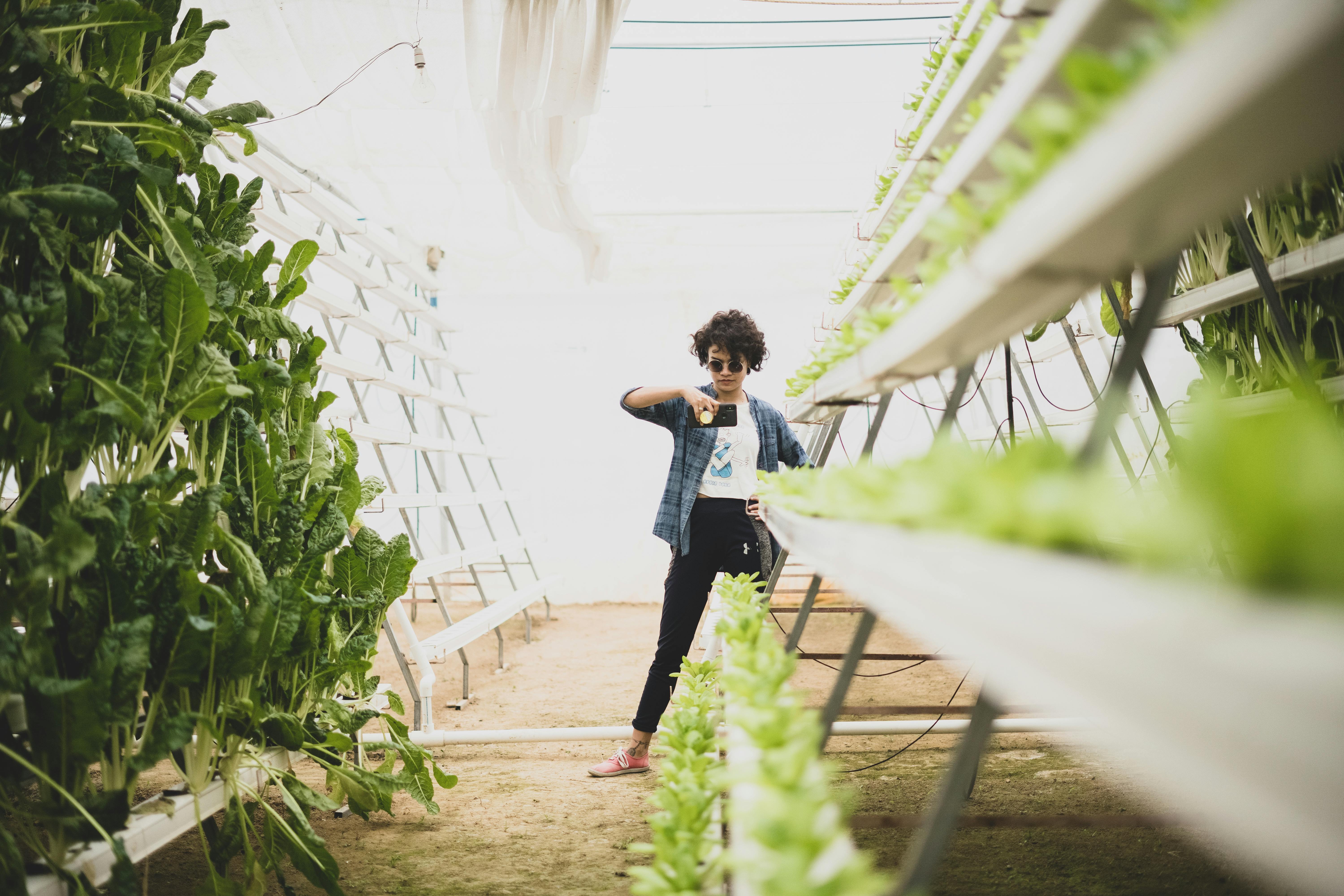
Kenya’s agricultural sector is evolving rapidly, driven by shifts toward organic farming, improved soil fertility techniques, and sustainable agribusiness models. Organic farming in Kenya is gaining traction due to rising consumer awareness and export opportunities, promoting the use of composts, natural pest control, and organic fertilizers that enhance soil health. The Ministry of Agriculture reports steady growth in agribusiness, with significant investments in technology-led farming like vertical and greenhouse farming.
Vertically stacked farms require less soil space and leverage controlled environments to optimize crop production, making them ideal for urban areas like Nairobi and Mombasa. Soil fertility remains a critical concern, with many Kenyan soils showing nutrient deficiencies and degradation. Organic practices combined with soil testing have helped maintain soil sustainability. Additionally, water management is vital; innovative irrigation techniques such as drip irrigation improve water efficiency by delivering water directly to plant roots, minimizing wastage.
Key Insights or Strategies
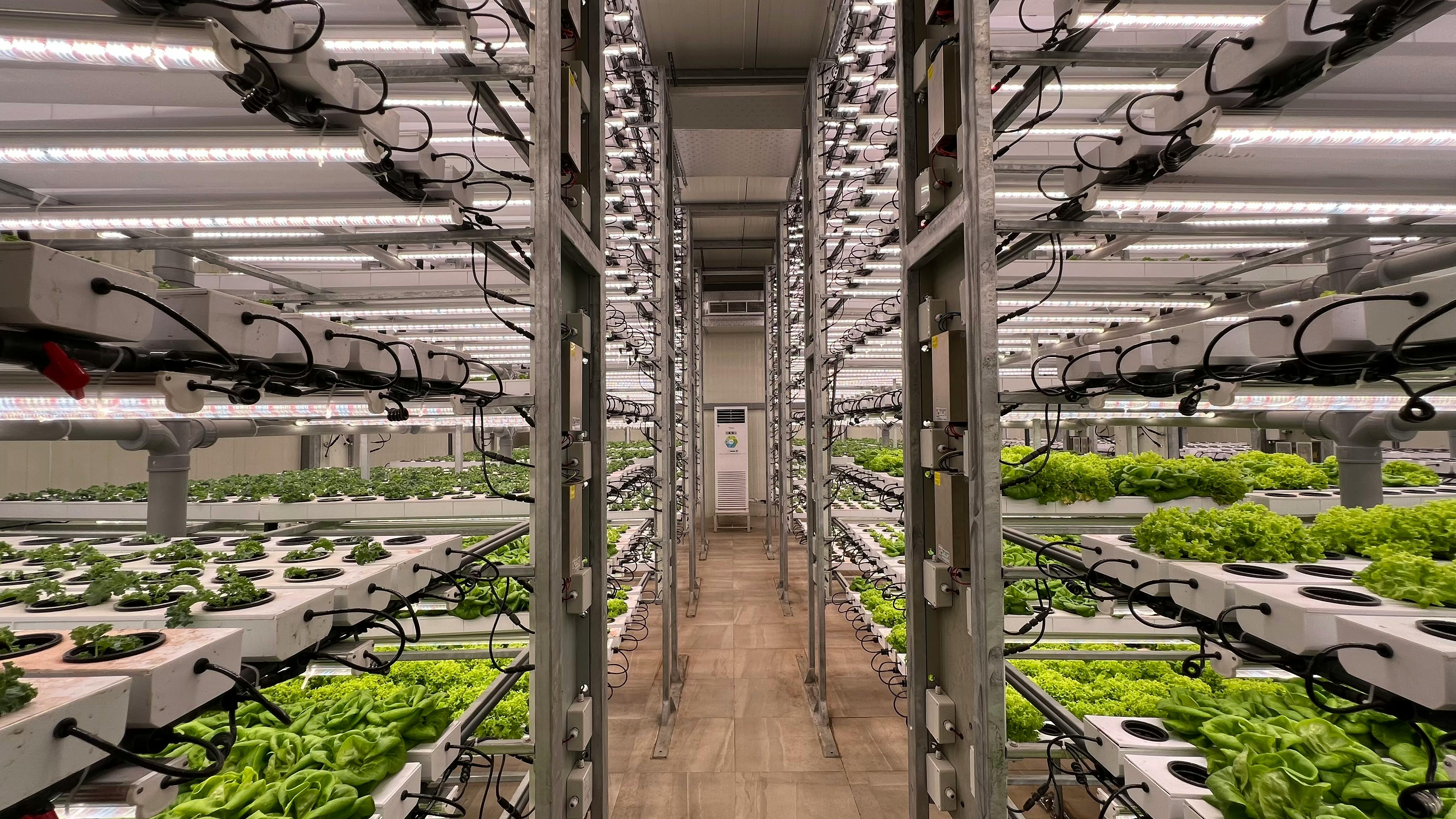
1. Implement Vertical Farming Systems for Space and Resource Efficiency
Vertical farming offers a compact method to grow crops year-round in controlled environments. Its efficient use of space and water make it highly suitable for high-density Kenyan urban areas.
- Choose an appropriate vertical farming model such as hydroponics, aeroponics, or aquaponics based on your crop and resource availability.
- Use sturdy, food-safe vertical structures or racks to stack plants efficiently.
- Incorporate LED grow lights if sunlight is insufficient to boost photosynthesis.
- Maintain optimal temperature, humidity, and ventilation for plant health.
- Regularly monitor plant growth and system functionality to adjust conditions.
Boost your yields with the CARPATHEN Drip Irrigation System Kit – available on Amazon, which ensures your vertical farm receives water precisely where needed, conserving precious water resources.
2. Optimize Soil Health with Organic Fertilizers and Soil Testing
Healthy soil is fundamental for nutrient uptake and crop yields. Organic fertilizers replenish soil nutrients naturally without harmful chemicals, supporting sustainable farming and food safety.
- Conduct soil tests regularly using reliable kits to determine nutrient levels and pH balance.
- Apply organic fertilizers such as compost, manure, or scientifically formulated soils based on soil test recommendations.
- Rotate crops and incorporate nitrogen-fixing plants to naturally improve soil fertility.
- Limit synthetic fertilizer use to avoid soil degradation.
For precise soil analysis, consider the Premium Soil Test Kit – available on Amazon, which offers multiple nutrient and pH tests for comprehensive insights.
Explore sustainable organic farming solutions with Biofarm Kenya to access expert advice and quality organic inputs.3. Adopt Drip Irrigation for Efficient Water Management
Water scarcity in Kenya demands irrigation methods that minimize wastage. Drip irrigation delivers water directly to plant roots, reducing evaporation and runoff while improving crop water use efficiency.
- Install drip irrigation kits tailored to your farm size and crop type.
- Regularly check for leaks or blockages to maintain system efficiency.
- Combine drip irrigation with rainwater harvesting to optimize water availability.
- Use timers and controllers to automate watering and save labor.
The Flantor Drip Irrigation Kit for Greenhouse – available on Amazon provides a reliable solution for consistent watering in small farms and greenhouses.
Explore sustainable organic farming solutions with Biofarm Kenya for access to affordable irrigation technologies.Case Studies, Examples, or Comparisons
Kenyan farmers, NGOs, and agritech companies have rolled out vertical farming projects yielding positive results. In Nairobi’s Kibera slum, innovative sack and vertical gardening have improved food security and income, supported by local organizations and government programs.
Another example is Aqua Hub Kenya, which integrates fish farming with vertical horticulture through aquaponics, achieving up to 90% water savings compared to traditional farming. This sustainable model enhances food diversity and economic returns for peri-urban farmers.
According to the Food and Agriculture Organization (FAO), integrating technology with organic and efficient farming practices in Kenya is pivotal for future food systems resilience (source: FAO Kenya).
Common Mistakes to Avoid
- Poor soil testing leading to incorrect fertilizer application — always use accurate soil kits for nutrient management.
- Neglecting water system maintenance causing leaks and uneven irrigation — ensure regular system checks.
- Overcrowding plants in vertical farms reduces airflow and increases disease risk — maintain adequate spacing.
- Ignoring the environmental controls in indoor farms, resulting in crop stress — monitor temperature and humidity closely.
- Using chemical fertilizers excessively harms soil biology — switch to organic fertilization gradually.
Expert Tips or Best Practices
Experts recommend combining soil testing with organic inputs and drip irrigation to maximize productivity and sustainability in vertical farming setups.
For maintaining rich soil fertility, use products like the Organic Compost Starter Mix – available on Amazon, which accelerates composting and enriches your soil.
Regularly inspect and calibrate your drip irrigation system using kits available locally or online to ensure optimal performance.
Adopting digital farm management tools and training from local partners can help you stay updated on sustainable techniques.
Explore sustainable organic farming solutions with Biofarm Kenya for tailored advice, quality inputs, and farmer support programs.
Future Trends or Predictions
The future of vertical farming in Kenya and East Africa is bright, driven by predictions of smart agriculture becoming mainstream. Innovations include:
- AI-driven crop monitoring: Sensors and cameras analyze plant health and stress in real-time.
- Smart irrigation technologies: Automated water delivery systems optimize water use.
- Integration with renewable energy: Solar-powered vertical farms reduce carbon footprints.
- Expansion of aquaponics: Combining fish and plant farming to boost sustainability and profitability.
These technologies promise to scale Kenya’s agriculture sustainably while creating employment and enhancing food security.
Conclusion
In summary, revolutionary vertical farming takes center stage in Kenya’s quest for sustainable agriculture. By combining space-efficient farming methods with organic fertilizers, soil testing, and drip irrigation systems, Kenyan farmers can unlock huge growth potential. Successful case studies highlight the feasibility of these innovations for urban and peri-urban areas. Future smart farming trends will further push agribusiness competitiveness.
Discover trusted organic farming tools on Amazon and learn more about sustainable solutions with Biofarm Kenya.
FAQs
1. What is vertical farming, and why is it important for Kenya?
Vertical farming is the practice of growing crops in vertically stacked layers using controlled environments. It addresses land scarcity and water shortages common in Kenya’s urban areas, enhancing food security and sustainable agribusiness. (Source: FAO Kenya)
2. How can organic fertilizers benefit soil health in vertical farming?
Organic fertilizers enrich soil with essential nutrients naturally, improving fertility, soil structure, and microbial activity without chemical residues. This promotes healthier plants and sustainable farming. (Source: Biofarm Kenya)
3. What are the advantages of using drip irrigation systems?
Drip irrigation delivers water directly to plant roots, reduces water waste, minimizes evaporation, and improves crop yield and quality. It is ideal for arid regions like Kenya. (Source: NEMA Kenya)
4. How often should soil testing be done for optimal crop production?
Soil testing is recommended at least twice a year or prior to planting seasons to monitor nutrient levels and soil pH, enabling informed fertilizer and soil amendment decisions. (Source: Kenya Ministry of Agriculture)
5. What common mistakes should farmers avoid in vertical farming?
Avoid overplanting, poor water management, ignoring environmental controls, and excessive chemical fertilizer use to reduce risks of crop failure and soil degradation. (Source: Biofarm Kenya)
6. Where can Kenyan farmers find support and quality inputs for vertical farming?
Farmers can access training, inputs, and technical support through platforms like Biofarm Kenya, local agricultural extension services, and reputable suppliers.


0 Comments