

Estimated Reading Time: 12 minutes
TL;DR:
- Profitable farming ideas in 2026 in Kenya include innovative methods such as vertical farming, aquaponics, and integrated organic practices.
- Focus on sustainable agriculture methods that improve soil fertility, optimize water use, and reduce dependency on chemical inputs.
- Key profitable crops and livestock include dairy, poultry, honey production, high-value vegetables, and fish farming.
- Adopting technology like drip irrigation, soil testing kits, and greenhouse systems boosts productivity and profitability.
- Learn from successful Kenyan farmers and avoid common mistakes in soil and fertilizer management for higher yields.
Key Takeaways:
- Integrate vertical farming to maximize space and increase crop yields in urban and peri-urban areas.
- Use organic fertilizers and soil testing kits to maintain soil health and optimize nutrition for sustainable productivity.
- Implement drip irrigation systems to efficiently manage water resources and support year-round farming.
- Explore greenhouse kits for climate control and protection against pests for high-value crop cultivation.
- Explore sustainable organic farming solutions with Biofarm Kenya to access expert support and resources.
Table of Contents
Introduction
Kenya's agricultural sector remains the backbone of the economy, providing livelihoods to millions and contributing significantly to GDP. In 2026, profitable farming ideas in Kenya increasingly focus on sustainable and innovative farming approaches to tackle challenges like land scarcity, climate change, and market demands. From traditional crops and livestock to advanced vertical farming and aquaponics, Kenyan farmers are exploring diverse and profitable methods to boost yields and incomes. This article explores these key strategies, supported by data, case studies, and practical tips for farmers across Kenya.
Background & Context

Organic farming continues to grow in Kenya, with an approximate area of 0.14 million hectares already under organic agriculture as of recent reports. Rising concerns over soil fertility degradation and the harmful effects of synthetic chemicals encourage many farmers to adopt organic practices. Agribusiness contributes over 33% of Kenya's GDP, and sectors like dairy, poultry, and horticulture consistently show robust growth. Sustainable agriculture practices that restore soil health, conserve water, and use resources efficiently are essential to supporting this growth sustainably.
Key Insights or Strategies
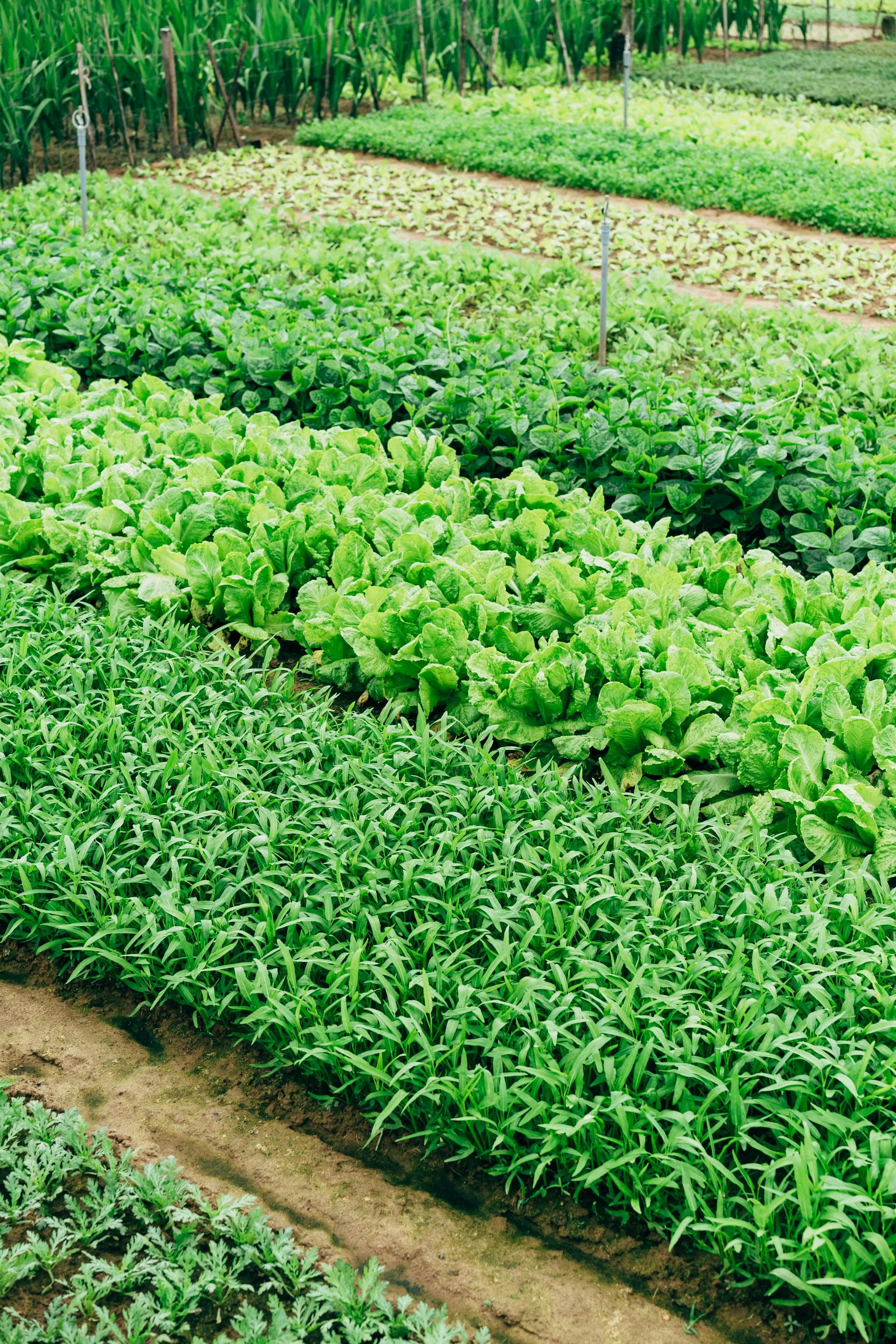
1. Embrace Vertical Farming for Space Optimization and Higher Yields
Vertical farming is increasingly viable in urban and peri-urban areas of Kenya, maximizing small spaces to produce more food vertically where land is limited.
- Set up modular vertical farm structures suitable for leafy greens, herbs, and some fruiting crops.
- Use hydroponic or soil-based growing media tailored for your crop demands.
- Implement proper lighting and temperature controls to optimize plant growth year-round.
- Engage local experts or suppliers for vertical farming kits and inputs.
Boost your vertical farm yields with practical tools like the Rapitest Soil Test Kit for Gardens, helping you monitor nutrient levels precisely.
2. Optimize Water Use Using Drip Irrigation Systems
Water scarcity affects many Kenyan regions, making efficient irrigation vital for profitable farming.
- Install drip irrigation kits suited for smallholder farms and gardens.
- Use timers and moisture sensors to automate watering schedules and prevent over-irrigation.
- Maintain and clean irrigation systems regularly to ensure uniform water delivery.
Consider the Raindrip R560DP Automatic Drip Watering System for efficient and easy-to-install irrigation on your farm.
3. Use Organic Fertilizers to Enhance Soil Fertility and Crop Health
Sustainable profitability requires maintaining or rebuilding fertile soils with organic inputs.
- Apply organic liquid or granular fertilizers to boost nutrient availability.
- Incorporate compost, manure, and organic matter to improve soil structure.
- Regularly test your soil and adjust nutrition plans accordingly.
One great option is the Drammatic® Organic™ Original Fertilizer 2-4-1 designed for vegetables, fruits, and flowers.
Explore sustainable organic farming solutions with Biofarm Kenya to gain access to expert guidance, quality inputs, and innovative farming technologies.
Case Studies, Examples, or Comparisons
Success stories abound among Kenyan farmers adopting modern and sustainable farming methods. For instance, in Nairobi's urban slums like Kibera, residents use sack and vertical farming techniques to grow vegetables in limited spaces, providing fresh produce and income. The Food and Agriculture Organization (FAO) and Ministry of Agriculture Kenya highlight fish farming as lucrative, supported by contracts from supermarkets. Farmers in Murang'a County are demonstrating the benefits of greenhouse farming using kits that control pests and extend growing seasons, generating higher yields and profits.
Common Mistakes to Avoid
- Ignoring soil testing: Applying fertilizers without testing leads to nutrient imbalances and wasted inputs.
- Poor irrigation management: Overwatering or insufficient watering reduces crop health and wastes water.
- Using synthetic chemicals excessively: Damages soil biodiversity and long-term fertility.
- Neglecting pest management: Results in crop losses and yield reductions; organic integrated pest management practices are best.
- Failure to diversify crops: Overreliance on a single crop increases risk from pests, price fluctuation, or climate impact.
Expert Tips or Best Practices
Veteran Kenyan agronomists and Biofarm Kenya experts recommend the following for sustainable profitable farming in 2026:
- Regularly monitor soil pH and nutrients using affordable soil test kits.
- Integrate animal manure and compost to build organic matter.
- Adopt drip irrigation for drought-prone regions to improve water efficiency.
- Use greenhouse kits, such as the GarveeHome 6X8 FT Walk-in Greenhouse Kit, to protect high-value crops and extend growing seasons.
- Participate in farmer groups to share knowledge and reduce costs for certification and marketing.
Explore sustainable organic farming solutions with Biofarm Kenya that connects you to training, inputs, and premium markets.
Future Trends or Predictions
Looking ahead, Kenyan agriculture is poised for significant transformation driven by innovations such as:
- Smart irrigation: Integration of IoT and AI to monitor soil moisture, weather, and crop conditions for optimized water use.
- Vertical farming expansion: Increased use of controlled environment agriculture to combat land scarcity and urban food insecurity.
- AI-powered crop monitoring: Drones and sensors diagnosing plant health, pest presence, and nutrient deficiencies early.
- Organic certification growth: Rising consumer demand for chemical-free food will continue to boost certified organic farming profitability.
Conclusion
Profitable farming ideas in Kenya in 2026 hinge on combining tradition with innovation—leveraging vertical farming, organic methods, and smart technologies. Farmers can increase income sustainably by focusing on soil health, efficient water use, and diversified crop and livestock production. Access to affordable inputs like drip irrigation kits, soil testing tools, and greenhouse options boosts productivity. Discover trusted organic farming tools on Amazon and learn more about sustainable solutions with Biofarm Kenya to enhance your farm’s profitability and environmental stewardship.
FAQs
1. What are some of the most profitable crops to farm in Kenya in 2026?
High-value vegetables like tomatoes, onions, and capsicums, fruits such as avocados and dragon fruit, as well as dairy and poultry farming, are among the most profitable ventures. Integrated farming approaches and organic certification further enhance profitability. For more details, visit the Kenya Ministry of Agriculture.2. How does vertical farming help Kenyan urban farmers?
Vertical farming maximizes production in limited space, particularly important in urban slums and peri-urban areas with minimal land availability. It enables year-round crop production with controlled environments, reducing water use and increasing yields. More insights can be found at the FAO Kenya page.3. What are the benefits of using organic fertilizers over synthetic fertilizers?
Organic fertilizers improve soil structure, increase microbial activity, and provide sustained nutrient release, enhancing long-term soil fertility and crop health. They also reduce environmental pollution. Learn more at NEMA Kenya.4. How can smallholder farmers in Kenya access affordable drip irrigation systems?
Many local suppliers and online platforms offer affordable drip irrigation kits tailored for small farms. Government and NGO programs frequently support subsidies or training. Explore options through Biofarm Kenya's partner network.5. What role does soil testing play in profitable farming?
Soil testing identifies nutrient deficiencies, pH imbalances, and contamination, allowing farmers to apply targeted fertilizers, avoid wastage, and improve yields. Reliable kits like the Rapitest Soil Test Kit help farmers conduct tests easily.6. How does Biofarm Kenya support sustainable farming in the region?
Biofarm Kenya offers expert training, connects farmers with quality organic inputs, promotes sustainable farming practices, and facilitates market access to ensure farmers increase productivity profitably and sustainably. Visit their official page for details: Biofarm Kenya Partners.


0 Comments