

Estimated Reading Time: 12 minutes
TL;DR: Profitable farming ideas in 2026 are centered on sustainable organic agriculture, innovative irrigation methods, and greenhouse farming in Kenya. Integrating organic fertilizers, drip irrigation, and greenhouse kits boosts yield and profitability. Avoid common mistakes such as improper soil management and fertilizer misuse. Explore the future with tech-driven farming solutions that align with Kenya’s agribusiness growth.
Key Takeaways:
- Incorporate organic fertilizers and soil testing for healthy soil fertility in Kenyan farms.
- Use drip irrigation systems for efficient water use and higher crop yields.
- Adopt greenhouse kits to extend growing seasons and improve crop quality.
- Learn from local successful farmers and apply sustainable agribusiness practices.
- Stay updated with emerging innovations like vertical farming and smart irrigation.
Introduction
Profitable farming ideas in 2026 are reshaping the agricultural landscape of Kenya, driven by an increasing demand for organic produce, sustainable practices, and agribusiness innovation. Kenyan farmers are embracing smart farming, organic fertilizers, and water-efficient methods to boost productivity while preserving soil health. These trends not only improve profitability but also contribute to environmental sustainability—an urgent priority in the face of climate change and population growth.
Sustainable agriculture in Kenya offers viable opportunities to both new and experienced farmers seeking income diversification. Incorporating proven farming ideas aligned with local conditions can deliver remarkable profits and food security for communities across the country.
Background & Context

Kenya's agriculture sector is a mainstay of the economy, representing about 33% of GDP and employing over 75% of the rural population. Organic farming and sustainable agribusiness practices are expanding rapidly, driven by consumer health awareness and export market demands.
Organic farming acreage in Kenya has grown steadily as farmers adopt more natural soil fertility management techniques and reduce synthetic chemical use. According to the Kenya Organic Agriculture Network (KOAN), over 50,000 hectares are under organic certification, with projections increasing year on year.
Additionally, government initiatives and partnerships with organizations like the Food and Agriculture Organization (FAO) emphasize soil fertility restoration, improved irrigation infrastructure, and climate-smart agriculture, all vital components to profitable farming ideas for 2026.
Key Insights or Strategies
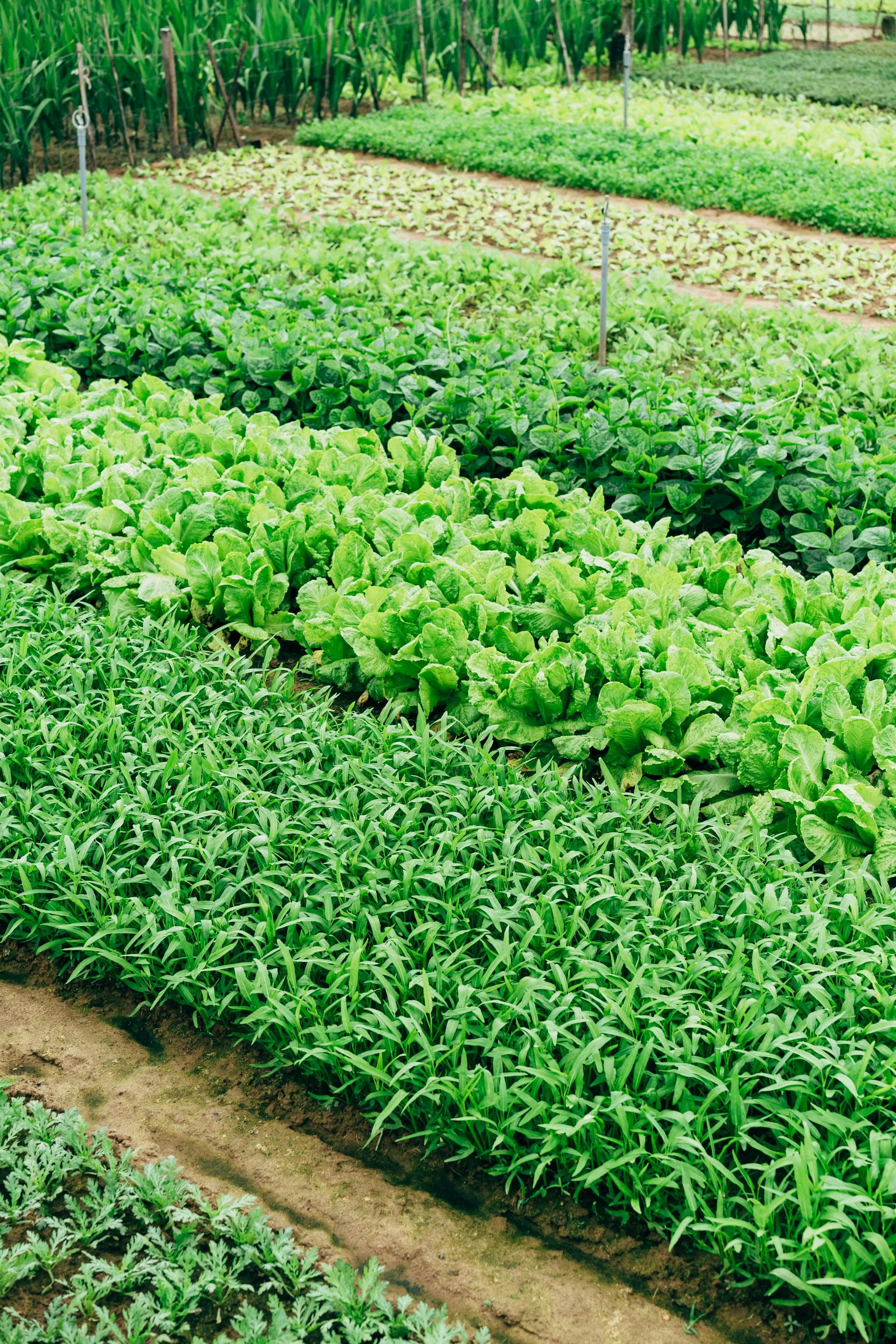
1. Leveraging Organic Fertilizers for Soil Health
Maintaining healthy, fertile soils through organic fertilizers is fundamental for sustainable, profitable farming. Organic inputs improve soil structure, boost microbial life, and increase nutrient availability.
- Conduct regular soil testing to identify nutrient deficiencies.
- Apply organic composts, manures, and bio-fertilizers that suit your crop and soil analysis results.
- Use crop rotation and intercropping to enhance natural nutrient cycling.
Boost your yields with the Drammatic® Organic™ Original Fertilizer 2-4-1 – available on Amazon, a liquid organic fertilizer ideal for vegetables and fruits.
Also, Explore sustainable organic farming solutions with Biofarm Kenya to access expert products and guidance tailored for Kenyan farmers.
2. Efficient Water Management With Drip Irrigation
Water scarcity challenges in Kenya necessitate precision watering techniques. Drip irrigation delivers water directly to plant roots, minimizing waste and improving crop yields.
- Install drip irrigation kits designed for small farms or greenhouses.
- Schedule watering based on crop water requirements and soil moisture readings.
- Maintain and check emitters regularly to avoid blockages.
Invest in a reliable drip irrigation system like the Raindrip R560DP Drip Watering System – available on Amazon to boost efficiency and conserve valuable water resources.
3. Adopting Greenhouse Farming Kits
Greenhouses offer controlled environments for year-round production, protection from pests, and better market timing.
- Select kits with durable frames and effective ventilation for Kenya’s climate.
- Use polycarbonate panels for light diffusion and insulation.
- Employ drip irrigation inside greenhouses for water efficiency.
Consider the GarveeHome 6X8 FT Walk-in Greenhouse Kit – available on Amazon that suits small to medium-scale growers looking to scale production sustainably.
Case Studies, Examples, or Comparisons
Successful Kenyan farmers who have adopted sustainable farming approaches yield impressive results. For instance, farmers in the Rift Valley using organic fertilizers combined with drip irrigation report yield increases of up to 30% on commercial vegetables.
The Ministry of Agriculture supports several pilot projects incorporating greenhouses that have extended production seasons by 3–6 months, improving income stability.
According to FAO reports, integrated organic farming systems reduce input costs and enhance resilience to weather shocks, which aligns perfectly with Kenya’s agribusiness growth goals.
Common Mistakes to Avoid
- Ignoring Soil Tests: Applying fertilizers without testing wastes resources and harms soil health. Always test soil before fertilizing.
- Over-irrigation: Excessive watering leads to nutrient leaching and disease. Use drip irrigation and moisture monitoring.
- Improper Fertilizer Application: Mixing synthetic and organic fertilizers indiscriminately can reduce effectiveness.
- Poor Greenhouse Ventilation: Inadequate airflow causes heat stress and fungal diseases. Always maintain adjustable vents.
Expert Tips or Best Practices
For optimum farming results in Kenya:
- Integrate soil-friendly organic amendments like compost starters and vermicompost.
- Rotate crops and diversify plant varieties to reduce pest pressure and improve soil biodiversity.
- Use modern farming tools for soil and moisture testing to tailor your inputs precisely.
Maintain healthy soil with the Organic Compost Starter Mix – available on Amazon, designed to jumpstart beneficial microorganisms essential for fertility.
Combine these strategies with expert advice and quality inputs by exploring sustainable organic farming solutions with Biofarm Kenya.
Future Trends or Predictions
The future of profitable farming in Kenya will likely leverage technology and innovation including:
- Smart Irrigation Systems: Automated watering based on sensors and AI to increase efficiency.
- Vertical Farming: Optimizing space in urban and peri-urban areas to grow more produce indoors.
- AI-driven Crop Monitoring: Drones and apps for real-time pest, nutrient, and moisture mapping.
- Renewable Energy in Agribusiness: Solar-powered irrigation and processing for sustainability and cost reduction.
These innovations will integrate well with traditional organic practices to create resilient, profitable farms adapting to climate and market demands.
Conclusion
Profitable farming ideas in 2026 encompass a blend of sustainable organic practices, modern irrigation, and protected cultivation suited to Kenya’s unique agroecological zones. Farmers are encouraged to adopt organic fertilizers, precision drip irrigation systems, and greenhouse kits to increase yields and profitability sustainably.
Discover trusted organic farming tools on Amazon and learn more about sustainable solutions with Biofarm Kenya, your partner in transformative agriculture.
FAQs
Q1: What are the benefits of organic farming for Kenyan farmers?
Organic farming improves soil fertility, reduces dependency on chemical inputs, enhances biodiversity, and meets increasing consumer demand for healthy foods in Kenya. For more details, visit the FAO Organic Soil Management site.
Q2: How do I choose the right drip irrigation system for my farm?
Consider farm size, crop type, water availability, and system maintenance requirements. Starter kits like those offered on Amazon can assist smallholder farmers efficiently. Kenya’s Ministry of Agriculture provides guidelines on irrigation technologies here.
Q3: What soil tests are essential before organic fertilizer application?
Testing pH, nitrogen, phosphorus, potassium, and organic matter content is crucial to tailor fertilization plans. KEBS provides standards and testing services; learn more at KEBS.
Q4: Can greenhouse farming be profitable in Kenya?
Yes, greenhouses extend growing seasons, reduce pest losses, and improve crop quality for local and export markets. Find practical information from NEMA and agricultural extension services.
Q5: How important is crop rotation in profitable organic farming?
Crop rotation breaks pest and disease cycles, enhances soil fertility, and increases resilience. For guidance on rotation patterns suited to Kenyan crops, the Biofarm Kenya resource portal is helpful: Biofarm Kenya.
Q6: What innovations should Kenyan farmers consider for the future?
Smart irrigation, AI crop monitoring, vertical farming, and renewable energy integration are key future trends improving profitability and sustainability in Kenya’s agriculture.


0 Comments