

Estimated Reading Time: 12 minutes
TL;DR:
Vertical farming represents one of the Most Profitable Farming Ideas in 2026 in Kenya, offering higher yields with water and space efficiency. Integrating smart technologies like hydroponics and aquaponics enables sustainable production of vegetables and fish. Common pitfalls such as poor soil and irrigation management can be avoided by adopting best practices and using quality tools. Case studies from Kenyan urban farmers highlight its economic and environmental benefits. Future trends include AI-driven farming and smart irrigation systems. For tools and sustainable solutions, Biofarm Kenya and select Amazon products provide essential support.
Key Takeaways
- Vertical farming is a high-profit, resource-efficient approach ideal for Kenya's agricultural landscape in 2026.
- Smart horticulture techniques like hydroponics and aquaponics can increase yields while conserving up to 90% water.
- Common mistakes in soil fertility and irrigation need attention to maximize farm productivity and sustainability.
- Use quality tools such as soil testing kits and drip irrigation systems to optimize farm management.
- Explore sustainable organic farming solutions with Biofarm Kenya to scale your farming enterprise efficiently.
Table of Contents
- Introduction
- Background & Context
- Key Insights or Strategies
- Case Studies, Examples, or Comparisons
- Common Mistakes to Avoid
- Expert Tips or Best Practices
- Future Trends or Predictions
- Conclusion
- FAQs
Introduction
Kenya’s agricultural sector is undergoing a transformative phase with a growing emphasis on sustainable and innovative farming systems. As population pressures and climatic challenges intensify, farmers are turning to modern, efficient methods to increase productivity. Among these, vertical farming stands out as one of the Most Profitable Farming Ideas in 2026. It offers solutions to land scarcity, water efficiency, and year-round crop production, particularly benefiting both urban and rural farmers. This article explores profitable vertical farming ideas optimized for Kenya’s unique agribusiness environment, supported by data, best practices, and trusted resources.
Background & Context

Kenya’s agricultural growth is linked to challenges like limited arable land and erratic rainfall patterns. Organic farming and soil fertility management are gaining momentum with growing consumer demand for sustainably grown produce. According to the Kenya National Bureau of Statistics, agribusiness in Kenya contributes about 33% of GDP, with horticulture as a significant contributor.
Organic farming acreage is expanding by about 15% annually, reflecting increased interest in sustainable practices. However, traditional farming methods consume large water volumes and face space constraints. Vertical farming, with its stacked-layer designs, promises up to 90% water savings and 70-90% space efficiency, making it an ideal method for Kenyan farmers facing resource limits.
Key Insights or Strategies
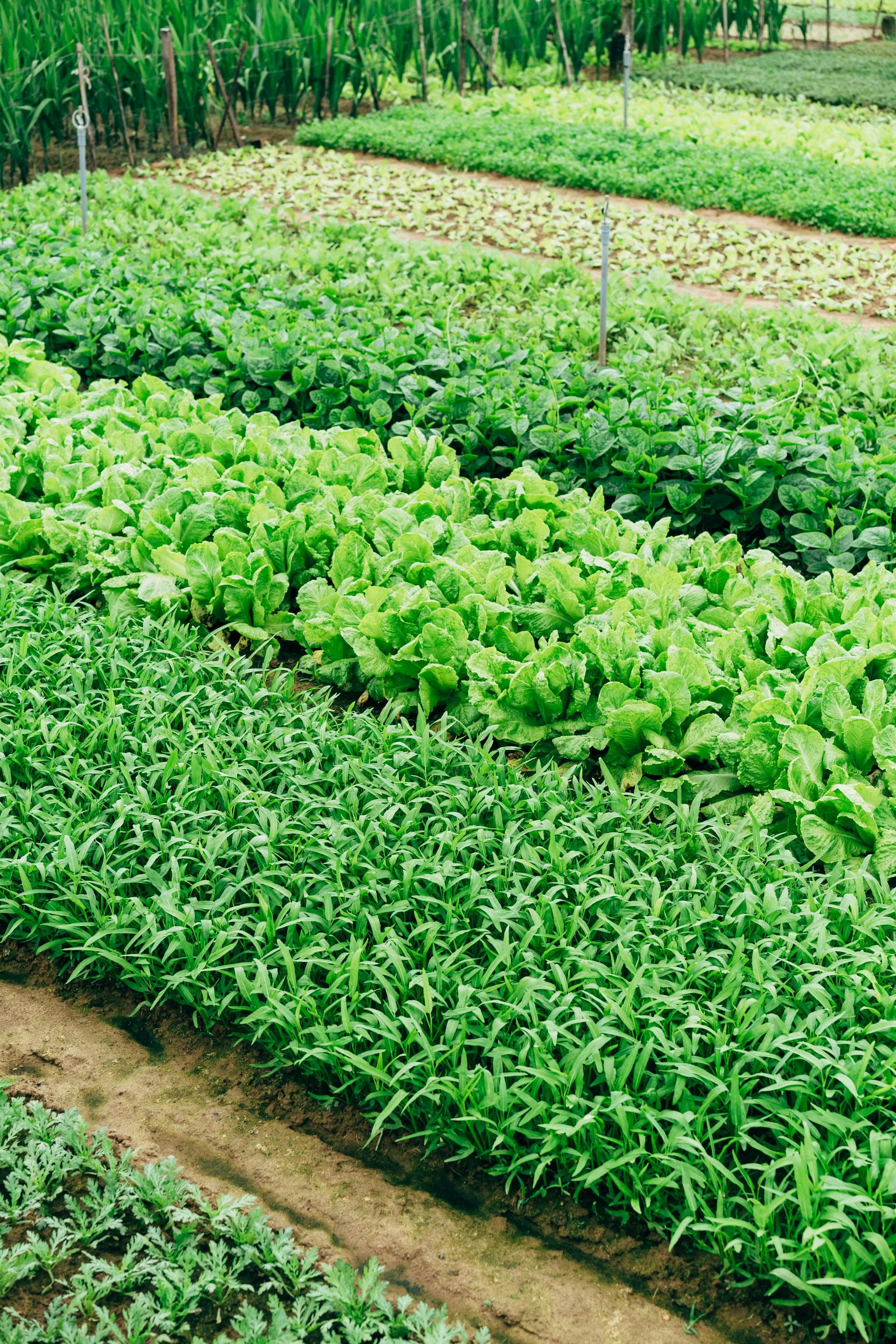
1. Implement Hydroponic Systems for Soil-less Cultivation
Hydroponics allows growing plants in nutrient-rich water solutions without soil, ideal for urban and peri-urban farmers.
- Select suitable crops such as leafy greens, herbs, and tomatoes that perform well hydroponically.
- Set up vertical stacks to maximize yield per square meter.
- Regularly monitor nutrient levels, water pH, and plant health.
- Integrate LED grow lights for consistent crop growth indoors or shaded environments.
Boost your yields with the Soil pH & Moisture Tester Kit – available on Amazon, which helps maintain optimal water quality essential for hydroponic success.
2. Adopt Aquaponics Combining Fish and Plant Farming
Aquaponics merges fish farming (aquaculture) with hydroponics, recycling fish waste to nourish plants.
- Choose hardy, fast-growing fish species native or suited to Kenya's climate.
- Design closed-loop tanks connected to vertical plant beds.
- Maintain water quality with regular testing to avoid disease and nutrient imbalances.
This system enhances sustainability by producing two incomes—vegetables and fish—and uses water efficiently.
3. Use Drip Irrigation to Conserve Water
Drip irrigation targets water directly to plant roots, minimizing waste and maximizing efficiency.
- Install automatic drip irrigation kits suited to vertical or raised bed designs.
- Regularly inspect and clean emitters to maintain flow and prevent clogging.
- Schedule watering to coincide with crop water demands and reduce evaporation losses.
Invest in the Raindrip R560DP Drip Watering System for an easy-to-install kit ideal for small-scale gardens and vertical setups.
Explore sustainable organic farming solutions with Biofarm Kenya to access expert guidance and quality organic inputs for these strategies.
Case Studies, Examples, or Comparisons
Urban farmers in Nairobi and Mombasa have successfully adopted vertical farming to improve food security and profit margins. One example is a hydroponic farm producing lettuce that commands 80 to 120 Kenyan shillings per kilogram, resulting in gross revenue between 800,000 and 1.8 million shillings per acre annually (Farmonaut & Farmerstrend Facebook, 2026 forecasts).
Another success story involves aquaponic systems tested at a greenhouse near Kisumu, which combined Nile tilapia farming with vegetable production, leading to increased water use efficiency and reduced fertilizer dependency (Ministry of Agriculture Kenya report, 2025).
The Food and Agriculture Organization (FAO) advocates these integrated farming systems as resilient models supporting climate change adaptation and improving livelihoods in East Africa.
Common Mistakes to Avoid
- Poor Soil and Water Quality Management: Ignoring soil nutrient balance or water pH can stunt plant growth. Use soil testing kits regularly to monitor conditions.
- Overwatering or Underwatering Plants: Vertical farms require precise watering schedules, especially with hydroponics or drip irrigation systems.
- Neglecting Pest and Disease Control: Even controlled environments can sustain pests; integrated pest management is critical.
- Ignoring System Maintenance: Clogged pipes, malfunctioning pumps, and algae growth reduce system efficiency and crop health.
Expert Tips or Best Practices
Local experts recommend starting small and scaling vertical farming setups gradually while mastering nutrient and water management cycles. Keeping daily logs of crop conditions helps optimize harvest cycles and reduces risk.
Maintain healthy soil where applicable with the Organic Compost Starter Mix that enriches growth media and enhances microbe activity, critical for soil-free or soil-light systems.
Choose farming inputs carefully; Biofarm Kenya offers a range of organic fertilizers, pest control products, and seeds tailored to Kenyan climates and soils.
Partner with Biofarm Kenya for training, inputs, and advisory services that elevate your farming business sustainably.
Future Trends or Predictions
The future of vertical farming in Kenya will likely embrace smart irrigation controlled by AI sensors that optimize water and nutrient delivery in real-time. Vertical aquaponics will expand with better integration of fish species and plant varieties customized for local markets.
Innovations such as solar-powered greenhouses and automated climate controls will reduce energy costs and enable year-round production with minimal environmental impact. Digital platforms may provide real-time crop monitoring and predictive analytics, enhancing decision-making for smallholder farmers.
These advancements will further position vertical farming as a cornerstone of profitable and sustainable farming in Kenya by 2026 and beyond.
Conclusion
Vertical farming emerges as a vital and profitable avenue for Kenyan farmers seeking to maximize returns sustainably. By adopting hydroponics, aquaponics, and drip irrigation, farmers can increase yields while conserving water and land resources. Avoiding common mistakes through proper soil and water testing — aided by products like the soil testing kits and drip irrigation systems on Amazon — enhances productivity and farm health.
For comprehensive support, learn more about sustainable solutions with Biofarm Kenya and take advantage of expert guidance tailored to your farm’s unique needs.
FAQs
- 1. What is vertical farming and how can it benefit Kenyan farmers?
- Vertical farming is a method of growing crops in stacked layers or vertically inclined surfaces, often using controlled environments. It benefits Kenyan farmers by maximizing limited land use, conserving water, and enabling year-round production. For detailed guidance, consult the FAO vertical farming resource.
- 2. What crops are most profitable in vertical farming systems in Kenya?
- Leafy greens like lettuce, kale, and herbs, as well as tomatoes and strawberries, tend to be most profitable due to their fast growth and market demand. The Ministry of Agriculture Kenya provides crop suitability advice here.
- 3. How much water can vertical farming save compared to traditional methods?
- Vertical farming can save up to 90% of water compared to conventional soil farming due to recirculation and targeted irrigation. Kenya’s water management experts at NEMA provide standards to sustain such practices.
- 4. What common mistakes should new vertical farmers avoid?
- New farmers should avoid neglecting water quality, improper nutrient balances, poor pest control, and lack of system maintenance. Training and support from organizations like Biofarm Kenya is recommended for success.
- 5. Are there affordable tools to help manage vertical farms effectively?
- Affordable tools such as soil testing kits and drip irrigation systems are widely available on Amazon and through local suppliers. Examples include the Soil pH & Moisture Tester Kit and Raindrip Drip Irrigation System.
- 6. Where can farmers find organic inputs tailored to vertical farming in Kenya?
- Biofarm Kenya specializes in sustainable organic farming inputs and advisory services tailored for vertical and organic farming systems. Visit Biofarm Kenya Partners for details and support.


0 Comments