

Estimated Reading Time: 11 minutes
Vertical Farming Feeds World
The Vertical Farming Revolution is rapidly gaining traction as a sustainable and innovative solution to feed the growing population, particularly in regions like Kenya and East Africa. With challenges such as land scarcity, soil degradation, and climate variability impacting traditional farming methods, vertical farming addresses these constraints by optimizing space, resources, and crop yields. This article explores how vertical farming can be a game-changer for sustainable agriculture in Kenya, offering practical insights, real-world examples, and future trends aligned with organic and eco-friendly farm practices.
TL;DR:
- Vertical farming optimizes limited space and resources to increase food production sustainably.
- Kenya’s growing agribusiness sector can leverage vertical farming for soil health and climate resilience.
- Adopting technological and organic best practices enhances yields and reduces environmental impact.
- Using quality tools like soil testing kits and drip irrigation can significantly improve farm efficiency.
- Collaborations with partners like Biofarm Kenya help access sustainable farming knowledge and products.
Key Takeaways:
- Integrate vertical farming with hydroponics and aeroponics for maximum yield in small urban spaces.
- Invest in soil testing kits to maintain nutrient-rich media for healthier crops.
- Use drip irrigation systems to conserve water while maximizing plant growth.
- Study local case examples and avoid common pitfalls in soil and water management.
- Explore sustainable organic farming solutions with Biofarm Kenya to enhance your farm’s productivity.
Table of Contents
- Background & Context
- Key Insights or Strategies
- Case Studies, Examples, or Comparisons
- Common Mistakes to Avoid
- Expert Tips or Best Practices
- Future Trends or Predictions
- Conclusion
- FAQs
Background & Context
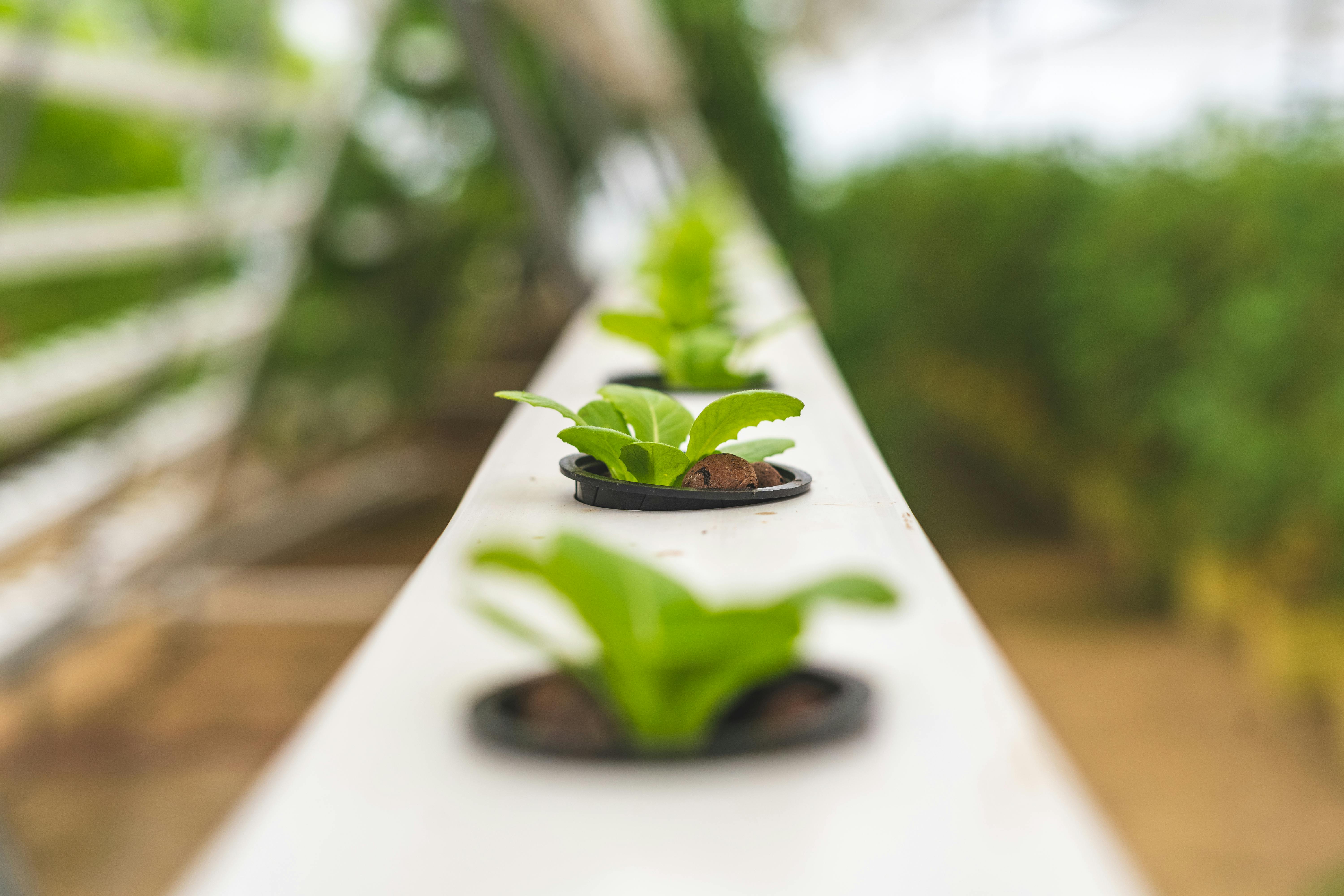
Sustainable agriculture in Kenya is crucial as the country faces increasing population pressure and climate change effects. Kenya's agribusiness sector has been growing, with agriculture contributing over 33% to the GDP and employing over 75% of the rural population. However, challenges such as declining soil fertility, water scarcity, and unpredictable rainfall hamper food security.
Organic farming adoption has increased in Kenya, with a focus on restoring soil health and reducing chemical use. However, traditional methods still face constraints in productivity and land availability. This is where the vertical farming revolution presents a transformative opportunity by stacking production layers vertically, enabling more food to be grown per square meter both indoors and in urban settings.
Key Insights or Strategies
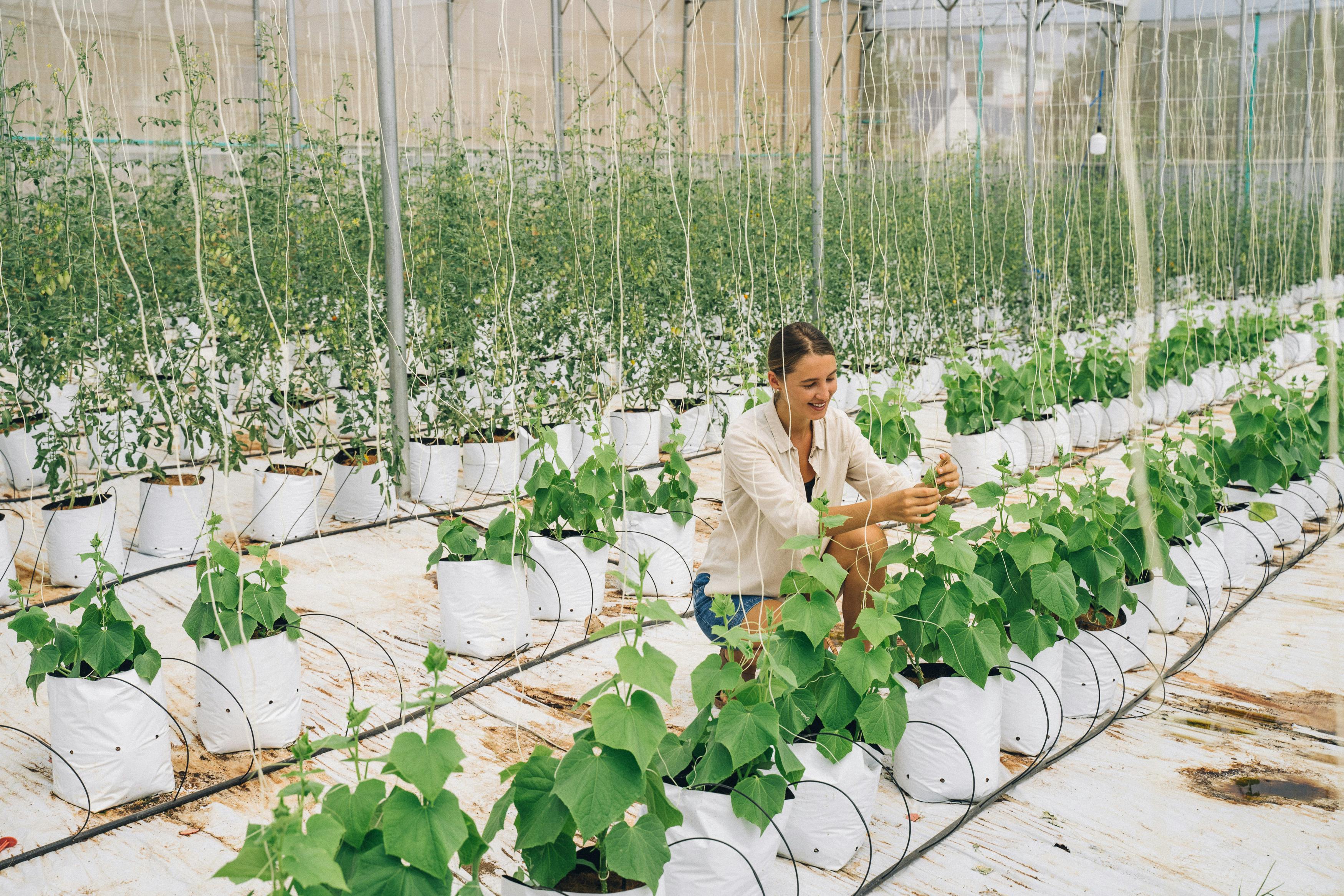
1. Employ Hydroponics and Aeroponics for Soil-Free Vertical Cultivation
Vertical farming commonly uses soilless cultivation techniques such as hydroponics and aeroponics. These systems recycle nutrients and water efficiently, minimizing waste and enabling year-round crop production.
- Choose a hydroponic method suitable for your crop type — nutrient film technique (NFT), deep water culture, or drip systems.
- Set up aeroponic towers where roots receive nutrient mist, improving oxygen availability.
- Monitor nutrient levels and water quality regularly to maintain optimal growth conditions.
Boost your yields with the MySoil Soil Test Kit, available on Amazon, helping you keep nutrient balances precise and crops thriving.
2. Maximize Water Efficiency with Drip Irrigation Systems
Water scarcity is a significant hurdle for Kenyan farmers. Drip irrigation delivers water directly to plant roots with minimal loss, increasing water-use efficiency in vertical setups.
- Install a drip irrigation kit compatible with vertical farm systems for uniform watering.
- Incorporate timers and moisture sensors to automate irrigation schedules.
- Regularly clean and maintain drip emitters to prevent clogging and uneven water delivery.
Consider the Raindrip R560DP Drip Watering System for automated precision watering, available on Amazon.
Explore sustainable organic farming solutions with Biofarm Kenya to get access to innovative vertical farming tools and expert advice tailored for Kenyan farmers.
3. Select Crops for Vertical Farming That Align With Market Demand
Leafy greens, herbs, and some fruits thrive in vertical farms with short growing cycles, enabling farmers to capture premium urban markets quickly.
- Identify local demand trends for fresh produce to guide crop selection.
- Focus on high-value, quick-maturing crops to optimize return on investment.
- Experiment with crop stacking and intercropping to maximize vertical space usage.
Case Studies, Examples, or Comparisons
Kenyan farmer Jane Wambui from Nairobi successfully implemented a vertical hydroponic system on a small balcony, growing lettuce and spinach year-round, which boosted her income and reduced food costs for her family.
According to the Food and Agriculture Organization (FAO), urban agriculture, including vertical farming, can reduce food supply gaps in African cities significantly. This is supported by data showing urban farms can produce up to 10 times more food per square meter compared to traditional farming.
Another example is Greenfingers Global, active in East Africa, which promotes controlled environment agriculture including greenhouses and vertical farms, increasing productivity and food security while improving resource use efficiency (source: Ministry of Agriculture Kenya).
Common Mistakes to Avoid
- Poor nutrient management: Using imbalanced or contaminated nutrient solutions can stunt plant growth; always test and adjust nutrient mixes.
- Ignoring water quality: Hard water or untreated water may clog systems or affect plant health; install filters if necessary.
- Ignoring pest management: Even in controlled environments, pests can invade; adopt organic integrated pest management approaches.
- Overcrowding plants: Over-stacking reduces air circulation and light penetration, leading to disease and lower yields.
- Failing to monitor environmental conditions: Temperature, humidity, and light intensity need regular measurement and control for optimal growth.
Expert Tips or Best Practices
Experts recommend regularly validating your growing media or hydroponic solutions using reliable testing tools. A Soil pH & Moisture Tester Kit helps ensure your plants receive the ideal balance for nutrient uptake and growth.
Partner with local organic initiatives and sustainable farming groups to share knowledge and resources. Utilize Biofarm Kenya’s platform for ongoing education and access to eco-friendly inputs.
Maintain strict hygiene in your vertical farm to prevent fungal or bacterial diseases. Disinfect tools and regularly clean surfaces.
Explore sustainable organic farming solutions with Biofarm Kenya to get personalized support and community assistance as you implement vertical farming.
Future Trends or Predictions
Vertical farming is poised to integrate more smart technologies in Kenya, including AI-driven crop monitoring, sensors, and IoT-enabled automation to optimize every growth factor in real-time.
Increasing adoption of climate-resilient crop varieties will complement vertical farming to mitigate unpredictable weather effects.
Emerging innovations in LED lighting tailored for plant growth promise improved energy efficiency and higher yields.
Urban vertical farms may grow into community-supported agriculture hubs, providing fresh local produce and reducing carbon footprints from transport.
Conclusion
The Vertical Farming Revolution offers a promising sustainable agriculture solution for Kenya and beyond, addressing critical challenges like land scarcity, soil degradation, and water conservation. By adopting hydroponics, drip irrigation, and effective nutrient management, farmers can achieve higher productivity while maintaining ecological balance.
Farmers and agribusinesses are encouraged to utilize dependable tools such as organic farming tools available on Amazon to enhance their practices.
For ongoing support, resources, and community connections, learn more about sustainable solutions with Biofarm Kenya.
FAQs
1. What is vertical farming, and how does it work?
Vertical farming is a method of growing crops in vertically stacked layers or structures, often indoors or in controlled environments using soil-free techniques like hydroponics or aeroponics. It maximizes space and resource efficiency. Learn more at FAO Urban Agriculture.
2. Is vertical farming suitable for Kenyan smallholder farmers?
Yes, vertical farming can be adapted for smallholder farmers, especially in urban or peri-urban areas where land is limited. It allows year-round production with water and nutrient use efficiency. The Kenya Ministry of Agriculture provides guidelines for sustainable small-scale farming here.
3. How can I test soil or nutrient solutions in vertical farming?
Testing kits such as soil pH and nutrient testers help maintain optimal growing conditions. Many consumer kits are available, and professional labs can provide detailed analyses. Visit KEBS for standards and testing.
4. What are common challenges in vertical farming?
Challenges include initial setup cost, technical knowledge requirements, pest management, and system maintenance. Training and community support can mitigate these. Biofarm Kenya offers capacity building programs here.
5. How does vertical farming contribute to sustainable development goals (SDGs)?
It promotes SDGs by improving food security (Goal 2), ensuring clean water use (Goal 6), sustainable cities (Goal 11), and climate action (Goal 13). For details, check UN SDG goals.
6. Where can I get support for starting vertical farming in Kenya?
Biofarm Kenya provides resources, training, and access to organic farming technology suited for local contexts. Visit their partner portal at Biofarm Kenya Partners.
Further Reading and Resources:


0 Comments