

Estimated Reading Time: 15 minutes
TL;DR: Utilize no-till farming to improve soil health, conserve water, and increase maize yields by 30% in arid Kenyan regions. Implement mobile apps to analyze soil health, use cover crops for soil nourishment, and align planting with rainfall patterns using SMS alerts.
Key Takeaways:
- No-till farming combats soil erosion and supports sustainable agriculture.
- Cover crops like mucuna enhance soil fertility and suppress weeds.
- Use mobile apps and SMS alerts to optimize farming practices.
- Strategic use of modern tools can significantly increase maize yields.
- Explore sustainable organic farming solutions with Biofarm Kenya.
Table of Contents:
- Background & Context
- Key Insights or Strategies
- Case Studies, Examples, or Comparisons
- Common Mistakes to Avoid
- Expert Tips or Best Practices
- Future Trends or Predictions
- Conclusion
- FAQs
Boost Kenyan Yields with No-Till Farming
Kenyan farmers are increasingly adopting no-till practices to combat soil erosion and drought. This guide trains farmers to implement no-till techniques by: 1) Analyzing soil health via mobile apps (e.g., iCow’s free tools), 2) Using cover crops like mucuna to suppress weeds and fix nitrogen, 3) Timing planting with rainfall patterns using weather SMS alerts. Recent KALRO 2026 trials show no-till boosts maize yields by 30% in arid regions compared to conventional plowing.
Background & Context
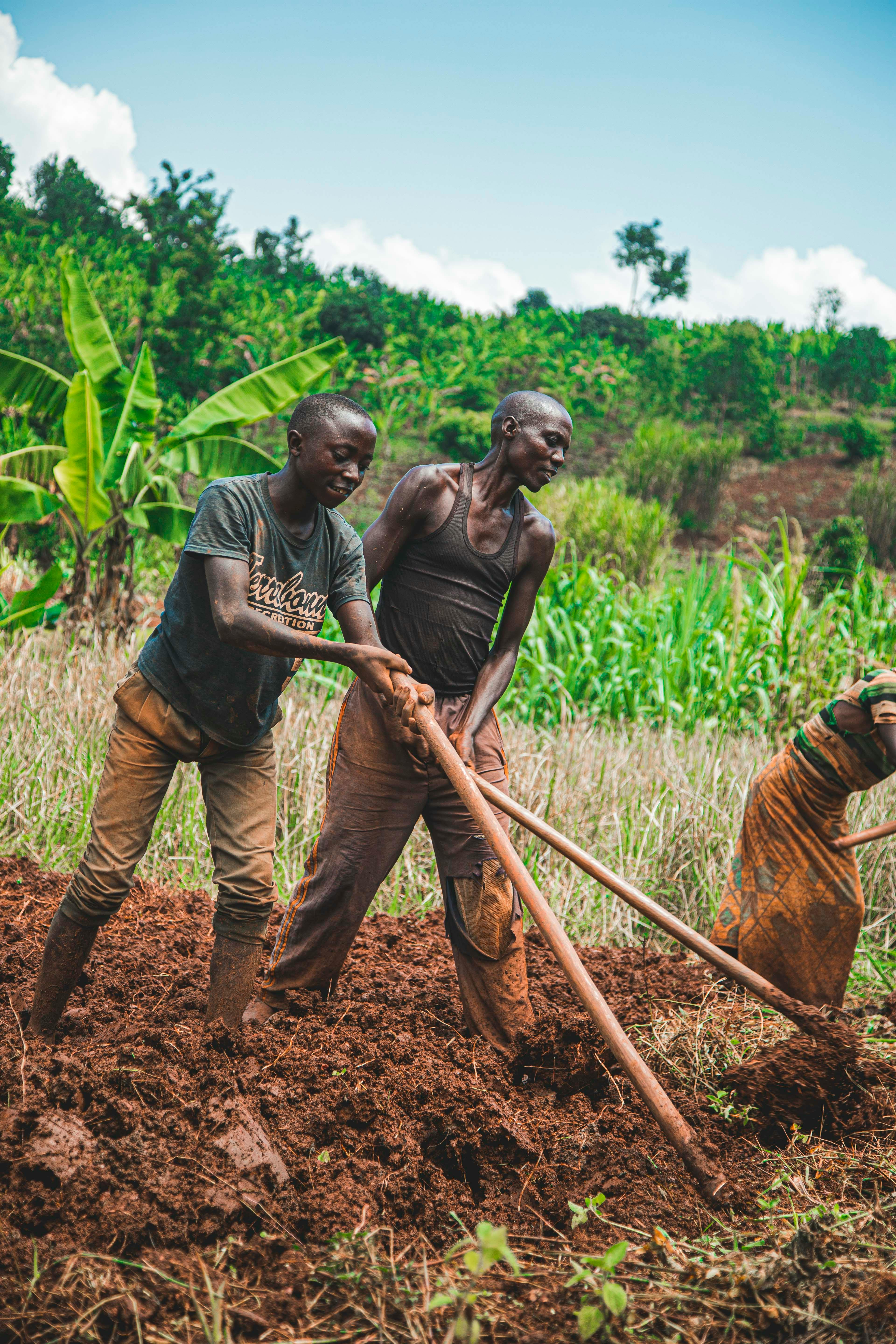
Kenya, a country with diverse agricultural zones, faces significant challenges due to climate change. These challenges include increasing drought conditions and soil degradation, which threaten sustainable agriculture and food security. No-till farming is emerging as a viable solution to these problems by reducing soil disturbance, improving soil structure, and enhancing water retention.
Key Insights or Strategies
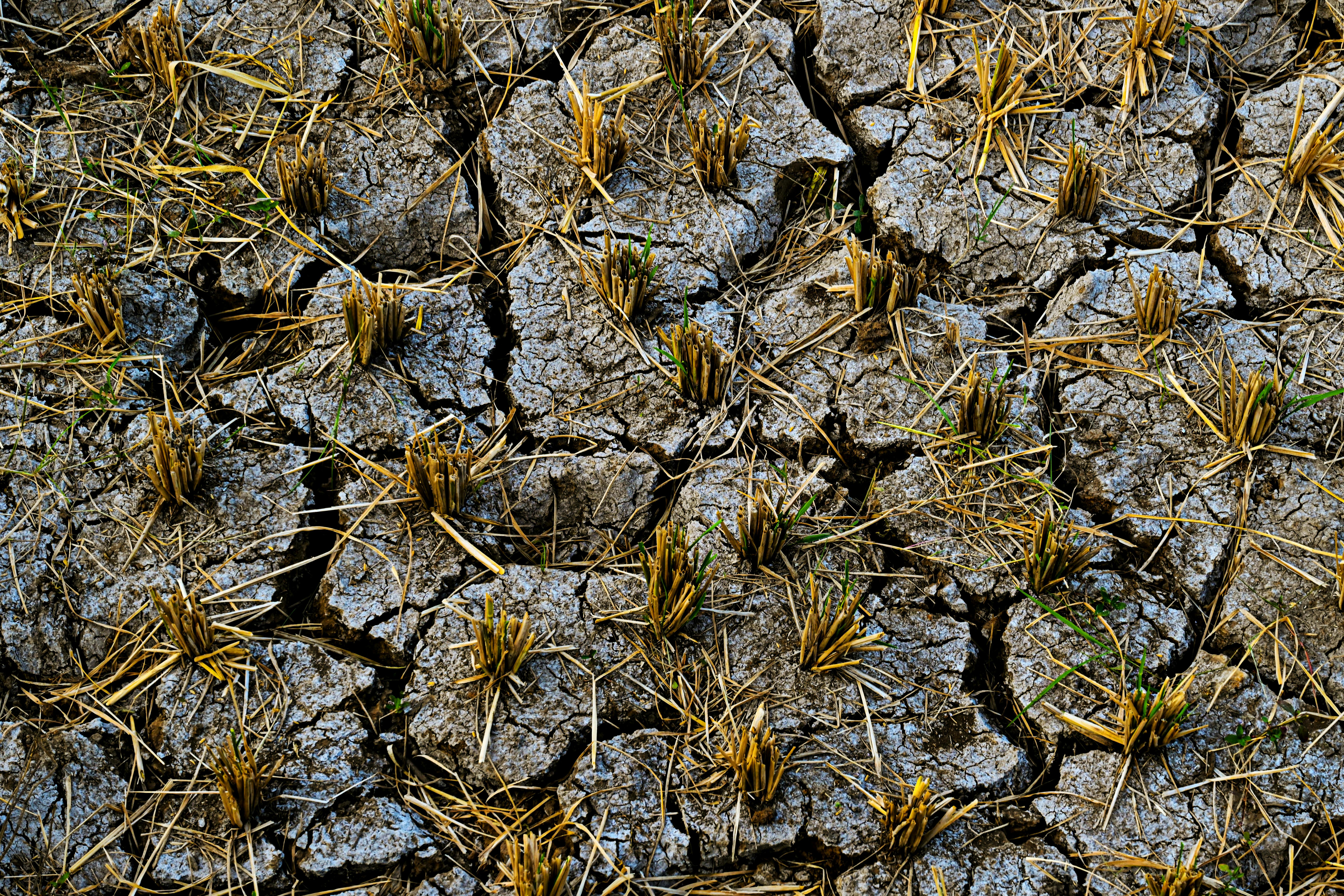
1. Analyzing Soil Health with Mobile Apps
Understanding your soil's health is essential. Up-to-date digital tools like the iCow app offer invaluable insights and are available at no cost to Kenyan farmers. Additionally, a MySoil Soil Test Kit – available on Amazon provides comprehensive analysis.
2. Employing Cover Crops to Enhance Fertility
The use of cover crops such as mucuna not only suppresses weeds but also improves nitrogen levels in the soil. This technique supports a healthier crop environment and promotes sustainability.
- Choose the right cover crop for your farm's soil type.
- Integrate cover crops into crop rotations.
- Monitor soil health regularly.
Consider incorporating the Drammatic® Organic Fertilizer – available on Amazon for enhanced growth.
Explore sustainable organic farming solutions with Biofarm KenyaCase Studies, Examples, or Comparisons
Several successful case studies attest to the effectiveness of no-till farming in Kenya. For instance, farmers in semi-arid regions reported a substantial increase in yields by implementing no-till strategies and utilizing crop residue as mulch. Studies by the Kenya Organic Agriculture Network (KOAN) emphasize the benefits of these techniques.
Common Mistakes to Avoid
- Over-reliance on chemical fertilizers instead of organic alternatives.
- Neglecting soil testing, leading to imbalanced soil nutrients.
- Poor timing and irregularity in planting according to rainfall patterns.
Expert Tips or Best Practices
Optimize your practices with these locally-relevant tips:
- Invest in a CARPATHEN Drip Irrigation System – perfect for conserving water resources.
- Ensure timely soil testing and monitoring.
- Align planting schedules with current weather patterns for optimal crop yield.
Future Trends or Predictions
The future of Kenyan agriculture lies in smart farming techniques such as AI-driven crop monitoring, precision farming, and the adaptation of vertical farming methods. Integrating technology will further boost efficiency and sustainability in the agricultural sector.
Conclusion
Embracing no-till farming offers numerous benefits, especially for combating climate-induced challenges. The integration of digital tools for soil analysis, strategic use of cover crops, and modern irrigation systems can lead to substantial yield improvements.
Discover trusted organic farming tools on Amazon and learn more about sustainable solutions with Biofarm Kenya.
FAQs
- What are the key benefits of no-till farming? No-till farming primarily improves soil structure, increases water retention, and reduces erosion. For a comprehensive understanding, refer to resources by the FAO.
- Which cover crops are recommended in Kenya? Mucuna and clover are widely suggested. Find detailed recommendations at NEMA.
- How do digital tools assist in soil health analysis? Apps like iCow provide real-time data, enhancing farm management. For more, visit the Kenyan Agricultural and Livestock Research Organization (KALRO).
- What is the significance of drip irrigation in conservation? Drip irrigation ensures efficient water use, ideal for arid regions. Learn more about water conservation from the Kenya Bureau of Standards (KEBS).
- How can farmers start with no-till techniques? Begin by minimizing soil disturbance and using organic mulch. Details can be found in the guidelines by Biofarm Kenya.
- Are there any funding schemes for adopting sustainable farming practices in Kenya? Yes, several government initiatives are in place. Interested farmers can reach out to the National Environment Management Authority (NEMA) for assistance.


0 Comments