

Estimated Reading Time: 10 minutes
TL;DR: Sustainable farming methods in Kenya focus on reducing costs, boosting yields, and strengthening climate resilience. Key strategies include cover cropping, reduced tillage, and integrating livestock manure. Discover products like soil testers and drip irrigation systems to further enhance your farming approach.
Table of Contents
- Background & Context
- Key Insights or Strategies
- Case Studies, Examples, or Comparisons
- Common Mistakes to Avoid
- Expert Tips or Best Practices
- Future Trends or Predictions
- Conclusion
- FAQs
Introduction
Sustainable agriculture is not just a trend in Kenya and East Africa; it's a necessity. As Kenyan farmers face rising input costs, many are looking towards cost-effective, climate-resilient practices. Implementing regenerative techniques such as cover cropping and reduced-tillage systems can maintain crop yields while reducing fertilizer dependence by 30%. According to a 2026 University of Nairobi study, legume cover crops naturally fix nitrogen, while reduced tillage enhances water retention by 25%.
Background & Context
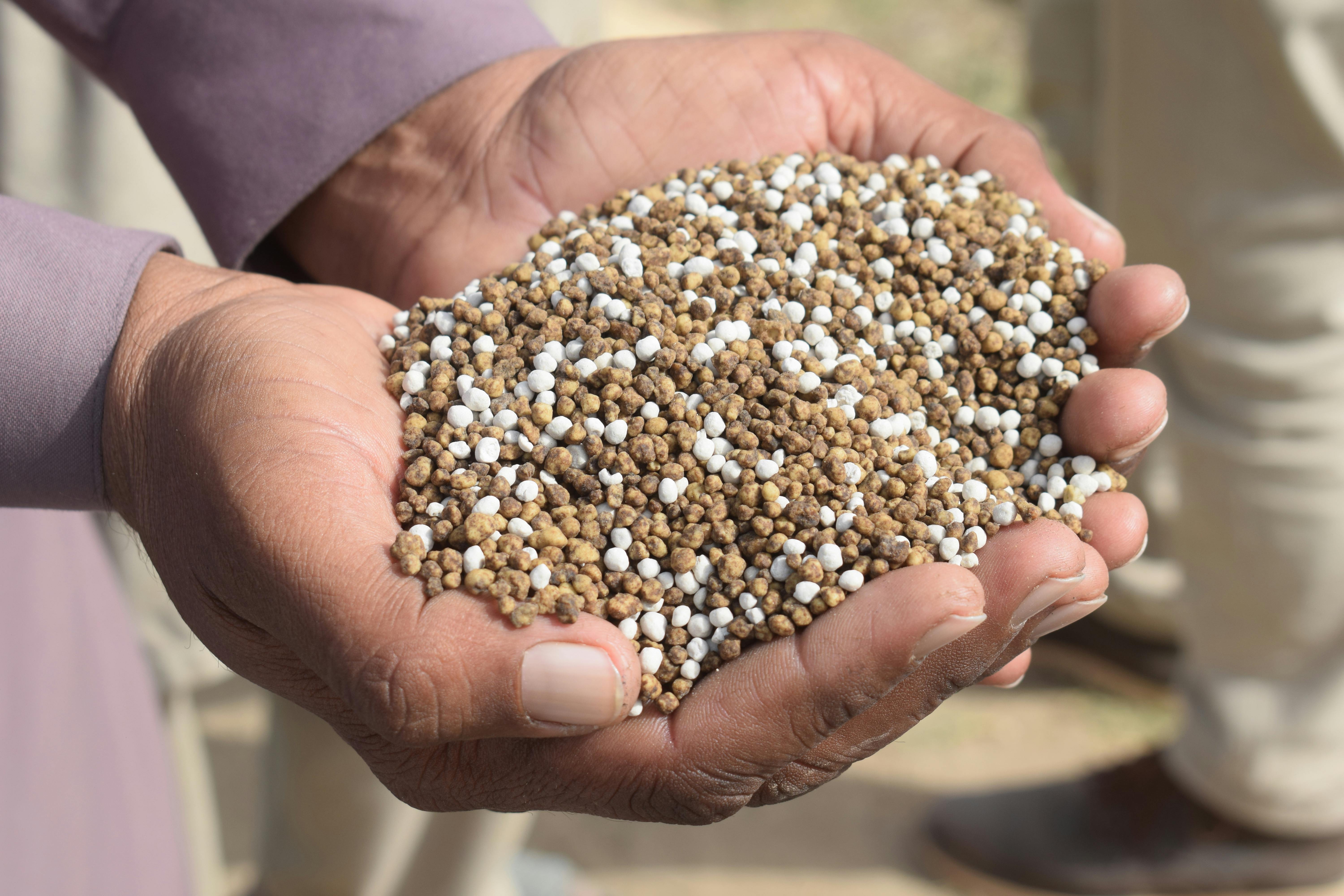
In recent years, East Africa has seen a significant shift towards sustainable agriculture. Reports from the Africa Sustainable Commodities Initiative highlight the adoption of conservation agriculture, agroforestry, and organic farming. These practices aim to enhance productivity while conserving the environment.
Key Insights or Strategies
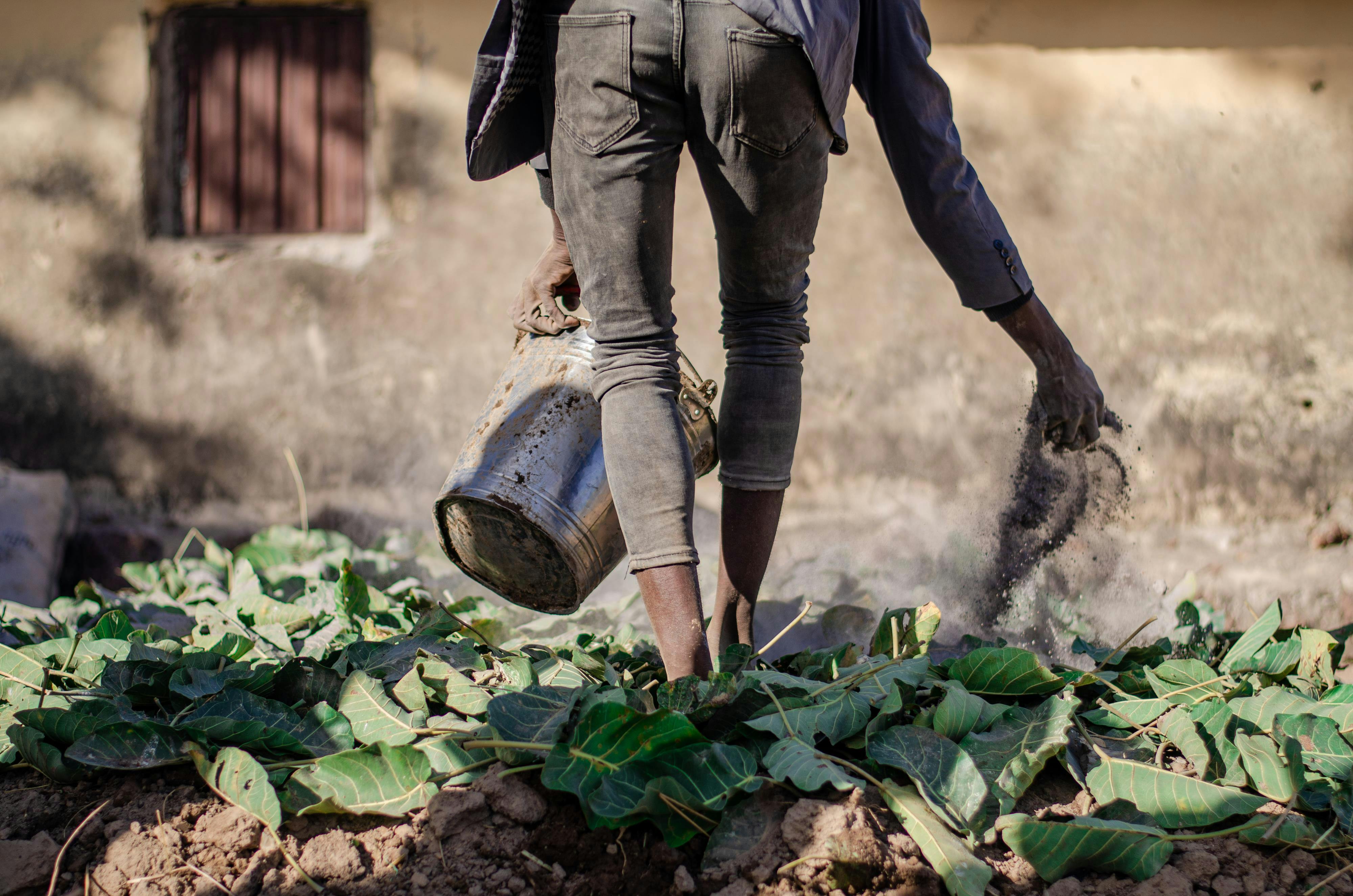
1. Implement Cover Cropping
- Choose the right legume cover crop for nitrogen fixation.
- Plan your crop rotation to enhance soil nutrient availability.
- Monitor soil health to adjust practices as needed.
Boost your yields with the AchmadAnam - Crushed Oyster Shell Organic Fertilizer.
2. Adopt Reduced Tillage
- Assess your soil type to determine tillage needs.
- Transition gradually to no-till practices to maintain soil structure.
- Use cover crops to complement reduced tillage for better results.
3. Integrate Livestock Manure
- Develop a balanced manure management plan.
- Regularly test soil to adjust manure application accordingly.
- Combine with other organic matter for enriched soil fertility.
Explore sustainable organic farming solutions with Biofarm Kenya
Case Studies, Examples, or Comparisons
In Kenya, farmers using crop rotation and composting have improved soil health. The Africa AgriExpo showcases local innovations and their success in sustainability. By transitioning to organic fertilizers, these farmers have reduced costs and increased crop yields.
Common Mistakes to Avoid
- Overusing Fertilizers: This can deplete soil nutrients over time. Instead, focus on integrating organic amendments.
- Poor Irrigation Techniques: Utilize drip irrigation systems to conserve water and improve efficiency.
- Ignoring Soil Health: Regular soil testing prevents nutrient imbalances and improves crop productivity.
Expert Tips or Best Practices
Experts recommend maintaining healthy soil with Organic Compost Starter Mix and utilizing efficient irrigation methods, such as the MIXC 230FT Quick-Connect Drip Irrigation System Kit. Discover incredible sustainable solutions with Biofarm Kenya.
Future Trends or Predictions
The future of Kenyan agriculture includes advancements in smart irrigation and AI-driven crop monitoring. As technology continues to evolve, farmers will benefit from increased precision and efficiency. The shift towards vertical farming is also gaining momentum, promising reduced land use and enhanced production potential.
Conclusion
By embracing sustainable farm practices, Kenyan farmers can cut costs and boost yields effectively. Explore trusted organic farming tools on Amazon and learn more about sustainable solutions with Biofarm Kenya.
FAQs
- What is the impact of cover cropping in Kenya? Cover cropping improves soil health by naturally fixing nitrogen, helping maintain sustainable agricultural practices. Learn more from FAO.
- How can reduced tillage benefit my farm? Reduced tillage enhances water retention and decreases soil erosion, leading to better yield stability. NEMA insights.
- Can integrated pest management help reduce input costs? Yes, by combining biological, cultural, and physical practices, farmers can manage pests naturally. Read from Biovision.
- What is agroforestry, and is it viable in Kenya? Agroforestry combines agricultural and forestry technologies creating more sustainable land use systems. CGIAR research.
- How do organic fertilizers compare to chemical ones? Organic fertilizers improve soil health and biodiversity, unlike chemical fertilizers that may cause long-term damage. More from KALRO.
- Are greenhouse kits effective for small-scale farmers? Yes, they allow efficient use of space and resources, enhancing all-year production. Explore on Amazon.


0 Comments