Estimated Reading Time: 12 minutes
Boost Maize Yields with Legume Intercropping
Meta Description: Discover how maize-legume intercropping boosts yields by 25-35% while improving soil fertility. Learn proven techniques for Kenyan farmers.
For Kenyan farmers seeking methods to enhance agricultural productivity and improve soil fertility, exploring maize intercropping benefits is essential. Recent findings show impressive outcomes through sustainable organic farming solutions.
TL;DR
Maize-legume intercropping can boost yields by 25-35%.Incorporating legumes helps fix nitrogen naturally.Effective strategies include proper crop spacing to prevent competition.78% of Kenyan farmers still practice monocropping, indicating the need for change.Pest management is crucial in mixed cropping systems.Key Takeaways
Implementing legume intercropping improves soil health.Correct spacing techniques are vital for optimal growth.Consider using Amazon's Soil pH & Moisture Tester Kit to monitor field conditions.Alter practices from monocropping to intercropping to enhance yield output.Table of Contents
Background & ContextKey Insights or StrategiesCase Studies, Examples, or ComparisonsCommon Mistakes to AvoidExpert Tips or Best PracticesFuture Trends or PredictionsConclusionFAQsBackground & Context

The agricultural landscape of Kenya is experiencing a transition towards sustainable practices, with soil fertility hacks for smallholders gaining traction. Despite the dominance of monocropping, reports suggest substantial benefits in adopting mixed cropping systems, namely maize-legume intercropping. This method not only increases yields by up to 25-35%, as noted by the IFPRI 2025 studies, but also improves soil fertility by natural nitrogen fixation.
Key Insights or Strategies
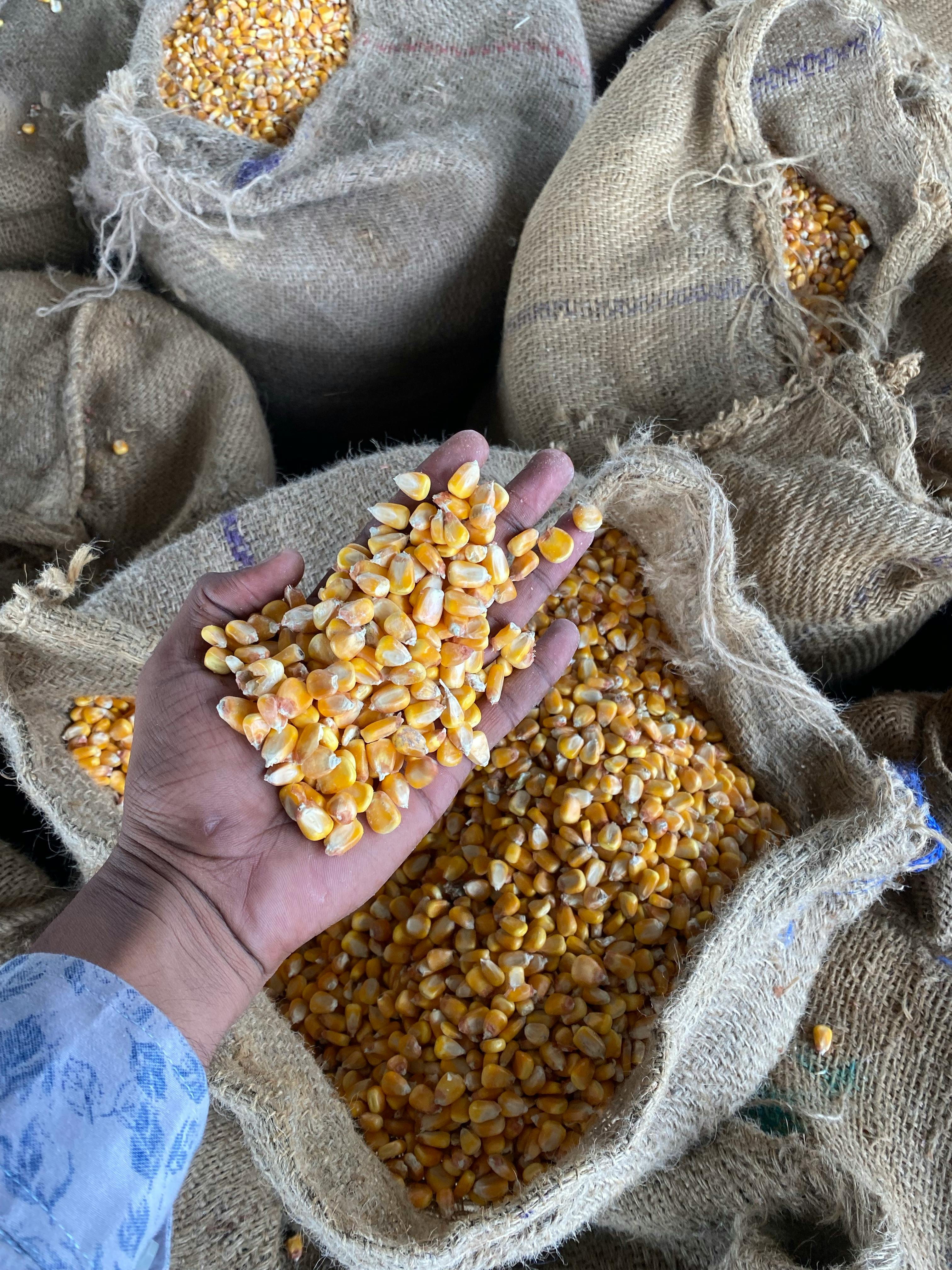
Understanding Crop Dynamics
Select complementary legume crops such as beans or cowpeas.Use the Wallace Organic Wonder Soluble Humic & Fulvic Acid Powder to nourish the soil.Adjust planting distances to optimize sunlight and nutrient access.Nitrogen Fixation Techniques
Incorporate legumes to naturally enrich soil with nitrogen.Monitor soil health regularly using a reliable soil test kit.For comprehensive insights, explore sustainable organic farming solutions with Biofarm Kenya.
Case Studies, Examples, or Comparisons
Kenyatta’s farm in Nakuru serves as a prime example of successful maize-legume intercropping. By replacing traditional monocropping with an integrated approach, Kenyatta observed a 30% increase in maize yield. His methods have been recognized by the Ministry of Agriculture, highlighting the benefits of this sustainable farming practice.
Common Mistakes to Avoid
Ignoring proper crop spacing: Crowding affects yield and health.Overlooking pest control in mixed crop systems can lead to outbreaks.Disregarding soil assessments: Use affordable soil testing kits regularly.Expert Tips or Best Practices
Maintain soil health with Organic Compost Starter Mix.Use efficient drip irrigation systems for water conservation.Integrate these practices to achieve optimal results. For further guidance, discover sustainable solutions with Biofarm Kenya.
Future Trends or Predictions
Advancements in smart irrigation, AI-driven crop monitoring, and vertical farming indicate a promising future for sustainable agriculture in Kenya. These innovations will play a crucial role in enhancing productivity while preserving natural resources.
Conclusion
Incorporating maize-legume intercropping offers a viable path to sustainable agriculture in Kenya. By adopting strategic practices and utilizing reliable products, farmers can significantly enhance yields and soil health. Discover trusted organic farming tools on Amazon and learn more about sustainable solutions with Biofarm Kenya.
FAQs
What are the benefits of maize-legume intercropping?Intercropping improves soil fertility by fixing nitrogen naturally, increases yield by 25-35%, and reduces dependency on chemical fertilizers. [FAO]How do you manage pests in an intercropped system?Use companion planting and natural predators to control pest populations naturally. [NEMA]What are the common mistakes in maize-legume intercropping?Crowding crops and neglecting pest management can lead to reduced productivity. [Ministry of Agriculture]How often should I conduct soil testing?At least twice a year to monitor soil nutrient levels and adjust practices accordingly. [KEBS]Can I use organic fertilizers in intercropping?Yes, organic fertilizers enhance soil structure and nutrient content without harming beneficial soil organisms. [Biofarm Kenya]What technology can enhance intercropping efficiency?Smart irrigation systems and AI crop monitoring tools can optimize water usage and predict crop needs. [UNEP]


0 Comments