

Estimated Reading Time: 12 minutes
Boost Yields with Organic Compost Blends
Kenyan farmers are increasingly abandoning chemical fertilizers due to rising costs and soil degradation. This guide trains farmers to create and apply organic compost blends, boosting soil health and yields. Key steps include: 1) Mixing crop residues with manure for nutrient balance (KARI 2026 trials show 30% yield increase). 2) Using compost tea for foliar disease prevention. 3) Timing applications with rainfall cycles to maximize nutrient uptake.
TL;DR
- Switch to organic compost to improve soil health.
- Combine various organic materials for balanced nutrients.
- Monitor timing and application for maximum effectiveness.
- Explore sustainability with Biofarm Kenya for additional insights.
- Consider tools like soil testers and drip irrigation kits from Amazon for optimization.
Background & Context
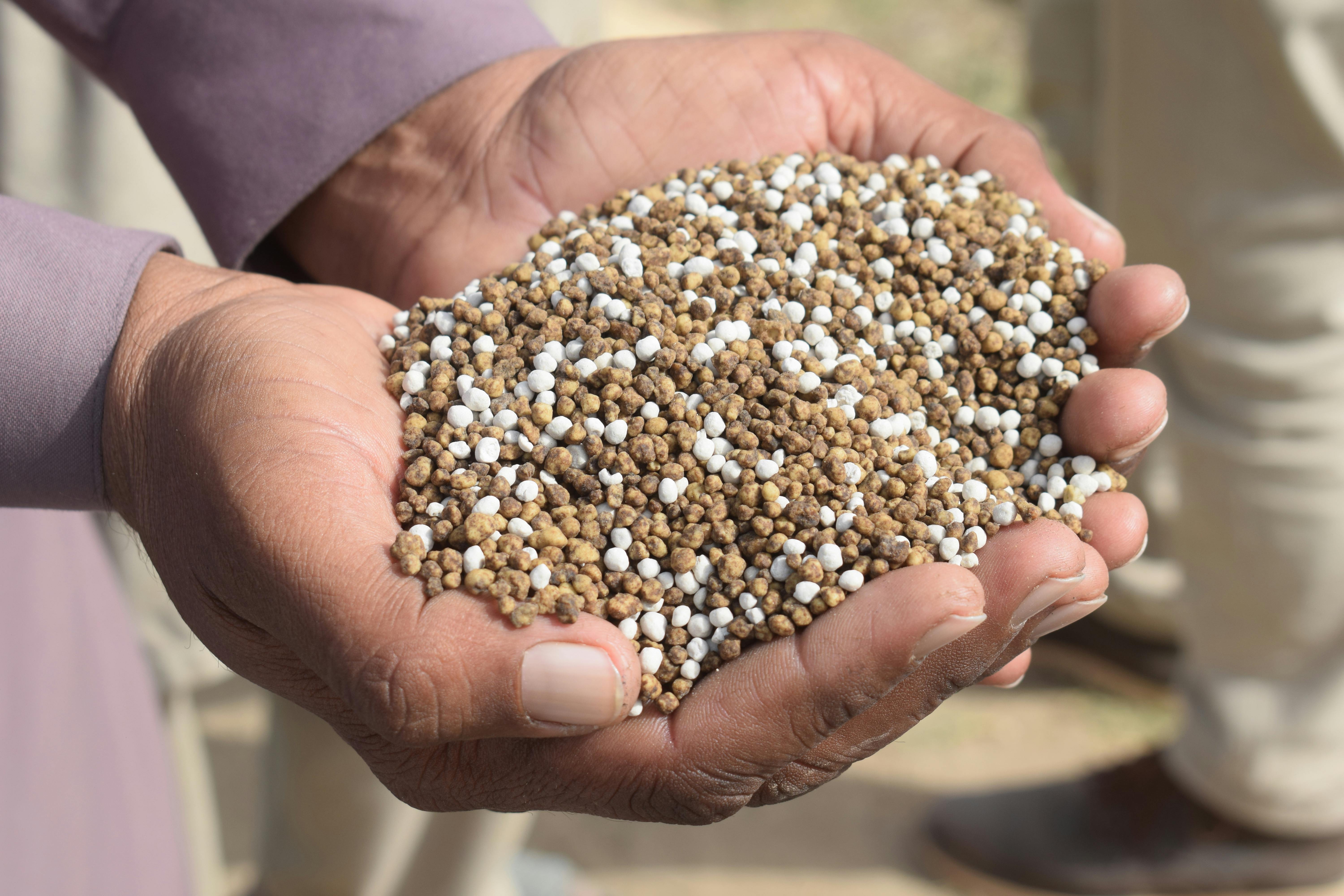
Organic farming in Kenya is gaining traction as more farmers realize the adverse effects of chemical fertilizers and pesticides on their soil. According to the Royal Seedlings, over 150,000 Kenyan farmers are opting for organic practices. This shift helps preserve the environment while catering to the increasing food demand.
Key Insights or Strategies

Combining Organic Materials
Creating a balanced compost requires the right proportion of brown materials (carbon-rich) and green materials (nitrogen-rich). Adjust these ratios based on availability and crop requirements.
- Gather organic waste (leaves, kitchen scraps).
- Mix in animal manure for added nutrients.
- Regularly turn the compost to accelerate decomposition.
Boost your yields with the Key To Life Silver Bullet Fertilizer – available on Amazon.
Explore sustainable organic farming solutions with Biofarm Kenya.Case Studies, Examples, or Comparisons
Farmers in Murang’a County, known for their sustainable practices, report a significant increase in soil fertility. According to a study by Springer Nature, these organic farms outperform conventional ones in terms of environmental integrity and economic resilience.
Common Mistakes to Avoid
- Overusing animal manure: Excessive manure can lead to soil imbalance. Use sparingly and mix with other organic materials.
- Poor compost management: Failure to aerate compost piles can lead to poor decomposition. Regular turning is essential.
- Ignoring soil testing: Use a soil test kit to determine specific nutrient needs before application.
Expert Tips or Best Practices
Enhance your compost results by:
- Using a MySoil Soil Test Kit to analyze nutrient levels before planting.
- Implementing drip irrigation systems like the CARPATHEN Drip Irrigation System Kit for efficient water use.
Future Trends or Predictions
The future of Kenyan agriculture lies in advanced technologies like smart irrigation and AI-driven crop monitoring systems. These innovations promise more efficient water use and crop management.
Conclusion
Adopting organic compost methods helps farmers improve yield sustainably. To further enhance your farming practices, explore trusted organic farming tools on Amazon and learn more about sustainable solutions with Biofarm Kenya.
FAQs
What is the best time to apply compost?
Compost should be applied a few weeks before planting to allow nutrients to settle. For more planting advice, visit the FAO.
How can I prevent pests in organic farming?
Integrated pest management (IPM) techniques are effective in organic systems. Learn more from the NEMA.
What are the benefits of mixing crop residues with manure?
This mix improves soil structure and nutrient content. For detailed studies, refer to the Kenya Agricultural Research Institute.
Is organic farming profitable in Kenya?
Yes, organic farming can be profitable with the right practices. The Ministry of Agriculture offers resources to help farmers.
What tools can optimize compost blending?
Tools like soil moisture meters and pH testers are helpful. Visit Biofarm Kenya for recommendations.
How do I maintain compost quality throughout the year?
Regular monitoring and turning of compost piles can maintain quality. For more tips, see the KARI publications.


0 Comments