Estimated Reading Time: 12 minutes
TL;DR: Kenyan farmers are embracing sustainable agriculture to boost yields and cut costs. This guide covers integrated soil fertility management (ISFM), combining organic amendments and precision fertilizers, with steps to improve maize yields by 40%.Key Takeaways:Conduct soil testing to diagnose nutrient gaps.Layer organic matter to enhance water retention.Alternate chemical fertilizers with biofertilizers. Background & Context Key Insights or Strategies Case Studies, Examples, or Comparisons Common Mistakes to Avoid Expert Tips or Best Practices Future Trends or Predictions Conclusion FAQsBackground & Context
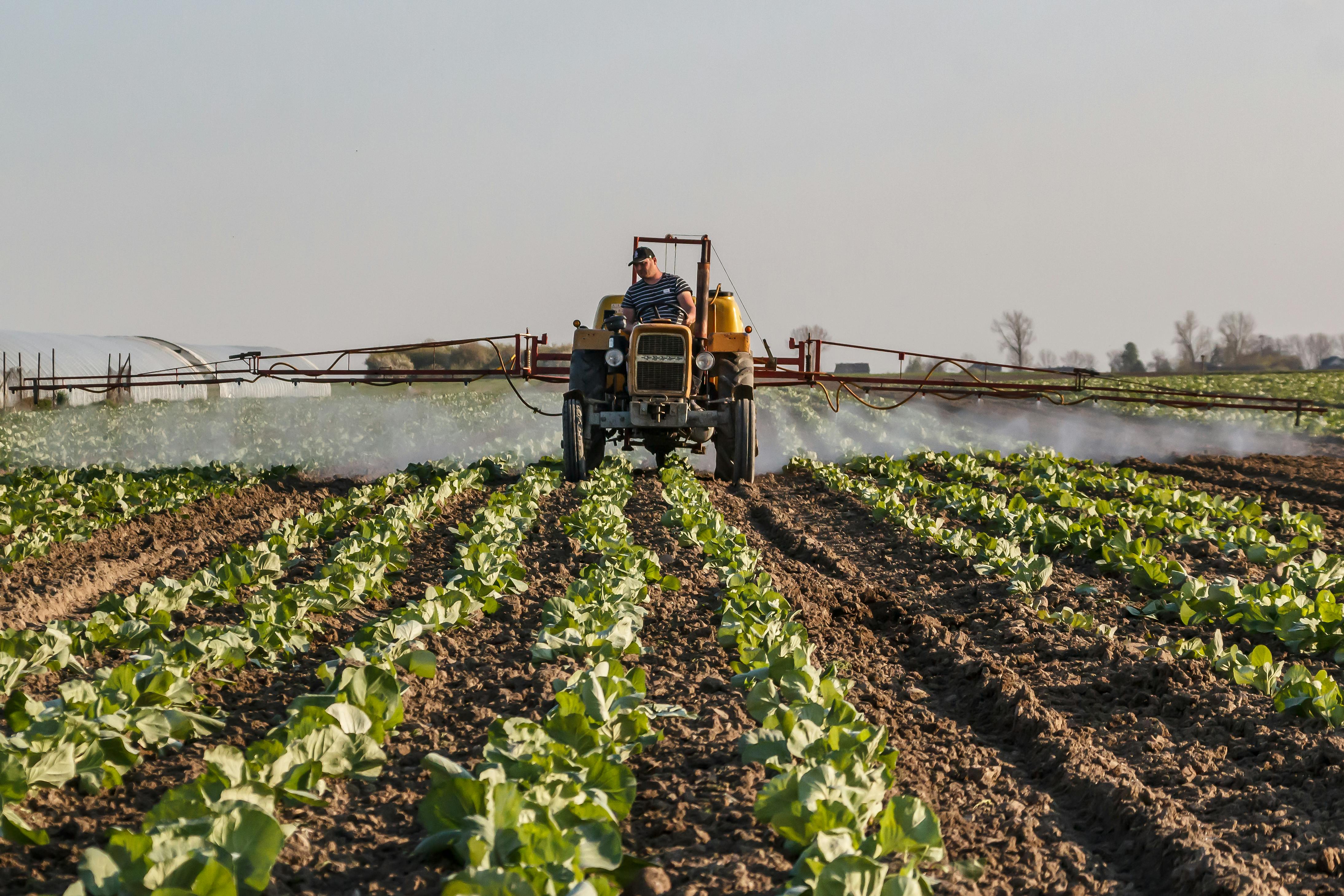
Kenyan farmers are increasingly seeking sustainable soil fertility solutions amid rising input costs and climate stress. Integrated soil fertility management (ISFM) combines organic amendments with precision fertilizer application, offering a resilient approach. Kenya's diverse agro-ecological zones, such as the highlands of Central and Western Kenya, support a range of organically suitable crops. With government support and growing urban consumer demand, organic farming in Kenya is expanding rapidly, reflecting a global trend towards sustainability.
Key Insights or Strategies
Soil Testing and Diagnosis
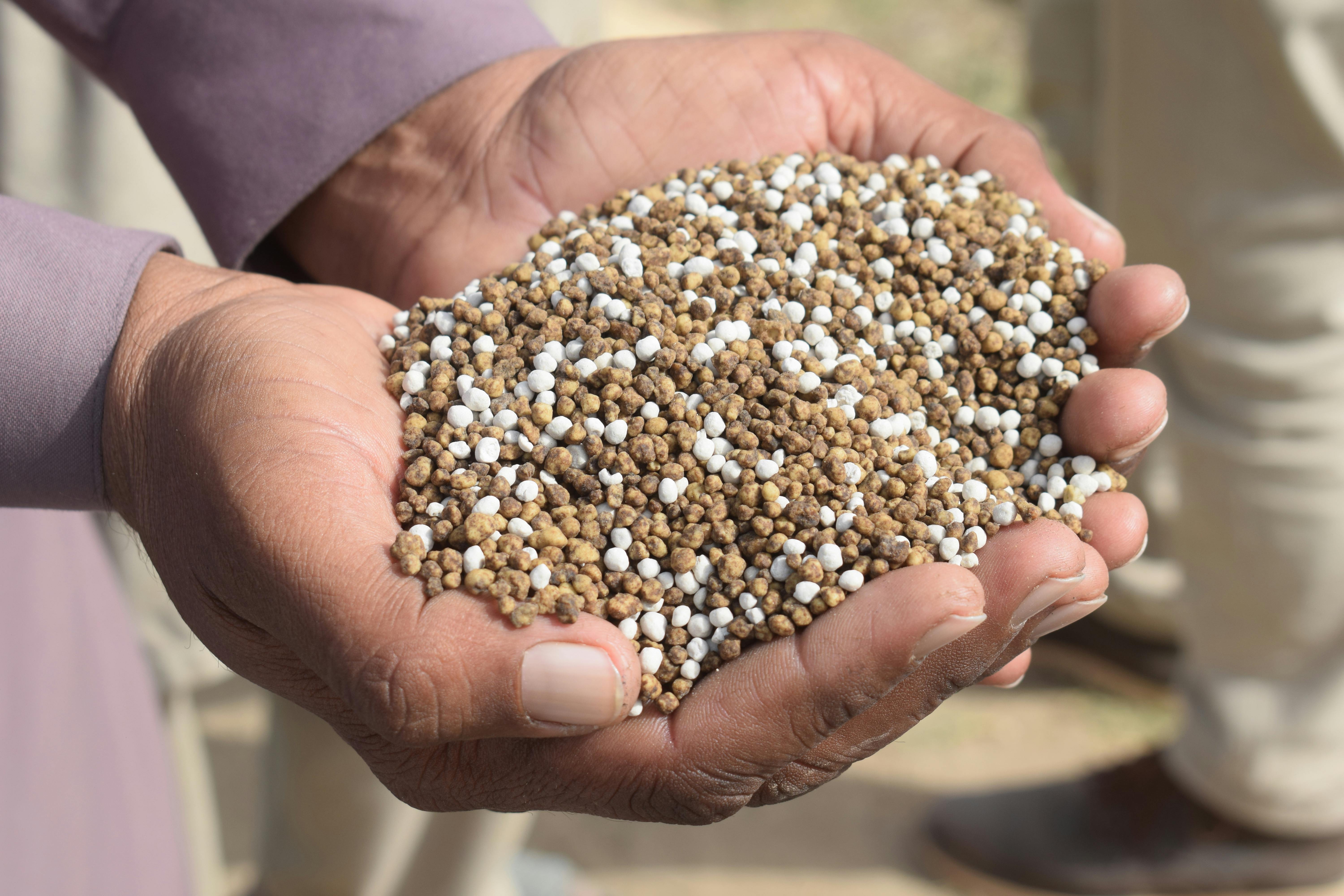 Conduct comprehensive soil tests to identify nutrient deficiencies.Use lab results to formulate tailor-made fertilizer plans.Implement regular testing to monitor changes over time.For accurate soil analysis, consider using the MySoil Soil Test Kit – available on Amazon.
Organic Matter Integration
Apply compost and manure to improve soil structure and nutrient content.Utilize crop residues for mulching to conserve moisture.Implement a reliable organic fertilizer with the Blood Meal 45lb Bag – available on Amazon.Utilizing Biofertilizers
Incorporate biofertilizers like mycorrhizal inoculants to enhance root growth.Alternate between synthetic fertilizers and natural solutions to maintain soil health.Explore sustainable organic farming solutions with Biofarm Kenya.Case Studies, Examples, or Comparisons
A 2025 study by KALRO in Bomet County reveals that farmers implementing ISFM increased maize yields by 40%, while reducing synthetic fertilizer use by 30%. Another example is a cooperative in Kajiado County, where organic farming techniques enhanced both soil health and profitability. The African Research Journal of Education & Social Sciences highlights the importance of market access in this region.
Common Mistakes to Avoid
Over-reliance on chemical fertilizers leading to soil degradation.Inefficient irrigation causing water wastage. Implement a reliable Drip Irrigation Kit – available on Amazon to conserve water.Ignoring local climate conditions in crop selection.Expert Tips or Best Practices
To maintain healthy soil, consider employing crop rotation and cover cropping practices. Use natural pest control methods like neem oil to minimize chemical exposure. For comprehensive greenhouse solutions, the Backyard Discovery Walk-in Greenhouse Kit – available on Amazon can enhance controlled crop production.
Explore sustainable organic farming solutions with Biofarm Kenya.Future Trends or Predictions
Smart irrigation and AI-driven crop monitoring are anticipated to revolutionize farming in East Africa. According to the Global Resilience Partnership, innovations such as mobile apps for agroforestry management are on the rise, promising greater resilience against climate variability.
Conclusion
Sustainable soil management offers a route to increased productivity and cost savings for Kenyan farmers. Adopting ISFM, regular soil testing, and the integration of biofertilizers can lead to significant yield improvements. Explore organic farming tools on Amazon and learn more about sustainable solutions with Biofarm Kenya.
FAQs
What is integrated soil fertility management (ISFM)?ISFM is a holistic approach combining organic and inorganic amendments to enhance soil fertility and crop yields. More information is available at the FAO.How do I perform a soil test?Soil testing involves collecting soil samples and analyzing them for nutrient content. Refer to the NEMA website for guidelines.Why is organic matter important for soil?Organic matter improves soil structure, boosts microbial activity, and enhances water holding capacity. Visit the KALRO resources for more details.What are biofertilizers?Biofertilizers are living organisms that enrich soil fertility. They include bacteria and fungi that facilitate nutrient absorption. Learn more at the Biofarm Kenya page.How does crop rotation benefit soil health?Crop rotation reduces pests and diseases, improves soil structure, and prevents nutrient depletion. Details are available at the FAO.What innovations are emerging in sustainable agriculture?Technologies like AI crop monitoring and smart irrigation are reshaping farming practices. Explore future trends on the Global Resilience Partnership site.


0 Comments