body {font-family: Arial, sans-serif; margin: 20px;} p {margin-bottom: 1em;} h2 {border-bottom: 2px solid #2E7D32; padding-bottom: 5px; color: #2E7D32;} h3 {border-bottom: 1px solid #2E7D32; padding-bottom: 3px;} a {color: #2E7D32 !important; text-decoration: none;} .toc a {display: block; margin-top: 5px;} img {max-width:100%; height:auto;} Estimated Reading Time: 12 minutes
TL;DR: 3–5 concise takeaways
Drought-tolerant sorghum is revolutionizing dryland farming in Kenya.Organic mulching reduces irrigation needs, making farming more sustainable.Sorghum proves more profitable than maize, especially during drought years.Key Takeaways
Adopt drought-tolerant crops like sorghum to combat erratic rains.Implement organic farming techniques to boost yield resilience.Consider organic certification for premium market access.Table of Contents
Background & ContextKey Insights or StrategiesCase Studies, Examples, or ComparisonsCommon Mistakes to AvoidExpert Tips or Best PracticesFuture Trends or PredictionsConclusionFAQs
Background & Context
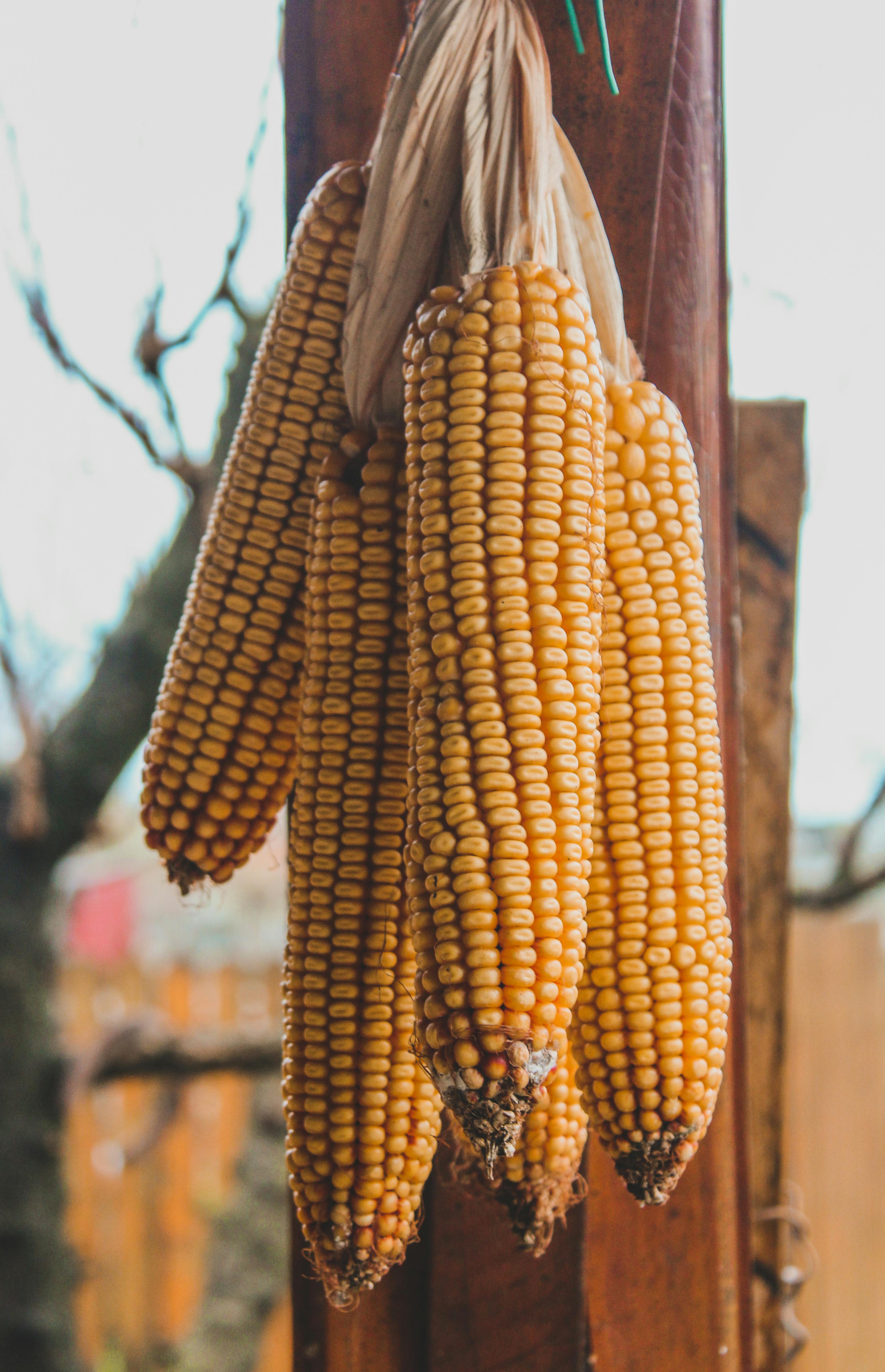
Kenyan dryland farmers are increasingly seeking alternatives to hybrid maize due to erratic rains. Training on drought-tolerant sorghum and millet now outpaces maize queries by 32% on agritech platforms. Favoring sorghum not only addresses the unpredictable rainfall but also taps into a crop that promises 50% higher earnings in dry seasons.
According to recent ISA 2025 studies, selecting local varieties with a 20-30% higher yield resilience than hybrids is crucial. The integration of organic mulching further cuts irrigation needs by 40%.
Key Insights or Strategies
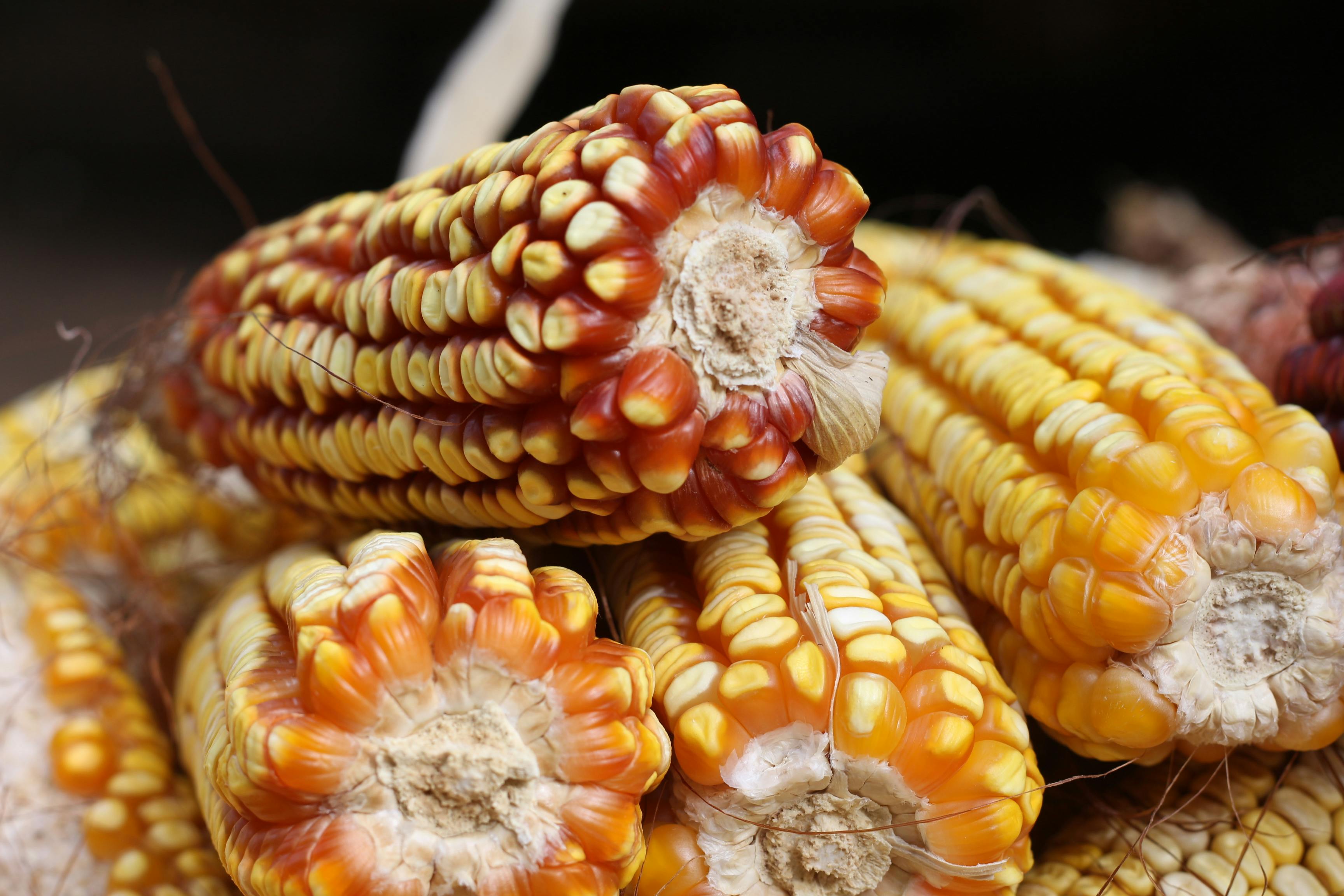
Adopting Drought-Resilient Crops
Select varieties with proven drought tolerance.Experiment with mixed cropping to maximize resilience.Engage agritech platforms for free training and updates.Boost your yields with the Purple Cow Organics IndiCanja – available on Amazon.
Explore sustainable organic farming solutions with Biofarm Kenya
Case Studies, Examples, or Comparisons
One prominent example is the work conducted by the Ministry of Agriculture in collaboration with local NGOs, where farmers in Eastern Kenya successfully transitioned to sorghum-based systems. Their profits surged by 50% according to KARI trials.
For more resources, visit the Africa Agricultural Expo.
Common Mistakes to Avoid
Over-reliance on chemical fertilizers instead of organic inputs.Poor irrigation practices leading to wastage and inefficiency.Ignoring soil health leading to reduced crop productivity.Expert Tips or Best Practices
Regular soil testing to tailor your nutrient management.Embrace the MySoil Soil Test Kit – available on Amazon for comprehensive soil analysis.Learn more about sustainable solutions with Biofarm Kenya
Future Trends or Predictions
Smart irrigation, vertical farming, and AI-driven crop monitoring are rapidly advancing and represent the future of efficient agriculture in Kenya.
Conclusion
By adopting drought-tolerant crops like sorghum, integrating organic farming practices, and accessing premium markets, Kenyan farmers can substantially increase their profitability. Discover trusted organic farming tools on Amazon and learn more about sustainable solutions with Biofarm Kenya.
FAQs
What are the benefits of drought-tolerant crops? Visit the FAO for more details.How can I test my soil? Use the MySoil Soil Test Kit for accurate results.What is the impact of organic farming? See more at Hyper Kenya Ltd.How does mulching benefit irrigation? Find insights at NEMA.What training resources are available for agritech? Explore resources at Africa Agriculture Expo.What is the market potential for organic certifications? Learn more from KEPHIS. 
