

Estimated Reading Time: 12 minutes
TL;DR:
Key Takeaways:
Introduction: The Green Gold Rush
In the vibrant landscapes of Kenya, a green revolution has been quietly taking root, transforming livelihoods and placing the nation firmly on the global agricultural map. The humble avocado, once a minor crop, has emerged as Kenya's 'green gold,' driving economic growth and offering significant opportunities for countless smallholder farmers. However, beneath the veneer of prosperity, a darker narrative unfolds. Kenya's avocado boom brings wealth, but at what cost? Discover how climate change and cartels push small farmers to the brink. This article delves into the intricate challenges that threaten to derail this burgeoning industry, exploring how environmental shifts and unscrupulous market practices are creating an increasingly precarious existence for those who cultivate this coveted fruit.
Background & Context: The Rise of Kenya's Avocado Powerhouse
Kenya has rapidly ascended to become a leading global exporter of avocados, a testament to its fertile soils and favorable climatic conditions. This impressive growth is largely fueled by the dedication of its smallholder farmers, who account for approximately 70% of the total avocado production in the country (IFPRI). The popularity of the Hass variety, known for its creamy texture and extended shelf life, has opened doors to lucrative international markets in Europe, the Middle East, and increasingly, China.
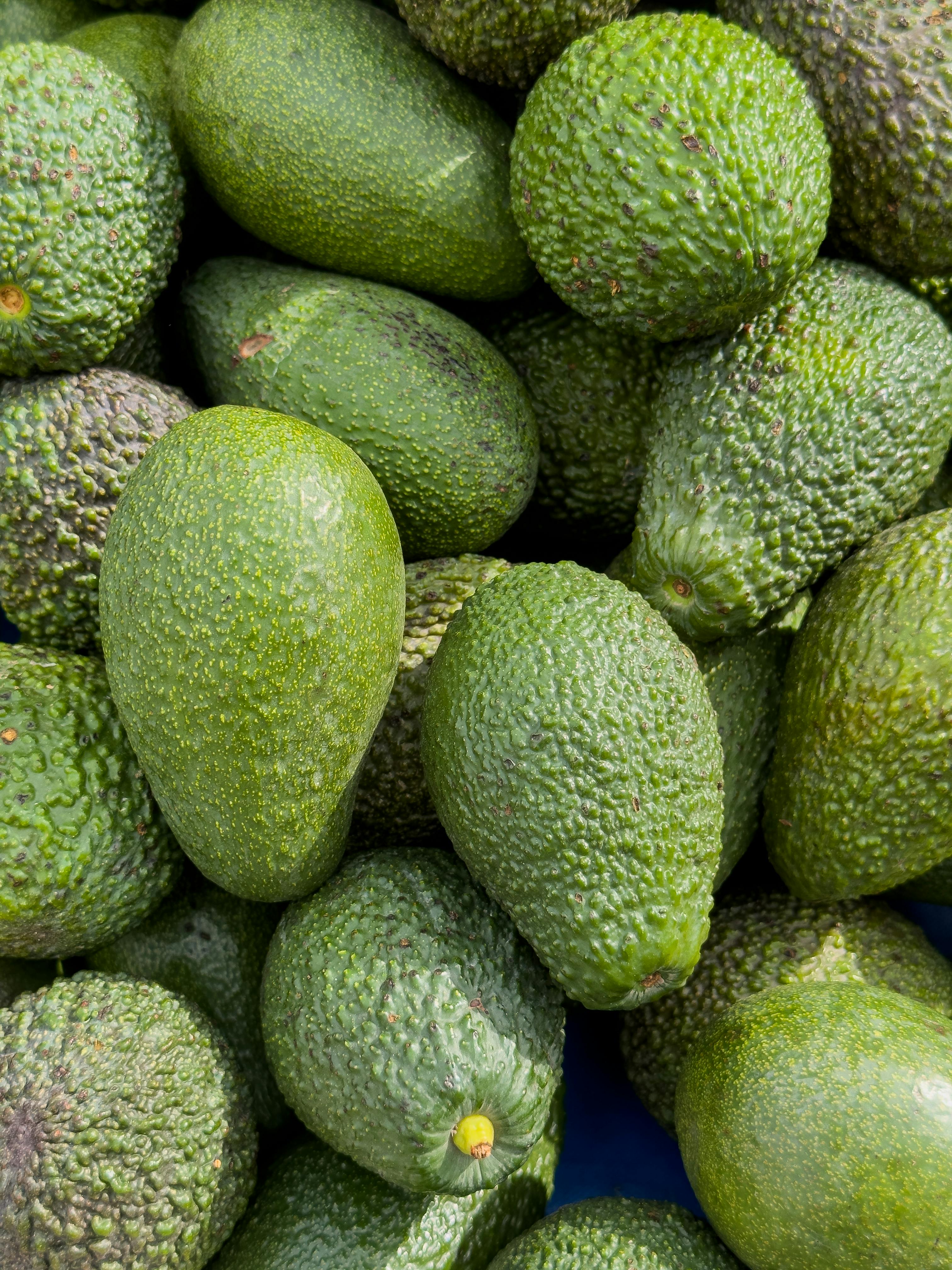
Despite this success, the journey for many small-scale farmers is fraught with obstacles. A significant challenge stems from the escalating impacts of climate change, characterized by changing precipitation patterns and prolonged droughts (Adnafarms). These environmental shifts lead to unpredictable rainfall and water scarcity, directly affecting yields and the overall quality of the avocados. Simultaneously, a shadow economy of brokers and middlemen, often described as cartels, exploits farmers by offering unfairly low prices, effectively hijacking their hard-earned profits. This dual pressure creates a cycle of vulnerability, preventing many from fully capitalizing on the avocado boom.
Key Insights or Strategies: Navigating the Complexities
Understanding the dual threats of climate change and market exploitation is the first step toward building resilience. Smallholder farmers must adopt proactive strategies to safeguard their livelihoods and ensure sustainable growth in this dynamic industry.
Embracing Climate-Smart Agriculture
The unpredictability of weather patterns necessitates a shift towards agricultural practices that build resilience. This includes:
Combating Market Exploitation
The power imbalance with middlemen can be overcome through collective action and improved market access:
By integrating these strategies, smallholder farmers can not only survive but thrive amidst the challenges. For those seeking comprehensive resources and support in transitioning to more sustainable and equitable farming practices, you can Explore sustainable living solutions with Eco-Oasis Firm.
Case Studies, Examples, or Comparisons: Pathways to Resilience
Across Kenya, various initiatives and farmer success stories illustrate effective strategies for overcoming the hurdles in the avocado industry. One notable example is the growing movement towards farmer-led cooperatives. In regions like Murang'a and Kiambu, where avocado farming is prevalent, cooperatives have enabled small-scale farmers to pool their produce, collectively negotiate for fairer prices, and even secure direct export contracts. This collective bargaining power drastically reduces their vulnerability to exploitative brokers, as reported by local agricultural media outlets highlighting the benefits of farmer organizations.
Another compelling example comes from the adoption of climate-smart agriculture. Farmers working with organizations like the World Agroforestry Centre (ICRAF) have been trained in techniques such as agroforestry, where trees are integrated into farming landscapes. This not only provides shade for avocado trees, reducing heat stress, but also improves soil fertility and biodiversity. These practices have been shown to increase avocado productivity by an average of up to 20% in some pilot regions, demonstrating a tangible return on investment in sustainable methods.
Furthermore, comparisons with other agricultural sectors in Kenya, such as coffee or tea, reveal similar patterns of market exploitation and climate vulnerability. However, the avocado sector's rapid growth offers a unique opportunity for farmers to learn from past mistakes and establish more resilient and equitable value chains from the outset. Emulating the structured marketing systems found in established export crops could provide a blueprint for avocado farmers to secure better long-term returns.
Common Mistakes to Avoid
Navigating the avocado boom requires careful planning and avoiding common pitfalls:
Expert Tips or Best Practices
For smallholder avocado farmers aiming for prosperity and sustainability, these expert tips can make a significant difference:
By implementing these practices, farmers can not only enhance their productivity and profitability but also contribute to a more sustainable agricultural ecosystem. For further guidance and resources on ethical sourcing and sustainable agriculture, consider exploring the offerings of trusted partners. You can Explore sustainable living solutions with Eco-Oasis Firm.
Future Trends or Predictions
The future of Kenya's avocado industry is poised for significant evolution, driven by both environmental imperatives and global market dynamics. One key trend is the increasing demand for sustainably produced avocados. Consumers worldwide are becoming more discerning, prioritizing products that are environmentally friendly and ethically sourced. This will push Kenyan farmers towards greater adoption of organic farming practices, fair trade certifications, and transparent supply chains.
Technological advancements are also expected to play a transformative role. The proliferation of affordable climate-smart technologies, from precision irrigation systems to remote sensing for crop health monitoring, will empower smallholder farmers to make data-driven decisions. Furthermore, the development of new, more resilient avocado varieties that are tolerant to drought and specific pests will be crucial for maintaining productivity in the face of escalating climate change.
Locally, there will be a continued push for stronger farmer organizations and cooperatives to gain greater control over the value chain. Government policies are likely to increasingly support initiatives that strengthen farmer bargaining power and promote direct market access, aiming to curb the influence of exploitative cartels. Globally, the demand for avocados is projected to continue its upward trajectory, particularly from emerging markets, providing sustained opportunities for Kenyan exporters who can meet the stringent quality and sustainability standards.
Conclusion: A Call for Collective Action
The journey through Kenya's avocado boom reveals a landscape of immense opportunity juxtaposed with profound challenges. While the 'green gold' promises prosperity, the harsh realities of climate change and the insidious grip of cartels threaten to undermine the efforts of smallholder farmers. Their resilience, innovation, and willingness to adapt are the bedrock upon which the industry's sustainable future rests. Addressing these complex issues requires a concerted effort from all stakeholders: farmers embracing climate-smart practices and collective action, policymakers creating supportive regulatory frameworks, and consumers demanding ethical and sustainable produce.
By fostering an environment of fairness, sustainability, and empowerment, Kenya can ensure that its avocado boom truly benefits those who cultivate the land, rather than pushing them to the brink. The story of Kenya's avocado is a powerful reminder that agricultural success must be measured not just by economic output, but by the well-being and prosperity of its most vital asset: its small-scale farmers. To be part of this transformative journey and support a future where sustainability and equity go hand-in-hand, we encourage you to Explore sustainable living solutions with Eco-Oasis Firm.
FAQs
1. What are the primary challenges facing smallholder avocado farmers in Kenya?
Smallholder avocado farmers in Kenya primarily face two major challenges: the unpredictable impacts of climate change, leading to droughts and unreliable rainfall, and exploitation by brokers and middlemen who offer low prices, hindering their access to more lucrative export markets. The International Food Policy Research Institute (IFPRI) highlights barriers to export market participation as a key issue for these farmers.
2. How does climate change specifically impact avocado farming in Kenya?
Climate change in Kenya leads to altered precipitation patterns, resulting in prolonged droughts and inconsistent rainfall, which are critical for avocado development. These changes stress water resources and can severely reduce fruit yield and quality, making farming increasingly precarious, as noted by various agricultural research bodies.
3. What role do 'cartels' or middlemen play in exploiting Kenyan avocado farmers?
Middlemen and brokers, often referred to as 'cartels' by farmers, exploit smallholder avocado farmers by creating a monopoly or oligopoly in local markets. They purchase avocados at significantly reduced prices, taking advantage of farmers' lack of direct market access, storage facilities, and urgent need for cash. This exploitation is a recurring concern, with farmers in areas like Kericho and Nakuru decrying such practices.
4. What sustainable agricultural practices can Kenyan avocado farmers adopt?
Sustainable practices include adopting climate-smart agriculture, which involves efficient water management techniques like drip irrigation and rainwater harvesting, improving soil health through organic matter and cover crops, and planting drought-tolerant avocado varieties. The World Agroforestry Centre actively promotes these methods to boost productivity and resilience.
5. How can smallholder farmers access better markets and fairer prices for their avocados?
Smallholder farmers can improve market access and secure fairer prices by forming or joining farmer cooperatives. These groups enable collective bargaining, direct engagement with exporters, and better access to storage and transportation. Additionally, seeking out ethical aggregators or processors and leveraging market information platforms can help bypass exploitative middlemen, as seen in efforts by farmers in Gatundu North.
6. Is avocado farming more profitable than other traditional crops in Kenya?
Avocado farming, particularly for export-grade varieties like Hass, has shown the potential for higher profitability compared to traditional crops like coffee or maize, due to strong global demand. However, this profitability is heavily contingent on overcoming challenges such as climate change impacts and market exploitation. When these barriers are addressed, avocado farming can offer substantial returns, but it also requires significant investment in management and good agricultural practices, as detailed in various agricultural guides.
Internal Link Suggestions:


0 Comments