

Estimated Reading Time: 9 minutes
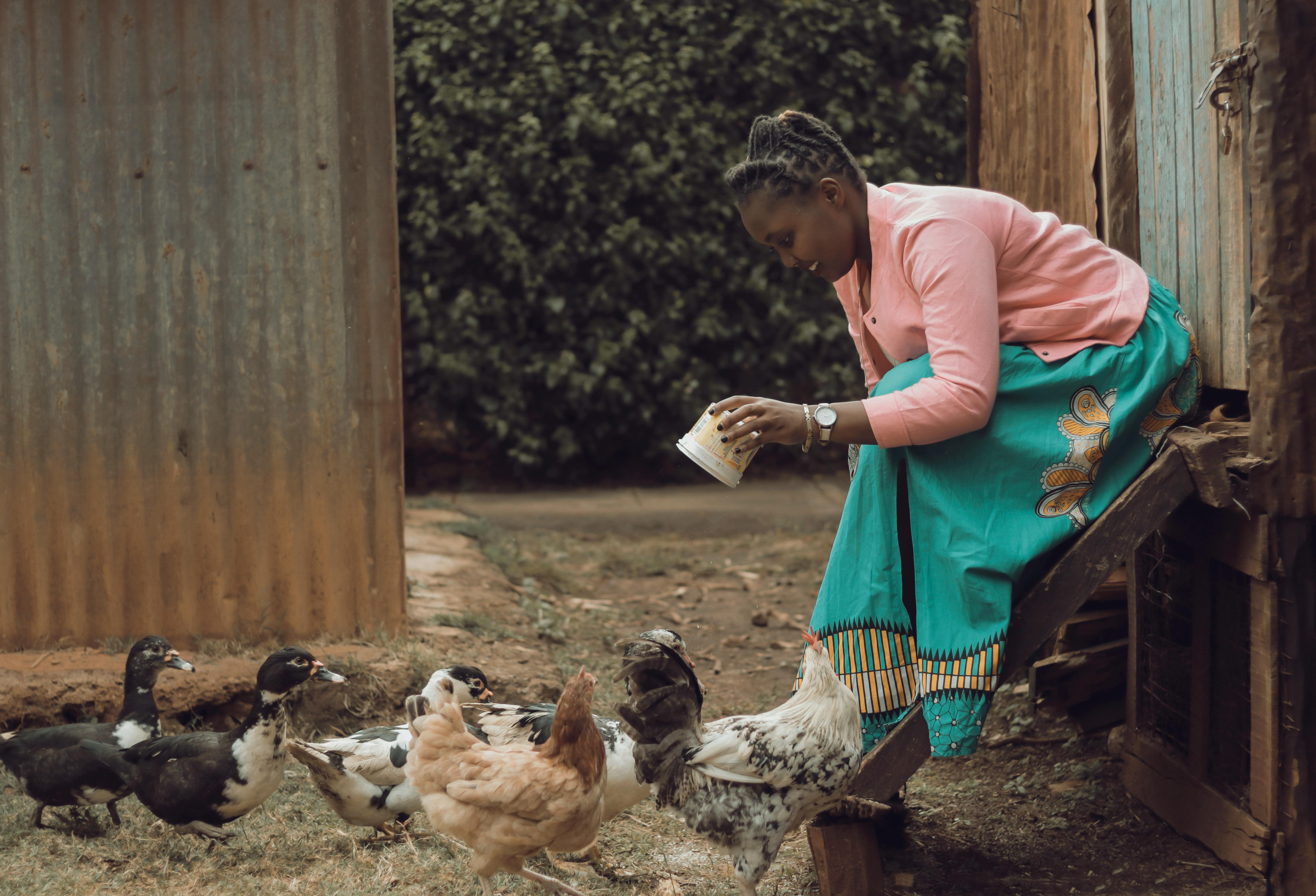
TL;DR:
- Azolla is a highly nutritious, fast-growing aquatic fern used as poultry feed in Kenya.
- It offers a cost-effective alternative to commercial feeds, reducing poultry production costs by up to 40%.
- Farmers can grow Azolla easily with minimal investment, improving profitability and sustainability.
Key Takeaways:
- Incorporate Azolla feed into poultry diets to reduce feed costs while boosting protein intake.
- Set up simple Azolla ponds using local materials with careful management for year-round production.
- Combine Azolla with commercial feeds for best poultry growth and profitability in Kenya.
Introduction
Poultry farmers in Kenya often struggle with high feed costs that cut deeply into their profits. Feed represents the largest single expense in poultry production, sometimes accounting for over 70% of total costs. Azolla feed for poultry farmers in Kenya offers a sustainable, affordable solution to this problem. Azolla, a nutrient-rich aquatic fern, can be grown locally and used as a partial substitute for commercial poultry feed, reducing costs while increasing bird health and productivity. With rising feed prices in Kenya, adopting Azolla as a feed alternative is becoming a vital strategy to improve margins and farm sustainability.
What is Azolla Feed?
Azolla is a small, fast-growing floating water fern known for its remarkable nutrient profile. It contains approximately 20-30% protein with essential amino acids, vitamins (A, B12, beta-carotene), and minerals valuable for poultry nutrition. Azolla doubles its biomass every 3 to 5 days, making it a highly renewable feed source.
Farmers introduce Azolla into poultry diets typically as a supplement, replacing 10-20% of the commercial feed. Its nutrient density promotes better weight gain and sustained egg production. Research and local farmer experiences in Kenya confirm improved poultry growth rates and feed conversion ratios when Azolla is included in feed mixes.
Benefits in Kenya
- Cost savings: Replaces a significant portion of costly commercial feed, reducing feed expenses by up to 40%.
- Local production: Grown on-farm using simple materials – no need for expensive imports.
- Sustainability: Environmentally friendly, reduces dependency on chemical feed supplements.
- Improved poultry health: High protein and vitamin content boosts immunity and growth.
- Year-round availability: Fast growth rates allow continuous harvesting.
- Additional income: Surplus Azolla can be sold to other farmers or livestock keepers.
Step-by-Step Guide to Growing Azolla
- Choose a suitable site: Partial shade with access to clean, still water is ideal to prevent overheating and drying.
- Build your pond: Use a shallow rectangular pond (1-2 meters wide, 2-4 meters long, 15-20 cm deep) lined with black polythene or clay to retain water.
- Prepare the pond water: Add 10kg soil and 1 bucket of cow dung slurry or organic fertilizer containing phosphorus to enrich the water.
- Fill the pond: Add clean water to about 15 cm depth. Let the mixture settle for 3 days.
- Introduce Azolla starter culture: Obtain quality starter Azolla from suppliers or neighboring farms in Kenya and gently distribute it over the pond surface.
- Maintain the pond: Keep water levels consistent, add water when necessary, and monitor for pests or excessive algae.
- Harvest regularly: Begin harvesting after 7-10 days once the Azolla covers 70-80% of the pond surface. Harvest about one-third daily using a fine mesh scoop.
- Use fresh or processed Azolla: Feed fresh directly to poultry or dry and pelletize for storage.
Cost Breakdown (Kenya)
| Item | Details | Estimated Cost (Ksh) |
|---|---|---|
| Pond Construction Materials | Black polythene liner, soil, basic tools | 5,000 |
| Cow Dung Slurry / Organic Fertilizer | To enrich pond water | 500 |
| Azolla Starter Culture | 1 kg of starter Azolla | 1,000 |
| Labor and Maintenance | Setup and regular management | 2,000 (monthly) |
| Total Initial Setup | ~8,500 |
Profit Potential
With a pond yielding approximately 10-15 kg of fresh Azolla daily, poultry farmers can replace up to 20% of commercial feed.
| Item | Monthly Cost (Ksh) | Savings with Azolla (Ksh) |
|---|---|---|
| Commercial Feed (without Azolla) | 30,000 | 0 |
| Commercial Feed (with 20% Azolla) | 24,000 | 6,000 |
| Azolla Production Cost (incl. setup amortization) | 2,000 | — |
| Net Savings | — | 4,000 |
Annually, this translates to savings of approximately Ksh 48,000, enhancing profitability. Additionally, surplus Azolla sales can add income.
Common Mistakes and Solutions
- Pond exposure to direct sunlight: Leads to drying out and poor growth. Solution: Provide partial shade using nets or trees.
- Nutrient depletion: Azolla consumes phosphorus quickly, causing ponds to fail after a few months. Solution: Regularly add organic phosphorus-rich fertilizers like cow dung slurry.
- Overharvesting: Removing too much Azolla at once reduces regrowth. Solution: Harvest only about one-third of pond biomass daily.
- Contaminated water: Polluted water inhibits growth and affects feed quality. Solution: Use clean rainwater or filtered water.
- Relying 100% on Azolla: Feeding only Azolla can cause poultry digestive issues. Solution: Mix at 10-20% with commercial feed for balanced nutrition.
Expert Tips

- Mix Azolla with other locally available feeds like maize germ or omena dust for balanced diets.
- Promote your poultry products as organic or sustainably fed to attract premium markets.
- Train farm workers on proper pond maintenance and harvesting schedules to maximize yield.
- Consider pelletizing dried Azolla to improve storage and transport convenience.
👉 Explore sustainable farming solutions with Biofarm Kenya
Comparison: Azolla vs Commercial Feed
| Aspect | Azolla Feed | Commercial Feed |
|---|---|---|
| Protein Content | 20-30% | 18-25% |
| Cost per kg | Approx. Ksh 20 (self-produced) | Approx. Ksh 50-70 (market price) |
| Growth Rate Impact | Improves weight gain when mixed (10-20%) | Standard commercial growth |
| Environmental Impact | Eco-friendly, renewable, reduces chemical use | Manufactured, higher carbon footprint |
| Storage | Needs drying or fresh feeding | Long shelf life |
FAQs
- Q1: How do I start Azolla farming in Kenya?
- You need a shallow pond with a liner, water, organic fertilizer, and quality Azolla starter culture. Maintain partial shade and harvest regularly.
- Q2: Can Azolla fully replace commercial poultry feed?
- No, it should supplement 10-20% of your feed to ensure balanced nutrition and avoid digestive problems.
- Q3: Where can I buy Azolla starter culture in Kenya?
- Local suppliers like Irrihydrosol Ltd and other agribusinesses stock Azolla starter cultures, or you can source from neighboring farmers.
- Q4: How often should I harvest Azolla?
- Harvest about one-third of the pond’s Azolla daily once it covers most of the pond surface, typically after 7-10 days of growth.
- Q5: What are the ideal conditions for Azolla growth?
- Partial shade, clean still water, and nutrient enrichment especially with phosphorus-rich organic fertilizers.
- Q6: How does Azolla help reduce chicken feed costs in Kenya?
- It replaces a portion of commercial feed with locally produced, protein-rich biomass, lowering overall feed expenses while maintaining nutrition.
Start Your Farming Journey Today
Want to reduce your farming costs and increase profits?


0 Comments